Nature isn’t always as simple as being born, growing up, and passing on the torch.
While we’re used to the straightforward path humans take, some corners of the wild operate on a logic that feels like something out of a fever dream. From parasites that hijack the brains of their hosts to creatures that essentially hit the rewind button on their own ageing, the natural world is full of bizarre workarounds and complex survival strategies that defy everything we think we know about life and death.
It’s easy to look at a butterfly and think we’ve got the whole metamorphosis thing figured out, but that’s just the tip of the iceberg. Some species go through multiple radical body shifts, live for decades underground just to emerge for a single week, or even merge their entire bodies with a mate in a permanent, macabre embrace. These strange life cycles might look like overkill, but they’re actually brilliant, finely tuned solutions to the brutal problem of staying alive.
1. The immortal jellyfish can rewind its life.
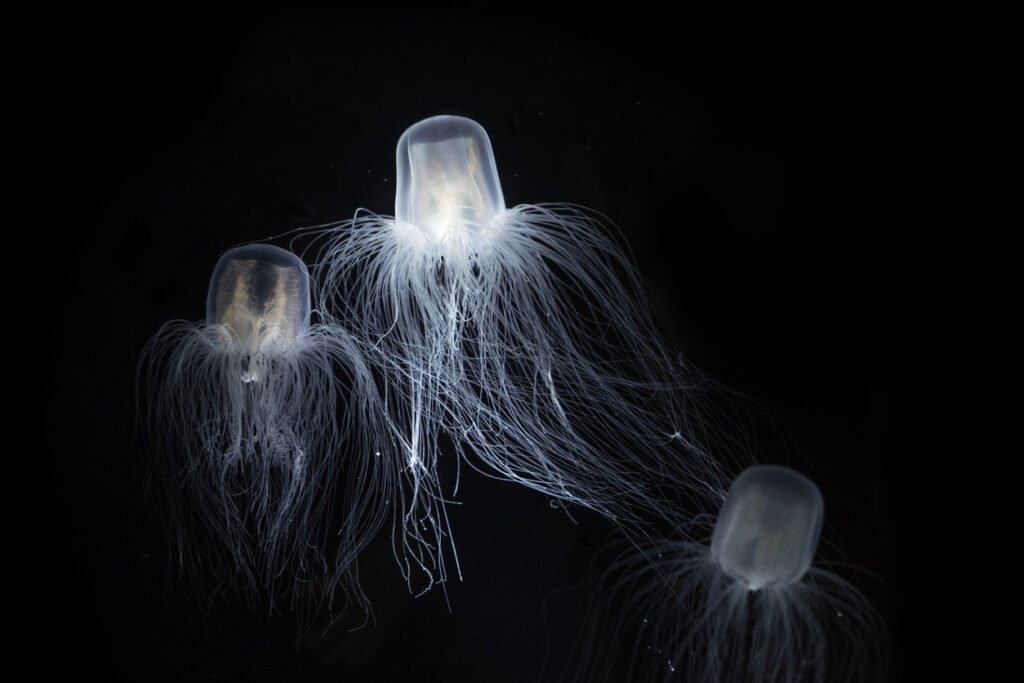
The so-called immortal jellyfish, Turritopsis dohrnii, doesn’t just grow old and die in the usual way. When it’s stressed, injured, or starving, it can revert back to an earlier life stage called a polyp. It’s basically the biological equivalent of hitting reset.
Instead of following a one-way path to death, its cells reorganise and start the cycle again. In theory, this means it can repeat this process over and over. In the real world, they still get eaten or diseased, but the ability to rewind development like that still feels unreal.
2. One species of mayfly lives for a single day as an adult.
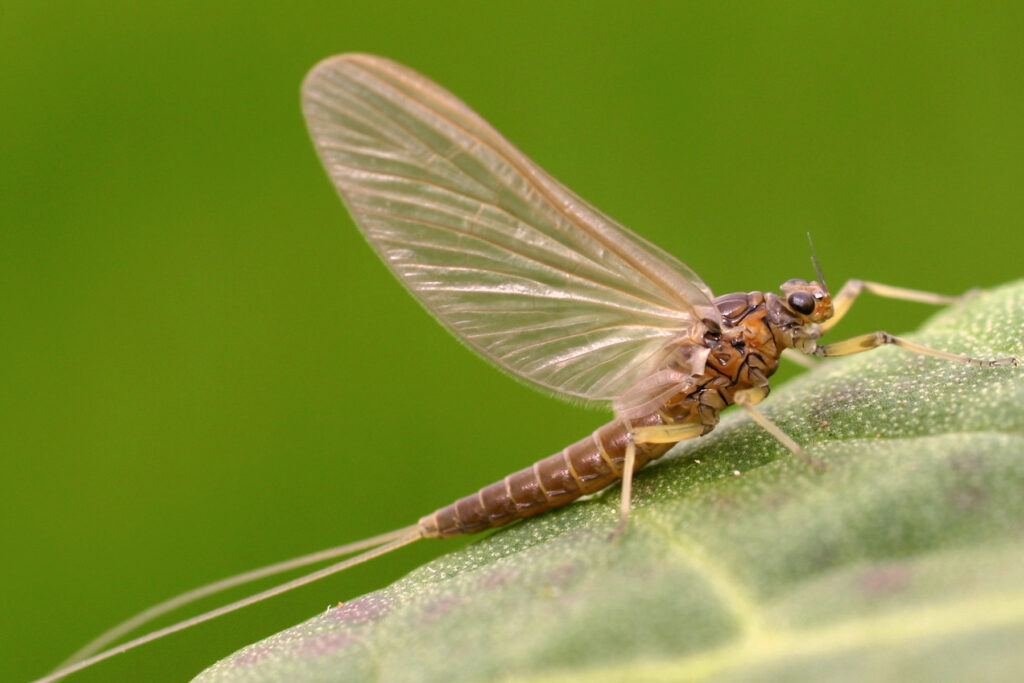
Mayflies from the order Ephemeroptera spend most of their lives underwater as nymphs. That stage can last up to two years. Then they emerge as adults with one goal. Reproduce. Some adult mayflies only live for a few hours. They don’t even have functioning mouthparts to eat. Their entire adult existence is a brief, frantic window to mate before they die. Years underwater. Hours in the air. It’s extreme.
3. Pacific salmon die after spawning.

Pacific salmon in the genus Oncorhynchus hatch in freshwater, migrate to the ocean, and grow large and strong over several years. Then they return to the exact rivers where they were born. After the exhausting upstream journey and spawning, their bodies rapidly deteriorate. They die soon after reproducing. Their nutrients then feed the ecosystem that supports the next generation. It’s dramatic and strangely efficient.
4. Some barnacles start life upside down.
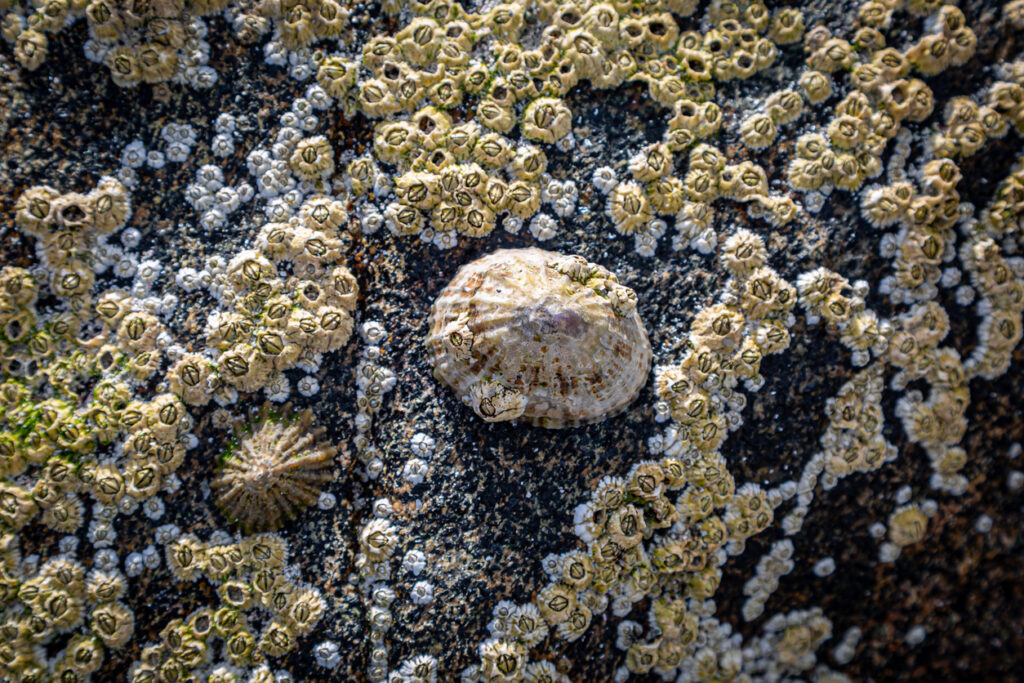
Barnacles, part of the subclass Cirripedia, begin life as free-swimming larvae that look nothing like the hard shells you see stuck to rocks. They drift through the water column like tiny plankton. When they find a suitable surface, they cement themselves headfirst onto it and undergo a complete transformation. They flip their orientation, build a shell, and live the rest of their lives glued in place. Imagine swimming freely and then deciding to permanently attach your head to a rock.
5. Some anglerfish fuse with their mates.
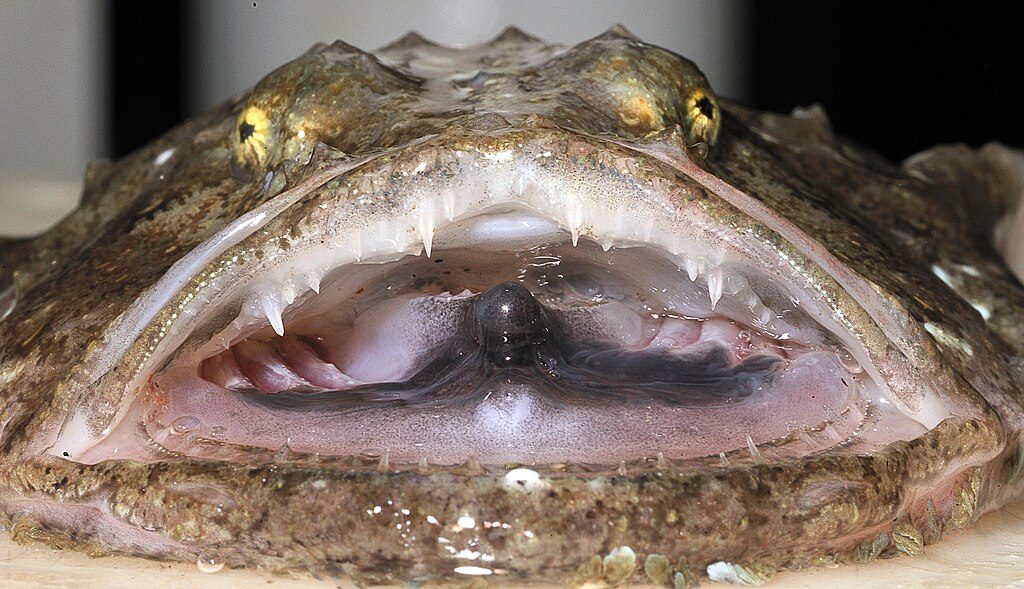
In some deep-sea anglerfish species within the family Ceratiidae, the males are tiny compared to females. When a male finds a female, he bites onto her body. Over time, his tissues fuse with hers. His circulatory system merges with hers. He loses his eyes and internal organs and becomes essentially a permanent reproductive appendage. It’s less a relationship and more a biological merger.
6. One species of cicada disappears for 17 years.
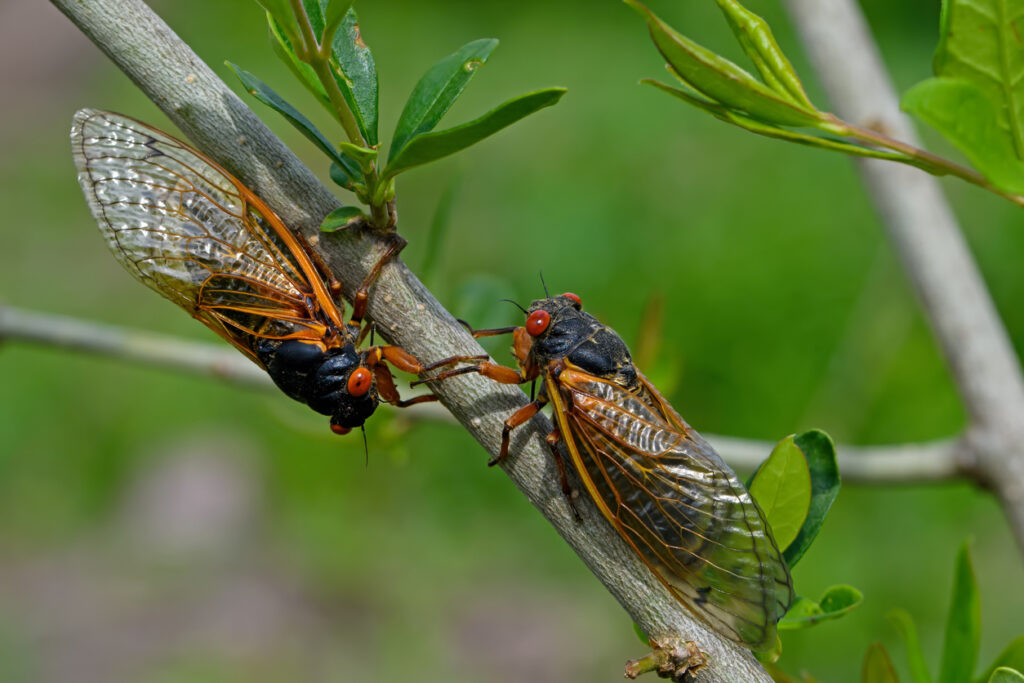
Periodical cicadas from the genus Magicicada spend 13 or 17 years underground as nymphs, feeding quietly on tree roots. Then, almost on cue, millions emerge at once. They climb, shed their skins, sing loudly, mate, lay eggs, and die within weeks. Entire forests suddenly buzz with noise after more than a decade of silence. The precision of their timing still puzzles scientists.
7. The European eel’s adult life is still partly a mystery.
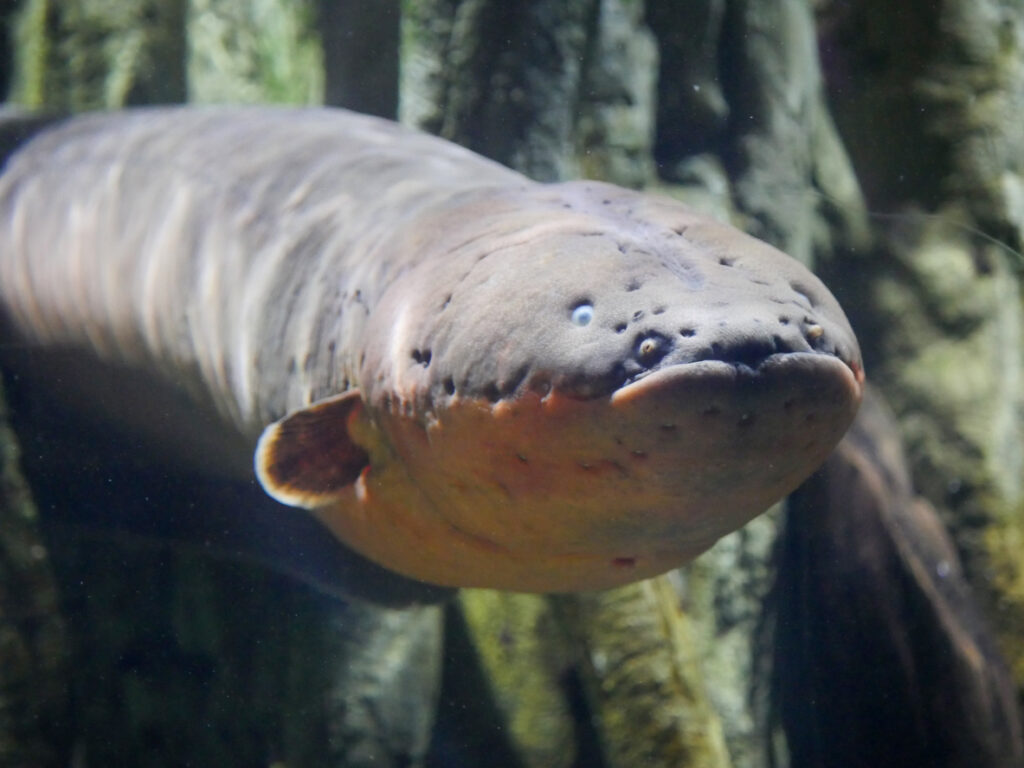
The European eel, Anguilla anguilla, begins life in the Sargasso Sea as a transparent, leaf-shaped larva called a leptocephalus. It drifts across the Atlantic before transforming into a glass eel and entering rivers. After years growing in freshwater, it undergoes another transformation into a silver eel and heads back to the ocean to spawn. For centuries, no one even knew where they reproduced. Parts of their life cycle were pure mystery.
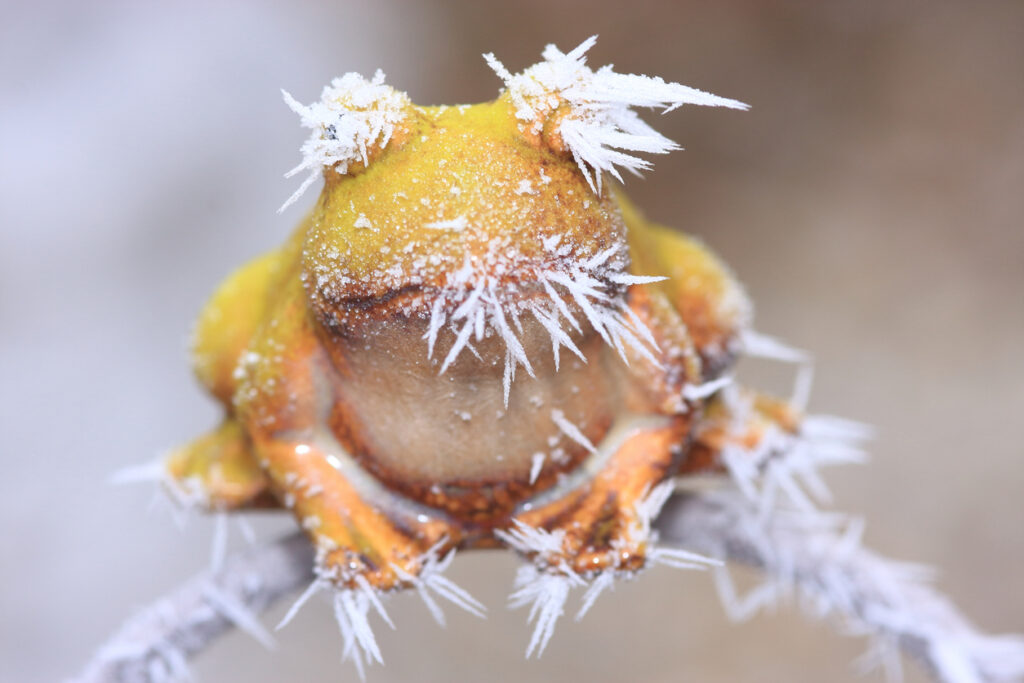
8. Wood frogs freeze solid and survive.

The wood frog, Rana sylvatica, has a winter strategy that sounds impossible. In freezing temperatures, up to two-thirds of its body water can turn to ice. Its heart stops. It stops breathing. Glucose acts as a kind of antifreeze inside its cells. When spring arrives, it thaws and resumes normal function. It’s like biological suspended animation.
9. The clownfish can change its biological sex when needed.
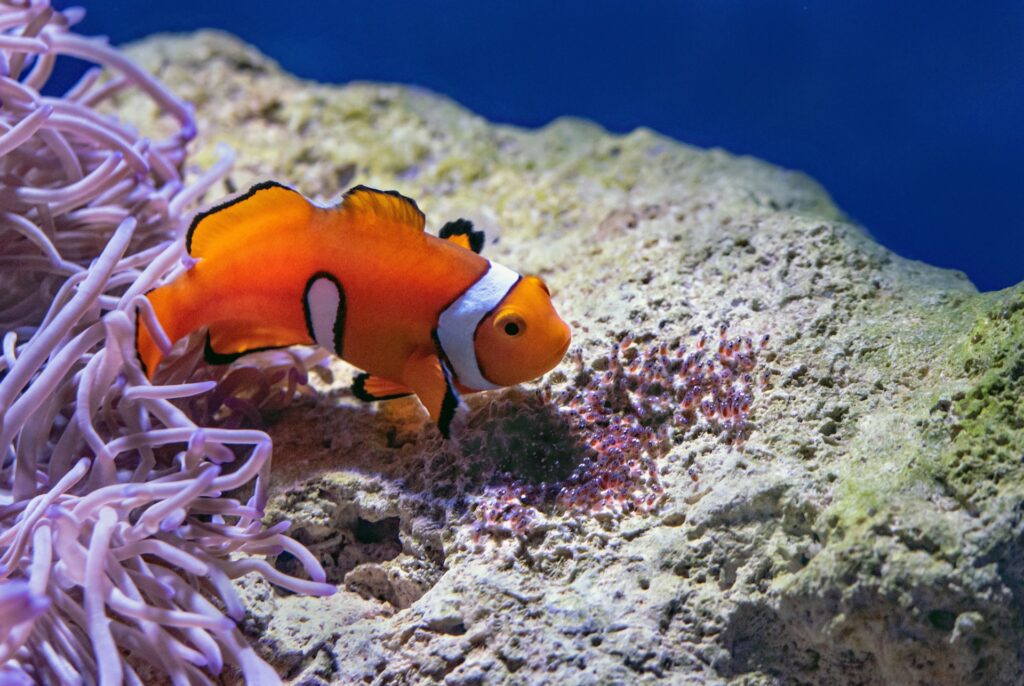
Clownfish in the subfamily Amphiprioninae live in strict hierarchies within sea anemones. The largest fish is female. The next largest is male. If the female dies, the dominant male transforms into a female. One of the smaller fish then becomes the breeding male. Their life cycle isn’t fixed at birth. It adapts to social structure.
10. One parasite needs three different hosts to complete its life.
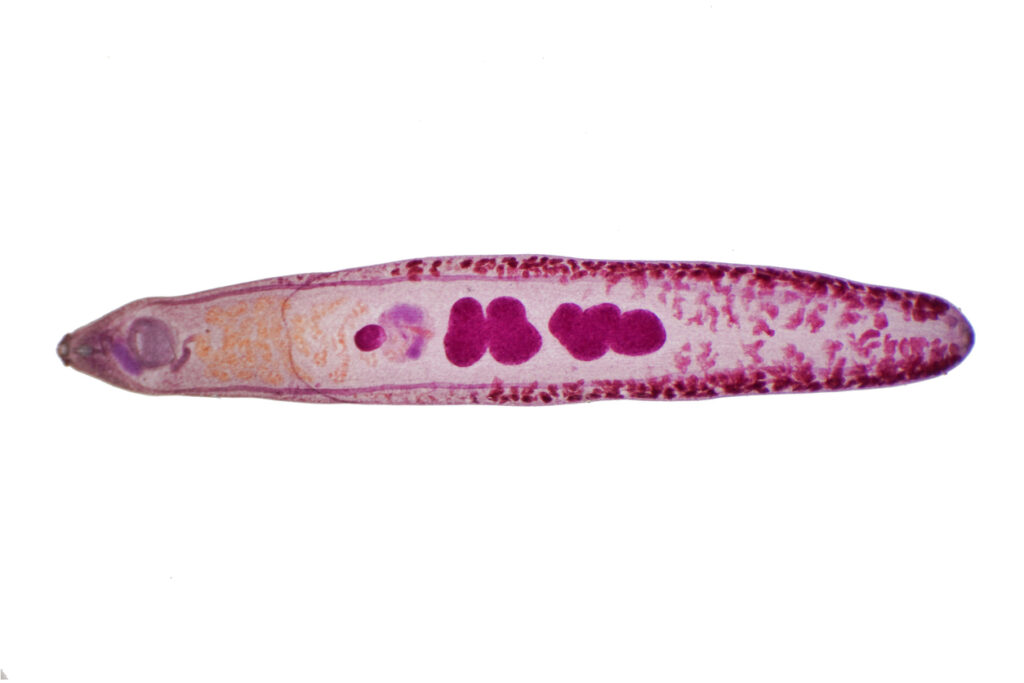
The lancet liver fluke, Dicrocoelium dendriticum, has a life cycle that reads like a horror script. It starts in a snail, then moves into an ant. It even alters the ant’s behaviour, making it climb to the top of grass blades at night, increasing the chance it will be eaten by grazing animals. Only inside that final host can it mature and reproduce. It’s a reminder that in nature, survival can look very strange indeed.