When you’re looking out the window at the local wildlife, it’s easy to think your garden is a peaceful little sanctuary.
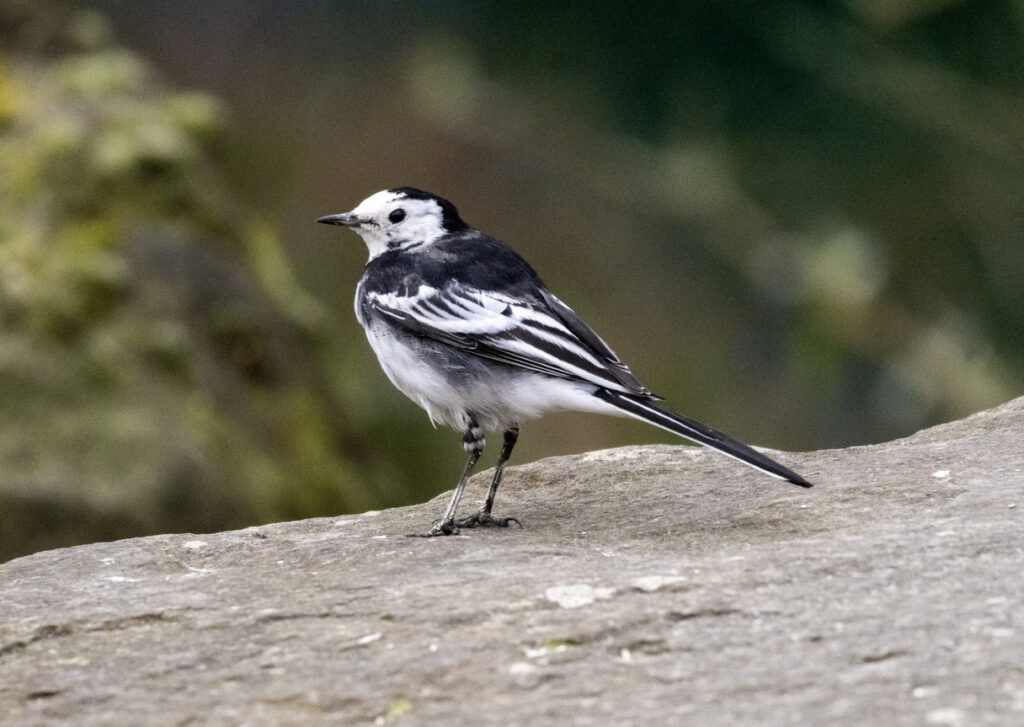
Most birds look like they haven’t got a care in the world as they hop about the lawn, but the reality is often more like a tiny, feathered version of a pub brawl. Beneath those bright colours and sweet songs, plenty of our regular garden visitors are actually incredibly territorial and surprisingly scrappy.
Whether they’re defending a prime nesting spot or just making sure nobody else touches the bird feeder, some species have a real temper on them. You might be surprised to learn that some of the most delicate-looking birds are the ones most likely to start a fight if another bird dares to land on their patch.
1. The robin is a territorial tyrant in a red waistcoat.
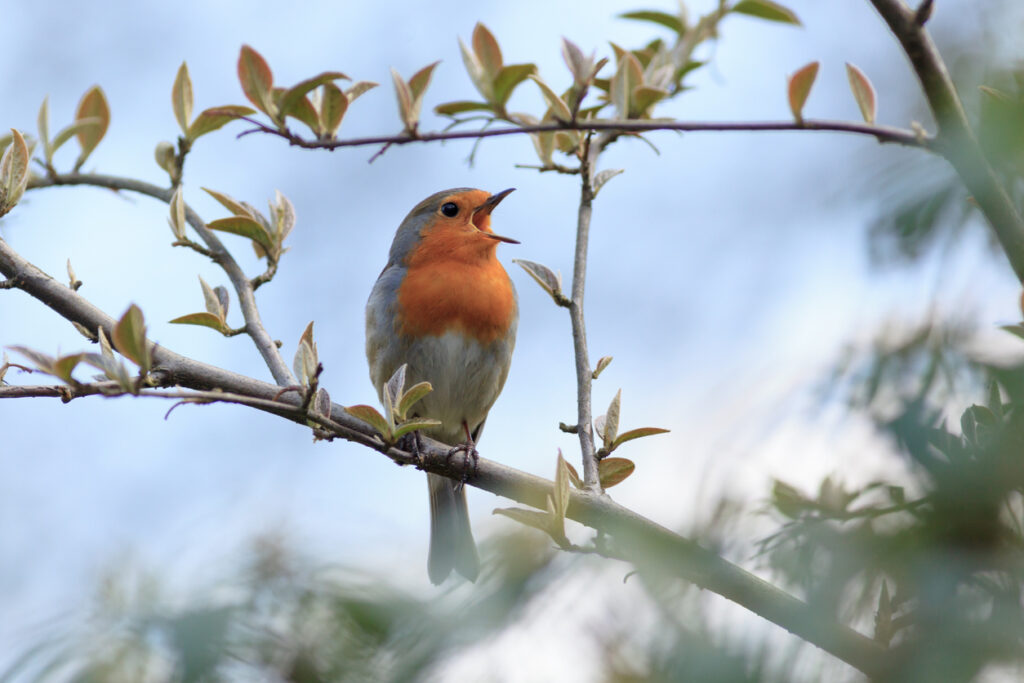
Robins have built an entire national reputation on looking cheerful and approachable, which makes it all the more startling to learn that they’re among the most aggressively territorial birds in the British garden. They’ll fight other robins to the death over patch boundaries, and the singing that sounds so pleasant from indoors is essentially a continuous warning to rivals to stay away.
Male robins will attack their own reflection in a car wing mirror with genuine fury, and the friendliness they show towards gardeners is largely opportunistic rather than affectionate. They want the worms your spade turns up, not your company.
2. Dunnocks have a complicated and surprisingly brutal social life.
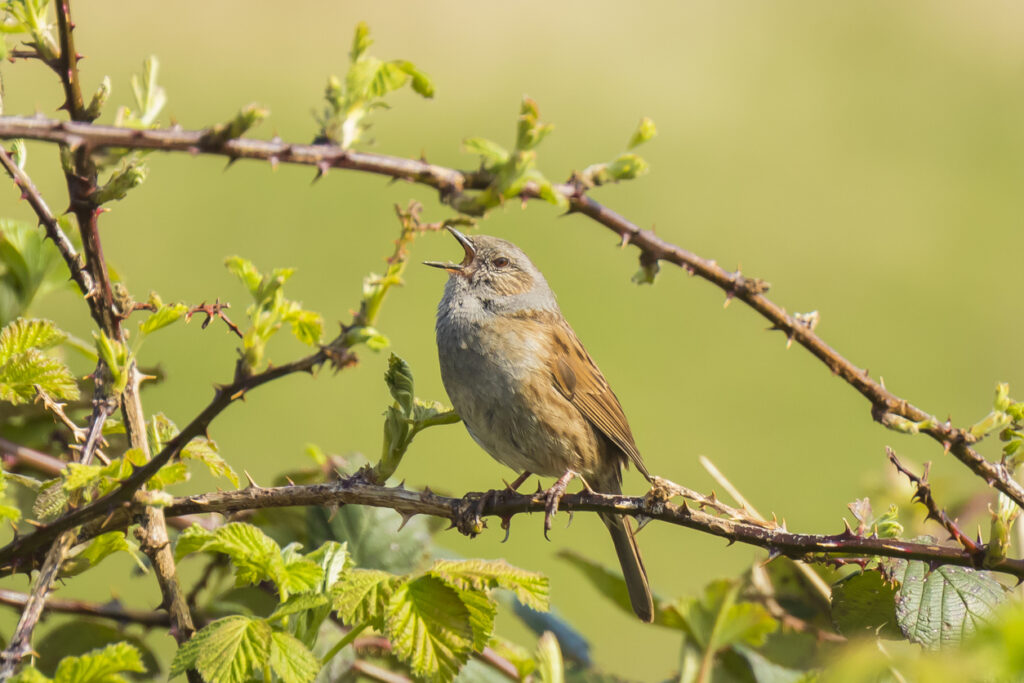
The dunnock shuffles around under hedges looking so quietly unremarkable that most people barely register it, but its social arrangements involve a level of conflict and competition that would raise eyebrows in any species. Males compete intensely for access to females, and females often mate with multiple males simultaneously while those males fight constantly to establish dominance.
The aggression rarely looks dramatic because dunnocks are small and brown and easy to overlook, but the tension running through a group of them around a garden hedge is persistent and real.
3. The wren punches well above its weight when defending territory.
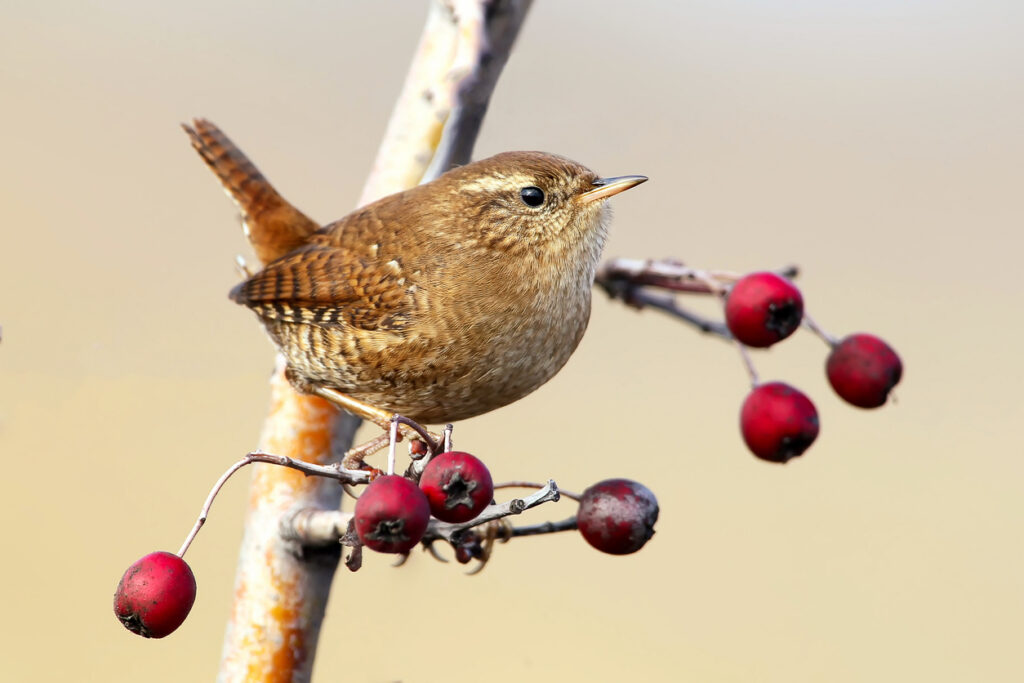
Wrens are among the smallest birds in the British garden, and they behave as though they haven’t been informed of this. They sing at a volume that seems physically impossible given their size, and that song is an aggressive territorial declaration delivered with what can only be described as indignation.
They’ll chase other small birds away from favoured foraging spots and hold their ground against birds considerably larger than themselves, cocking their tail upright in a posture that somehow manages to convey genuine menace despite the bird being roughly the size of a large grape.
4. Blackbirds are relentless when nesting season comes around.
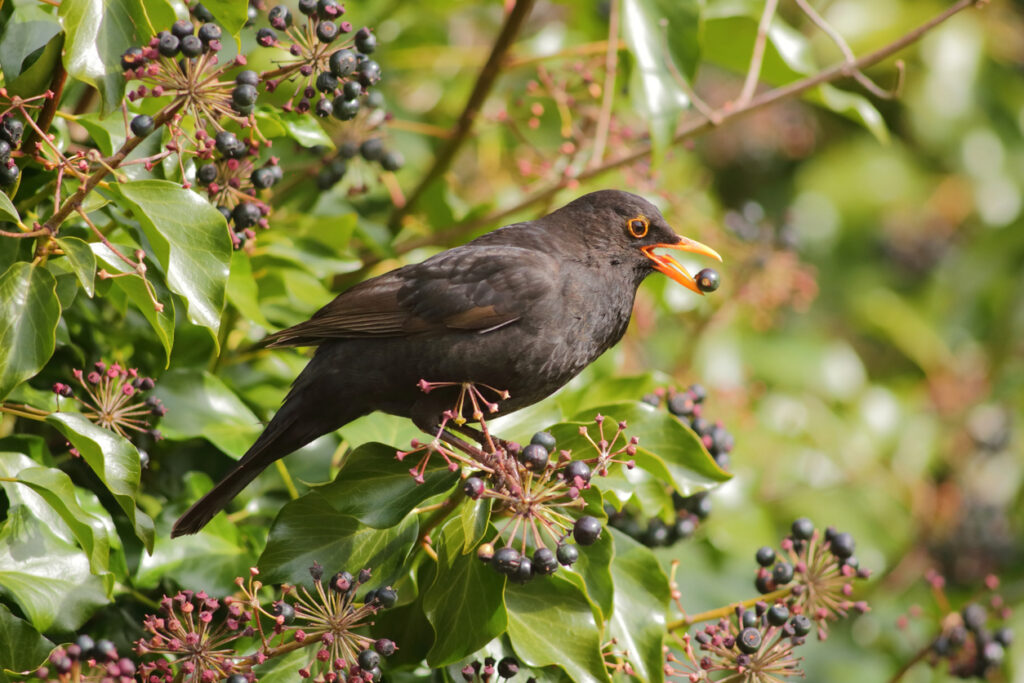
For most of the year a blackbird seems perfectly reasonable, but once nesting gets underway the male becomes a different proposition entirely. He’ll chase cats, other blackbirds, and anything else that comes near the nest site with a persistence that can last for weeks and a level of commitment that genuinely startles people who weren’t expecting it.
The alarm call they produce, that loud rattling tchink repeated rapidly, is designed to advertise the threat and recruit other birds into mobbing behaviour, and it works. A blackbird in full defensive mode can make a surprising amount of social chaos in a garden.
5. Starlings are essentially organised criminals at the bird feeder.
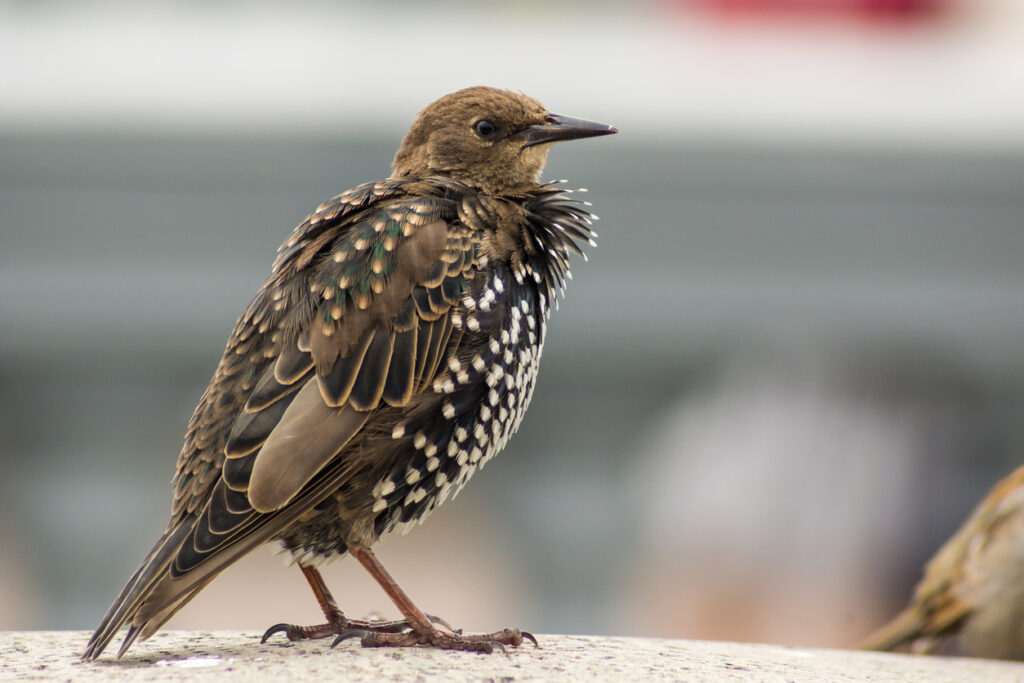
A single starling at a feeder is manageable. A group of starlings, which is how they almost always arrive, operates as a coordinated displacement force that can empty a feeder and drive off every other species in minutes. They’re loud, pushy, and completely unbothered by the presence of larger birds, and they use their numbers deliberately to overwhelm rather than compete individually.
Sparrows and finches that had been quietly feeding will simply scatter when starlings land, and the starlings will consume everything available before moving on as suddenly as they arrived.
6. Parus major are small, colourful, and genuinely intimidating to other birds.
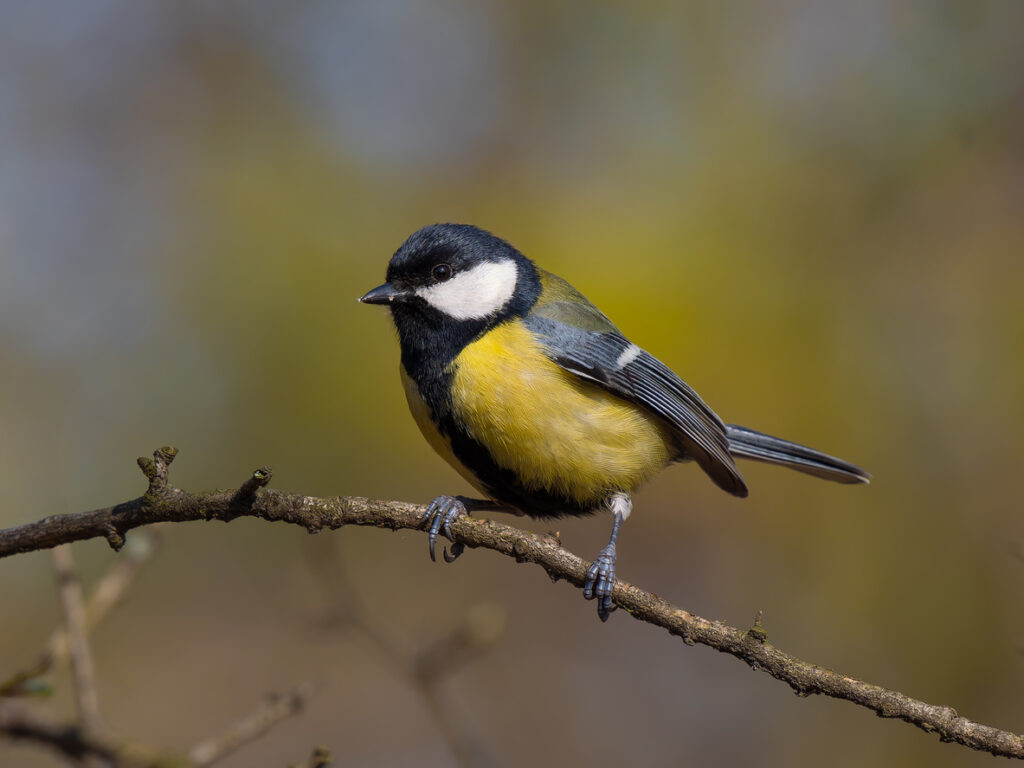
Parus major are the largest of the common garden birds, and they use that size advantage with confidence, routinely displacing Cyanistes caeruleus, and other smaller species from feeders and nest boxes. Research has found that these birds in some populations have developed a habit of entering bat roosts and killing hibernating bats to eat them, which gives some context to the kind of species you’re actually dealing with beneath the cheerful yellow and green exterior. At the feeder they establish a clear dominance hierarchy and enforce it consistently.
7. Magpies are intelligent, strategic, and merciless during nesting season.
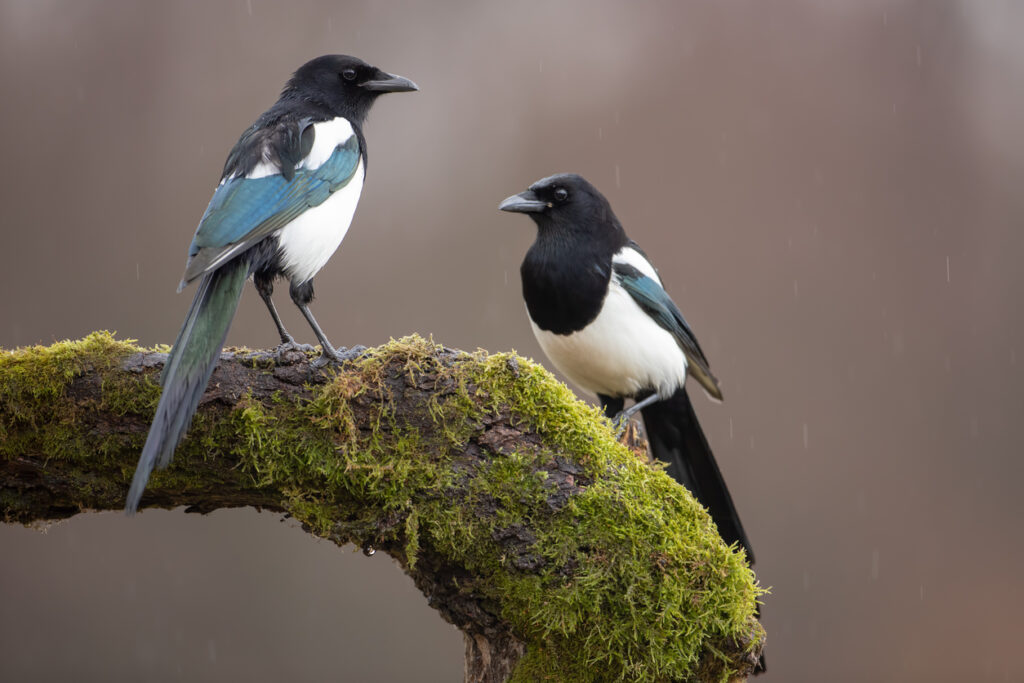
Magpies are well known for raiding the nests of other birds, taking eggs and chicks, but what’s less appreciated is the methodical and persistent way they go about it. They’ll watch a nesting bird for days to establish the location, wait for the right moment, and return repeatedly if the first attempt fails.
Other garden birds recognise them as a serious threat and mob them aggressively when they appear, which tells you something about how they’re regarded by the rest of the garden’s residents. They’re also bold enough around humans to take food directly from hands or outdoor tables without much hesitation.
8. House sparrows are scrappy, noisy, and surprisingly combative with each other.
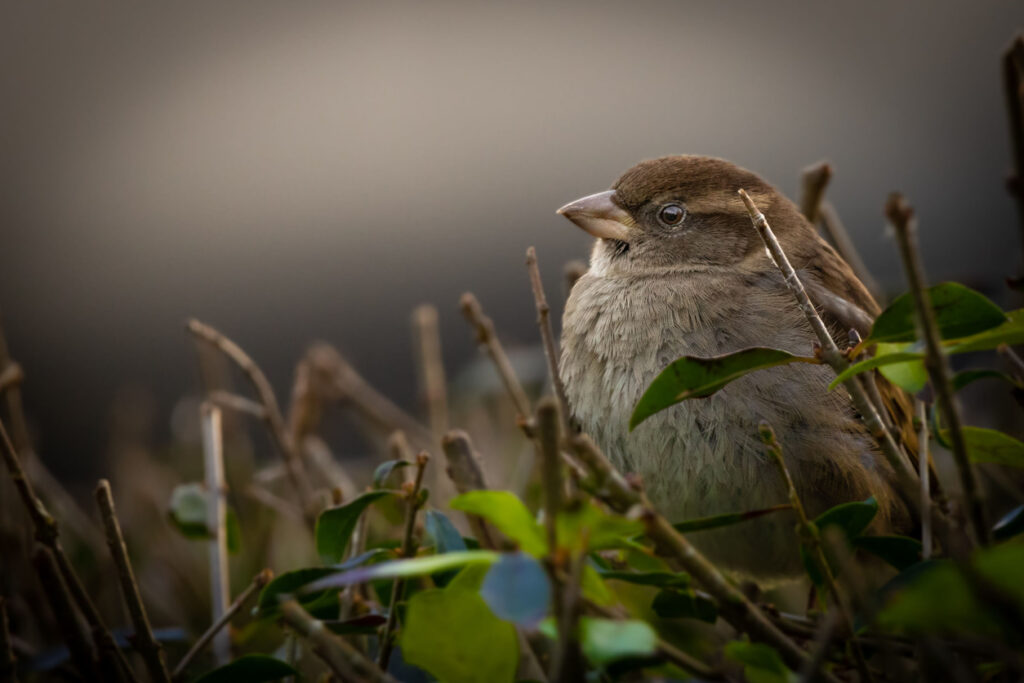
Sparrow flocks in gardens look sociable from a distance, but up close they’re constantly squabbling, chasing each other from perches, and establishing a pecking order that requires ongoing maintenance and enforcement. Males compete loudly and physically for females, for food, and for roosting spots, and the noise a group of sparrows generates in a dense hedge is substantially less peaceful than it appears from the other side of a garden fence. They’ll also aggressively defend nest holes from other species and from each other, sometimes fighting inside the cavity.
9. Jackdaws bully larger birds and take what they want.

Jackdaws are sociable within their own group and will cooperate to mob potential threats, but towards other species they’re straightforwardly dominant and know it. They’ll displace rooks and pigeons from food sources despite being smaller, using confidence and persistence where size doesn’t give them the advantage.
They’re also opportunistic enough to steal food directly from other birds mid-feed, and their intelligence means they quickly learn which gardens have reliable food sources and which people are likely to challenge them. Once jackdaws have decided your garden is worth visiting regularly, discouraging them takes considerably more effort than most people expect.
10. The pied wagtail defends feeding territories with surprising ferocity.
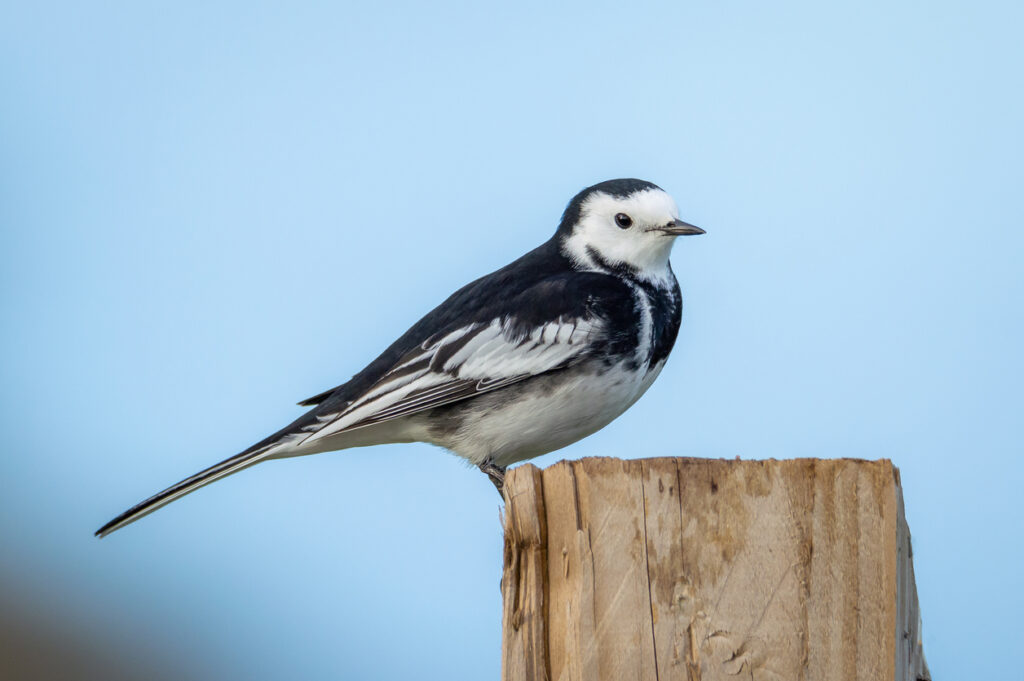
Pied wagtails look like something designed purely for aesthetic pleasure, dapper little birds bobbing and wagging along pavements and lawns, but they hold and defend winter feeding territories with a seriousness that belies the charming appearance.
Individual birds will spend a significant proportion of their day patrolling boundaries and chasing off intruders, and the energy cost of that defence means they’ve calculated it’s genuinely worth the effort to keep rivals away from their patch. Watching one pursue another across a car park with complete determination is one of those small moments that reminds you that the natural world is conducting its own serious business regardless of how decorative it happens to look from the outside.