Some animals look like nature was experimenting and just decided to leave it, and the bat-eared fox is one of those creatures.

You see the ears first. They’re huge. Wide, upright, almost comically oversized for such a slim little body. It looks like it’s permanently tuned into a frequency the rest of us can’t hear, but once you spend a bit of time learning about it, you realise those ears aren’t a gimmick—they’re the whole point. This fox is perfectly designed for the life it lives. Every part of it, from those dish-like ears to its teeth and social habits, makes sense once you understand the environment it survives in.
Its ears are ridiculously big for a reason.

The bat-eared fox’s ears can grow up to around 13 centimetres long, which is massive when you look at its small frame. On a body that only weighs a few kilos, they look almost exaggerated, like someone scaled them up by mistake. However, that size is exactly what keeps it alive. Those ears act like satellite dishes, picking up faint movements underground. They don’t just help it hear predators. They help it detect tiny prey long before it’s visible.
It’s not your typical meat-eating fox.

When most people think of foxes, they picture hunting rabbits or small mammals. The bat-eared fox does something different. Its main food source is insects, especially termites. Instead of stalking larger prey, it spends hours moving slowly across the grasslands, head tilted, ears twitching, listening for termite colonies. It can eat thousands in a single night. It’s less of a dramatic hunter and more of a careful listener.
Those ears can move independently.
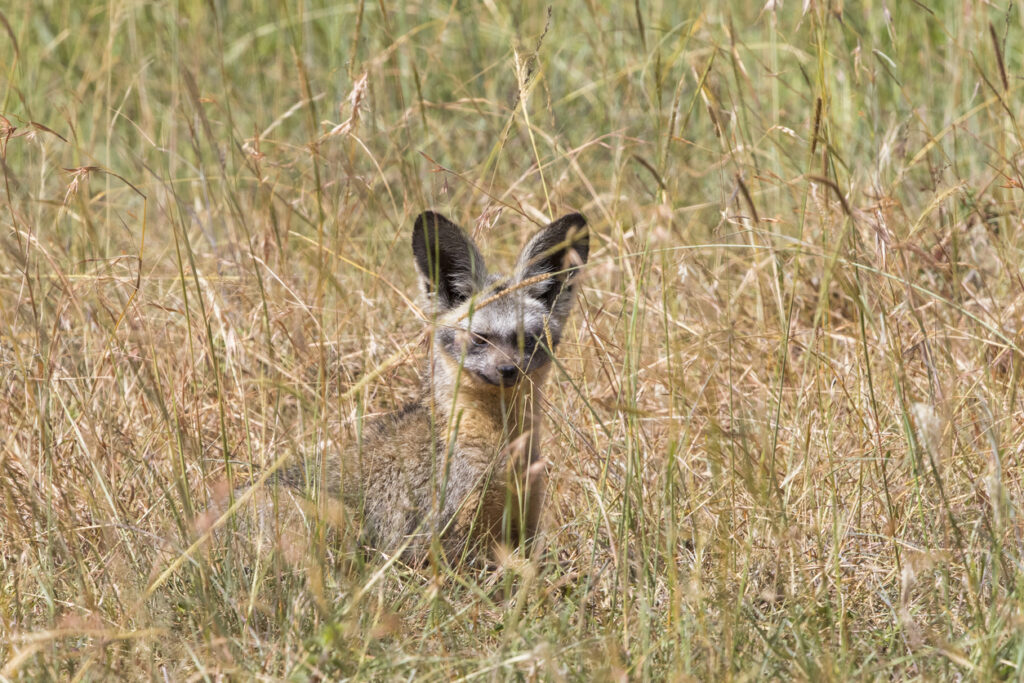
Each ear can swivel on its own, which gives the fox impressive sound direction. It can lock onto movement in one direction while still monitoring another. In open savannas where cover is limited, that kind of awareness is priceless. Hearing danger or dinner even a few seconds earlier can make the difference between eating and being eaten.
The ears also help it stay cool.

The African grasslands can get brutally hot. Those oversized ears are filled with blood vessels that release heat into the air—think of them as built-in cooling panels. That means the fox can stay active in temperatures that would overheat many animals. The ears aren’t just about sound. They’re part of its survival toolkit.
It has more teeth than most foxes.
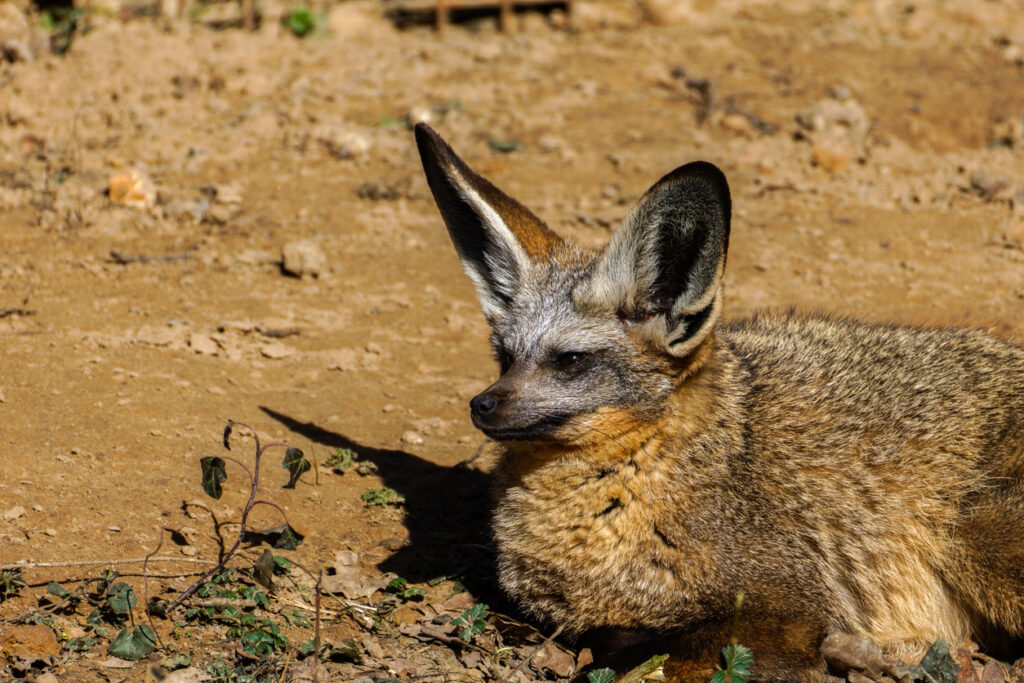
Bat-eared foxes have up to 50 teeth, which is more than most other members of the dog family. The extra molars are perfect for crushing insects efficiently. When your diet is mostly small, crunchy prey, dental design matters. This fox isn’t built for tearing large animals apart. It’s built for grinding down thousands of tiny bodies quickly.
It thrives in open, dry landscapes.

You’ll find bat-eared foxes mainly in eastern and southern Africa, especially in savannas and grasslands. They avoid thick forests where visibility is low. Open land suits their strengths. They rely on sight and hearing more than ambush. In wide spaces, they can spot movement and react early.
It’s smaller than its ears suggest.
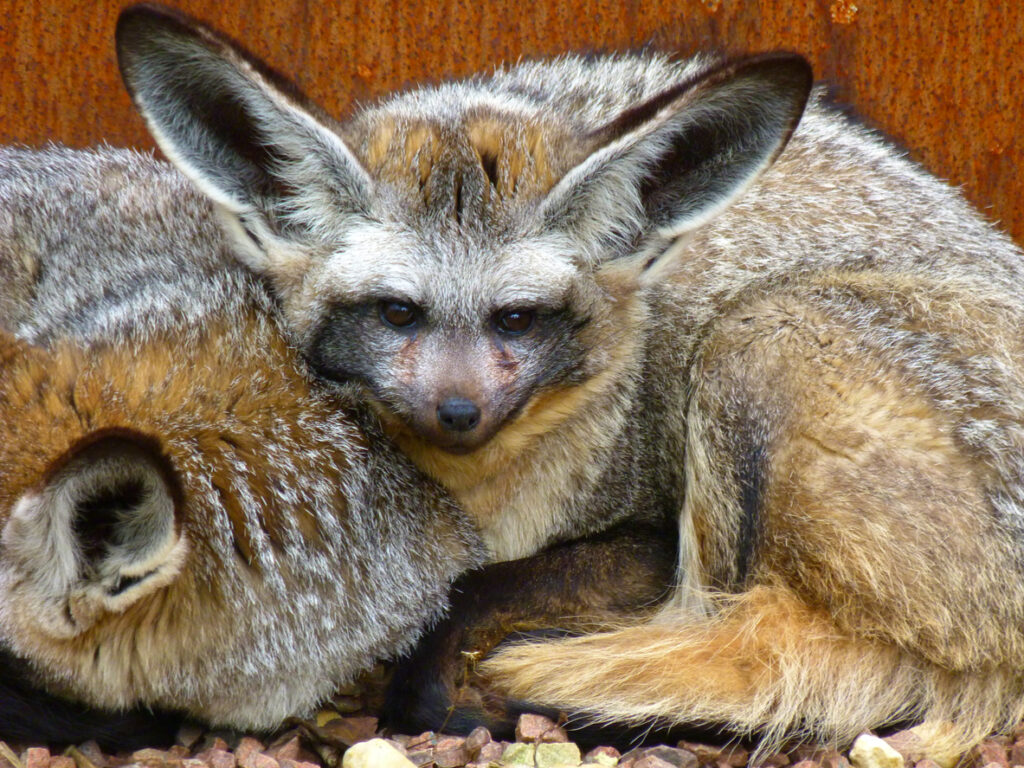
Despite the dramatic silhouette, the body itself is compact and lightweight. Most adults weigh between 3 and 5 kilograms. Without the ears, it would look surprisingly delicate. That light build helps it move quickly and efficiently over large areas while foraging. The design is balanced. Big listening equipment, small agile body.
It often lives in small family groups.

Unlike some fox species that prefer solitude, bat-eared foxes often form pairs or small family units. Both parents take part in raising pups. Males are particularly involved. They guard the den, groom the young and even play with them while the female feeds. It’s a cooperative setup that increases survival in tough environments.
It’s mostly active at night.

To avoid the worst heat of the day, bat-eared foxes are usually nocturnal. They emerge at dusk and spend the cooler hours hunting termites. In darkness, hearing becomes even more important. Those ears are doing constant work while the fox moves quietly through the grass.
It avoids conflict whenever possible.

This fox isn’t built for physical fights with large predators. Its main strategy is awareness and escape: Detect early, leave fast. That’s where the ears earn their keep again. By hearing threats before they get too close, the fox can slip away without confrontation.
Its markings help break up its shape.

The bat-eared fox has a pale sandy coat with darker patches around the eyes and muzzle. The colouring helps it blend into dry grass and dusty soil. In open landscapes, subtle camouflage matters. Even with giant ears, the rest of its body can melt into the background if it stays still.
It’s a reminder that survival isn’t about size.
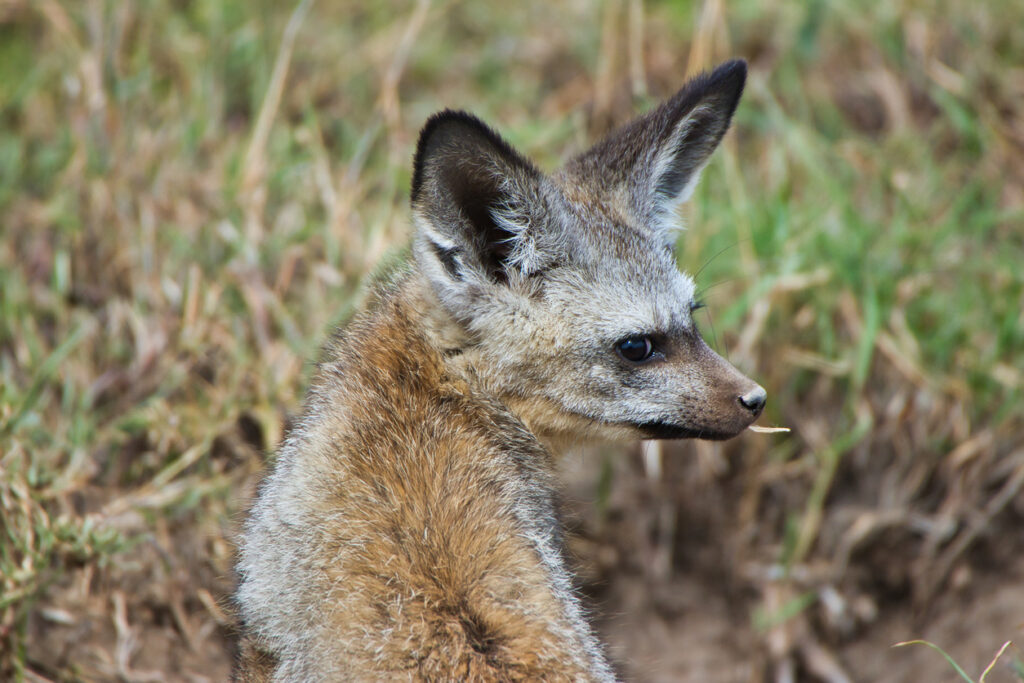
There are bigger predators in Africa. Faster ones. Stronger ones. The bat-eared fox survives by specialising instead of competing head-on. By focusing on insects and developing tools perfectly suited for that niche, it carved out its own space. It doesn’t need to overpower the savanna. It just needs to listen carefully.