When we think of birds, we usually imagine something light enough to flit between branches, but the heavyweights of the avian world have taken a completely different path.
These massive creatures have largely ditched the ability to fly in exchange for sheer size and power, evolving into feathered tanks that can hold their own against ground predators. From the towering heights of an ostrich to the dense, muscular build of a cassowary, these birds prove that you don’t need wings to be the most intimidating thing in the landscape.
It’s a bit of a shock to realise that some of these species weigh more than two grown men, yet they still share the same DNA as the tiny robin in your garden. Seeing the scale of these birds up close is a proper reminder that nature isn’t always about being delicate; sometimes, it’s just about being the biggest and toughest thing on two legs.
1. The common ostrich is the undisputed heavyweight champion.

The Common ostrich is officially the largest living bird on the planet. Males can stand up to 2.7 metres tall and weigh around 150 kilograms. That’s taller than many people and heavier than a full-grown panda. They can’t fly, but they don’t need to. Their legs are long, muscular, and built for speed.
Ostriches can sprint at around 70 kilometres per hour, which makes them one of the fastest animals on two legs. They also lay the largest eggs of any bird species. Found across parts of Africa, they survive in harsh, dry landscapes by relying on strong eyesight and powerful kicks that can easily scare off predators.
2. The Somali ostrich rivals its cousin in size.
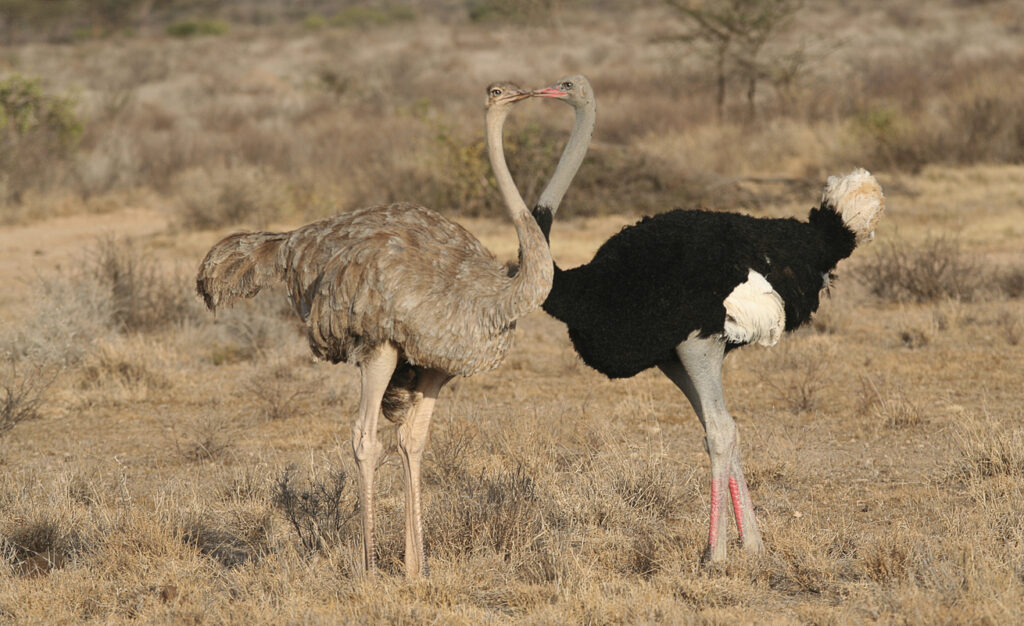
The Somali ostrich looks similar to the common ostrich but has a distinctive blue neck and thighs, especially in males. It grows nearly as tall and heavy as its more famous relative, and can reach similar speeds across open ground.
It was once considered just a subspecies but is now recognised as its own species. Native to the Horn of Africa, it shares the same flightless lifestyle and powerful build. When you see one standing upright, it feels less like a bird and more like something from another era.
3. The southern cassowary looks like a dinosaur.
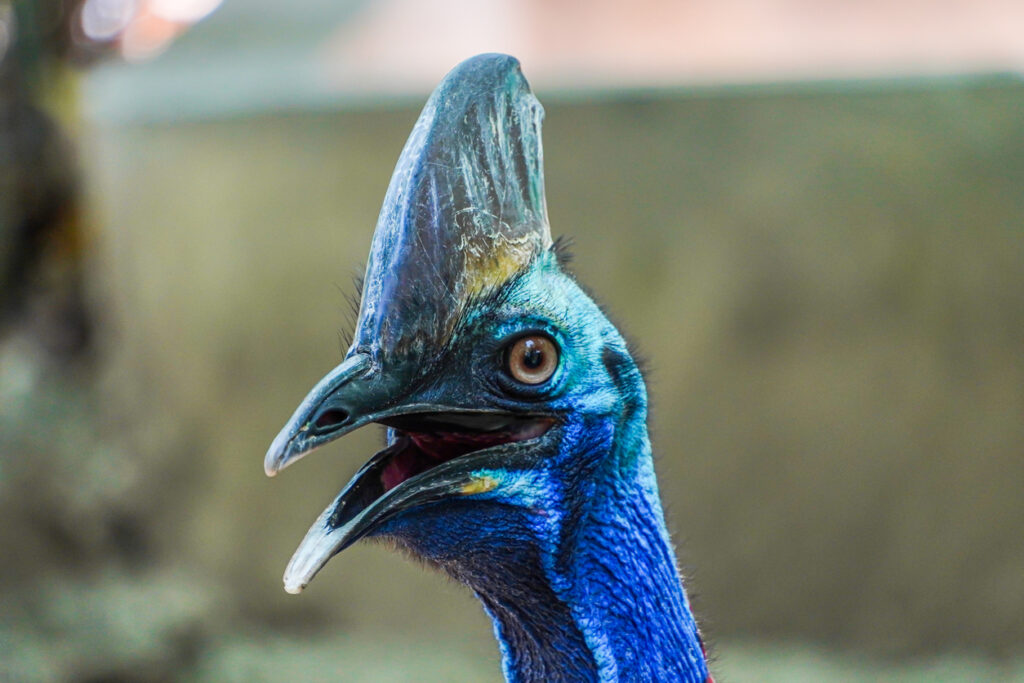
The Southern cassowary is often called the most dangerous bird in the world. It can stand up to 1.8 metres tall and weigh around 60 kilograms. With its glossy black feathers, bright blue neck, and helmet-like casque on its head, it genuinely looks prehistoric.
Cassowaries live in the rainforests of northern Australia and New Guinea. They’re strong runners and excellent jumpers, and they have a dagger-like claw on each foot that can cause serious injury if threatened. Despite their fearsome reputation, they mostly keep to themselves and prefer to avoid humans.
4. The emu is Australia’s giant runner.
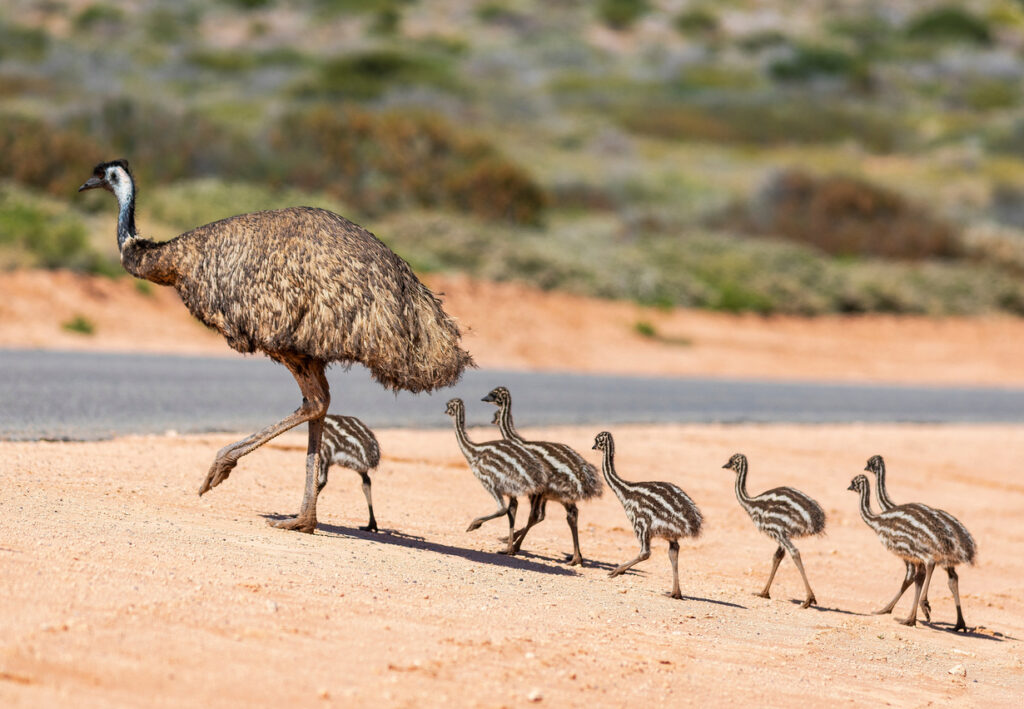
The Emu is the second-tallest bird in the world after the ostrich. It can reach around 1.9 metres in height and weigh up to 45 kilograms. Like its larger cousin, it can’t fly but makes up for that with strong legs built for covering long distances.
Emus are native to Australia and can be found in a range of habitats, from grasslands to forests. They’re surprisingly adaptable and can travel great distances in search of food and water. Watching an emu run at full speed is a reminder that flight isn’t the only way to dominate the landscape.
5. The greater rhea is South America’s giant.
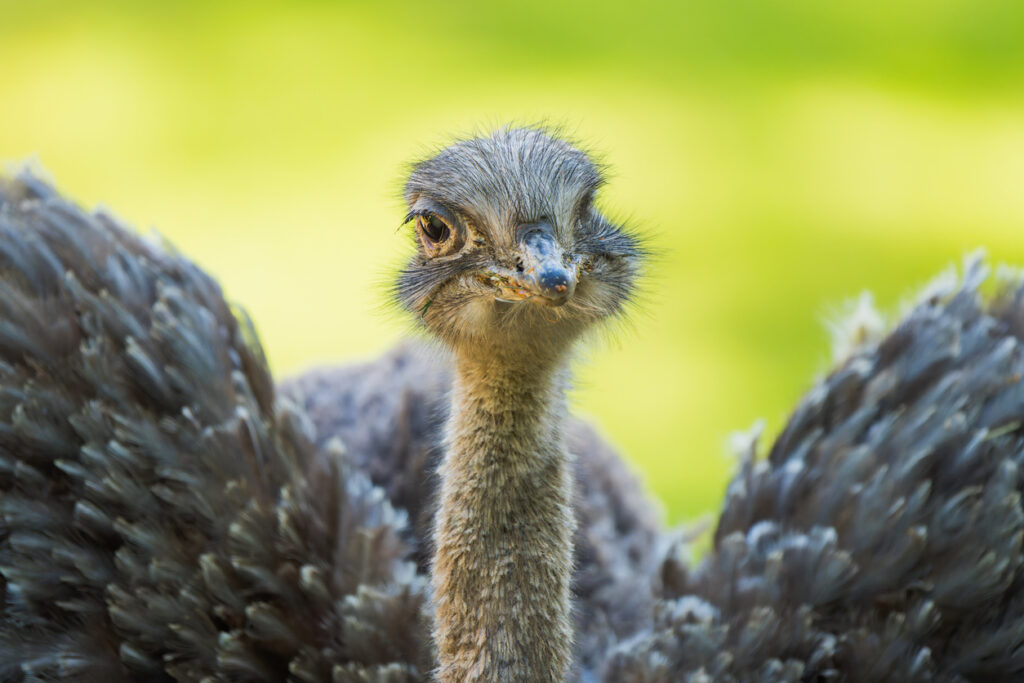
The Greater rhea might look like a smaller ostrich at first glance, but it still reaches about 1.7 metres tall and can weigh over 30 kilograms. Native to South America, it roams open grasslands and savannah-like areas.
Rheas are also flightless, relying on speed to escape danger. They have large wings, but instead of using them to fly, they use them to balance while running and turning sharply. Males are known for building nests and caring for large groups of chicks, which makes them stand out in the bird world.
6. The wandering albatross has the widest wingspan.
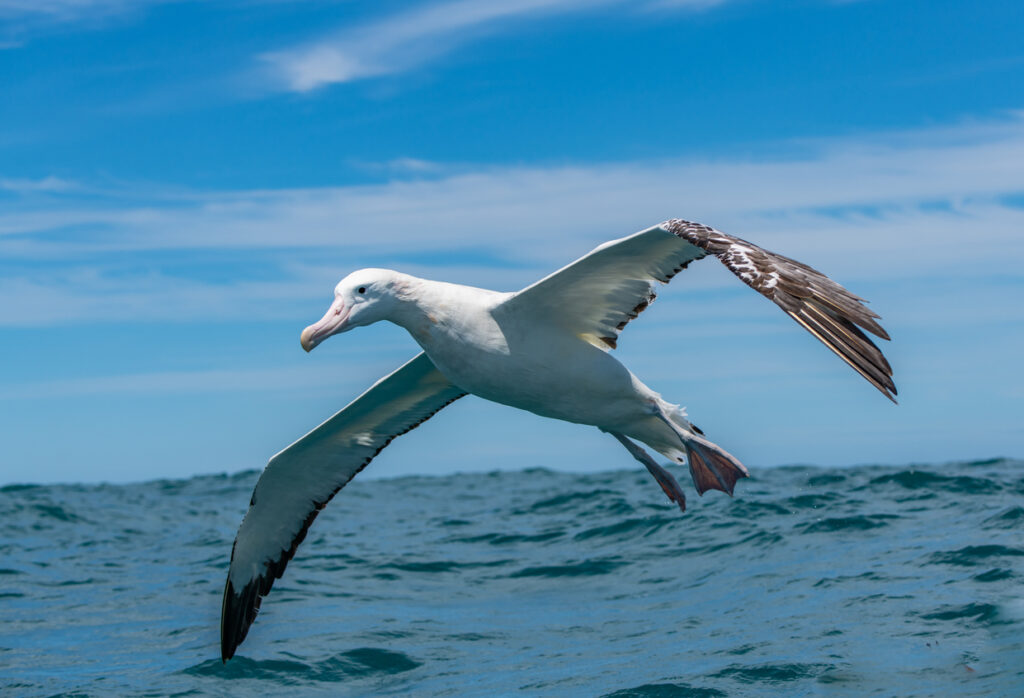
The wandering albatross isn’t the heaviest bird, but it holds the record for the largest wingspan of any living bird. Its wings can stretch up to 3.5 metres from tip to tip. That’s wider than most small cars.
These seabirds spend most of their lives soaring over the Southern Ocean. They can glide for hours without flapping much at all, using wind currents to travel vast distances. Seeing one in flight is almost hypnotic because the wings barely seem to move as it rides the air.
7. The Andean condor dominates the skies of South America.
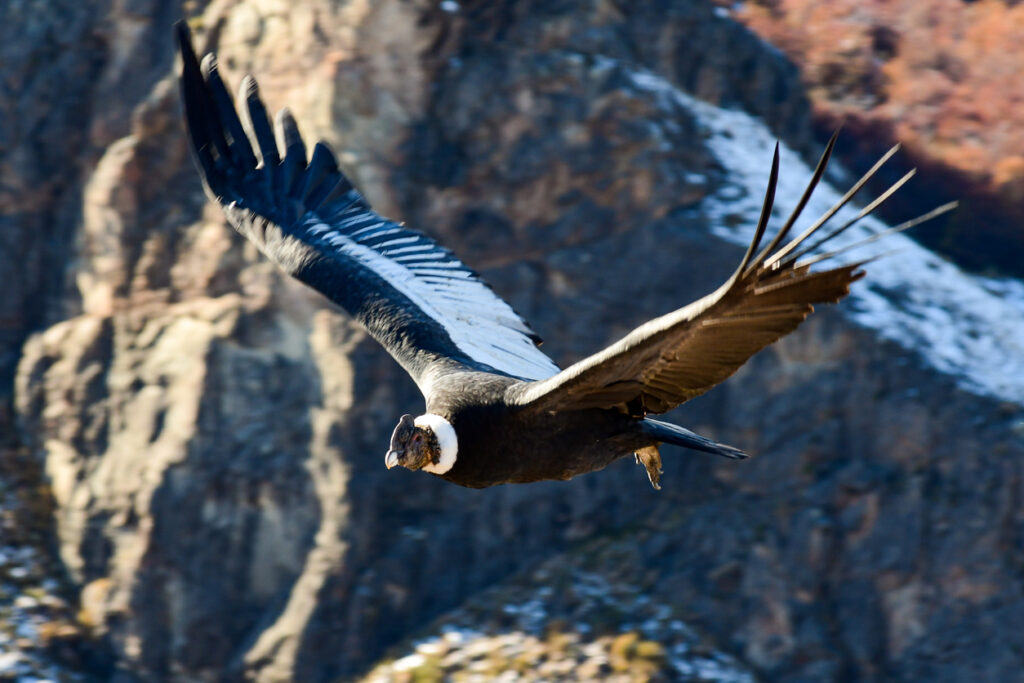
The Andean condor is one of the heaviest flying birds in the world. It can weigh up to 15 kilograms and has a wingspan of around 3.3 metres. With its bald head and massive wings, it looks both elegant and slightly intimidating.
Condors soar high above the Andes Mountains, using thermal currents to stay aloft for long periods. They’re scavengers, feeding on carrion, and play an important role in keeping ecosystems clean. In many Andean cultures, the condor is a powerful symbol of strength and freedom.
8. The Dalmatian pelican is the largest of the pelicans.
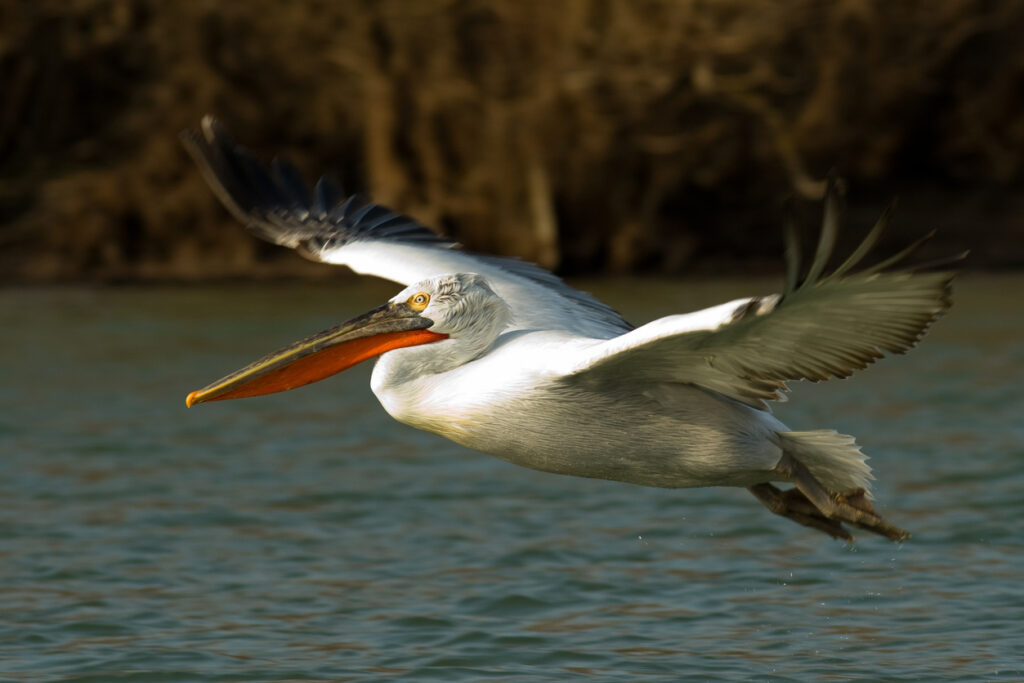
The Dalmatian pelican is the largest pelican species and one of the heaviest flying birds. It can weigh up to 15 kilograms and has a wingspan of around 3.2 metres. Its curly nape feathers and large orange pouch make it easy to recognise.
Dalmatian pelicans live in wetlands across parts of Europe and Asia. Despite their size, they’re graceful in flight and often travel in loose groups. Watching them take off from the water is impressive because it takes a running start and several powerful wingbeats before they fully lift off.
9. The trumpeter swan is North America’s giant waterfowl.

The Trumpeter swan is the largest native bird in North America by weight. It can weigh up to 14 kilograms and has a wingspan of about 2.5 metres. Its all white feathers and long black bill give it a striking look.
These swans are known for their deep, trumpet-like calls that carry across lakes and wetlands. After nearly disappearing due to hunting, conservation efforts have helped their numbers recover. Seeing a pair glide across still water feels calm, but when they take off, you quickly realise just how powerful those wings are.
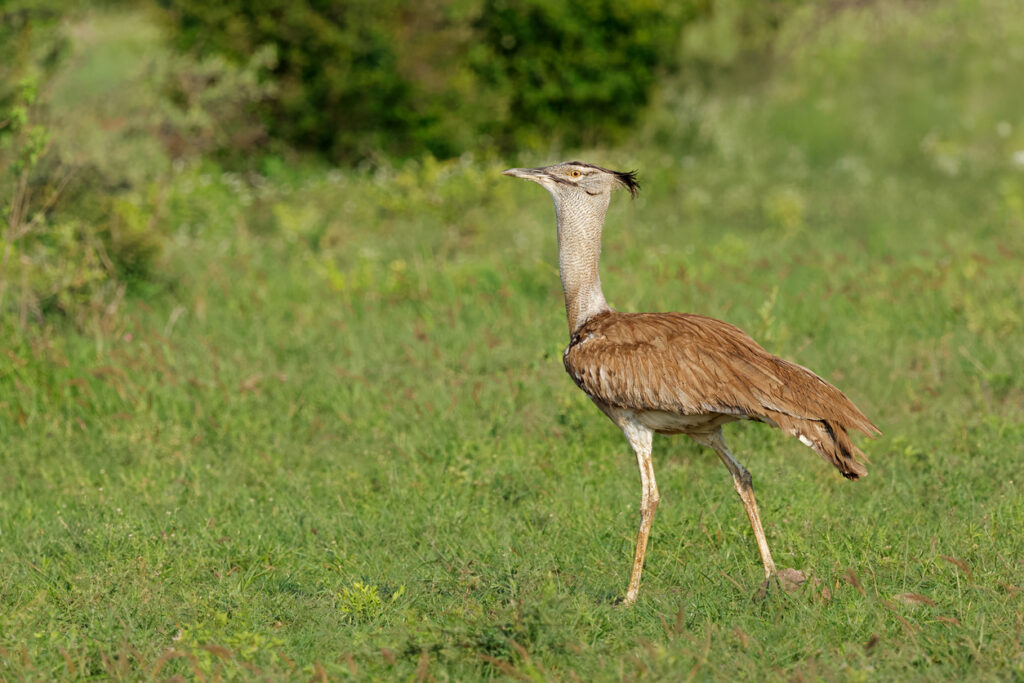
10. The kori bustard may be the heaviest flying bird.
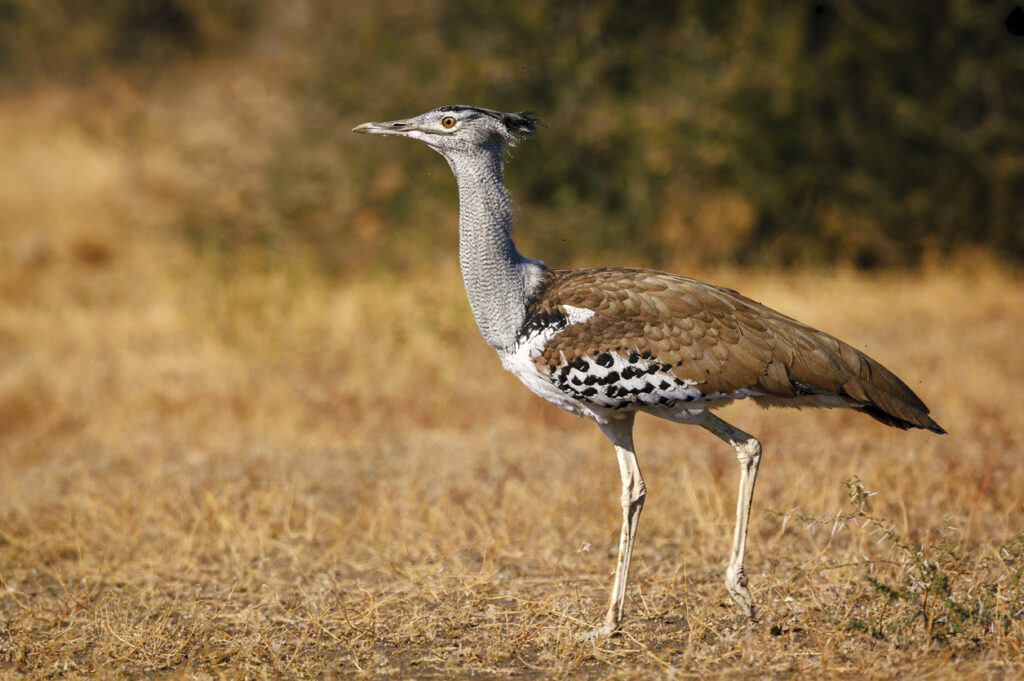
The Kori bustard is often considered the heaviest bird capable of flight. Large males can weigh close to 18 kilograms. That’s pretty astonishing when you consider that they can still get airborne, even if it looks like hard work.
Kori bustards live in eastern and southern Africa. They spend much of their time walking through grasslands, feeding on insects, small animals, and plant matter. When they finally lift off, it takes a strong push and steady wingbeats, but they prove that even the bulkiest birds can still take to the sky.
From towering runners to ocean gliders, the world’s largest birds show that size comes in different forms. Some traded flight for speed and strength, while others perfected the art of soaring across entire oceans. Either way, they remind us that birds are far more varied and impressive than most of us realise.