The idea that you’re safe and sound just because you’ve shut the front door is a bit of a myth when it comes to the animal kingdom.
Plenty of creatures don’t need a line of sight to know exactly where you’re sitting or how fast your heart is beating. To them, a brick wall or a wooden floor isn’t a barrier; it’s just a medium that carries the heat, vibrations, or electric signals you’re constantly putting out.
Whether it’s a predator tracking your footsteps from the garden or a tiny pest that’s been watching your every move from inside the cavity wall, these animals are using sensory tech that makes our best home security systems look like toys.
1. Bats use echolocation to map everything around them.
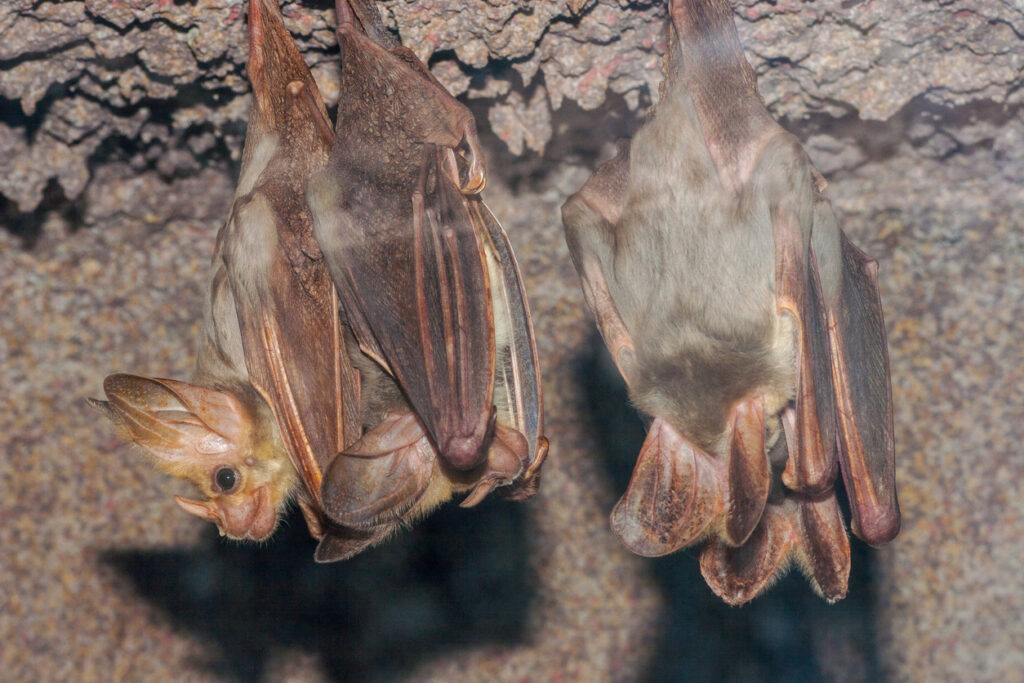
Bats send out high-frequency sound waves that bounce off objects and return to their ears, creating a detailed sound picture of their surroundings. These sounds can penetrate thin walls and barriers, so a bat outside your house can detect movement inside through windows and gaps.
They’re not seeing you in the traditional sense, they’re hearing the echoes of their own calls reflecting off your body. The sound waves pass through many materials that would block light completely. It’s like having sonar in your head that works in complete darkness and through obstacles that would blind any other creature.
2. Sharks detect electrical fields from your heartbeat.

Every living creature produces weak electrical fields from muscle contractions and nerve signals. Sharks have special organs called ampullae of Lorenzini that detect these fields even through sand, rock, or the hull of a boat. Your heartbeat creates an electrical signature that sharks can sense from several metres away, even if you’re hiding behind something solid.
This is why sharks can find fish buried under sand on the ocean floor. The electrical field passes through barriers that would completely hide you visually, making it nearly impossible to hide from a hunting shark in the water.
3. Snakes sense heat through walls with facial pits.
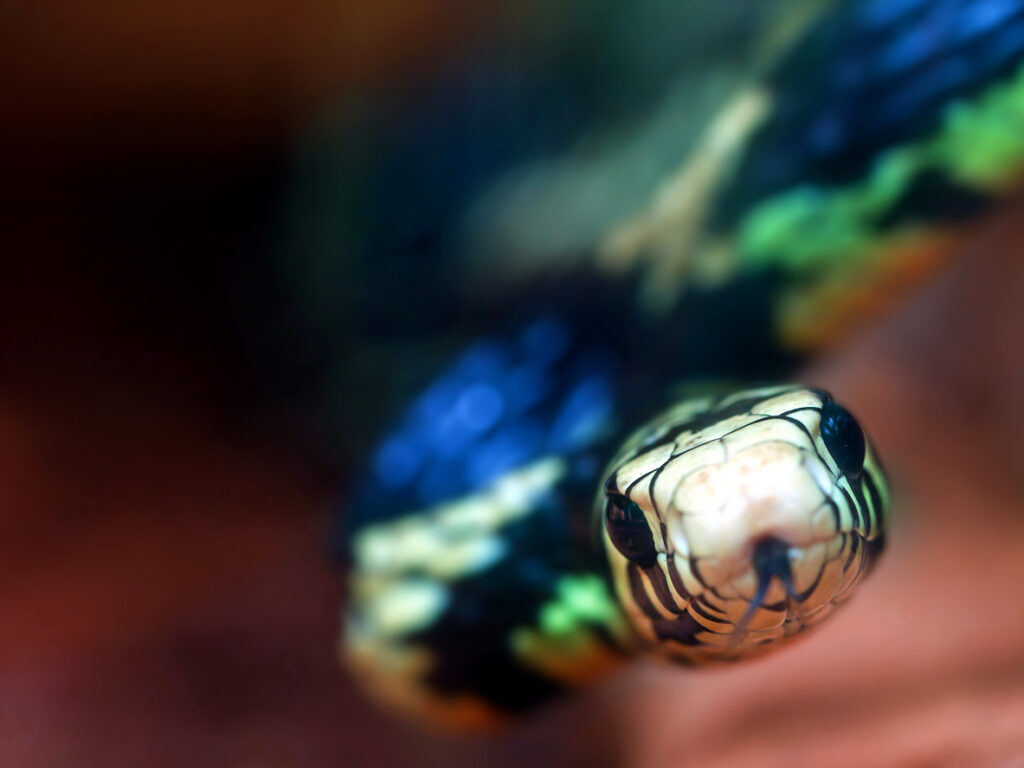
Pit vipers, pythons, and boas have heat-sensing organs on their faces that detect infrared radiation from warm-blooded animals. These pits can sense temperature differences as small as a fraction of a degree, allowing them to “see” heat signatures through thin barriers.
A snake outside your tent can detect your body heat through the fabric and know exactly where you’re positioned. They’re not relying on sight or smell at all, they’re reading the thermal map of their environment. This works in complete darkness and through materials that would block all other senses.
4. Elephants feel vibrations through the ground from kilometres away.

Elephants communicate using infrasound, frequencies too low for humans to hear, that travels through the ground over vast distances. They detect these vibrations through their feet and trunk, picking up signals from other elephants up to 10 kilometres away.
Solid ground conducts these vibrations better than air, so walls and buildings don’t block them at all. An elephant can sense a herd approaching long before any other animal notices, and they can detect thunderstorms and earthquakes through ground vibrations that humans miss completely. The earth itself becomes their communication network.
5. Rats hear ultrasonic frequencies through solid barriers.

Rats communicate using ultrasonic vocalisations that humans can’t hear, and they can detect these sounds through walls, floors, and ceilings. Their hearing range extends far beyond ours, picking up frequencies that pass through building materials we’d consider soundproof.
That’s why rat infestations spread so efficiently through buildings, they’re coordinating with each other through walls you think are blocking them. They know where other rats are, where predators are lurking, and where food sources exist, all through signals passing right through your home’s structure.
6. Spiders detect the tiniest vibrations through their webs and beyond.
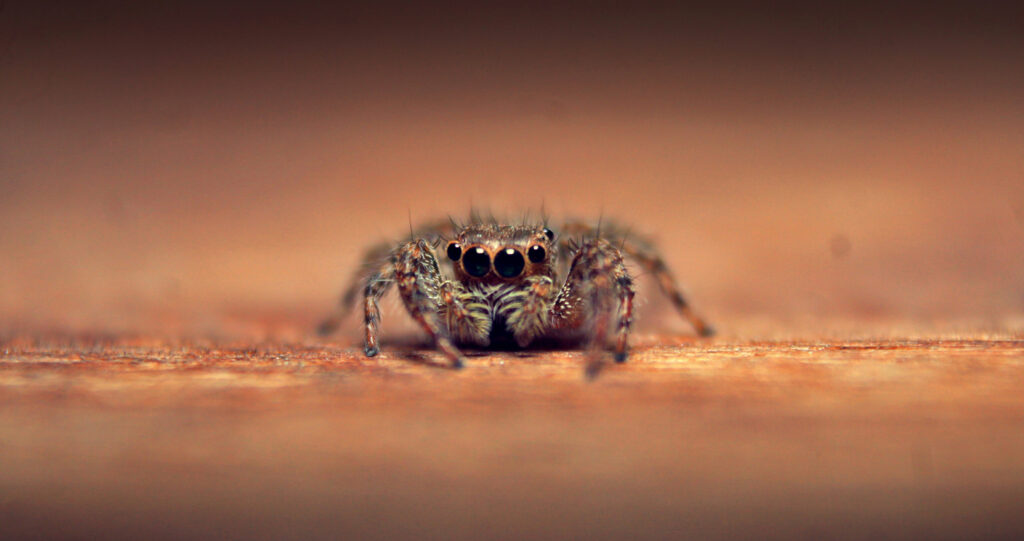
Spiders have sensory organs on their legs that pick up vibrations so subtle you’d never notice them. These vibrations travel through surfaces like walls, floors, and furniture, alerting the spider to movement nearby even when they can’t see the source. A spider sitting on one side of a wall can detect you walking on the other side through the vibrations conducted through the structure.
They’re feeling the world rather than seeing or hearing it, and solid barriers don’t interrupt that sense at all. That’s how they detect prey in their webs instantly, no matter where they’re positioned.
7. Octopuses taste the water around barriers.
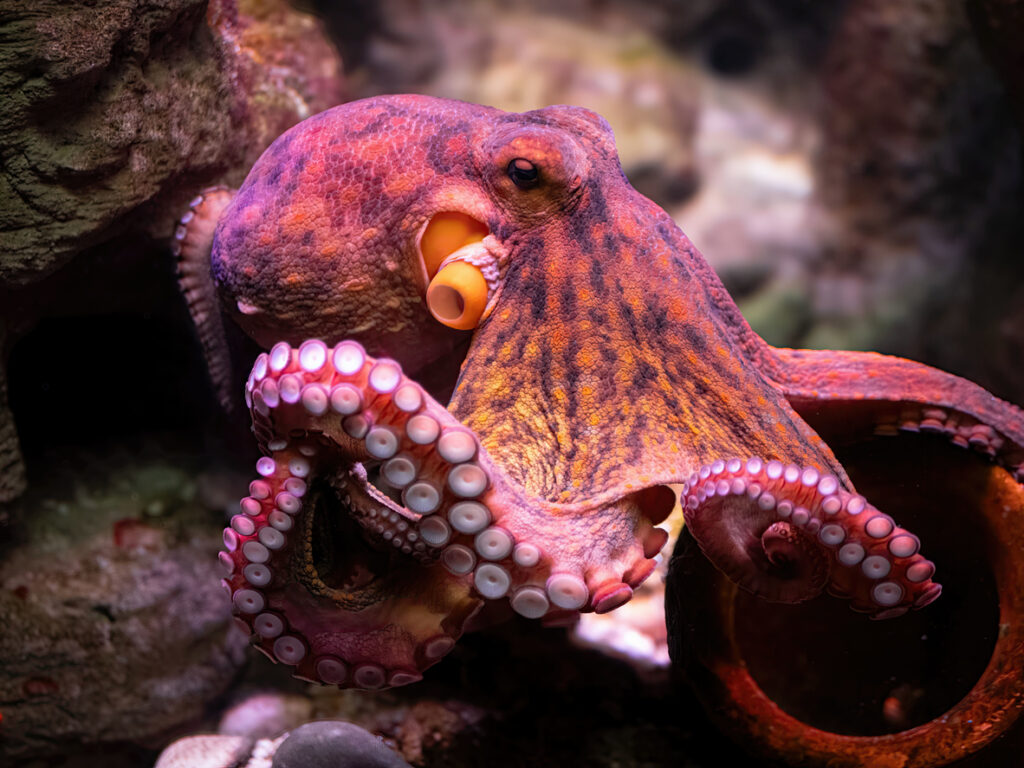
Octopuses have chemoreceptors all over their bodies, especially on their arms, that detect chemical signatures in water. These chemicals diffuse around and through porous barriers, so an octopus can taste what’s on the other side of a rock or coral formation without seeing it.
They’re constantly sampling the water for the chemical traces left by prey, predators, and other octopuses. Water conducts these chemical signals in ways that make physical barriers less relevant. The octopus isn’t seeing through the wall, it’s tasting what’s behind it through molecules that drift around the obstacle.
8. Mosquitoes track you through carbon dioxide you breathe out.

Mosquitoes can detect CO2 from up to 50 metres away, following the concentration gradient right to your location, even if you’re inside a building. Carbon dioxide passes through screens, gaps around doors and windows, and even some porous materials.
They’re not randomly flying around hoping to find you, they’re following an invisible chemical trail directly to your face. This is combined with heat detection and the ability to sense lactic acid from your skin, creating multiple overlapping senses that make hiding nearly impossible. Walls with any gaps at all are transparent to a mosquito’s tracking abilities.
9. Owls hear the tiniest sounds through walls and snow.

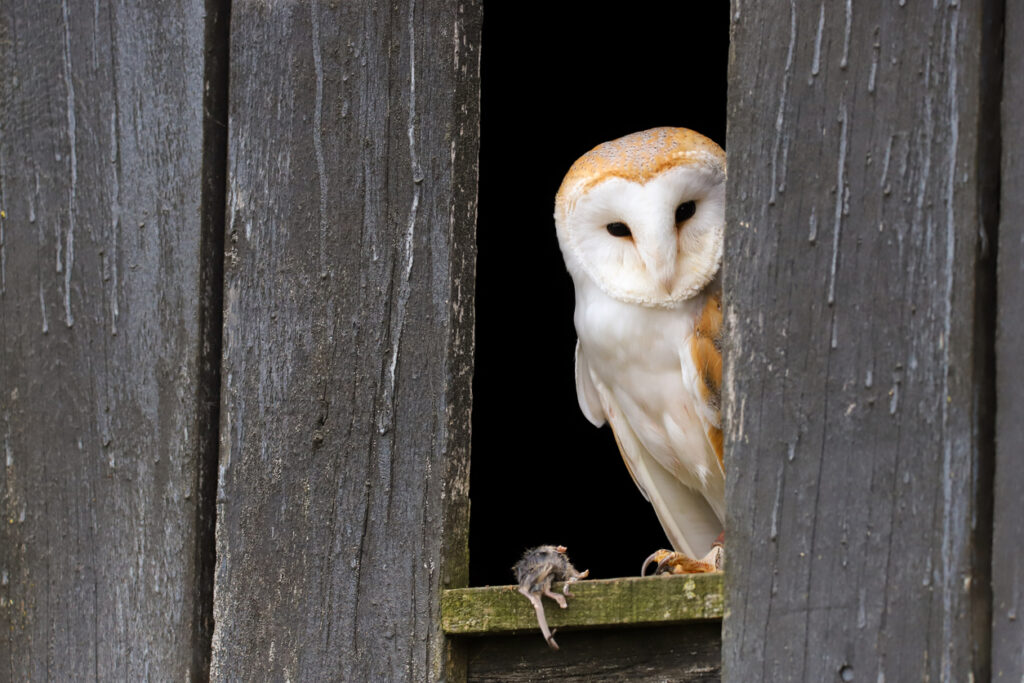
Owls have asymmetrical ear placement that allows them to pinpoint sounds in three-dimensional space with incredible accuracy. They can hear a mouse moving under snow or inside a hollow tree, using sound waves that penetrate these barriers. Their facial disc acts like a satellite dish, collecting and focusing sound waves toward their ears.
An owl can sit on a branch and hear rodents scurrying inside your walls or attic, detecting exactly where they are without any visual cues. Sound penetrates barriers that would completely hide prey from sight.
10. Cats use their whiskers to detect air currents through gaps.
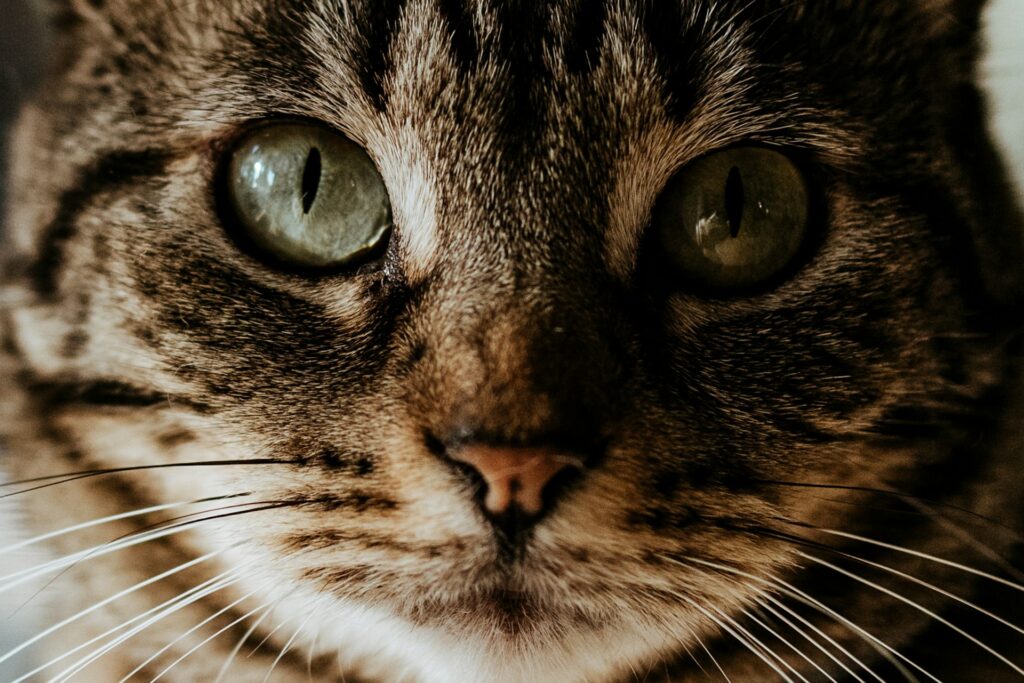
Cat whiskers are so sensitive, they can detect minute changes in air currents caused by objects or movement nearby. These air currents flow through gaps under doors and around windows, carrying information about what’s on the other side. A cat sitting in one room can sense someone approaching from another room through changes in air pressure and flow before they hear footsteps.
Combined with their exceptional hearing, cats are aware of their entire environment in ways that make walls almost irrelevant. They’re reading the air itself for information.
11. Dogs smell through walls and closed containers.

A dog’s sense of smell is so powerful that scent molecules pass through materials humans think are sealed. They can smell people in adjacent rooms, food inside cupboards, and even detect medical conditions through skin. Walls don’t block scent molecules, they just slow them down.
That’s why drug detection dogs can alert to substances hidden inside car panels or sealed packages. The microscopic particles they’re detecting diffuse through tiny gaps and porous materials that seem solid to us. To a dog, most walls are like looking through a slightly foggy window, rather than a solid barrier.
12. Electric eels map their surroundings using electrical fields.
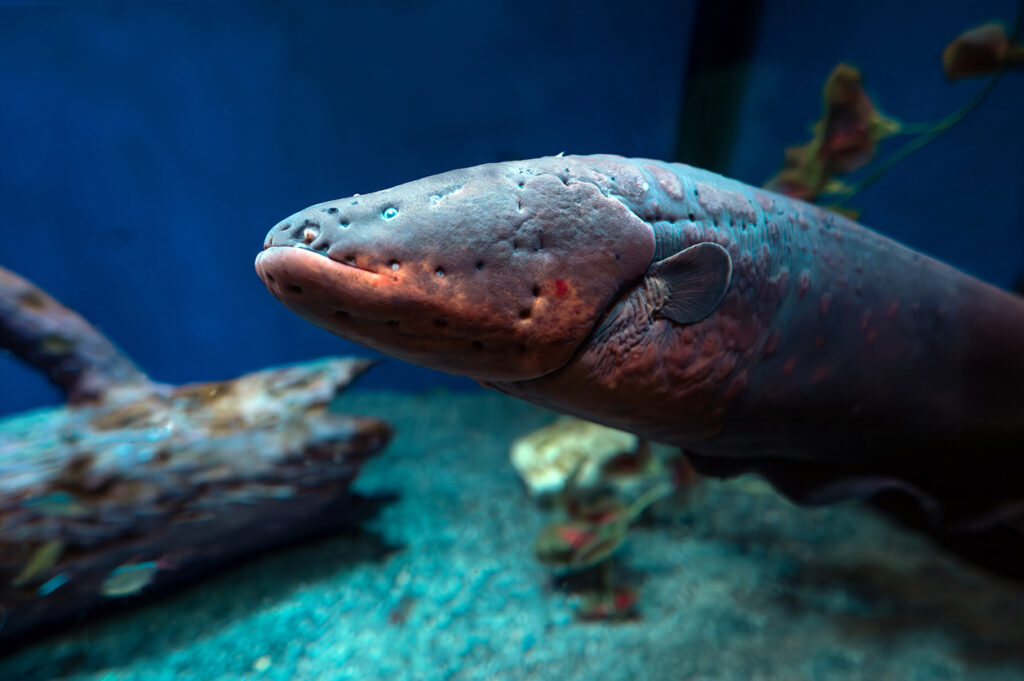
Electric eels generate weak electrical fields around their bodies and sense distortions in those fields caused by nearby objects. It works through murky water and around obstacles that would block vision completely. They’re essentially creating an electrical bubble around themselves and feeling what’s inside it.
Other animals, plants, rocks, and barriers all distort the field in different ways, creating a complete picture of the environment. Mud, vegetation, and even some thin barriers are effectively invisible to this sense because the electrical field passes right through them.
13. Platypuses detect muscle contractions through electrical signals.
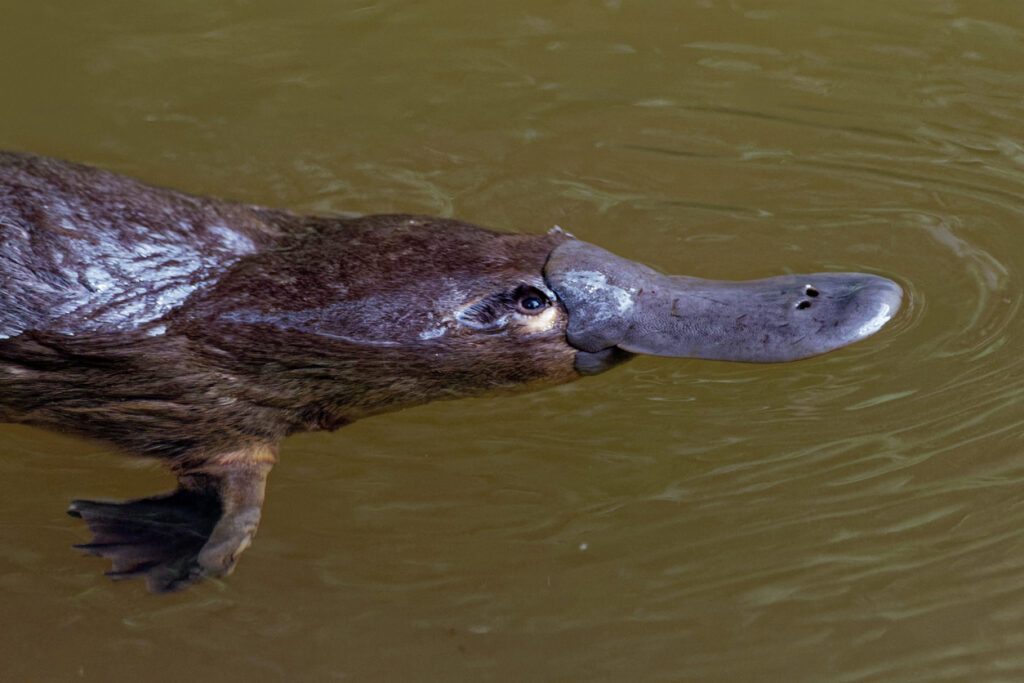
Platypuses have electroreceptors in their bills that detect the tiny electrical signals produced by muscle movements in their prey. They hunt with their eyes closed, relying entirely on this electrical sense to find shrimp and insects hiding in mud or under rocks.
The electrical signals pass through sediment and water that would completely obscure visual hunting. A platypus can sense a shrimp buried in riverbed mud with no visual or scent cues, just the faint electrical signature of its muscles contracting. This makes most hiding places completely useless against them in their aquatic environment.