When we think of endangered species, our minds usually drift to tigers or rhinos, but some of the most iconic sounds of the British countryside are vanishing right under our noses.
It’s a bit of a shock to realise that the birds we grew up seeing in every hedgerow or hearing on every summer walk are now struggling to find enough food or a safe place to nest. We’ve become so used to them being part of the scenery that we haven’t noticed their numbers plummeting over the last few decades.
Whether we’re talking about the farmland favourites or the coastal characters, these 10 species are currently on the red list, meaning they’re facing a real threat of disappearing from our shores for good if things don’t change fast.
1. Poecile montanus
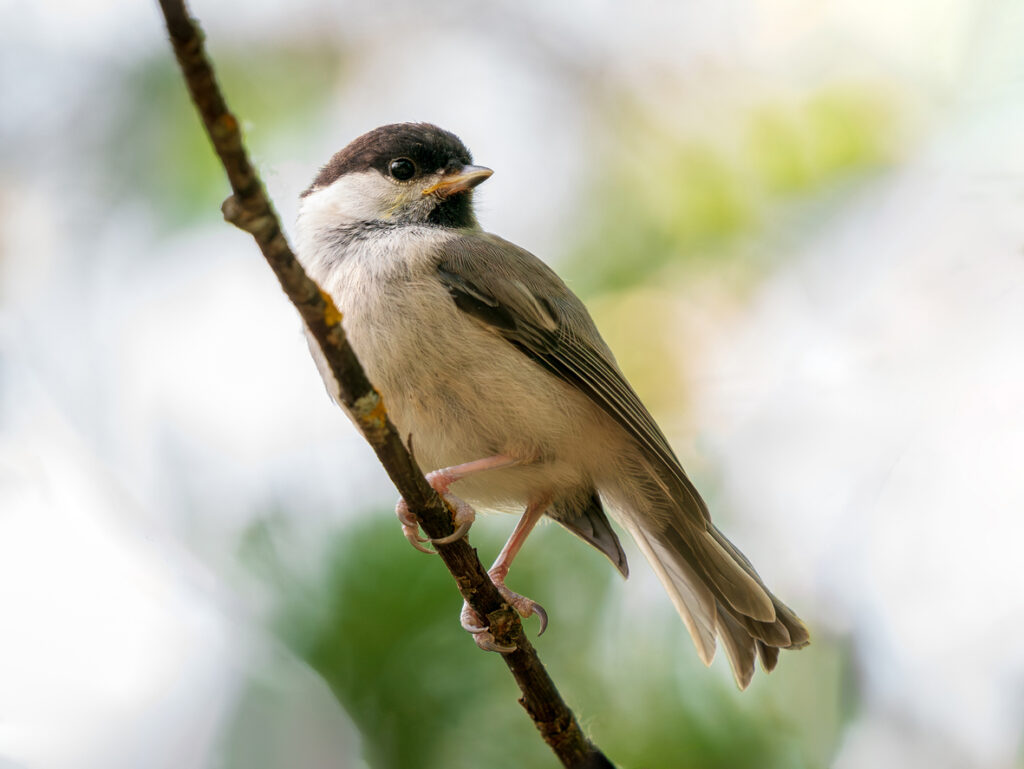
Poecile montanus are small, scruffy-looking little birds that quietly slip through wet woodland and scrub. Most people never clock them because they look like others of its species at a glance, and they don’t hang around garden feeders like some of their cousins.
They’ve been hit hard by habitat change, especially the loss of messy, damp woodland edges with old stumps and deadwood they can nest in. Leaving some areas a bit wild, supporting local nature reserves, and protecting wet woodland all helps them.
2. Spotted flycatcher
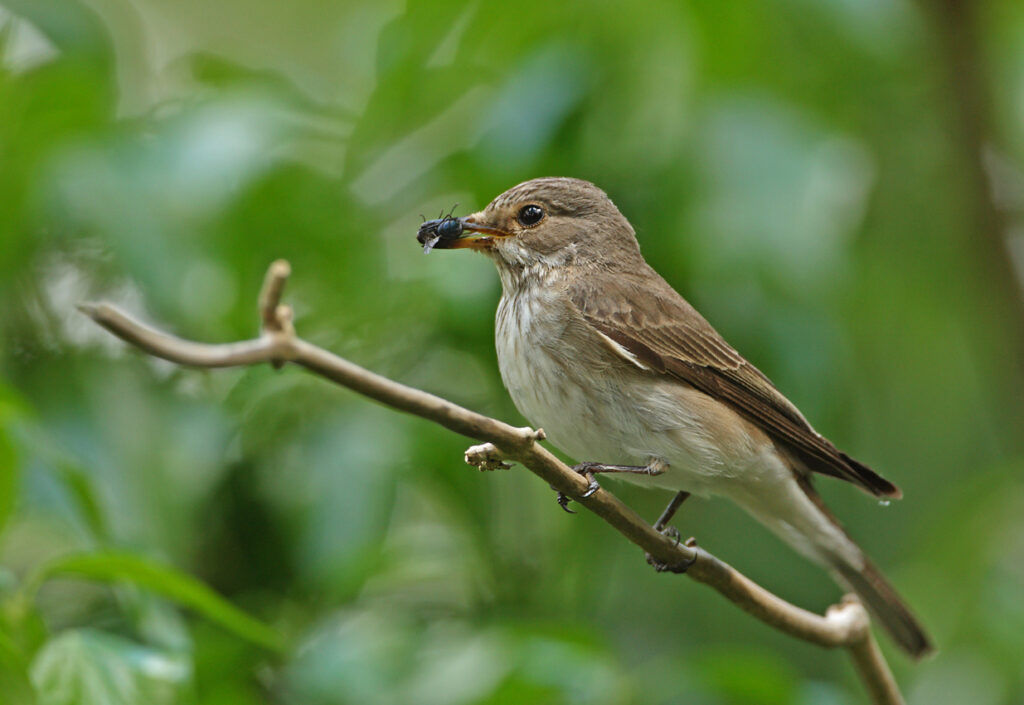
Spotted flycatchers are one of those birds people remember seeing as a kid, then realise they haven’t seen one in years. They sit still, then dart out to grab insects midair, usually around old gardens, churchyards, and woodland clearings.
They struggle when insect numbers drop and when tidy gardens lose the little corners that attract bugs. If you’ve got outdoor space, letting some plants flower, avoiding pesticides, and keeping a more natural patch can make a real difference over time.
3. Lesser spotted woodpecker
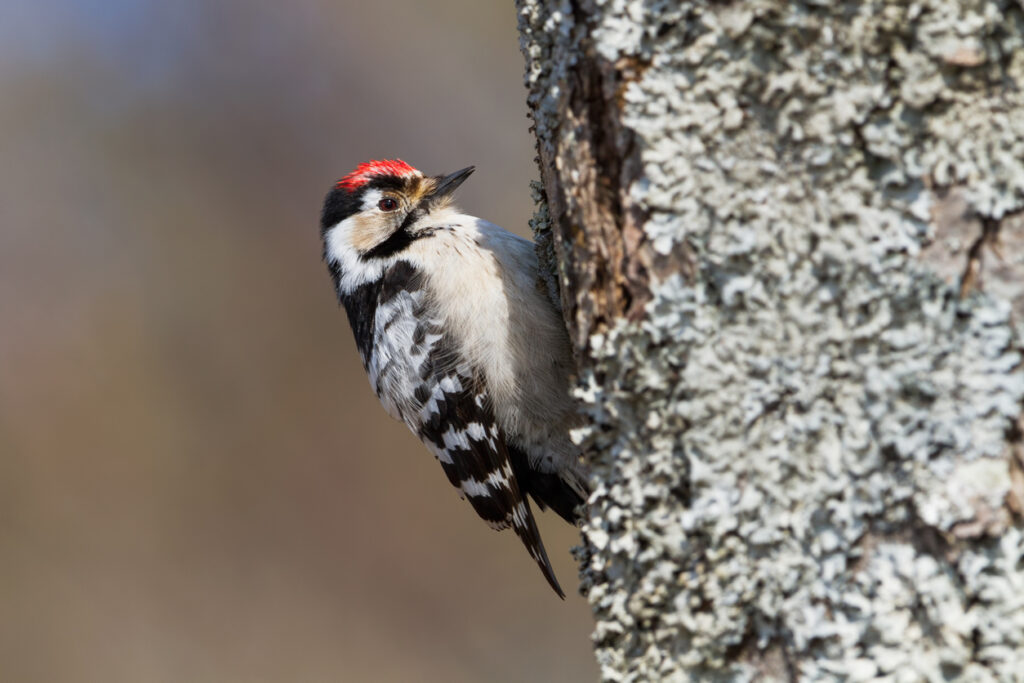
This is the small woodpecker people often don’t even know we have. It’s much smaller than the great spotted, moves fast, and can be hard to pick out high in the trees. You might only notice a quick flicker of black and white.
They need older woodland with dead or dying branches for feeding and nesting, and those features often get removed for safety or tidiness. Leaving some deadwood where it’s safe, and supporting woodland management that keeps older trees, helps them hang on.
4. Tree pipit

Tree pipits are classic countryside birds that don’t look exciting at first glance, which is why people miss them. They’re small, brownish, and easy to confuse with other little birds, but their parachute-style song flight is the giveaway.
They’ve declined as rough grassland and open woodland edges have been lost or changed. They do better where there’s a mix of scrub, scattered trees, and not-too-neat grass. Wider support for nature-friendly land management matters a lot here.
5. Twite
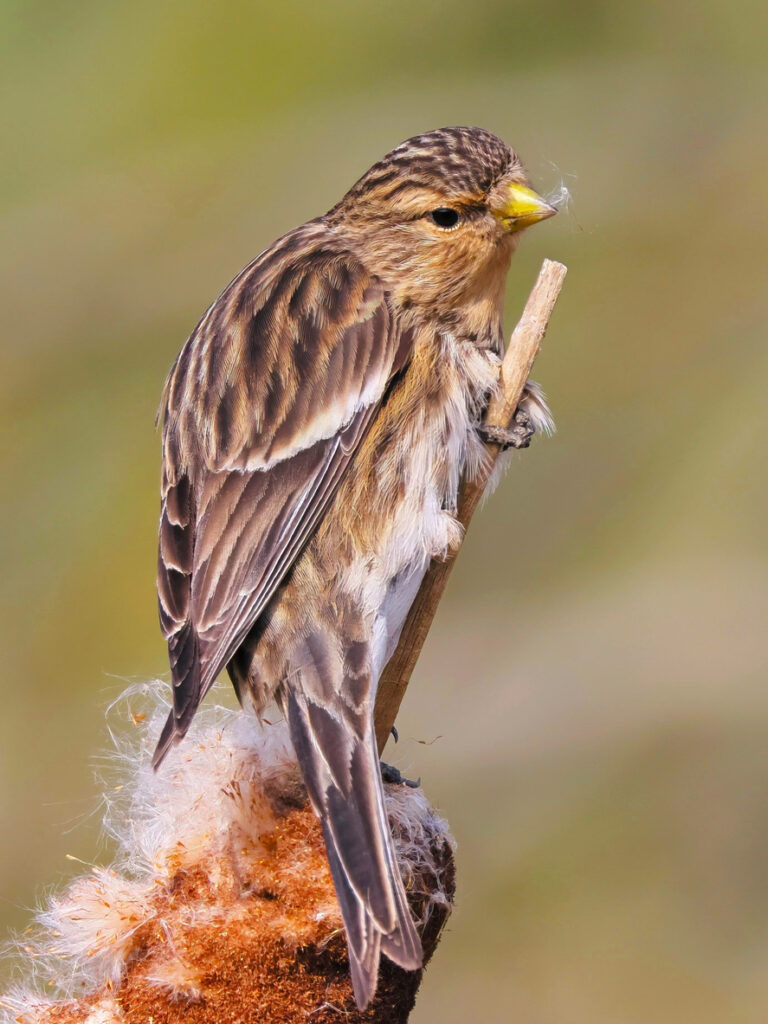
Twite are small finches that most people have never heard of, even though they’re native and proper British. They can look like a less flashy linnet, and they’re often found in coastal or upland spots where fewer people go regularly.
They’ve been squeezed by changes to farming, loss of weedy seed sources, and pressure on the habitats they rely on. Supporting wildlife-friendly farming, leaving winter seed sources, and protecting fragile coastal and upland areas all helps twite survive.
6. Corn bunting
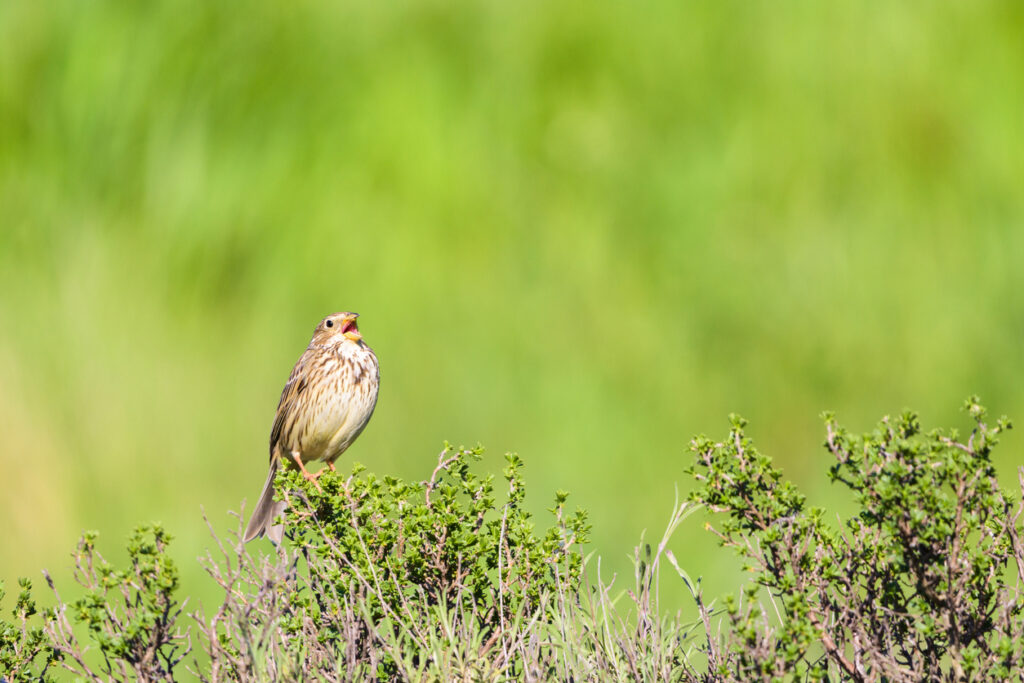
Corn buntings are farmland birds with a jangly, key-rattle kind of song, but they’re easy to overlook because they’re not colourful. They like open fields and hedgerows, so you might assume they’d be fine, but numbers have dropped sharply.
Modern farming often removes the rough margins, insects, and winter seed these birds need. Hedgerows, wild field edges, and less intensive approaches can make farmland feel alive again. Buying from wildlife-friendly farms can support those changes too.
7. Whinchat
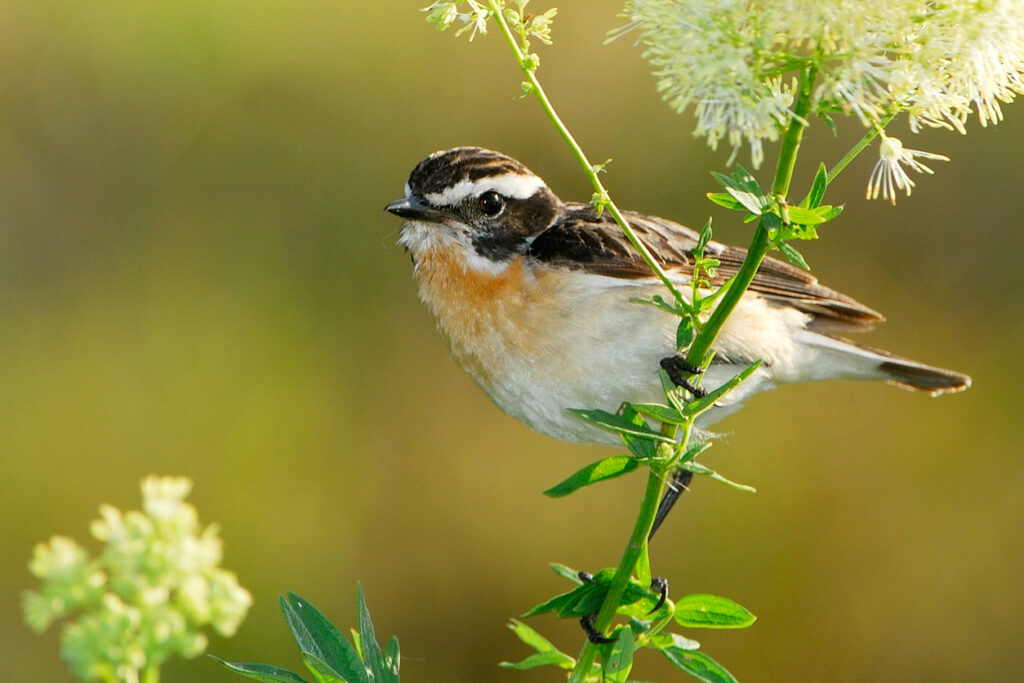
Whinchats are lovely little birds of open countryside, often seen perched on a thistle or fence post. They’re not as famous as robins or swallows, so people don’t always realise they’re a bird you should feel lucky to spot.
They need rough grassland with plenty of insects and perches, and they suffer when land gets over-grazed, sprayed, or turned into uniform grass. Protecting wild meadows and supporting nature-friendly land use can help their breeding areas recover.
8. Poecile palustris
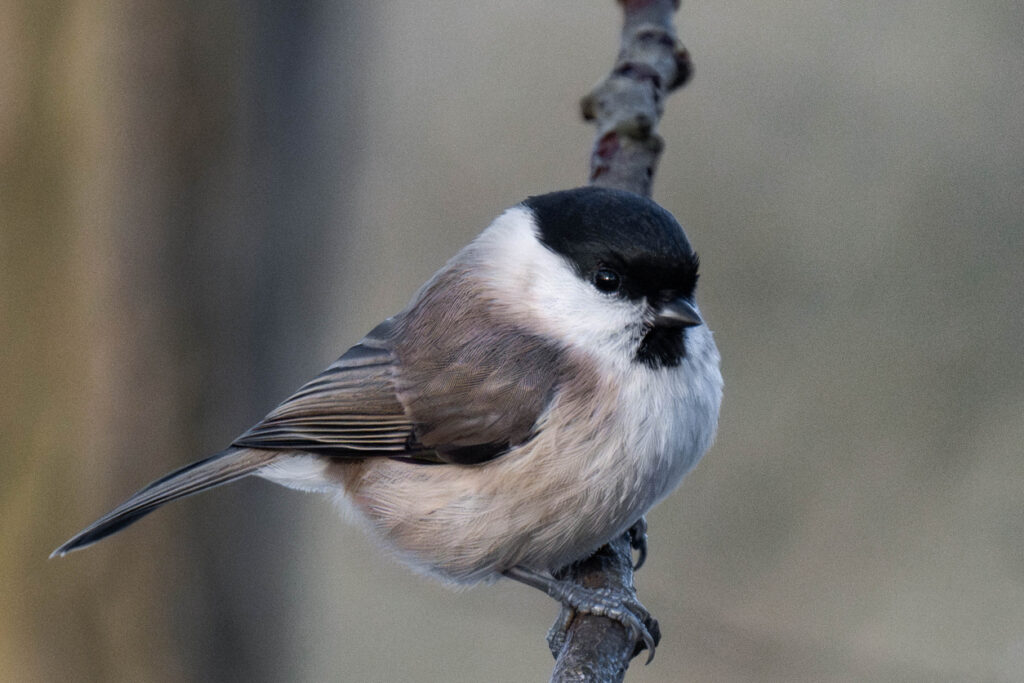
Poecile palustris are easily confused with others of its species, which is part of the problem. They’re subtle, quick, and usually tucked into woodland where you’re more likely to notice the louder birds. Many people never realise they’ve even seen one.
They rely on mature woodland with a good mix of undergrowth and natural food sources, and they’ve declined as woods become more uniform or heavily managed. Keeping varied woodland structure, with shrubs and natural edges, is a big part of helping them.
9. Lapwing
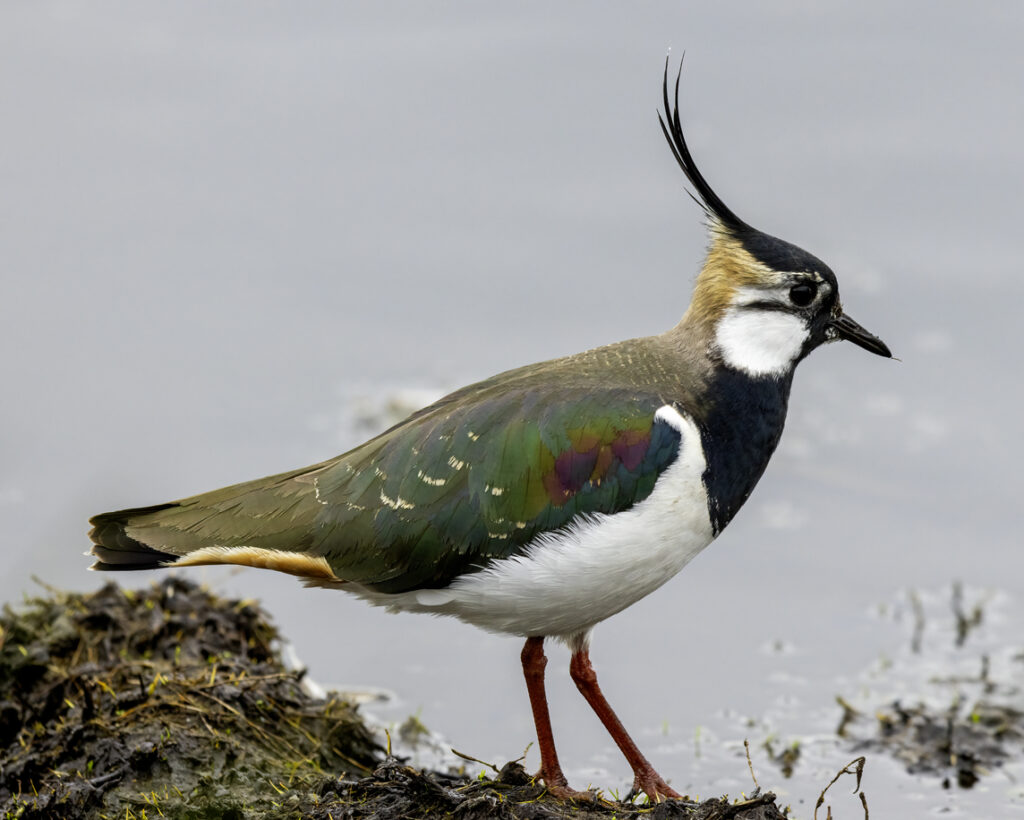
Lapwings feel familiar because they’re such a classic British shape, with that floppy flight and bold colouring. That familiarity can hide how bad things are because people assume a bird they recognise must be doing alright. Sadly, it’s not that simple.
They’ve been hit by changes to farmland, drainage, loss of wet areas, and more pressure on nesting sites. They do best where there are wet fields, rough patches, and careful timing around mowing. Supporting farmland conservation schemes is key.
10. Turtle dove
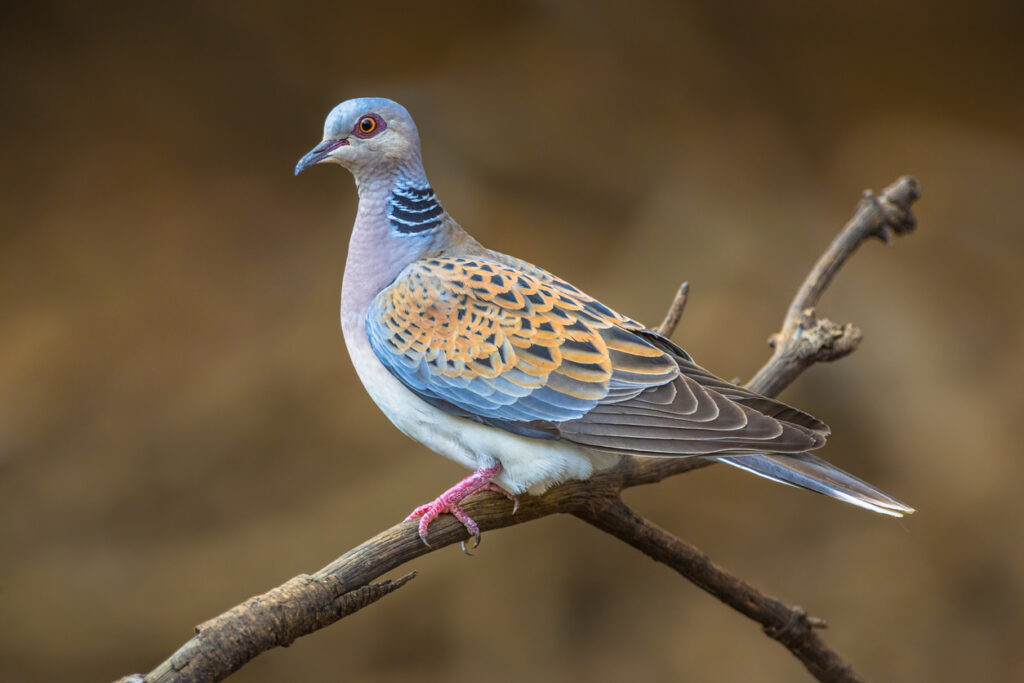
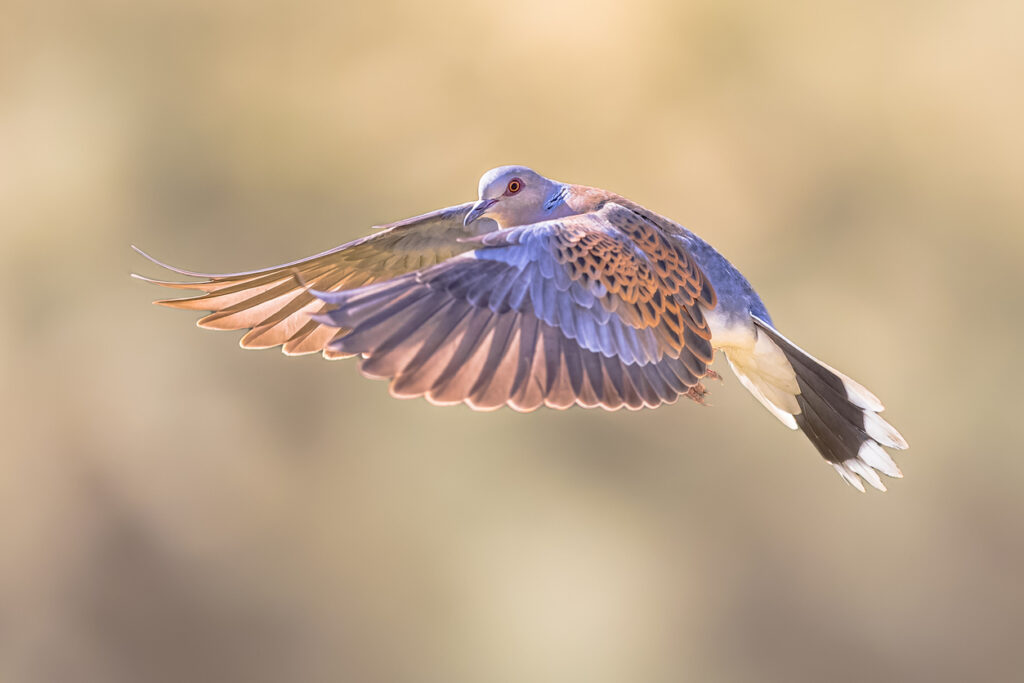
Turtle doves are one of those birds that sound like summer itself, with a soft purring call. They’re also a bird many people only know from old stories and songs, which tells you a lot. Seeing one now can feel like spotting a ghost.
They’ve declined because of habitat loss, changes in farming, fewer wild seeds, and pressures along migration routes. Planting seed-rich areas, supporting conservation projects, and caring about how land is managed here in the UK can all play a part.