If you think dinosaurs are nothing more than dusty skeletons in a museum, you’re missing the fact that they’re basically hiding in plain sight.
We tend to imagine them as scaly monsters from a lost world, but the reality is that many of their most famous traits never actually went away. They just got smaller, grew feathers, or moved into different neighbourhoods.
From the way a bird walks across your lawn to the internal plumbing of a crocodile, the blueprint of the “terrible lizard” is still very much in use. You don’t need a time machine to see how these ancient giants functioned; you just need to know which parts of a modern animal’s body to look at. These 13 features are direct links to a world millions of years old, proving that dinosaurs didn’t so much disappear as they did adapt to the modern world.
1. Feathers, which started as more than just something for flying
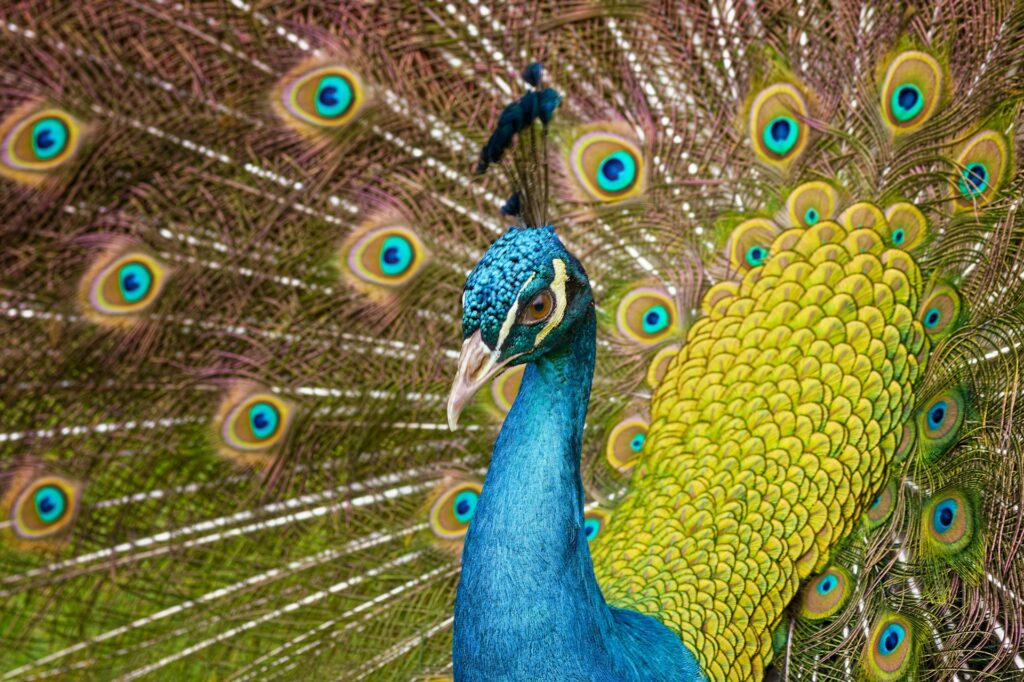
Feathers didn’t begin as flight gear, they were more like a multi tool. Many dinosaurs likely used them for warmth, display, and signalling, long before anyone took off into the sky. That’s why feathers come in so many shapes that have nothing to do with flying well.
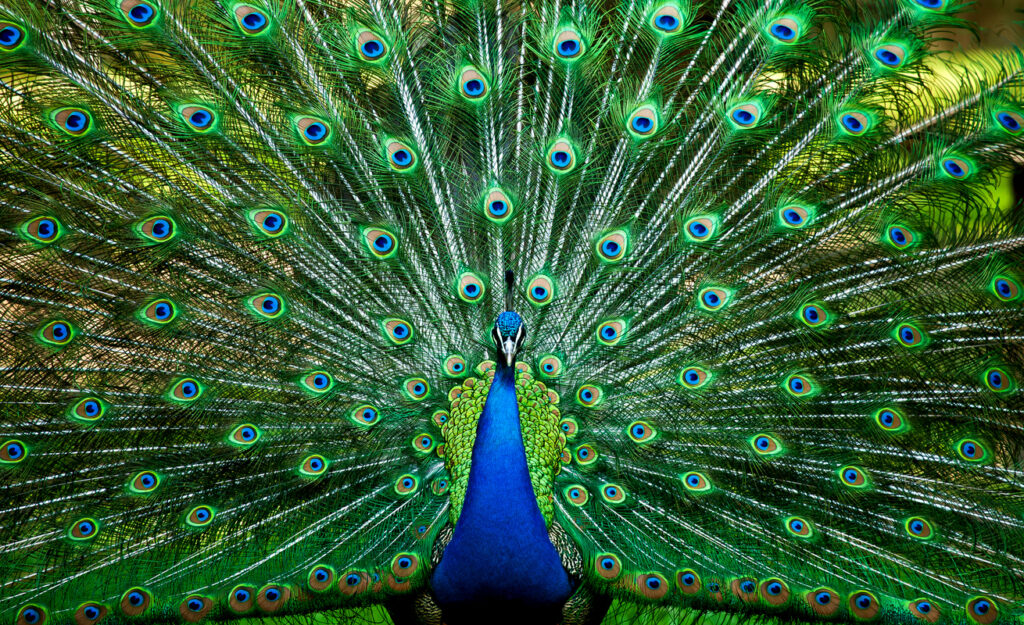
You can see that legacy in modern birds that barely fly, or don’t fly at all, yet still have elaborate feathers. Think peacocks, ostriches, and loads of garden birds fluffing up in the cold. The feather itself is an ancient idea that got reused again and again.
2. Hollow bones that keep bodies strong but lighter
Many dinosaurs, especially the ones close to birds, had air filled spaces in their bones. That doesn’t mean fragile, it means clever engineering. You get strength without hauling around extra weight, which helps with speed, stamina, and later on, flight.
Modern birds are the obvious example, but you can feel the effect when you pick one up. They can be surprisingly light for their size. It’s one of those designs that looks delicate until you realise it’s built for survival.
3. Three-toed feet built for moving fast
Loads of meat eating dinosaurs walked on three main toes, and that basic layout shows up clearly in birds. It’s a stable, efficient setup for running, gripping, and shifting weight quickly. It also suits different terrains, from mud to rock to forest floor.
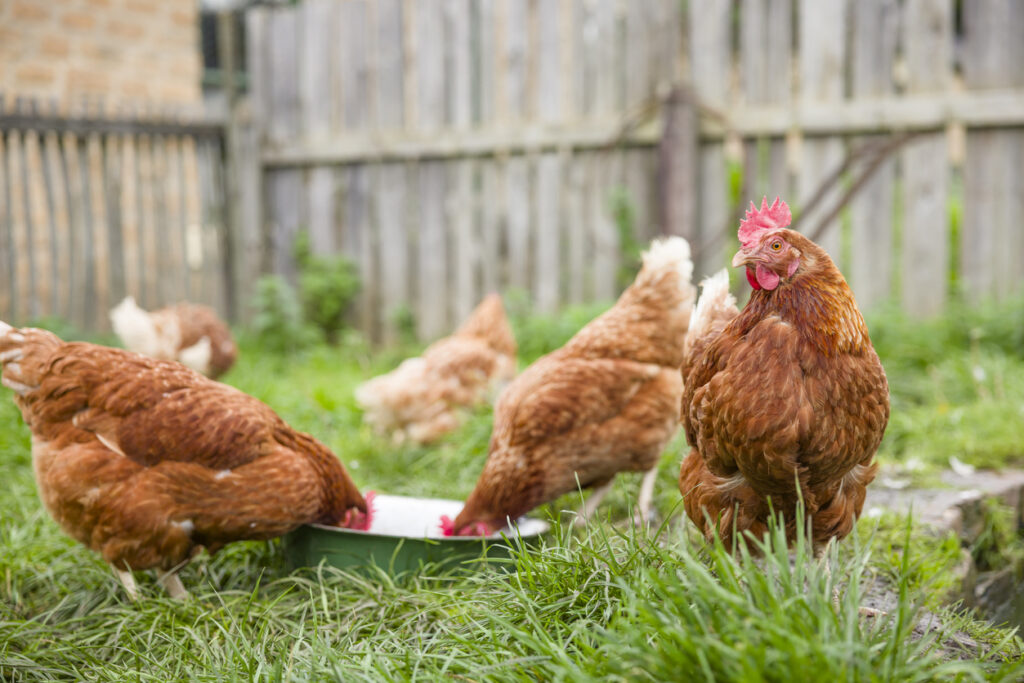
Look at a chicken, a gull, or a crow, and you’ll see that classic footprint shape. Even birds that aren’t built for speed still use that foot structure to hop, perch, and take off. It’s a dinosaur feature that never stopped being useful.
4. Claws that still mean business
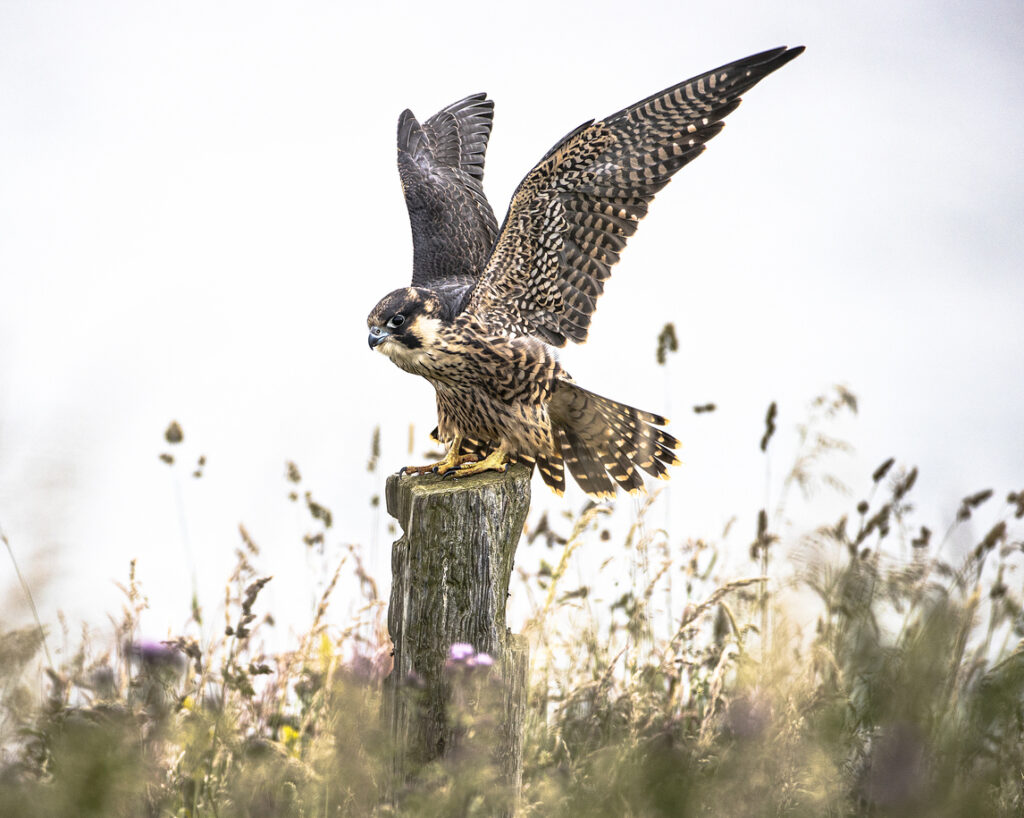
Dinosaurs and claws go together in everyone’s imagination for a reason. Claws were tools for grabbing, climbing, fighting, and tearing, and animals still use them in all those ways now. They’re simple, effective, and hard to beat.
Birds of prey show it best with talons made for gripping and killing fast. Even smaller birds have claws that help them cling to branches and scramble around. Cats, lizards, and bears all carry the same basic idea, just tuned to their lifestyle.
5. Scales that are basically the original skin armour
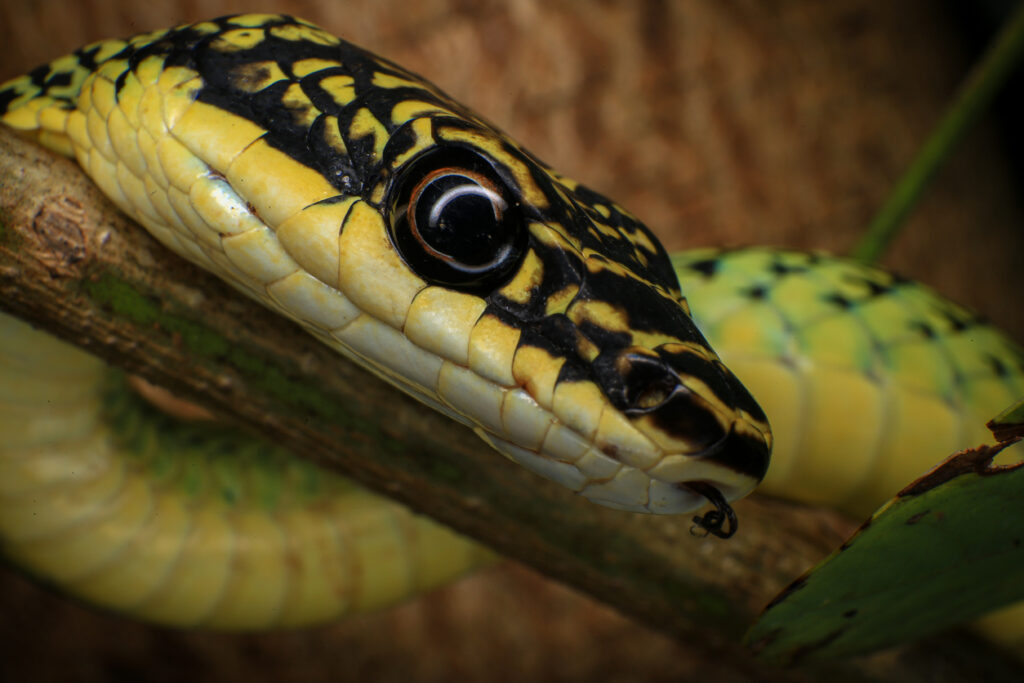
Many dinosaurs were scaly, and reptiles today still wear that ancient style proudly. Scales are brilliant because they protect, reduce water loss, and handle rough environments. They also keep working even when an animal is battered by heat, sand, or sharp rocks.
Snakes, crocodiles, and lizards are the obvious examples, but birds also have scaly legs and feet. It’s a nice reminder that feathers didn’t replace everything. Some dinosaur features stayed put, even on animals that look completely different overall.
6. Eggs with hard shells and careful nesting
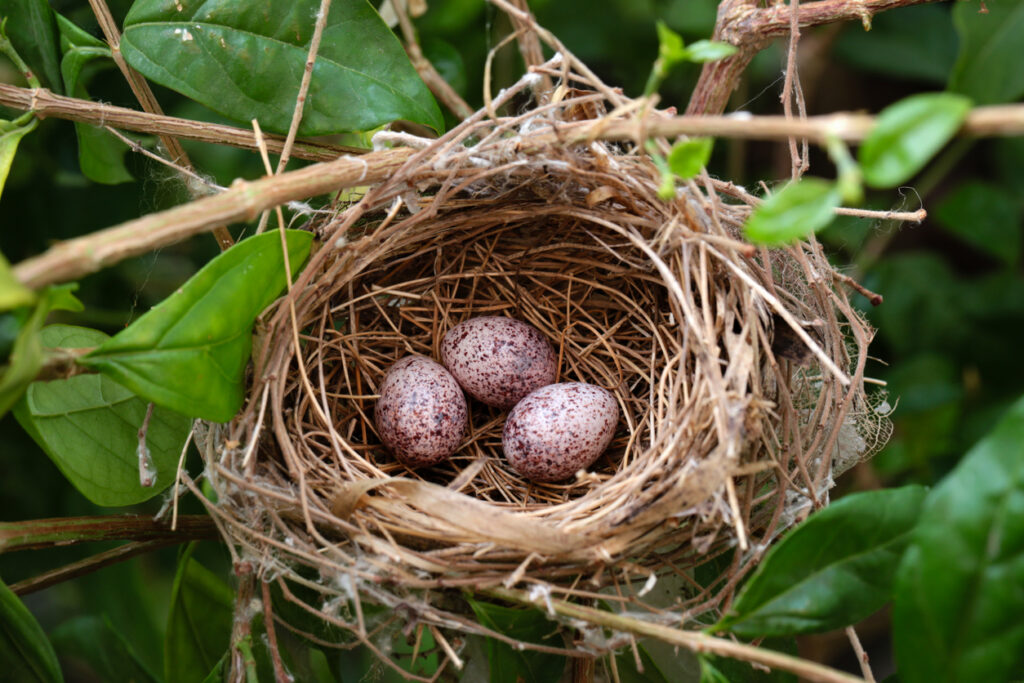
Hard shelled eggs are a dinosaur era success story. They protect the growing baby, let parents nest on land, and make reproduction less tied to water. Dinosaurs were laying eggs long before modern birds perfected the whole nesting routine.
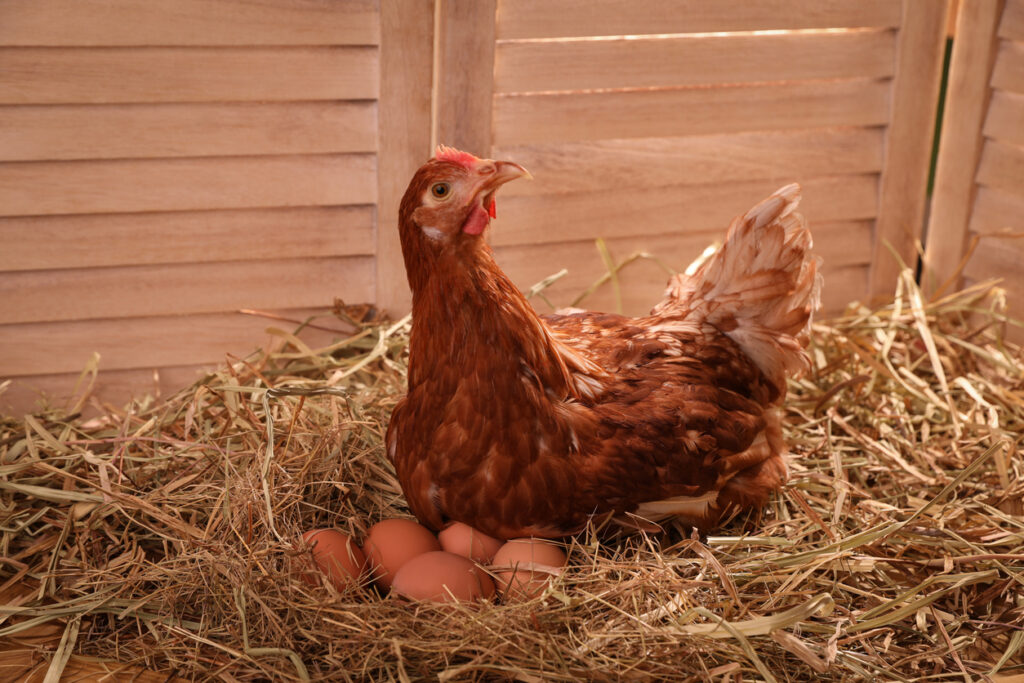
Bird nests today are basically the same problem solving in action. Keep the eggs warm, keep them safe, and pick a spot predators won’t easily reach. Crocodiles and turtles also show the older version of this, with nests that rely more on location and less on constant parenting.
7. A wishbone that helped power strong movement
The wishbone, or fused collarbones, is famous in birds, but it has roots in dinosaur relatives too. It helps brace the chest and shoulders, which matters when you’re flapping hard or moving your arms with force. It’s a support beam that keeps things stable under pressure.
In modern birds it flexes slightly with each wingbeat, which helps with efficient movement. It’s easy to forget this is a skeleton feature you can literally hold in your hand after a roast chicken. That little bone is a link to deep time.
8. Big powerful tails, even when the shape has changed
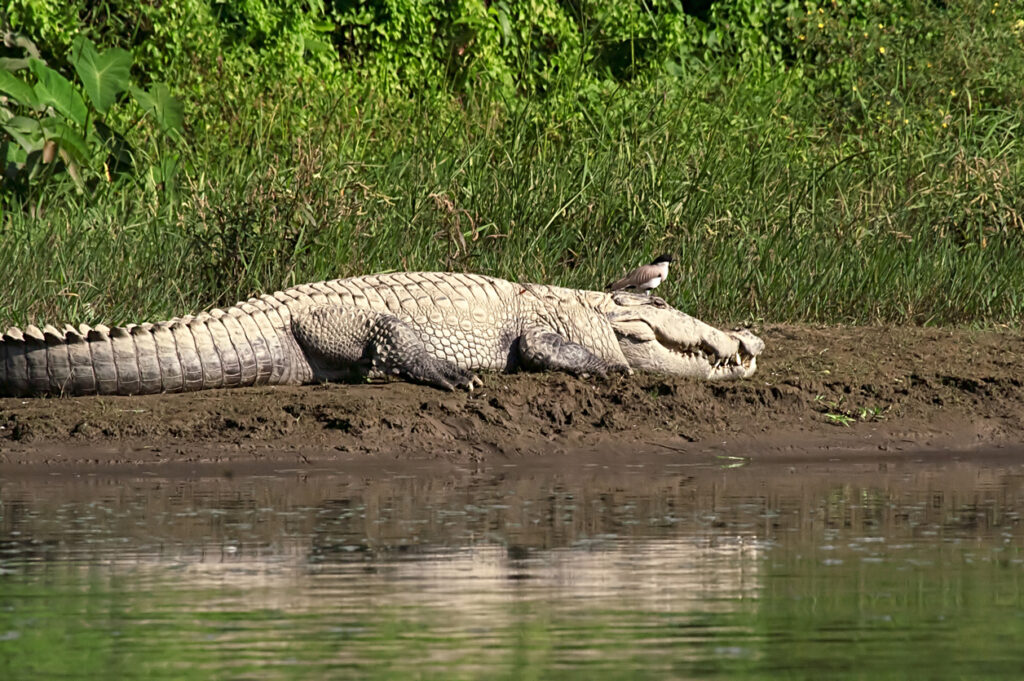
Dinosaurs used tails for balance, steering, defence, and even display. While most animals today don’t have giant dinosaur tails, the idea is still around. Tails are still used as counterweights and stabilisers in loads of species.
Cats use their tails for balance when jumping and landing. Kangaroos use theirs almost like a support and a balance pole. Crocodiles use theirs as serious propulsion in water, which feels very dinosaur in spirit, even if the body plan is different.
9. Teeth built for one job, then used hard
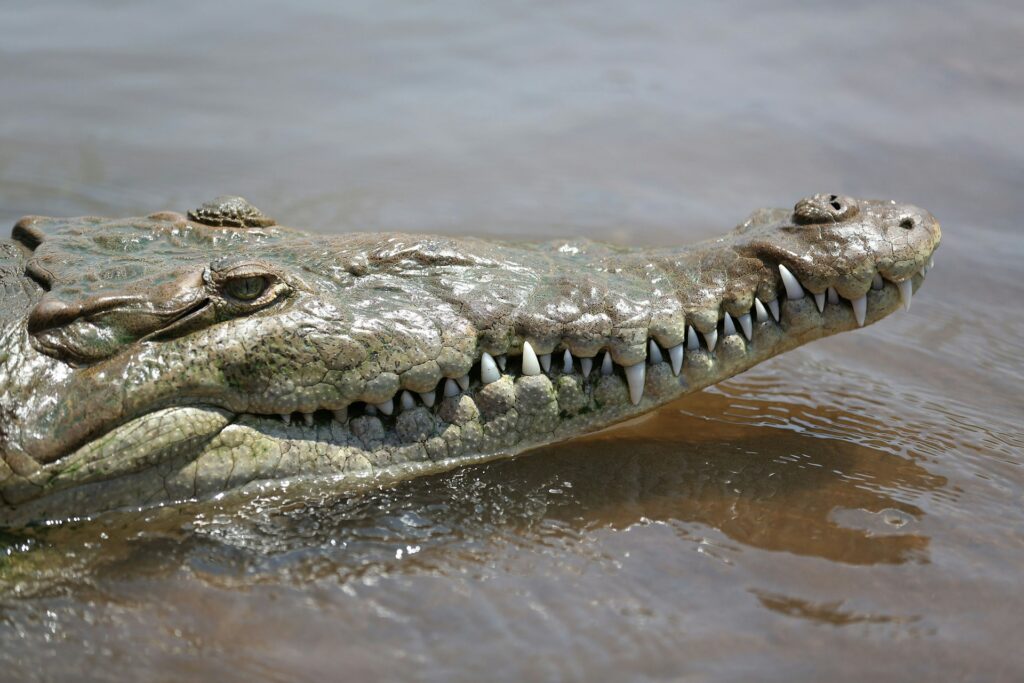
Dinosaur teeth were often specialised, slicing teeth for meat, grinding teeth for plants, and everything in between. That same story is alive in modern animals. Teeth are still one of the clearest clues to what an animal eats and how it lives.
Look at a crocodile’s conical teeth, designed to grip and hold rather than chew. Compare that to a herbivore like a horse, with teeth meant for heavy grinding. The shapes change, but the idea is the same, your mouth is built for your survival plan.
10. Air sac breathing, which is weirdly efficient

Birds don’t breathe like mammals. They use air sacs that move air through the lungs in a one-way flow, which is very efficient for oxygen. Many scientists think some dinosaurs had versions of this system, especially the ones closer to birds.
You can see the advantage in birds that fly long distances or live at high altitude. Their breathing setup is built for serious endurance. It’s one of those hidden dinosaur features that doesn’t look exciting until you realise how much it changes what a body can do.
11. Skin colours and patterns used for signalling
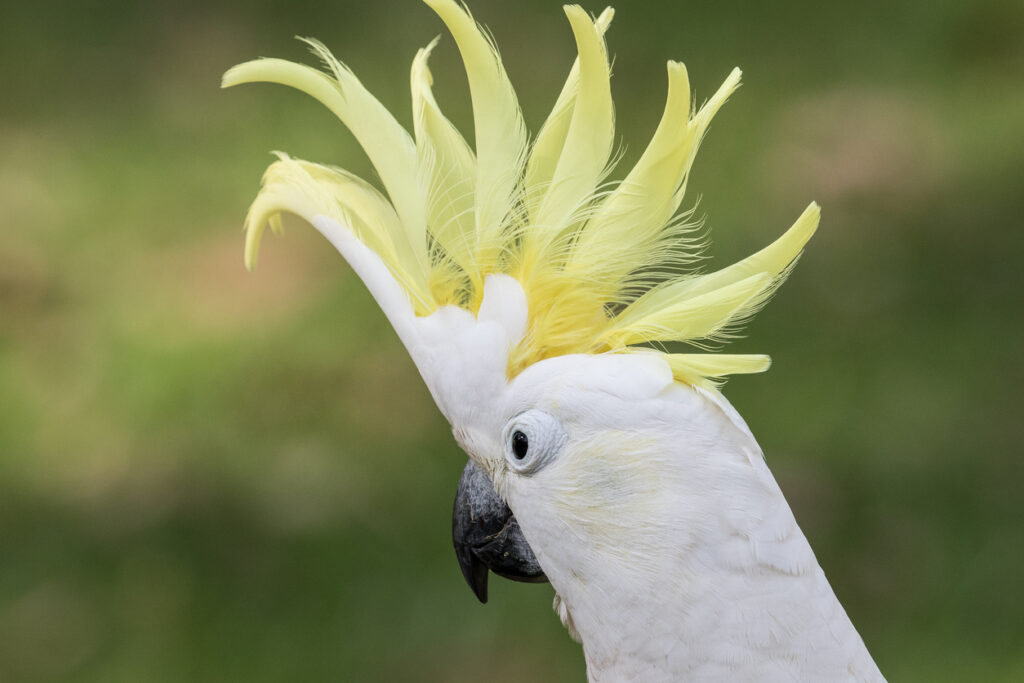
Dinosaurs probably weren’t all dull grey, even if films love that look. Like modern animals, they likely used colour and pattern for camouflage, intimidation, and showing off. If you live around predators and rivals, looking the right way can keep you alive.
Modern birds make this obvious with bright patches, stripes, crests, and flashes of colour they reveal at the right moment. Reptiles do it too, especially lizards that puff up, darken, or brighten when threatened. The message is the same, look at me, back off, or pick me.
12. Parenting and guarding, not just dumping eggs and leaving
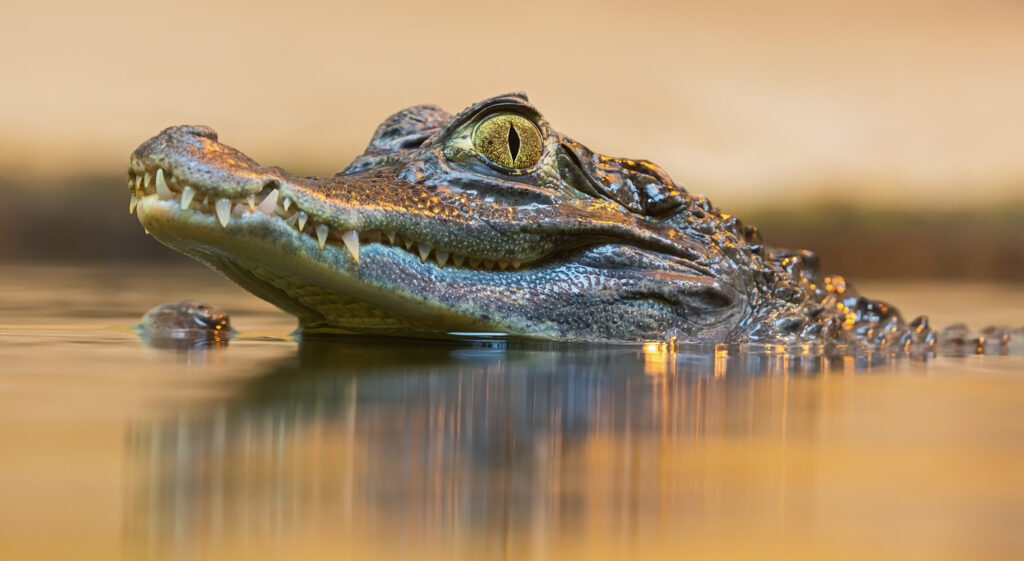
Not all dinosaurs were hands-off parents. Evidence suggests some guarded nests and cared for young, which is a very modern sounding behaviour. It makes sense since, if you invest in eggs, you don’t want them eaten five minutes later.
Birds are the clearest living example, from feeding chicks to defending nests like tiny furious warriors. Crocodiles also show a surprising amount of care, including guarding nests and helping young reach water. That protective streak has deep roots.
13. The bird face itself, which is like a dinosaur head in a new outfit
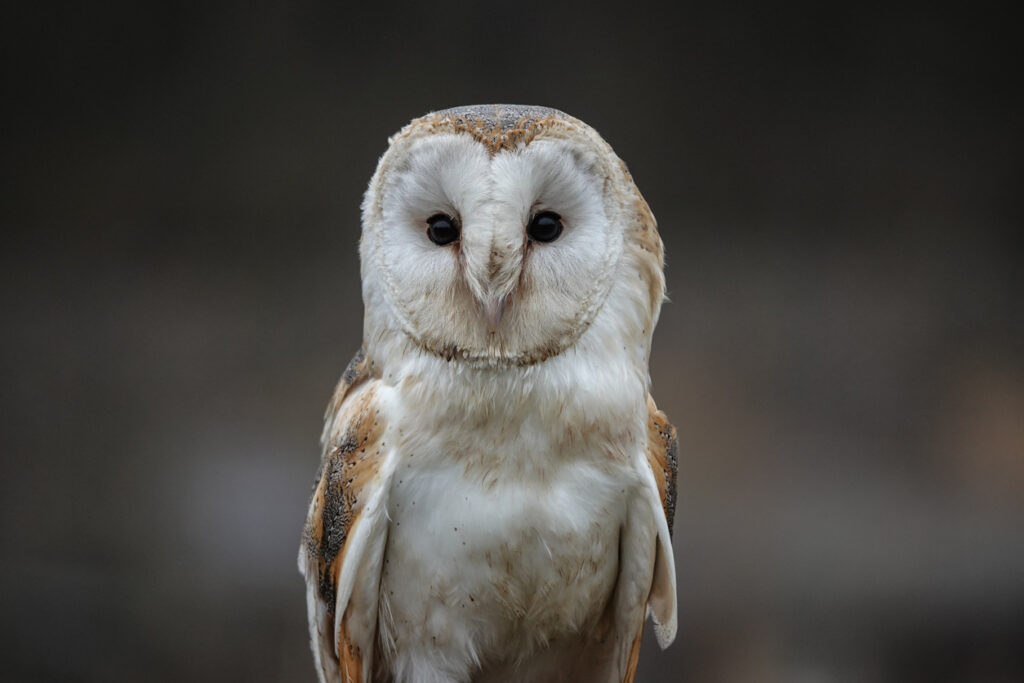
If you look at a bird skull, you’re basically seeing a dinosaur legacy with a beak bolted on. Birds came from theropod dinosaurs, and a lot of the head layout still makes sense in that context. Eyes, jaw structure, and the general shape show the family connection.
You can spot it best in birds that look a bit fierce, like hawks, ravens, and herons. Their movements, their stare, and their hunting style feel prehistoric because they sort of are. They’re not dinosaur themed, they’re dinosaur descended, and it shows once you start noticing.