The debate over whether zoos should still exist has moved on from simple arguments about animal welfare to a much more complicated look at conservation and ethics.
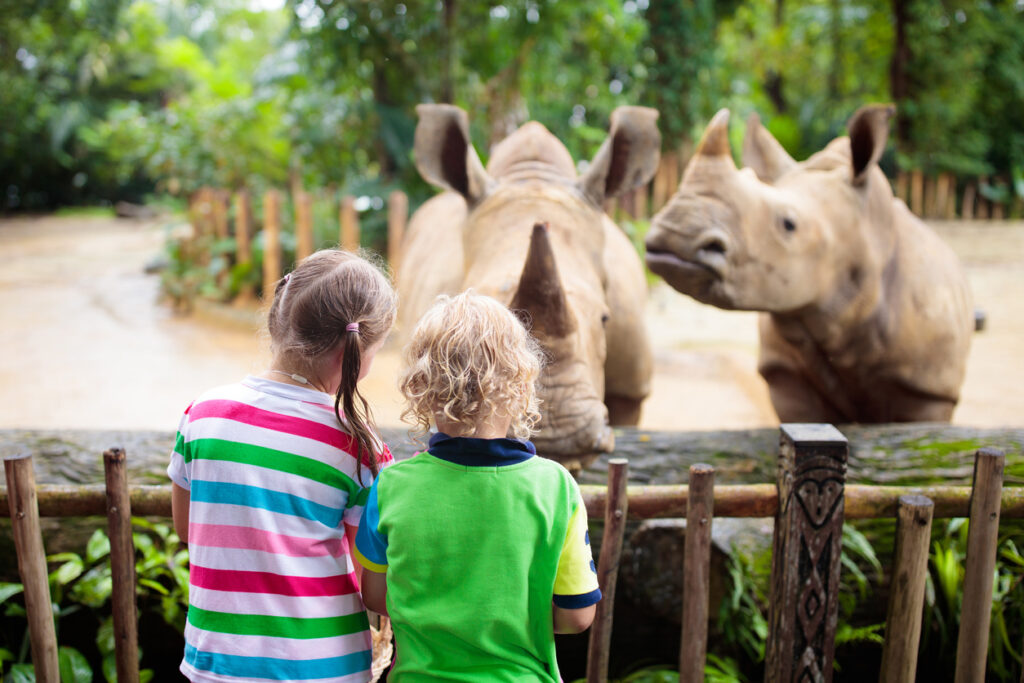
While the old-fashioned image of animals pacing in cramped Victorian cages is mostly a thing of the past, many people still feel a deep sense of unease at the idea of keeping wild creatures behind glass for our own entertainment. On one hand, modern zoos do a massive amount of work in breeding endangered species and funding global conservation projects that probably wouldn’t survive without that gate money.
On the other, no matter how much enrichment or space you provide, a captive environment can never truly replicate the vastness or the social complexity of the wild. It’s a massive ethical tug-of-war between the practical benefits of protecting a species and the moral cost of taking away an individual animal’s freedom.
1. Modern zoos participate in critical species survival programmes.
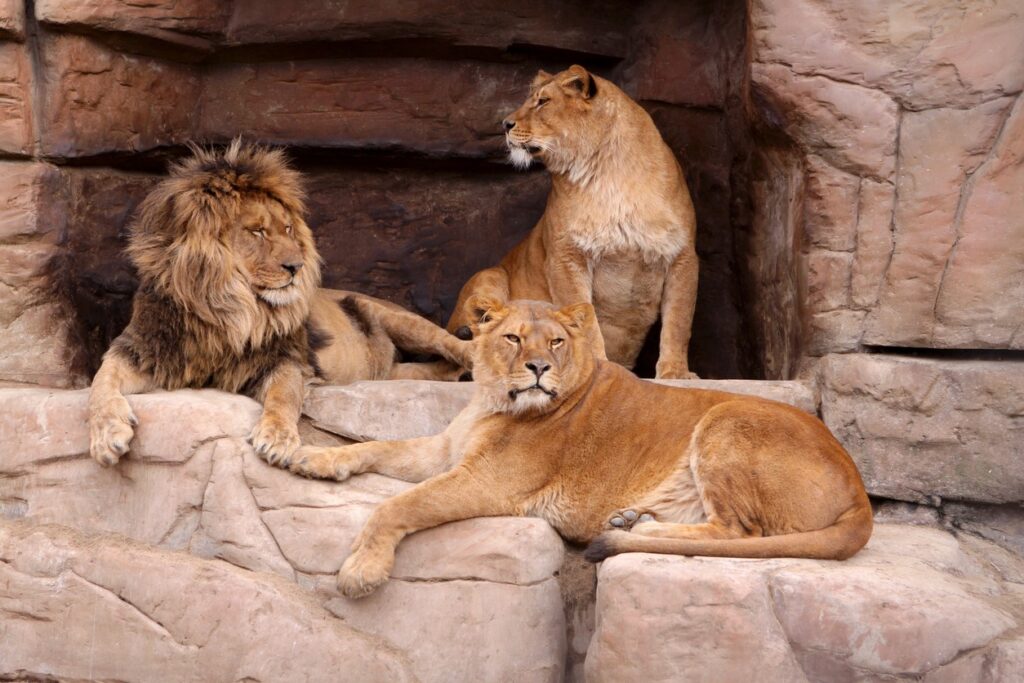
Some animals only exist today because zoos maintained breeding populations when wild numbers crashed to near extinction. The California condor, Arabian oryx, and Przewalski’s horse would all be extinct without zoo intervention and reintroduction efforts.
These programmes involve coordinated breeding across multiple institutions to maintain genetic diversity, with the eventual goal of returning animals to protected wild habitats. Critics argue that this doesn’t justify keeping thousands of other animals captive, but supporters point out that these success stories prove zoos can make genuine conservation contributions beyond just displaying animals.
2. Captivity causes measurable psychological harm to many species.

Elephants, great apes, and large predators show clear signs of stress in zoo environments through repetitive behaviours, aggression, and shortened lifespans compared to wild counterparts. These intelligent, wide-ranging animals suffer in enclosures that can’t possibly replicate the space and complexity of their natural habitats.
Polar bears pacing endlessly, elephants swaying repetitively, and orcas with collapsed dorsal fins are visible signs of animals struggling with confinement. No amount of enrichment fully compensates for the loss of freedom and natural behaviour, making the welfare cost undeniable for certain species.
3. Zoos claim to educate the public about conservation.

Millions of people visit zoos annually, potentially creating awareness about endangered species and environmental issues. Seeing animals in person supposedly creates emotional connections that inspire conservation action more effectively than documentaries or photos.
However, research on whether zoo visits actually change behaviour or increase conservation donations shows mixed results at best. People might enjoy seeing animals, but that doesn’t automatically translate into meaningful action or understanding. Critics argue that watching captive animals in artificial environments actually teaches the wrong lessons about wildlife and our relationship to it.
4. Not all zoos are created equal in their standards.
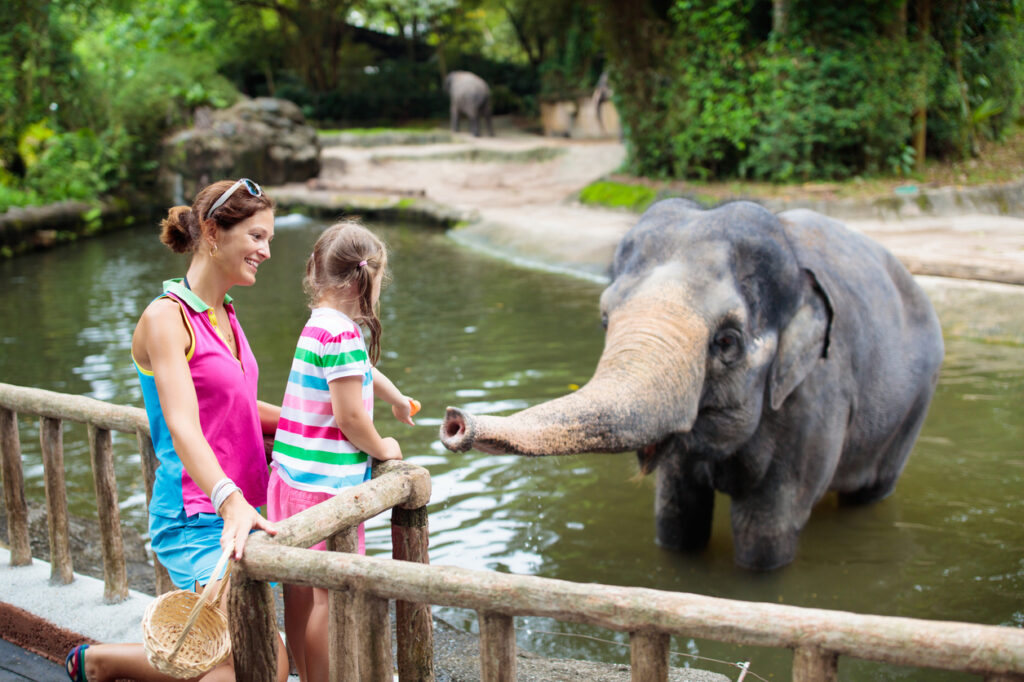
Accredited zoos in wealthy countries follow strict welfare guidelines and invest heavily in appropriate habitats and veterinary care. Roadside zoos, poorly regulated facilities in some countries, and animal parks operating primarily for profit often provide inadequate space, enrichment, and medical attention.
Painting all zoos with the same brush ignores this massive variation in quality and ethics. The argument about whether zoos should exist becomes more nuanced when you acknowledge that some facilities genuinely prioritise animal welfare, while others are essentially prisons with viewing windows.
5. Wild habitats are disappearing faster than conservation can keep up.
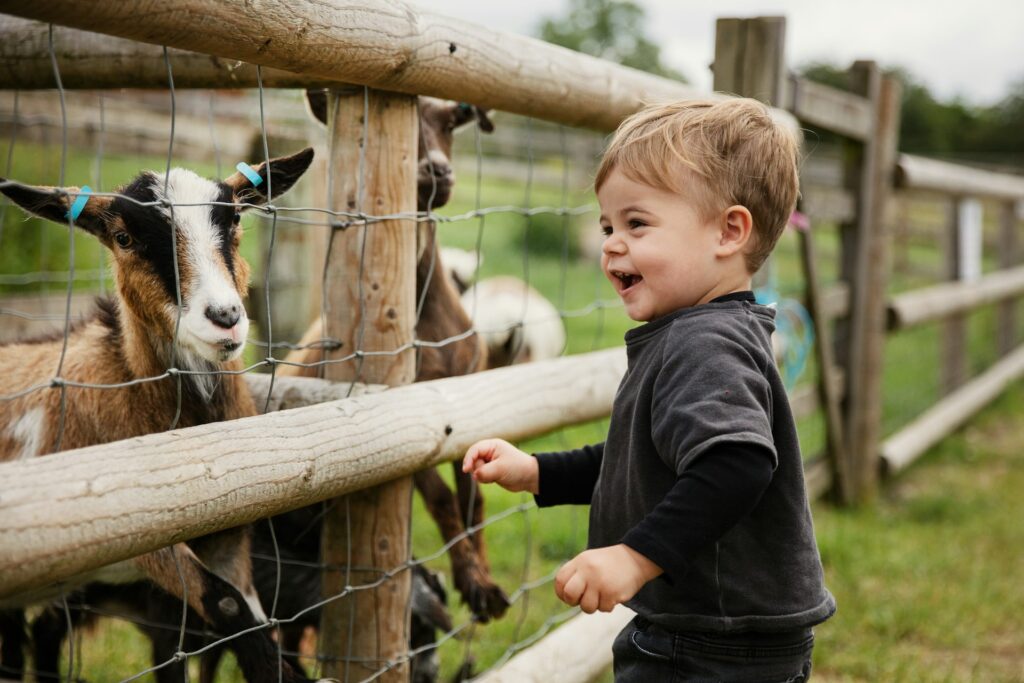
Human development, climate change, and habitat destruction mean many species have nowhere safe left in the wild. Some argue that well-managed captive populations serve as insurance against total extinction when wild habitats fail. This “ark” mentality treats zoos as necessary evils in a world where humans have destroyed so much natural habitat that captivity becomes a survival strategy.
Others counter that resources spent on zoos would be better directed towards habitat protection and addressing the root causes of extinction, rather than managing the symptoms through captivity.
6. The entertainment aspect undermines any educational mission.
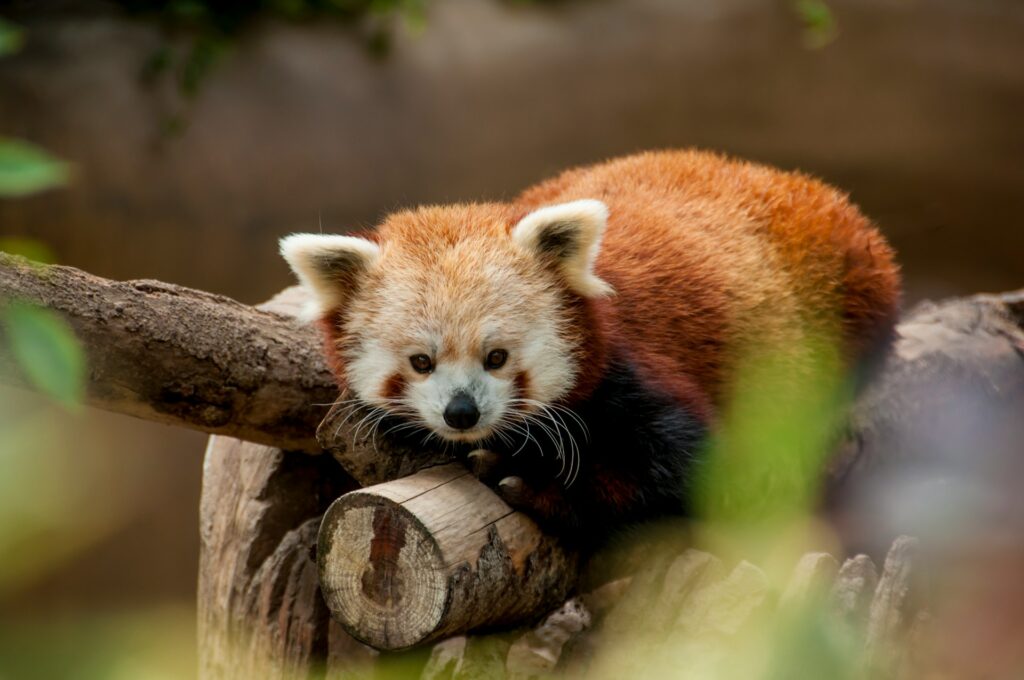
Zoos make money by attracting crowds who want entertainment, which creates pressure to display charismatic animals and create spectacles rather than focusing purely on conservation. Animal shows, feeding demonstrations, and interactive experiences prioritise visitor enjoyment over animal welfare and genuine education.
The business model requires zoos to be attractions first and conservation centres second, which compromises their stated mission. If education and conservation were the real priorities, zoos would look and operate very differently from how most of them actually function.
7. Animals bred in captivity often can’t be released into the wild.
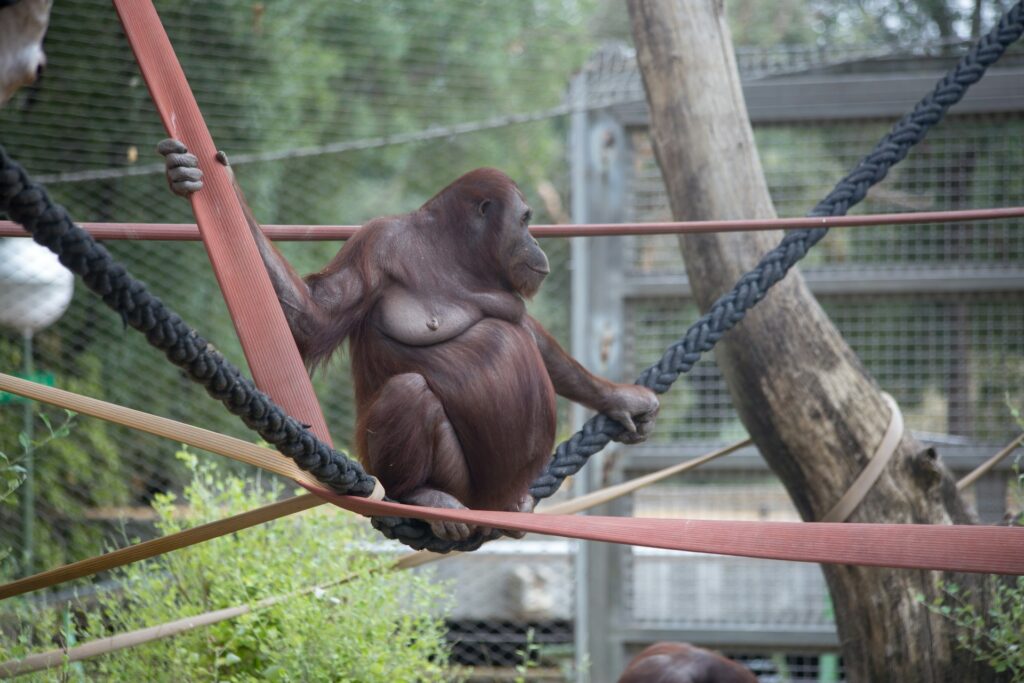
The reintroduction success stories are exceptions rather than the rule, with most zoo animals living and dying in captivity across generations. Animals born in zoos lack the skills, behaviours, and survival knowledge needed for wild life, making release impossible or deadly.
This creates permanent captive populations that serve no conservation purpose beyond genetic insurance that may never be cashed in. Critics argue this reveals zoos as collections rather than conservation tools, with most animals serving as displays rather than participants in any meaningful species recovery programme.
8. Indigenous peoples and local communities are often better wildlife guardians.
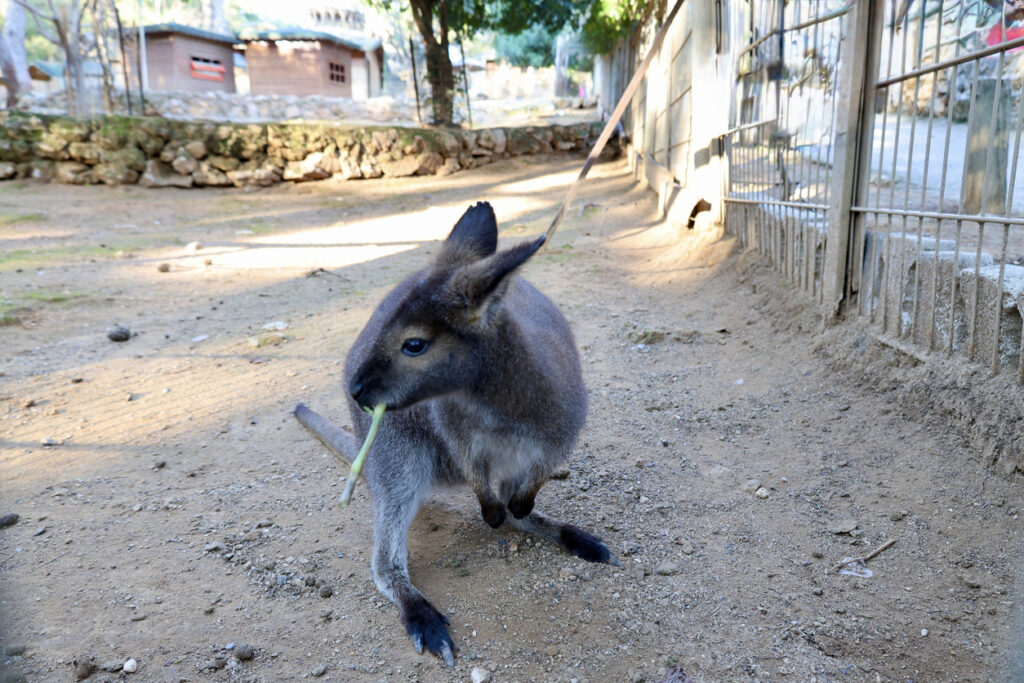
Supporting communities living alongside endangered species to protect habitats delivers better conservation outcomes than removing animals to Western zoos. Local people have generations of knowledge about wildlife and vested interests in sustainable coexistence when given resources and recognition.
The colonial history of zoos taking animals from their native lands to display in other countries adds an uncomfortable dimension to the ethics. Shifting resources from maintaining captive populations to supporting in-situ conservation respects both animal welfare and human communities.
9. Sanctuaries offer an alternative model for non-releasable animals.

Animals rescued from abuse, injuries, or illegal pet trade need somewhere to live when they can’t return to the wild. Sanctuaries provide lifetime care without breeding programmes or public display as entertainment, focusing purely on animal welfare.
This model could replace traditional zoos by housing only animals that genuinely need human care, rather than purposely breeding more captive generations. The counterargument is that sanctuaries lack resources to maintain genetically diverse populations or fund large-scale conservation research that some major zoos contribute.
10. The question isn’t whether zoos should exist, but what purpose they should serve.
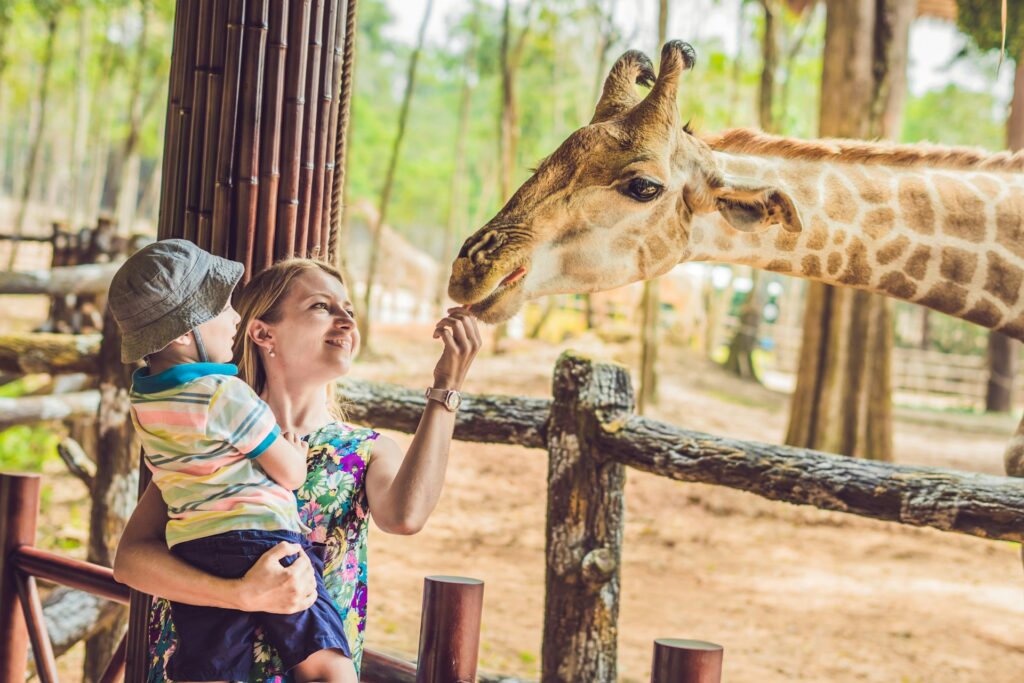
Perhaps the debate should focus on transforming zoos rather than eliminating them entirely. Phasing out species that clearly suffer in captivity while maintaining breeding programmes for critically endangered animals creates a middle ground. Zoos could become conservation centres and education facilities that don’t prioritise entertainment or keeping animals that don’t belong in captivity.
This requires fundamental changes to business models, regulations, and public expectations about what zoos are for. The animals currently in zoos need somewhere to live regardless of philosophical debates, so the practical question becomes how to improve their welfare while reconsidering what captivity should look like going forward.