We’ve been conditioned to think that any animal kept behind glass or wire is miserable, pining for a wild world that’s actually trying to kill them every single day.

The truth is that for some species, the “great outdoors” is just a stressful cycle of avoiding predators and wondering where the next meal is coming from. While keeping a whale in a tank is obviously a disaster, there are plenty of smaller creatures that find a controlled environment to be a total upgrade. When you take away the threat of being eaten and replace it with a temperature-controlled room and a guaranteed dinner, these 12 animals don’t just survive; they actually live longer, healthier lives than they ever would in the wild.
Giant pandas have better survival rates in captivity.
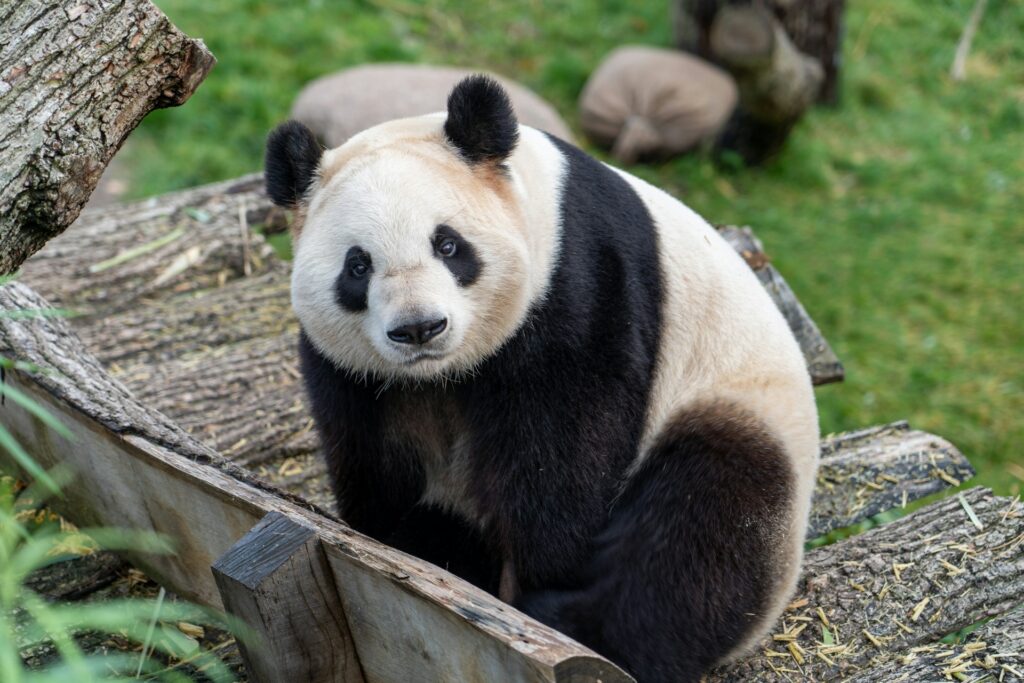
Wild pandas face massive habitat loss and struggle to find enough bamboo to survive. In good zoos, they’re provided with consistent nutrition, veterinary care, and protected breeding programmes that have actually increased their population. Captive pandas live longer on average than wild ones because they’re not dealing with food scarcity or human encroachment. The breeding programmes have been so successful that pandas are now being reintroduced to the wild, which wouldn’t be possible without captive populations keeping the species going.
Flamingos form stable colonies and breed readily.
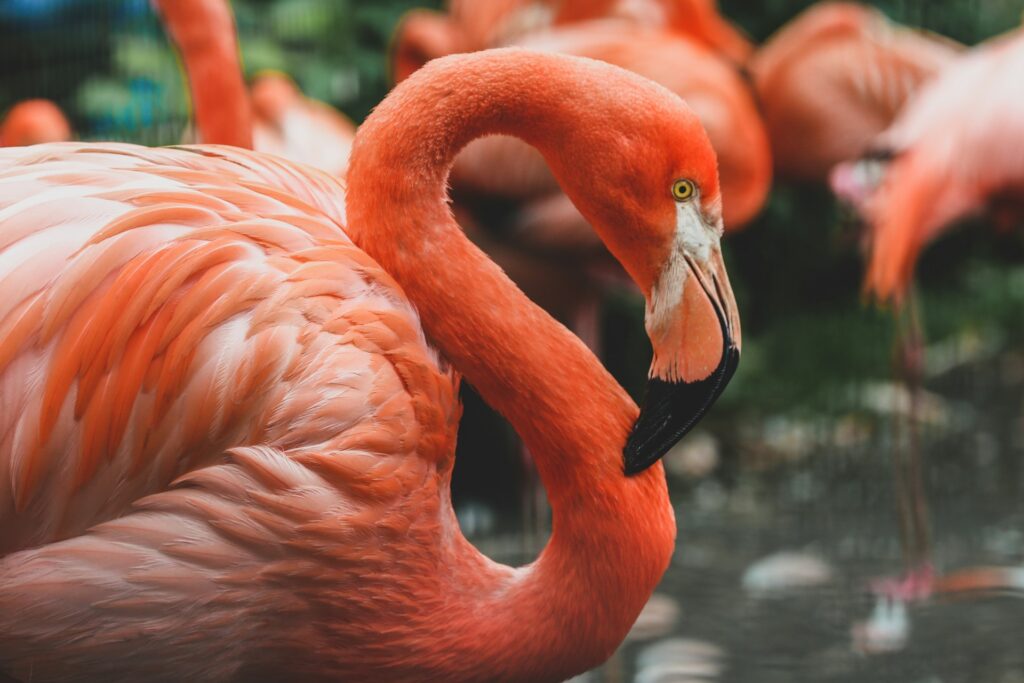
Flamingos in well-designed zoo habitats often outlive their wild counterparts because they’re protected from predators and provided with proper nutrition. They’re social birds that need large groups, and zoos can maintain these flocks in ways that support their natural behaviour. Captive flamingos regularly breed and raise chicks successfully when given appropriate conditions. Their vibrant colour is actually maintained better in captivity when their diet includes the right nutrients.
California condors were saved from extinction through captive breeding.
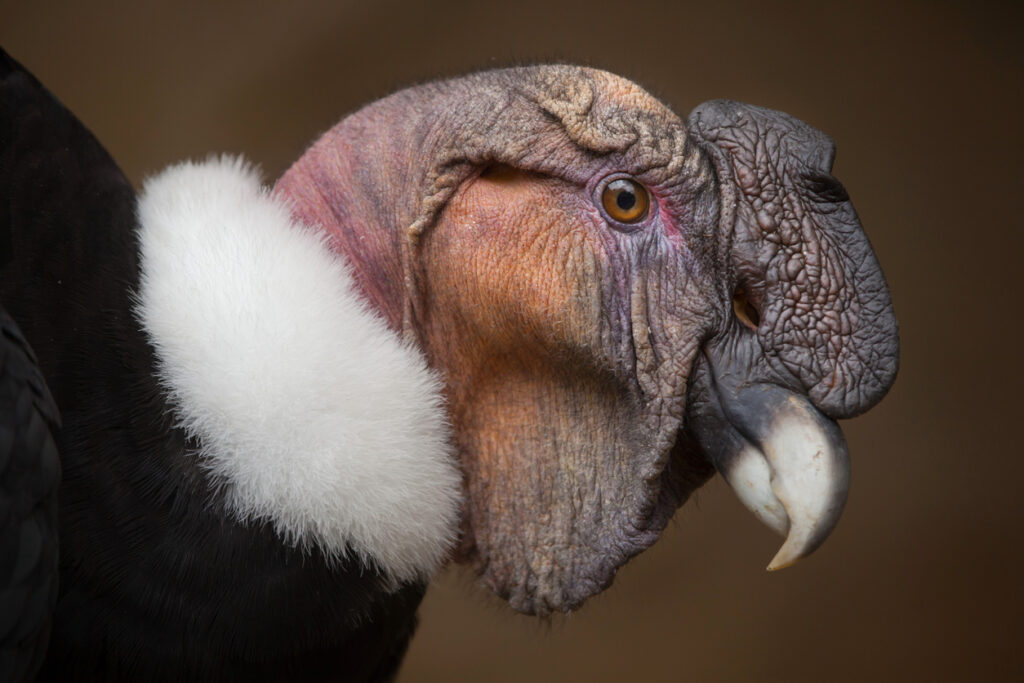
By 1987, only 27 California condors remained in the world, and all were brought into captivity to prevent extinction. The breeding programme was so successful that hundreds now exist, with many released back into the wild. These birds receive protection from lead poisoning, which kills wild condors, and veterinary care that dramatically improves survival rates. Without captivity, this species would be completely gone.
Penguins often live significantly longer in zoos.
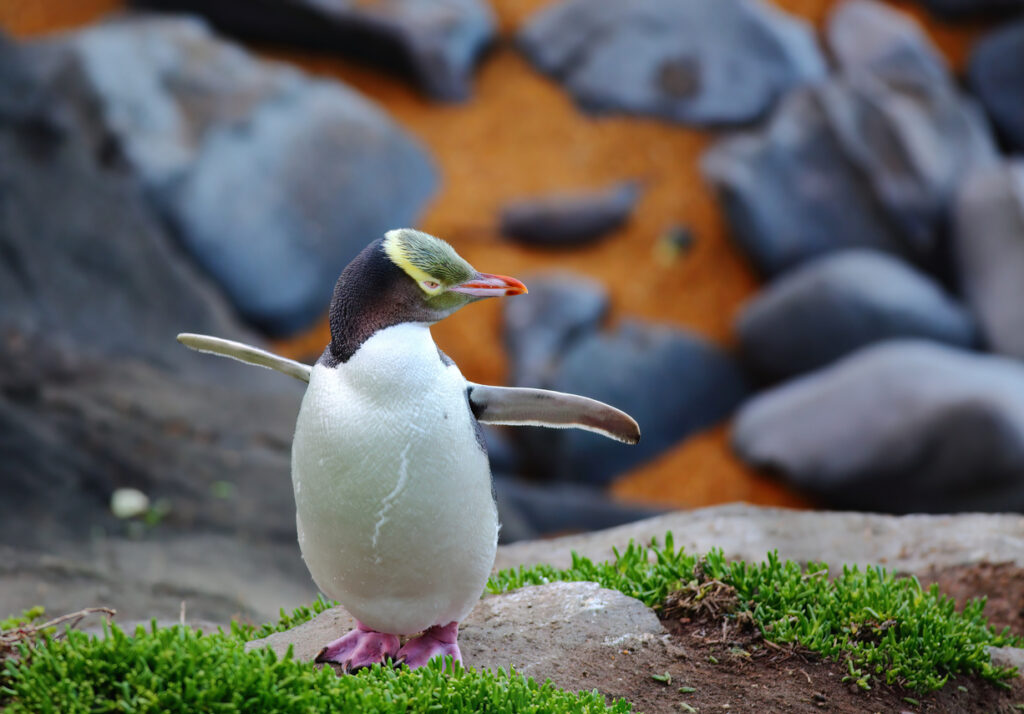
Many penguin species thrive in captivity when given cold environments and proper care. They’re protected from predators, oil spills, and fishing net entanglement that kill thousands in the wild. Captive penguins receive regular health checks and treatment for parasites that would weaken them naturally. Several species breed readily in zoos, and their social structures remain intact when colonies are properly managed.
Przewalski’s horses only exist because of captive breeding.
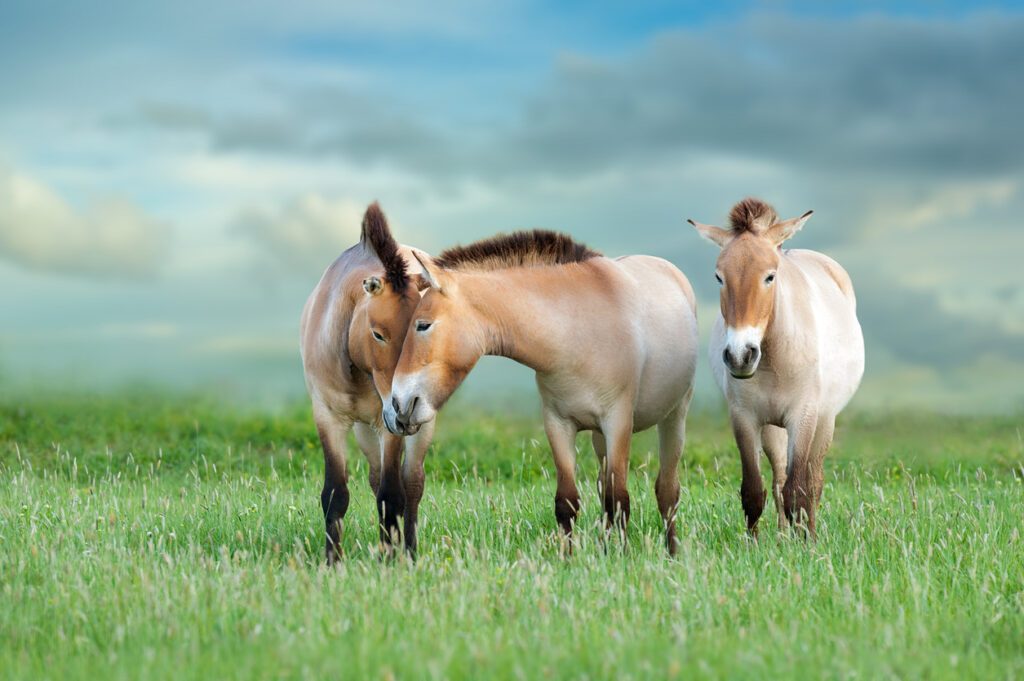
These horses became extinct in the wild in the 1960s but survived in zoos and breeding programmes. Captive populations were carefully managed to maintain genetic diversity, and now they’re being successfully reintroduced to Mongolia. Every Przewalski’s horse alive today descends from captive breeding efforts. They’ve actually adapted well to managed care and maintain their wild behaviours even when born in captivity.
Poison dart frogs are healthier in controlled environments.
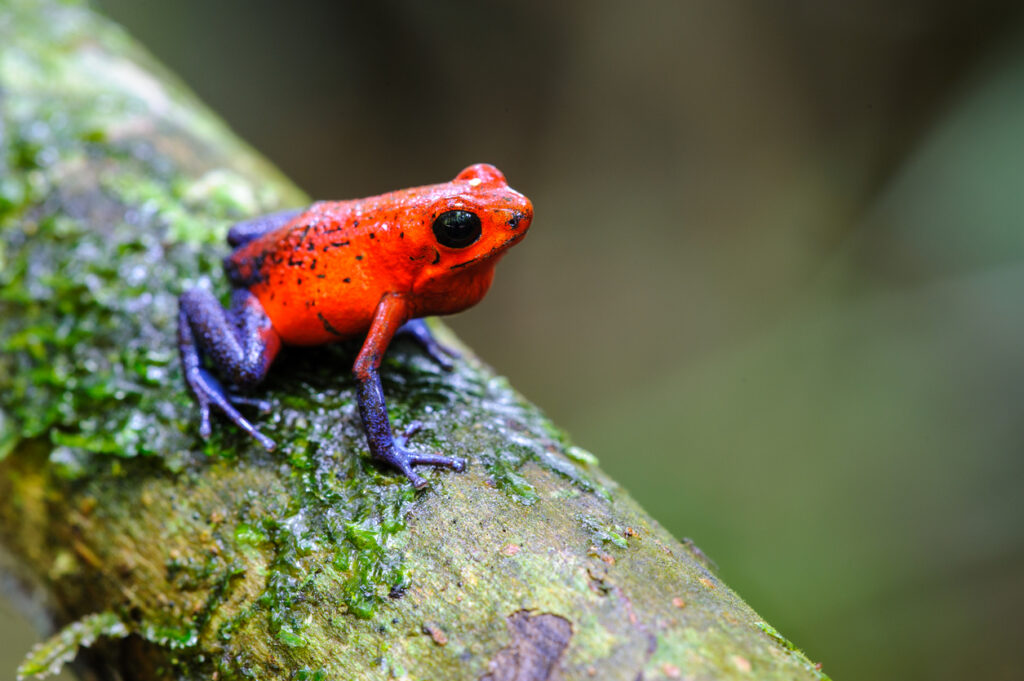
These tiny frogs face habitat destruction and disease in the wild, particularly the deadly chytrid fungus that’s wiping out amphibian populations globally. In captivity, they’re protected from this disease and provided with stable temperatures and humidity. They breed readily in terrariums and actually lose their toxicity in captivity because they can’t eat the specific insects that make them poisonous. Captive breeding programmes are essential for preserving species that are disappearing from the wild.
Naked mole rats live dramatically longer in laboratories.
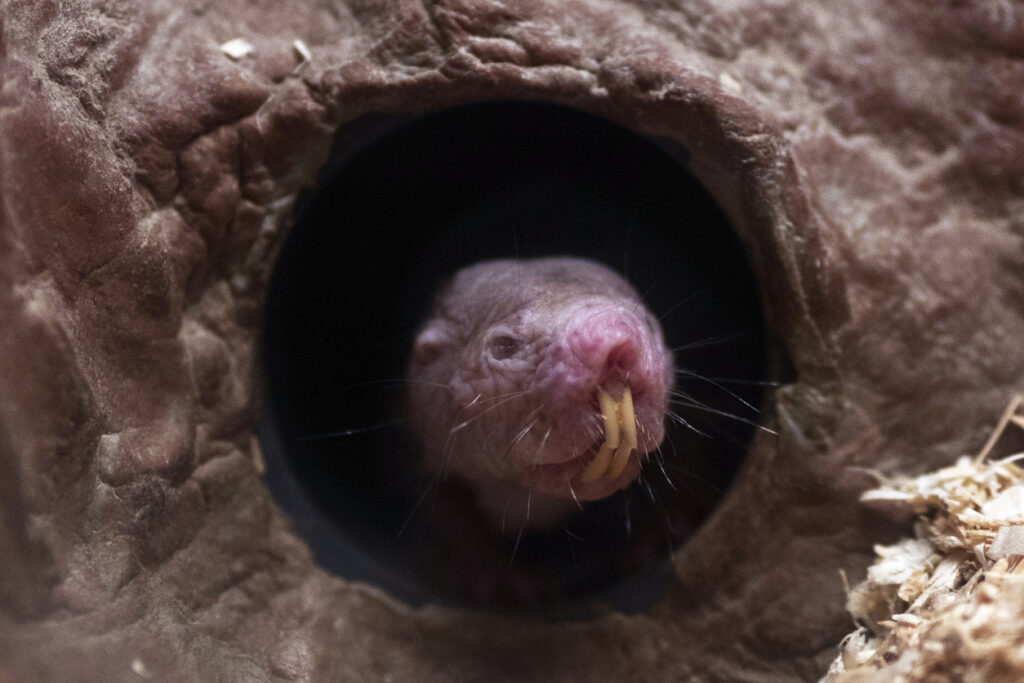
These strange rodents can live over 30 years in captivity compared to much shorter lifespans in harsh underground burrows. They’re protected from predators, flooding, and food scarcity that kill wild colonies. Research facilities provide stable temperatures and consistent nutrition, which allows scientists to study their remarkable resistance to cancer and ageing. Their complex social structures remain intact in captivity when colonies are properly maintained.
Axolotls are nearly extinct in the wild but common in captivity.

Wild axolotls only exist in a few Mexican canals and are critically endangered due to pollution and habitat loss. In aquariums and research facilities, they thrive and breed easily, maintaining healthy populations. Captive axolotls are actually healthier than wild ones because they’re not exposed to pollutants and predators. The species survives almost entirely due to captive breeding at this point.
Arabian oryx were brought back from extinction in captivity.
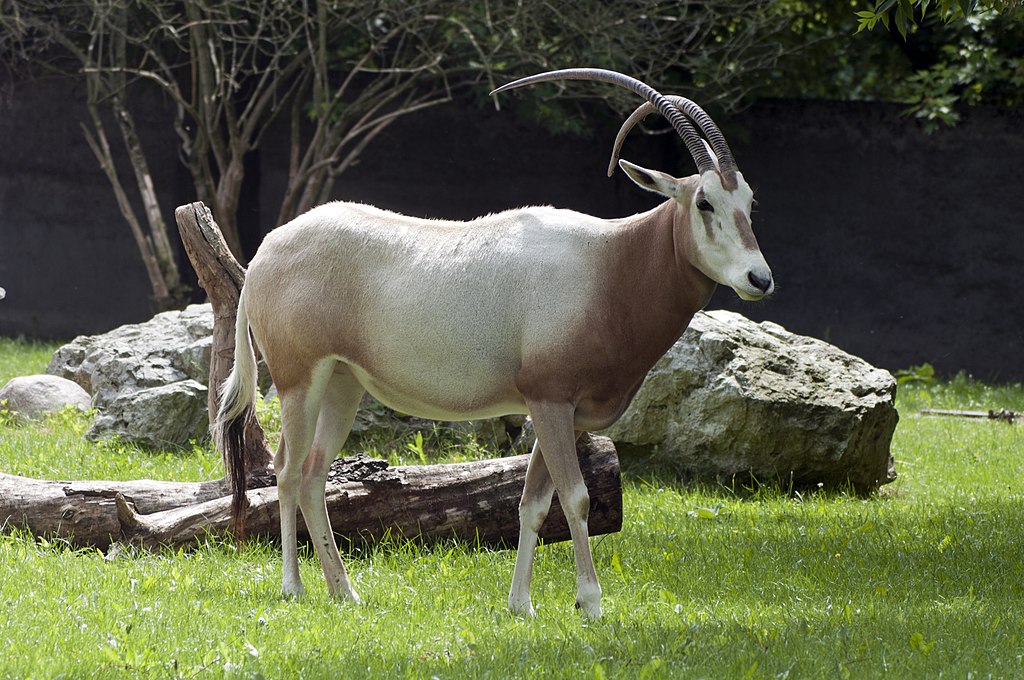
These antelopes were hunted to extinction in the wild by 1972, but captive populations in zoos kept the species alive. Breeding programmes were so successful that oryx were reintroduced to protected areas in the Middle East. They now exist in the wild again solely because of captive conservation efforts. Zoo-born oryx adapted well to reintroduction, proving that captivity can successfully preserve species for eventual release.
Leafcutter ants create thriving colonies in controlled settings.

These ants are popular in zoo exhibits and research facilities because they maintain their complex social structures perfectly in captivity. They’re provided with fresh leaves and protection from the parasites and fungal infections that threaten wild colonies. Captive colonies often grow larger than wild ones because they’re not limited by environmental stresses. Their fascinating behaviour remains completely natural in well-designed enclosures.
Jellyfish live longer in proper aquarium conditions.
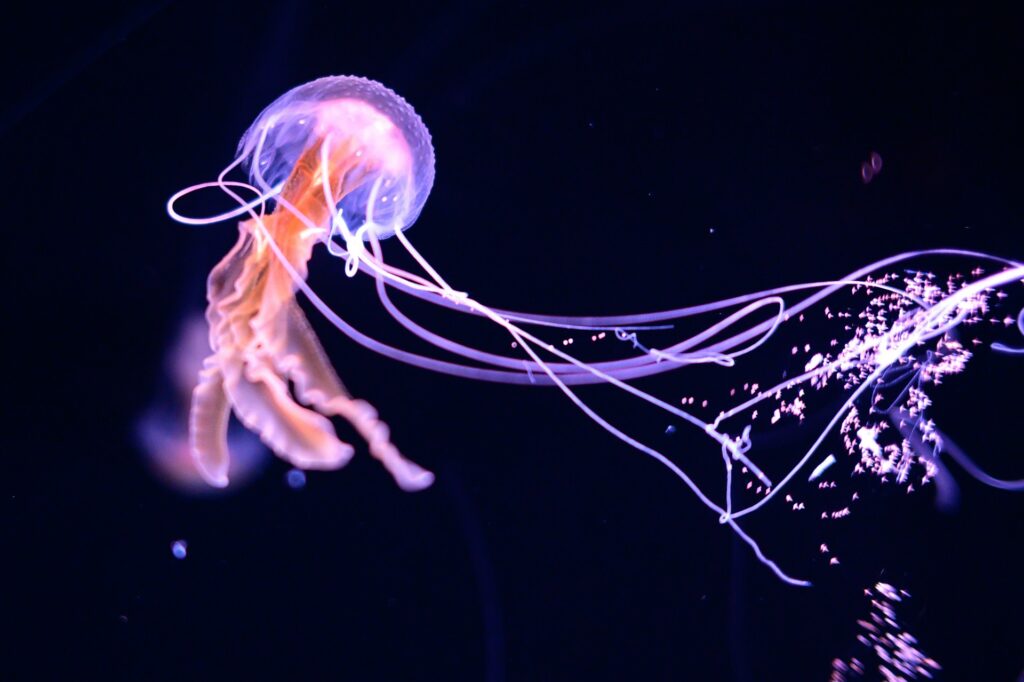
Many jellyfish species are difficult to study in the wild but thrive in specially designed aquarium systems. They’re protected from predators and provided with consistent food sources, which extends their lifespans considerably. Aquariums have mastered breeding programmes for species that were previously impossible to keep alive. The controlled water flow and temperature in tanks actually suits their biology better than unpredictable ocean conditions in some cases.
Aldabra giant tortoises outlive wild populations.
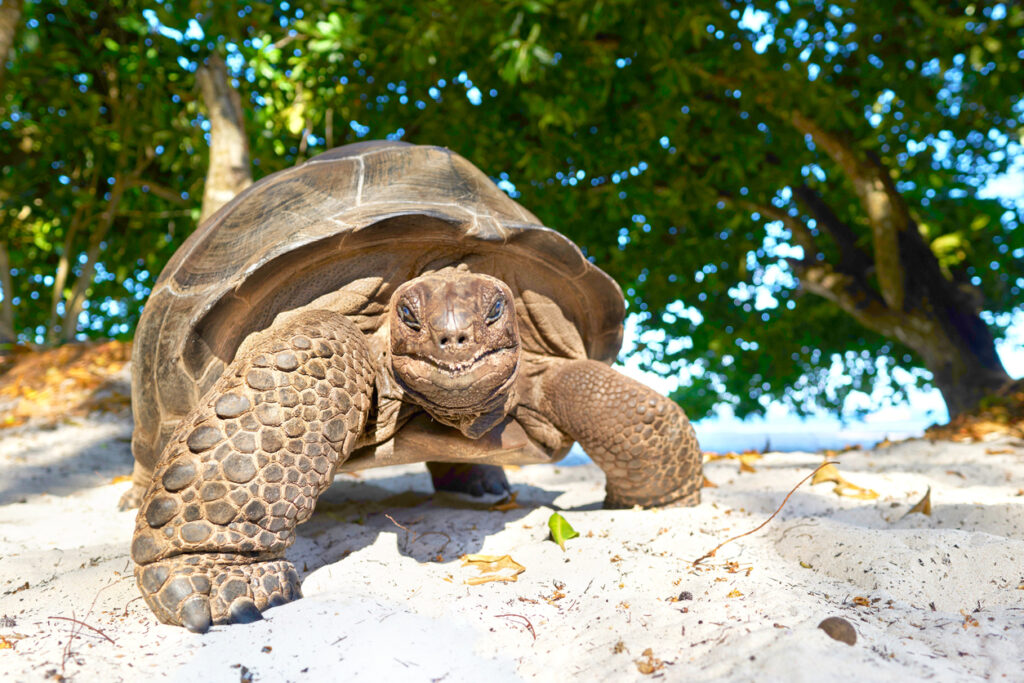
These massive tortoises can live over 150 years in captivity with proper care, often exceeding wild lifespans. They’re protected from habitat destruction, poaching, and introduced predators that threaten island populations. Captive tortoises receive veterinary care for injuries and illnesses that would be fatal in the wild. Their slow metabolism and simple needs mean they adapt remarkably well to zoo environments while maintaining natural behaviours.