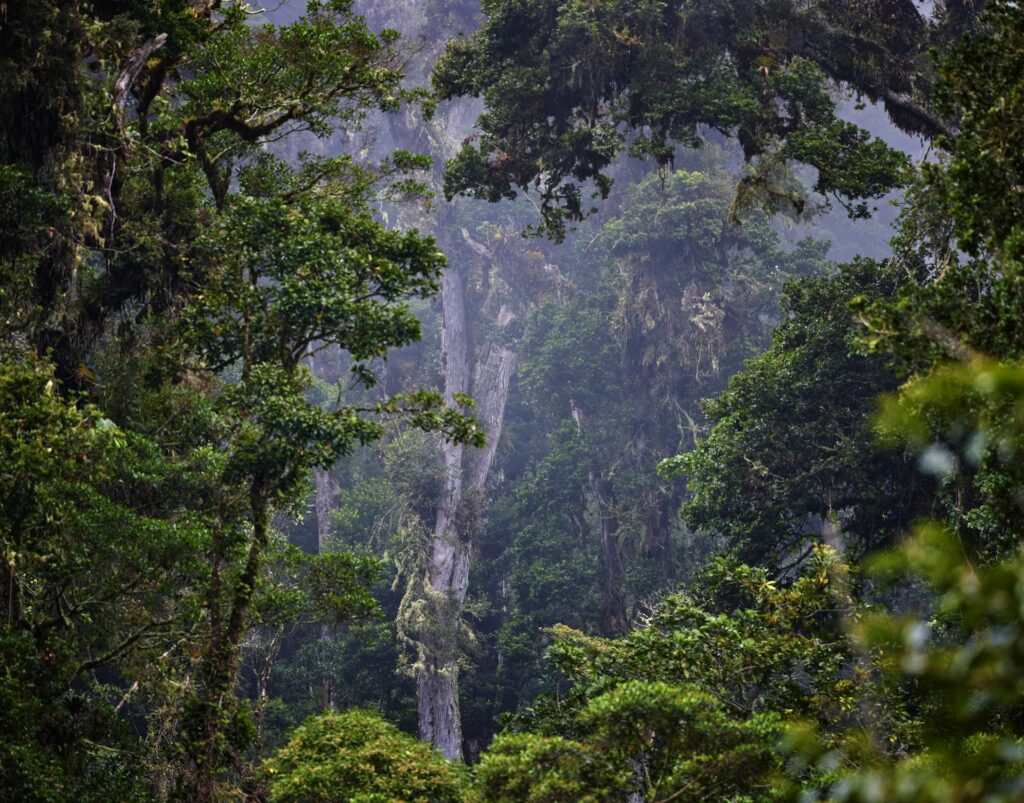
Biodiversity hotspots are parts of the world that have loads of different plants and animals, including many that live nowhere else, but they’re also places that have been badly damaged by humans. They matter because protecting a hotspot can save a huge amount of life in a relatively small area. Think of them like nature’s most crowded neighbourhoods, where the homes are being knocked down fast, so there’s a real rush to protect what’s left.
A hotspot is a place with lots of life packed into a small area.
Some places are bursting with different species, even if they don’t look that big on a map. Hotspots are known for having a huge mix of wildlife compared to most places, which is why scientists pay so much attention to them. That doesn’t just mean big animals you can spot easily. It includes plants, insects, frogs, birds, fungi, and all the smaller life that keeps ecosystems working properly, even if people rarely notice it day to day.
It’s not just rich in species, it’s rich in rare ones.
A key part of the idea is endemics, which means species that only live in that one place. If that place is damaged, those species can’t just move somewhere else and start fresh. That’s what makes hotspots feel so vitally important. Losing a rare plant from one small area can mean it’s gone from Earth completely because it never existed anywhere else in the first place.
@worldeconomicforum Just 2.5% of Earth’s land area is home to 43% of unique species. Tap the link in our bio for more #biodiversity #nature #environment #plants #animals #conservation #ecosystem ♬ original sound – World Economic Forum
Hotspots are also places that have lost a lot of habitat.
A place doesn’t become a hotspot just because it’s beautiful and full of wildlife. It also has to be under serious threat, usually because forests, wetlands, or grasslands have been cleared, drained, or chopped into smaller patches. When habitat breaks up, animals and plants can end up stuck in tiny pockets of land. That can make it harder for them to find food, breed, and survive long-term, even if the area still looks green from a distance.
The point is to focus conservation where it can save the most.
Money and time for conservation are limited, so people look for smart ways to use them. Hotspots are one way to decide where help is likely to save the most species in the quickest time. If you protect a hotspot, you’re often protecting lots of life in one go, including many species that can’t be saved anywhere else. It’s a bit like fixing the most damaged part of a roof before the whole house floods.
A hotspot can be a forest, an island, or even a mountain range.
Hotspots aren’t one type of landscape. Many are tropical forests, but others are islands, coastal areas, dry scrublands, or mountain regions where different habitats sit close together. Mountains are common because changes in height create different climates and plant zones. You can have warm valleys and cold peaks in the same region, which lets many different species live close together.
Islands often become hotspots because they evolve their own wildlife.
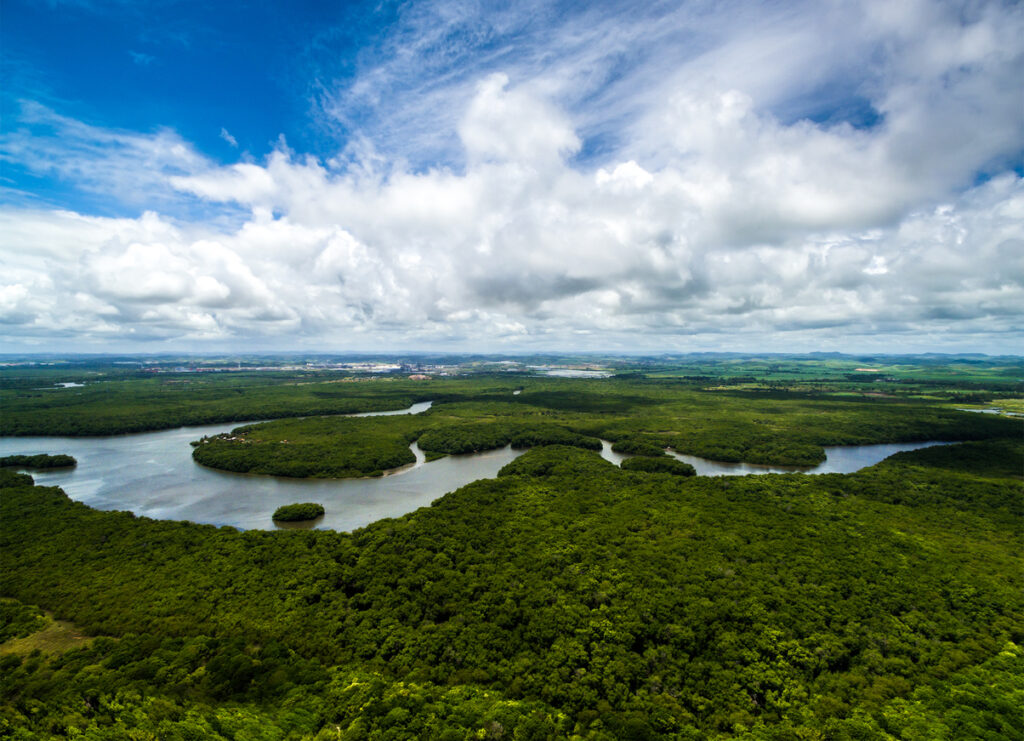
On islands, animals and plants can get cut off for long periods, which means they evolve in their own direction. Over time, you end up with species that look and behave differently from their mainland cousins. This is why places like Madagascar and the Philippines are famous for unique wildlife. The downside is that island habitats can be easier to damage quickly because there’s less space and fewer safe areas to retreat to.
There are specific rules used to define hotspots.
The most common definition used by conservation groups is based on plants because plants form the base of most land ecosystems. A hotspot usually needs a high number of native plant species found nowhere else. It also needs to have lost a big chunk of its original habitat. That’s the part that turns it from interesting into urgent, as it shows the area is running out of room for wildlife to survive.
Hotspots don’t cover most of Earth, but they hold a big share of its biodiversity.
One reason people talk about hotspots so much is how much they contain compared to their size. They’re like a small set of shelves holding a huge part of the library, so losing them would mean losing a lot at once. That’s why they’re often described as a big opportunity. Save a smaller area, and you protect a lot of life that would otherwise be at risk, including wildlife most people have never even heard of.
@sacramentofoodforest #greenscreen #conservation #plants #biodiversity Let’s talk about biodiversity hotspots and why there are so important. Biodiversity hotspots cover only 2.3 percent of the world but are home to over half of the worlds plants and animals. If you care about conservation and wildlife please plant some native plants instead of grass lawns. And leave no trace when you hike in nature. Mother Nature will thank you. #nativeplants #nativetiktok #nativeplanttok #animals #wildlife #learnontiktok #biology #ecology #botany #science #environment #cities #deforestation #habitat #insecure #birds #trees #unitedstates #california #eco #ecosystem #leavenotrace #dontdoomthebloom ♬ Emotional Cinematic Sad Violin and Piano – ISAo
Examples include the Tropical Andes, Madagascar, and the Mediterranean basin.
The Tropical Andes in South America is often named as one of the richest places for plants and animals, with many species living in small pockets along mountain slopes. Madagascar is another, with lots of wildlife found nowhere else. The Mediterranean basin is also a hotspot, which surprises some people because it includes parts of southern Europe. It shows hotspots aren’t only deep jungle places, they can be regions people holiday in without realising how special the wildlife is.
Protecting hotspots helps people too, not just wildlife.
Healthy habitats help with clean water, healthy soil, food crops, and protection from floods and heat. When a hotspot area is damaged, local communities can feel it fast because nature isn’t just scenery, it’s basic support. Saving a hotspot isn’t only about rare animals. It’s also about keeping the land and water working in a way that supports human life, now and later, especially in places where people rely directly on forests, rivers, and stable weather.