
When a massive storm or fire hits, we’re usually focused on the human cost, but for the local wildlife, it is a total overhaul of their entire reality in an instant. Animals have spent millions of years fine-tuning their instincts to sense a change in air pressure or a subtle vibration in the ground, often fleeing long before we’ve even looked at a weather app.
However, surviving the initial event is often just the start of the struggle, as a flood or a drought doesn’t just move them out of their homes—it completely wipes out their food sources and messes with the territories they’ve spent years established. You’ll find that while some species are incredibly resilient and can adapt to the new landscape in days, others end up completely stranded when the environment they rely on vanishes overnight. It’s a brutal reminder that for animals, a natural disaster isn’t just a news headline; it’s a permanent change to the rules of their survival.
Floods drown animals that can’t escape fast enough.
When floodwaters rise quickly, ground-dwelling animals like rabbits, hedgehogs, and reptiles often can’t reach higher ground in time. Small mammals living in burrows get trapped as water fills their homes, and they drown within minutes. Livestock in fields can’t always make it to safety before flood levels become too deep to wade through.
Even strong swimmers struggle when currents are powerful, getting swept away and exhausted before finding dry land. Birds nesting on the ground lose their eggs and chicks to rising water, wiping out entire breeding seasons. The speed of the flood matters enormously, flash floods kill far more animals than slowly rising water that gives creatures time to relocate.
@parismccann2 Some of the main animals effected by climate change ☀️ you can adopt and help some of these animals over at @WWF @WWF UK . #climatechange #polarbear #seaturtle #coral #fyp ♬ Blade Runner 2049 – Synthwave Goose
Wildfires kill animals outright or destroy their entire habitat.
Fast-moving fires trap wildlife with no escape route, killing them from burns, smoke inhalation, or heat exposure. Animals that survive the flames often find their territory completely destroyed, with no food, shelter, or water sources remaining. Koalas and other tree-dwelling animals are particularly vulnerable because they can’t outrun fires and their habitat burns intensely.
The smoke itself causes respiratory damage that can kill animals days or weeks later, even if they escaped the actual flames. Burrow-dwelling animals sometimes survive underground only to emerge into a scorched landscape where they can’t find food. Recovery takes decades because the entire ecosystem needs to regrow from scratch.
Hurricanes and storms physically injure and disorient wildlife.
High winds slam animals into trees, buildings, and the ground, causing injuries ranging from broken bones to fatal trauma. Birds get blown hundreds of miles off course, ending up in completely wrong habitats where they can’t survive. Marine animals get washed inland by storm surges, stranding them in places they can’t escape from.
Flying debris acts like shrapnel, hitting animals that are trying to shelter from the storm. The atmospheric pressure changes and noise also disorient animals, making them behave erratically and putting them in more danger. Baby animals and nests are particularly vulnerable, getting ripped from trees or destroyed by the sheer force of the wind.
@dailymail Humans aren’t the only ones affected by the earthquake in Taiwan. Footage shows dogs and cats reacting to the magnitude 7.4 quake. 🎥 AP / caleb.mok / X #earthquake #taiwan #quake #pets #animals #news ♬ i was only temporary – my head is empty
Earthquakes collapse dens, nests, and underground networks.
The ground shaking violently brings down trees where birds nest, crushes burrows where mammals shelter, and destroys cave systems that bats and other animals depend on. Animals living underground at the time get trapped and buried, suffocating or starving before they can dig out.
The structural damage to habitats is immediate and often permanent, forcing survivors to find completely new territories. Ground-nesting birds lose entire breeding sites when the earth shifts and cracks. Even animals that survive the initial quake face ongoing danger from aftershocks that continue destabilising their environment. Coral reefs can be damaged by underwater earthquakes, affecting entire marine ecosystems.
Droughts force animals into desperate competition for water.
When water sources dry up, animals crowd around the few remaining pools, creating intense competition and increasing disease transmission. Herbivores starve as vegetation dies off, and predators struggle because their prey becomes scarce and weak. Animals are forced to travel much further than normal to find water, expending energy they can’t replace and entering unfamiliar territories.
Aquatic species die in large numbers as rivers and ponds evaporate, leaving fish stranded in shrinking pools. The stress of drought makes animals more vulnerable to disease and less able to reproduce successfully. Young animals and elderly ones typically die first because they can’t compete effectively for limited resources.
Tsunamis devastate coastal and marine ecosystems completely.
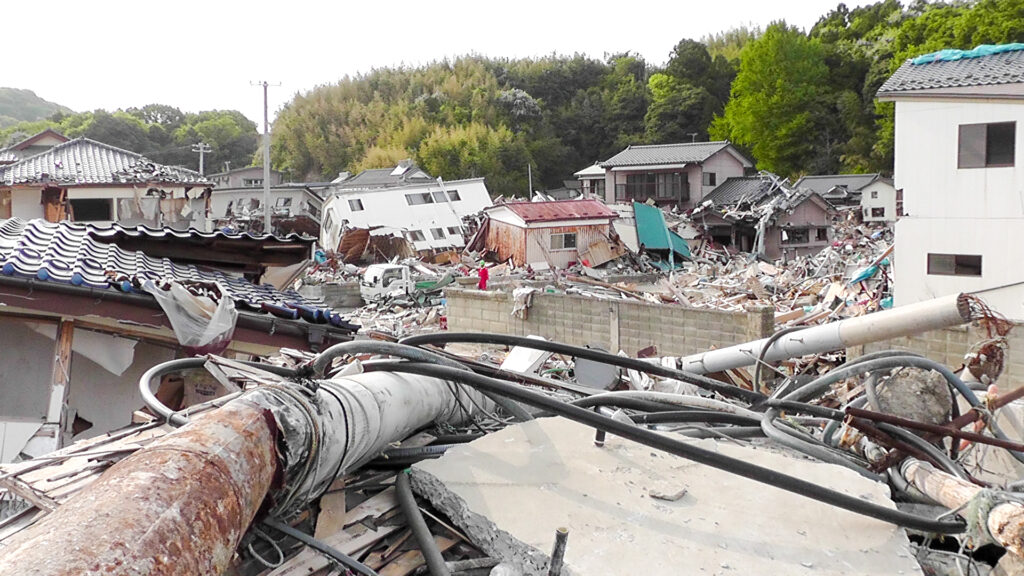
The massive waves destroy coastal nesting sites, washing away eggs, young animals, and the vegetation they depend on. Marine life gets dragged inland by the surge and then left stranded as the water recedes, dying slowly from exposure and dehydration. Coral reefs get smashed by debris and sediment, taking decades to recover if they survive at all.
Fish populations get scattered across completely unsuitable areas, and many species can’t navigate back to their normal habitats. The mixing of saltwater with freshwater ecosystems kills animals adapted to either extreme. Coastal birds lose their feeding grounds and nesting areas in a single event.
Extreme temperature events cause mass die-offs.
Heatwaves kill animals through hyperthermia when they can’t regulate their body temperature effectively, particularly affecting species that can’t sweat or pant efficiently. Cold snaps freeze animals that aren’t adapted to sudden temperature drops, and ice storms trap them without access to food.
Bats in particular suffer during unexpected warm spells in winter that wake them from hibernation prematurely, burning through energy reserves they need to survive until spring. Marine heatwaves bleach coral and kill fish in massive numbers across entire regions. Birds caught in ice storms can’t fly properly with frozen wings and starve because they can’t hunt.
Natural disasters destroy food chains from the bottom up.
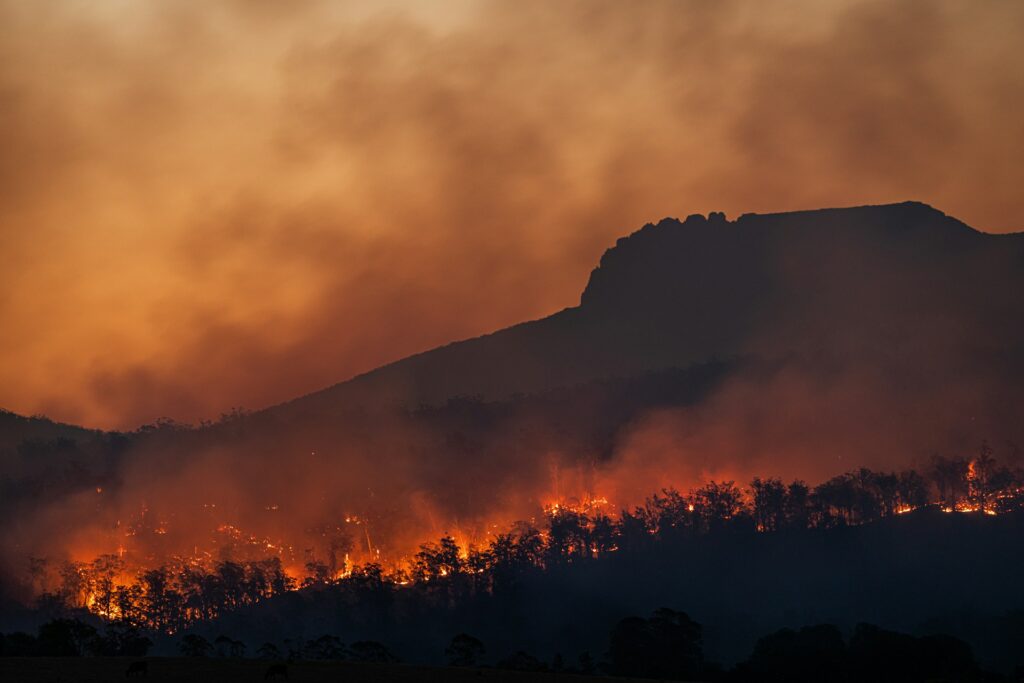
When vegetation gets wiped out by fire, flood, or storm, herbivores lose their food source immediately. This starvation then affects predators who depend on those herbivores, creating a cascade effect through the entire ecosystem. Insects that pollinate plants or serve as food for other species disappear, disrupting multiple dependent relationships.
The recovery isn’t simultaneous either, plants might regrow before the insects that pollinate them return, creating mismatches. Predators forced to hunt in new areas come into conflict with other predator populations, and the competition can be fatal. The entire food web gets disrupted for years after a major disaster.
Animals face increased human conflict after losing their habitats.
When natural disasters destroy wildlife territories, animals move into human-populated areas searching for food and shelter. This leads to increased culling of animals perceived as threats or pests, adding human-caused deaths to the disaster toll. Scared and desperate animals behave more aggressively than they normally would, resulting in dangerous encounters.
Farmers shoot animals raiding crops because their natural food sources are gone. Roads see more wildlife collisions as animals travel through unfamiliar territory looking for resources. The human response to displaced wildlife often causes more deaths than the original disaster.
Recovery takes far longer than most people realise.
Even after the immediate danger passes, animal populations struggle for years or decades to bounce back. Breeding cycles get disrupted, and it takes multiple generations to rebuild numbers. Slow-breeding species like elephants or large birds might never fully recover if too many individuals died.
The habitat needs to regenerate before animal populations can return, and that process alone takes years. Genetic diversity gets reduced when populations crash, making the survivors more vulnerable to disease and future disasters. Some species never return to areas where they were wiped out, permanently changing the ecosystem. The true impact of a natural disaster on wildlife extends far beyond the immediate death toll.