If you’re looking for a proper, raw slice of the wild, Zambia is where the real action is.

It’s not just about the usual suspects you see on a postcard; it’s the sheer variety of life that manages to thrive in some of the most dramatic landscapes on the planet. From the Luangwa Valley, where leopards are basically the local celebrities, to the swamps where prehistoric-looking birds lurk in the reeds, the animals here aren’t just surviving—they’re running the show.
You’ve got elephants that wander through hotel lobbies like they own the place, and bats that migrate in such massive numbers they literally blot out the sun. It’s a place that doesn’t feel like it’s been tidied up for tourists, making every encounter feel like a genuine, unscripted moment in a world that’s remained unchanged for thousands of years.
African wild dogs are some of the continent’s rarest predators.
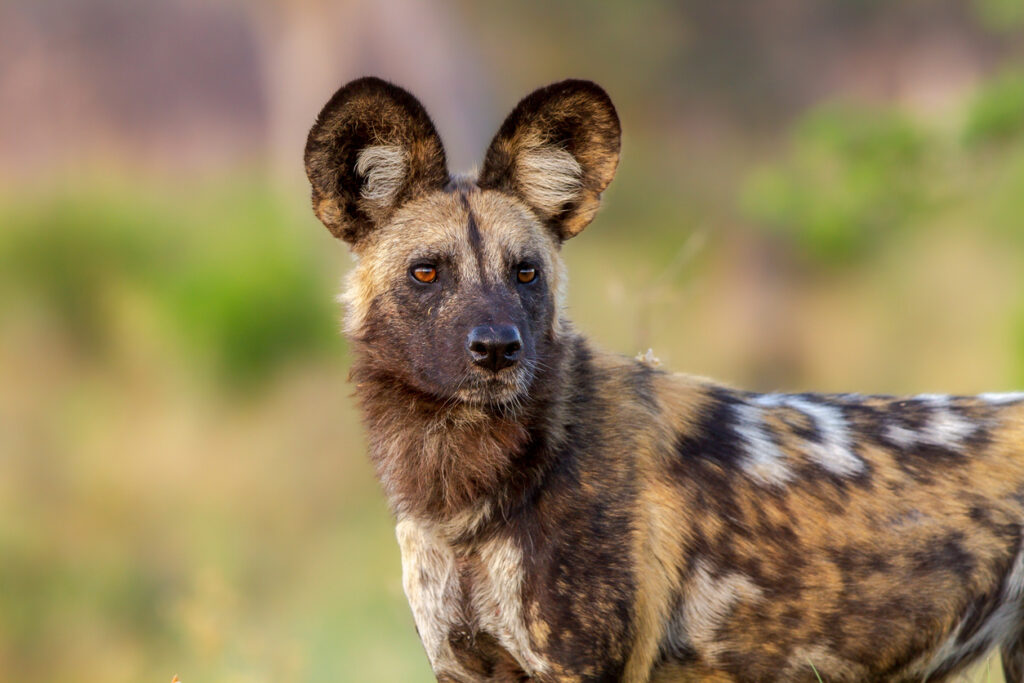
Zambia is one of the last strongholds for African wild dogs, with healthy populations in places like South Luangwa and Kafue National Park. These incredibly social animals hunt in packs of up to 20 individuals with a success rate of about 80%, making them Africa’s most efficient predators.
Each dog has totally unique coat patterns like fingerprints, with patches of black, brown, yellow, and white. Unlike most predators, they’re surprisingly democratic, with the pack voting on decisions like when to hunt by sneezing, and they look after sick or injured pack members rather than abandoning them.
Thornicroft’s giraffe exists nowhere else on Earth.
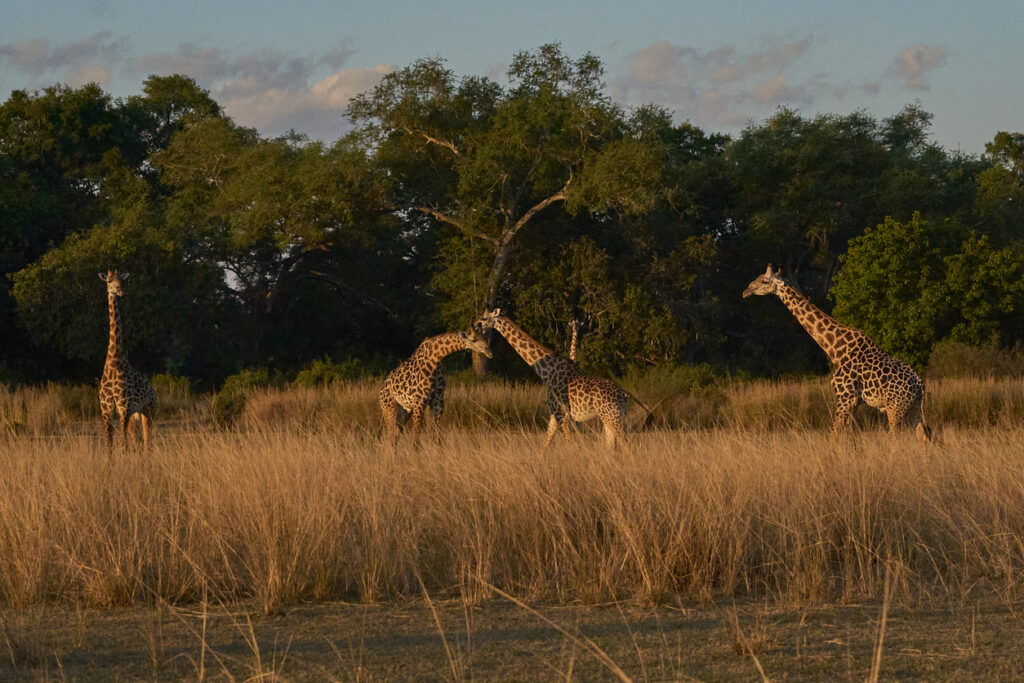
This subspecies of giraffe is endemic to South Luangwa National Park, meaning you literally can’t see them anywhere else in the world. They’re slightly smaller than other giraffes and have distinctive darker patches with less defined edges. There are only about 550 left, making them one of the rarest giraffe subspecies.
They’ve adapted specifically to the Luangwa Valley’s environment and vegetation, browsing on acacia trees that other animals can’t reach. Watching them move across the valley against the backdrop of the Luangwa River is one of Zambia’s most iconic wildlife sights.
The Kafue lechwe is perfectly adapted to floodplains.
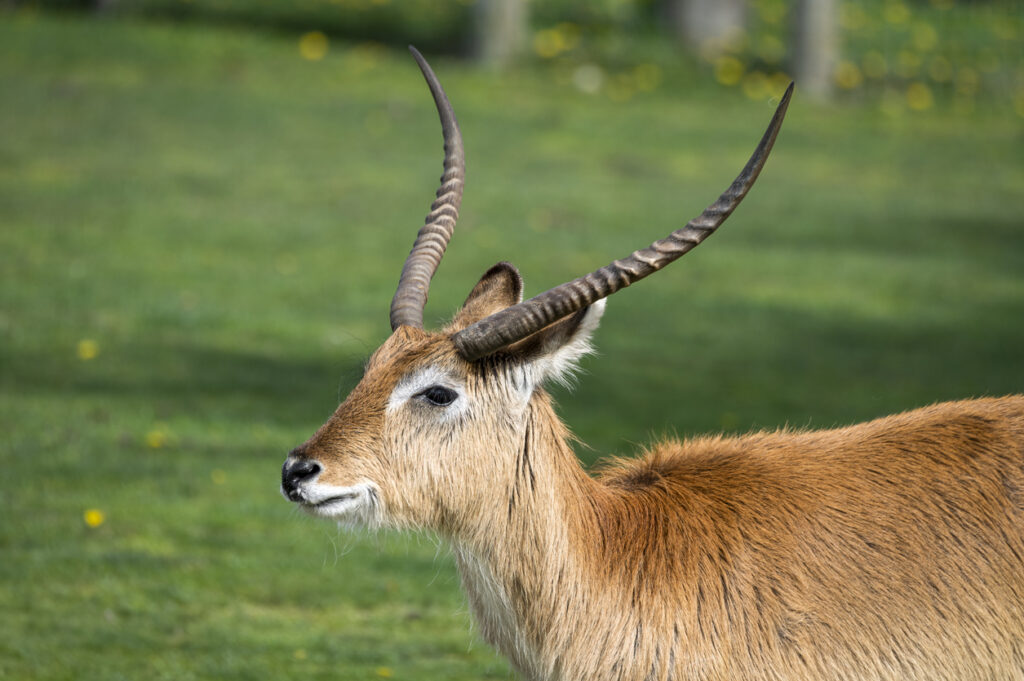
This medium-sized antelope is another species you’ll only find in Zambia, specifically around the Kafue Flats and Bangweulu Swamps. They’ve got elongated hooves that spread their weight on soft ground and oily waterproof coats that let them spend hours wading through shallow water grazing on aquatic plants.
When threatened, they’ll run through water rather than on land because they’re faster in the shallows than most predators. During the wet season, you can see herds of thousands moving across the floodplains, creating one of Africa’s great but lesser-known wildlife spectacles.
Zambian lions have become expert tree climbers.
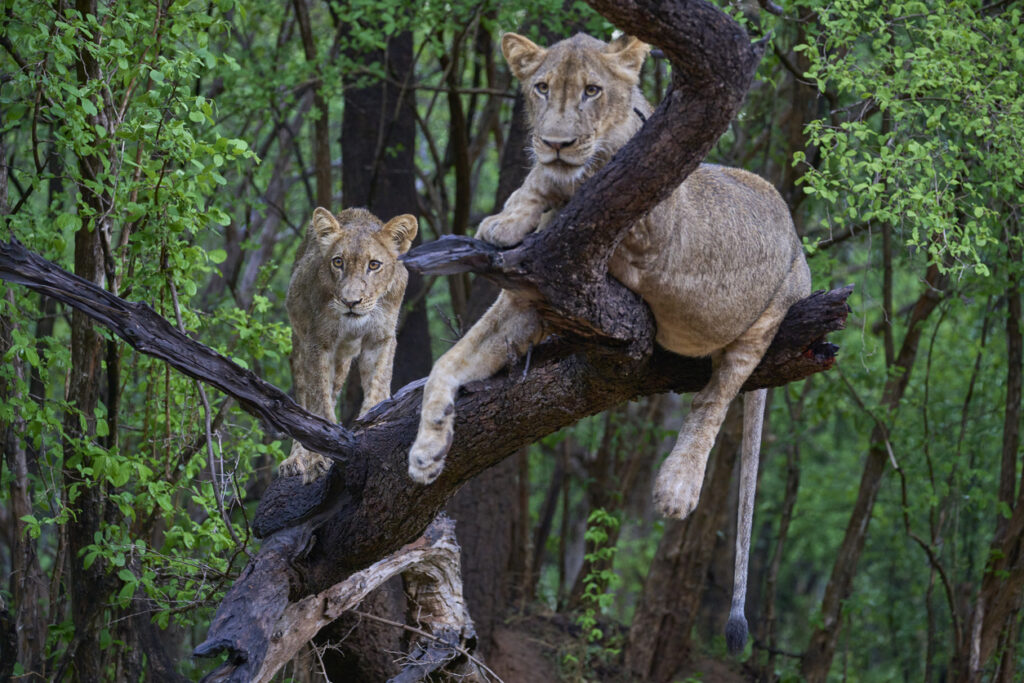
While lions don’t typically climb trees, the populations in South Luangwa have developed this unusual behaviour, possibly to escape biting insects or to get a better vantage point. Seeing a full-grown lion lounging in the branches of a tree is surreal and makes for incredible photos.
Zambia has strong lion populations across several parks, and night drives often reveal these apex predators hunting under cover of darkness. The prides here are well-habituated to safari vehicles, so you can watch their behaviour up close without disturbing them.
Hippos dominate Zambia’s waterways.
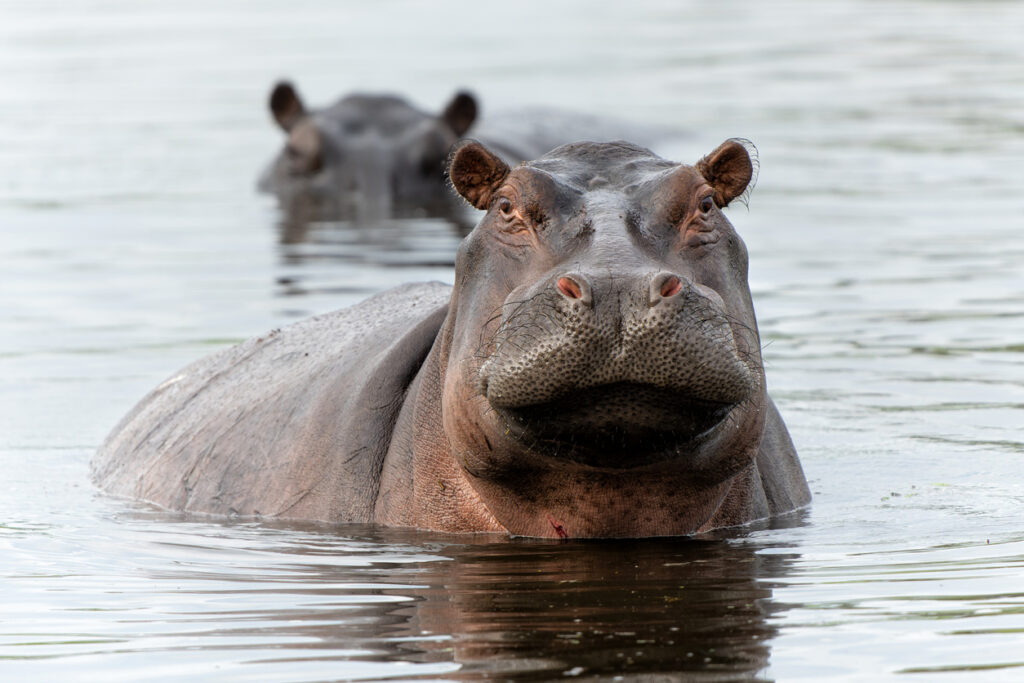
The Zambezi and Luangwa rivers are packed with hippos, and you’ll hear their grunts and bellows echoing across the water at night. Despite looking slow and dopey, hippos kill more people in Africa than any other large animal because they’re extremely territorial and aggressive.
They spend their days submerged in water to keep cool, then emerge at night to graze on land, sometimes walking several miles to find good grass. A hippo’s bite force is strong enough to snap a canoe in half, and they’ve got massive canine teeth that can grow over a foot long.
Nile crocodiles lurk in every major river.

Zambia’s rivers and wetlands are home to some seriously big crocodiles, with the largest reaching over 16 feet long. These prehistoric predators have barely changed in millions of years because they’re perfectly designed killing machines. They can stay completely still for hours waiting for prey, then explode out of the water with incredible speed.
During walking safaris along the Luangwa River, you’ll often see massive crocs sunbathing on the banks or floating with just their eyes above water. They’re a crucial part of the ecosystem, keeping other animal populations in check.
African elephants gather in massive herds.
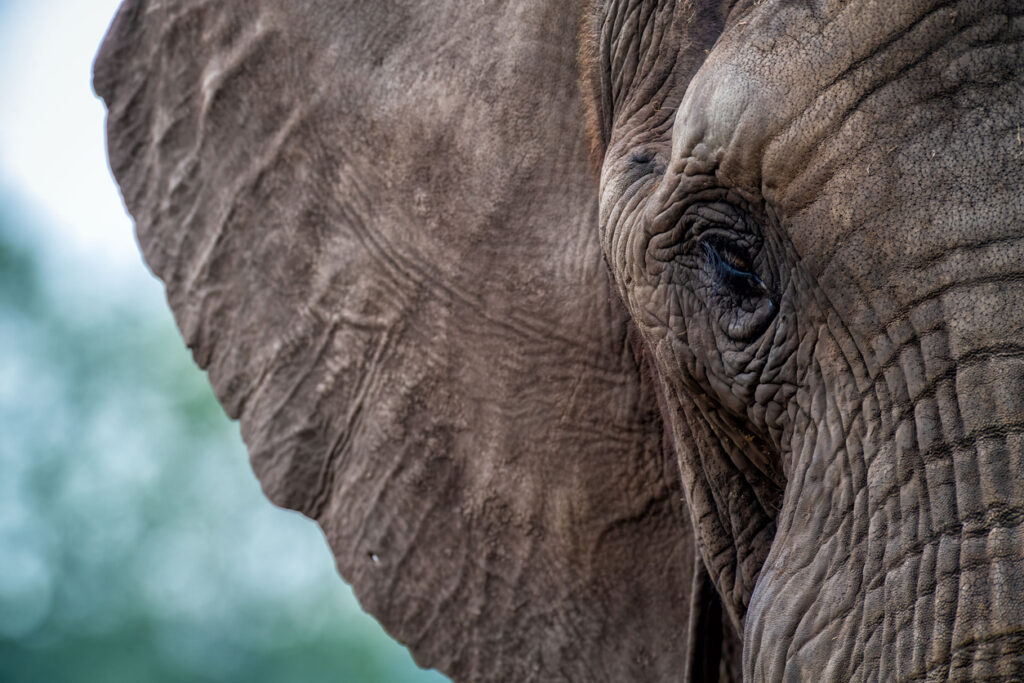
Kafue National Park has one of Africa’s largest elephant populations, and during the dry season, hundreds gather around the remaining water sources. Zambian elephants are incredibly relaxed around safari vehicles, letting you watch family groups interacting, playing and feeding from remarkably close range.
The matriarchs lead their families with incredible intelligence, remembering water sources and migration routes across vast distances. Baby elephants are born weighing about 250 pounds and spend years learning from their family group how to be an elephant, from using their trunks to finding food and water.
Leopards are easier to spot here than almost anywhere.
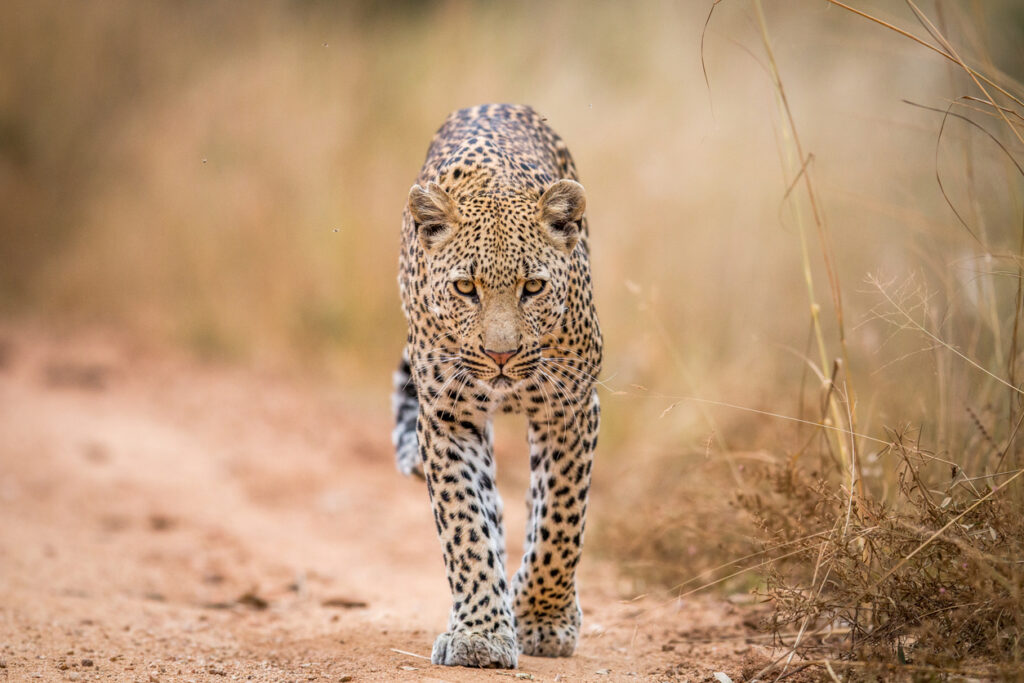
South Luangwa is often called the leopard capital of Africa because these normally elusive cats are regularly seen, especially on night drives. They’re perfectly adapted to Zambia’s woodland environment, dragging their kills into trees to keep them away from lions and hyenas.
Each leopard has unique spot patterns, and guides can often identify individual animals they’ve been tracking for years. Watching a leopard stalk through the bush or seeing one draped over a tree branch with a kill is genuinely one of Africa’s greatest wildlife moments.
Zambian carnivores include spotted hyenas with complex societies.
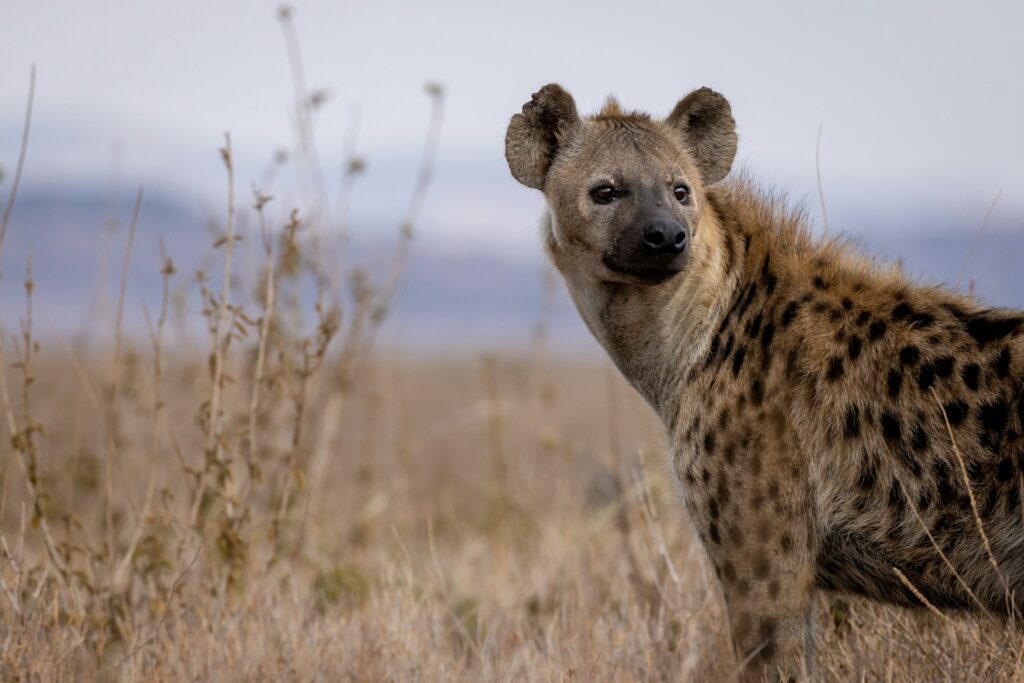
Spotted hyenas get a bad reputation, but they’re actually fascinating animals with intricate social structures led by dominant females. They’re not just scavengers either, they’re excellent hunters who take down prey as large as buffalo. Their bone-crushing jaws are the strongest of any mammal relative to body size, letting them eat absolutely everything, including bones and teeth.
Hyena clans can have up to 80 members, and they communicate with an amazing range of calls, including the famous “laugh” that actually signals submission or nervousness.
The shoebill stork looks prehistoric because it basically is.
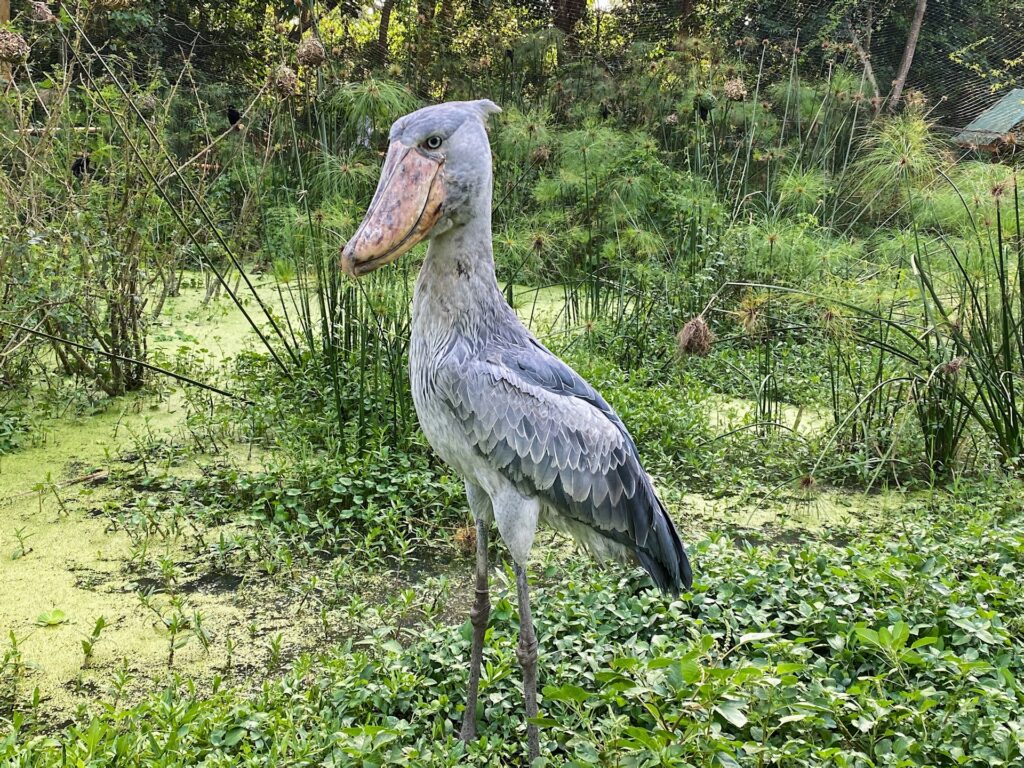
Bangweulu Swamps is one of the best places in the world to see shoebill storks, bizarre-looking birds that stand up to 5 feet tall with massive shoe-shaped beaks. They’re incredibly patient hunters who stand motionless for hours waiting for lungfish or baby crocodiles, then strike with explosive speed.
Their beaks can decapitate prey in one go and are strong enough to kill small crocodiles. Shoebills are solitary and rare, making any sighting special, and they’ve got an unsettling way of staring directly at you without moving that’s both creepy and mesmerizing.
Cape buffalo are one of Africa’s most dangerous animals.
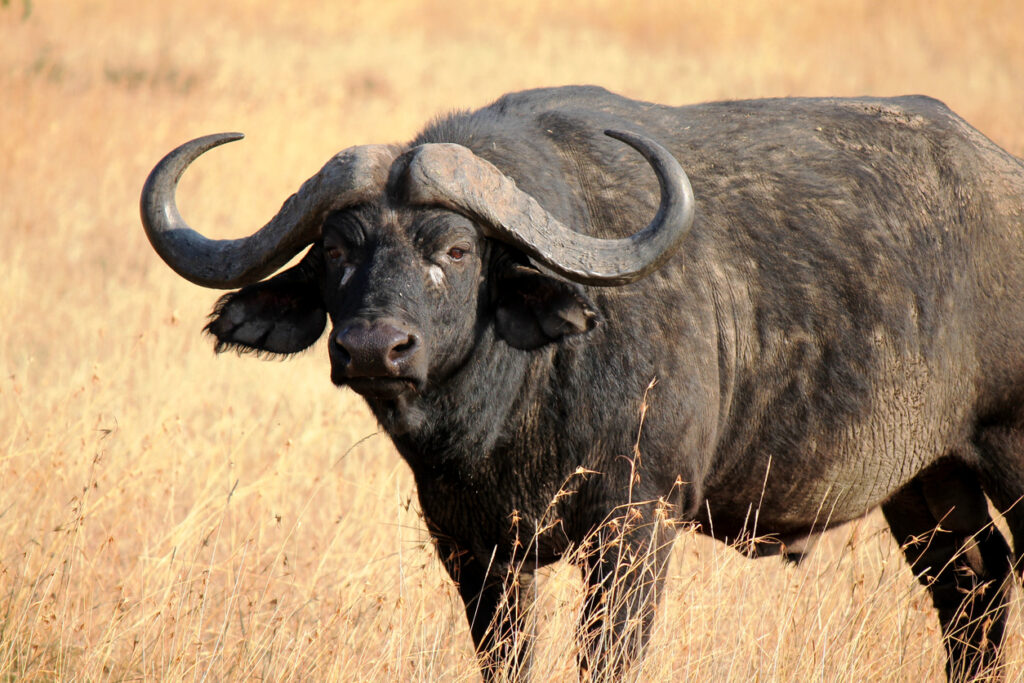
Often called “Black Death” or “widow maker,” Cape buffalo are responsible for killing more hunters than any other African animal. They’re unpredictable, extremely strong, and will charge without warning if they feel threatened. Buffalo bulls can weigh up to 2,000 pounds with horns that form a solid helmet-like boss across their foreheads.
They hold grudges too, there are documented cases of buffalo tracking and ambushing hunters who previously wounded them. Despite their fearsome reputation, watching massive herds crossing rivers or grazing across the plains is spectacular.
Zambia’s birdlife includes over 750 species.

From tiny jewel-coloured bee-eaters to massive ground hornbills, Zambia is a birdwatcher’s paradise. The carmine bee-eaters that nest in thousands along the Luangwa River banks create one of the most colourful wildlife spectacles you’ll see anywhere. Fish eagles are everywhere, their distinctive cry becoming the soundtrack to any Zambian safari.
During the wet season, migratory species arrive from Europe, while year-round residents include everything from secretary birds that stomp snakes to death to rollers doing aerial displays. Even if you’re not particularly into birds, Zambia’s birdlife is impossible to ignore.
Zambia’s wildlife isn’t just about the animals themselves, but about seeing them in some of Africa’s wildest and least crowded parks. You can go on walking safaris with armed guides, night drives revealing nocturnal hunters, and boat trips along rivers teeming with hippos and crocs. The fact that Zambia hasn’t been overrun by mass tourism means the wildlife behaves naturally, and the whole experience feels more authentic than the crowded game drives you’ll find in more popular safari destinations.