Most people use the names interchangeably, but if you called a porpoise a dolphin to a marine biologist’s face, they’d definitely give you a disappointed look.

At first glance, they both just look like grey, sleek shapes bobbing around in the surf, but once you get up close, the differences are actually pretty massive. It’s a bit like confusing a hare with a rabbit; they’re definitely related, but they’ve got completely different vibes and physical gear for getting through life.
From the shape of their faces to the way they interact with boats, these two creatures are playing very different roles in the ocean. Understanding what sets them apart means you’ll finally know if you’re looking at a chatty, show-off dolphin or a much more reserved and stocky porpoise.
Their faces look different.
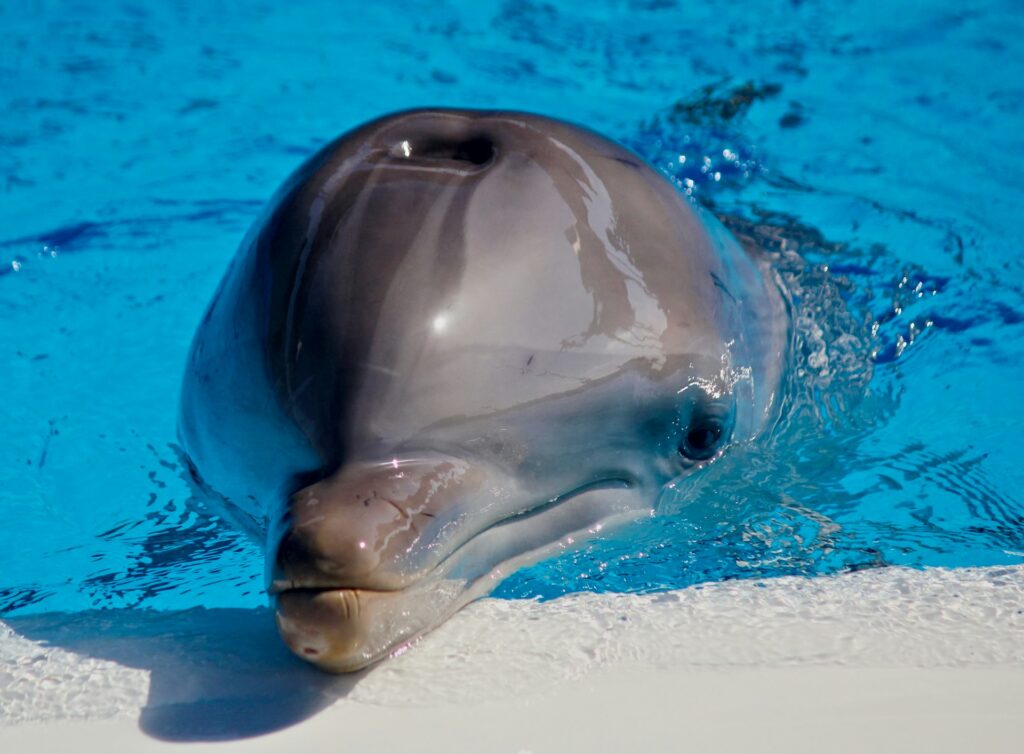
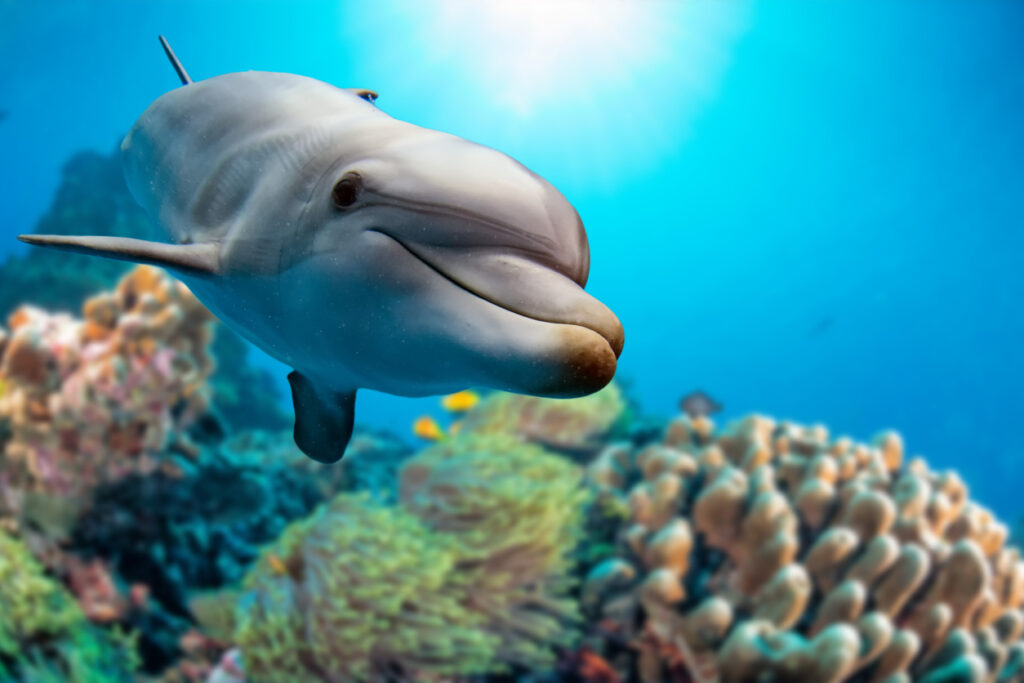
Dolphins usually have a longer, more obvious snout, almost like a beak. That’s why they often look like they’re smiling because the mouth line is stretched forward. Porpoises have a shorter, rounder face, and their head looks more blunt.
If you see an animal that looks like it has a chunky, rounded front and not much of a beak, it’s more likely a porpoise. From a distance, it’s tricky, but up close the face shape is one of the easiest clues. It’s a bit like telling a greyhound from a staffy by the head shape.
Their teeth aren’t the same.
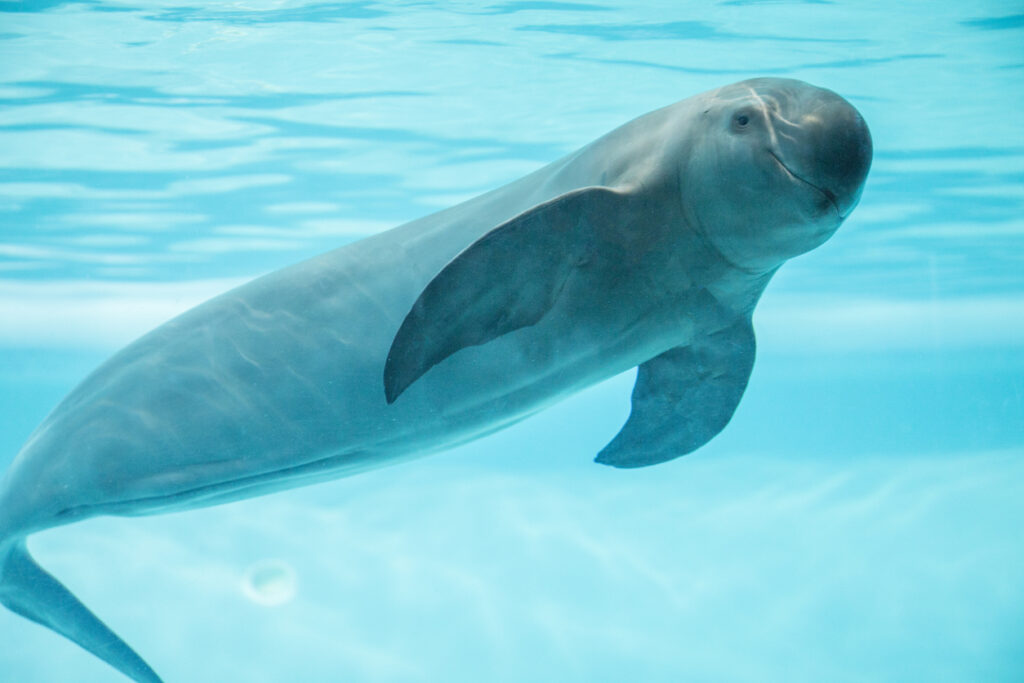
This one sounds nerdy, but it’s a real difference. Dolphins tend to have cone-shaped teeth, like little pegs, which are good for grabbing fish and squid. Porpoises have flatter, spade-shaped teeth that look more like tiny chisels.
You obviously won’t be checking their teeth on a boat trip, but it’s relevant for scientists because it’s a clear family difference. It also tells you they’re not just two names for the same animal. They’re built slightly differently for how they feed and live.
Their dorsal fins usually look different.
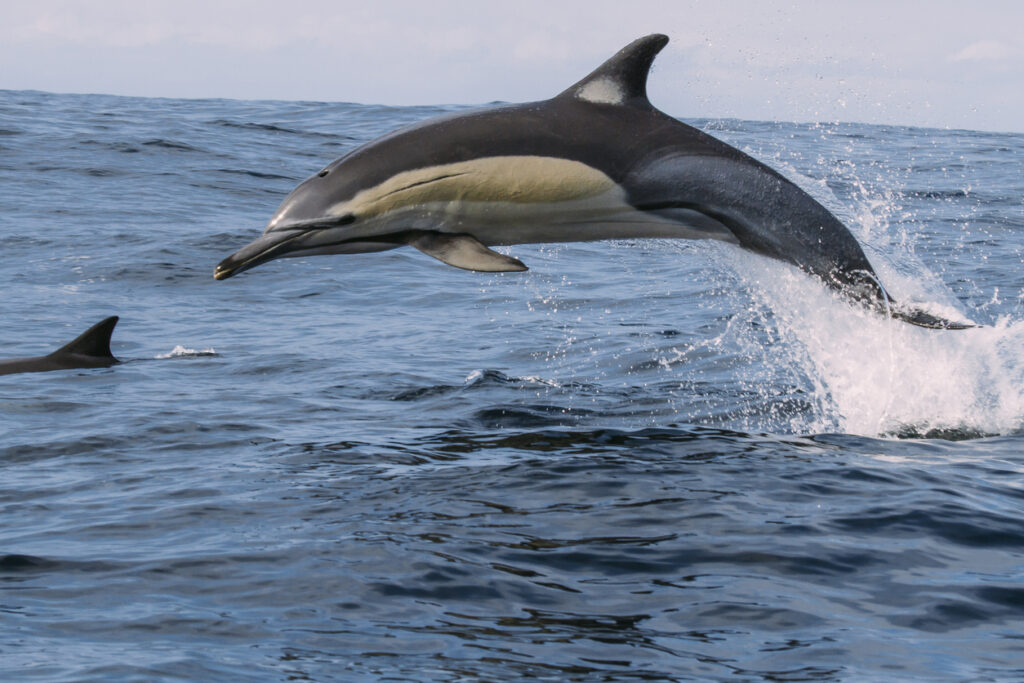
A dolphin’s dorsal fin is often curved and pointy, like a sickle shape. Porpoises tend to have a more triangular dorsal fin, usually smaller and straighter. This isn’t perfect for every species, but it’s a handy guide.
If you see a fin that’s sharply triangular, like a little shark fin, that often points towards porpoise. If it’s more curved and swept back, you’re often looking at a dolphin. Fins are usually what you see first when they surface, so this is a useful one.
Porpoises are usually smaller and stockier.
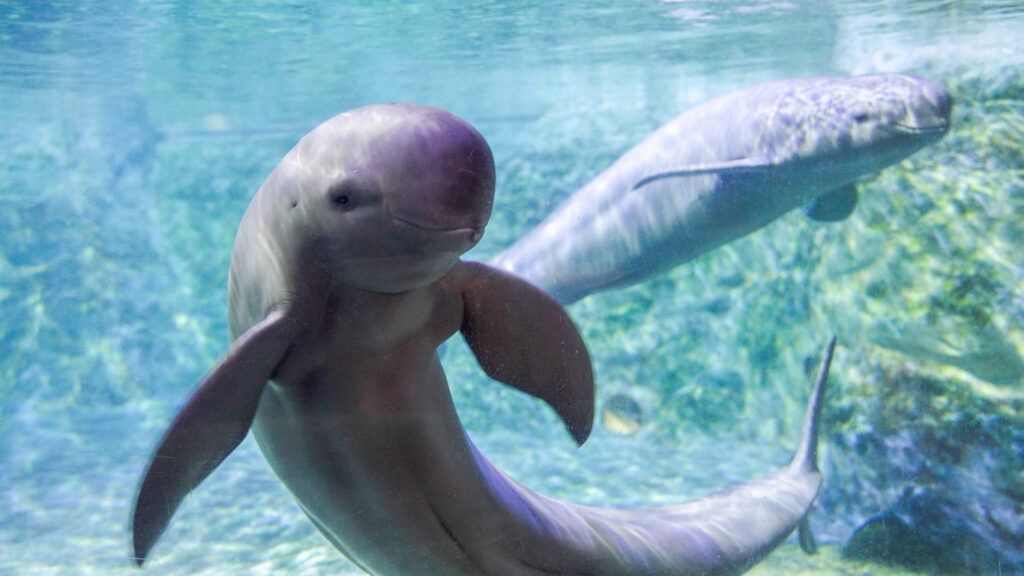
Porpoises often look more compact, with a thicker body for their size. Dolphins can look slimmer and more streamlined. Again, it depends on the species, but as a general vibe, porpoises look a bit more stout. This is one reason people mistake harbour porpoises for baby dolphins. They’re small, quick, and they don’t show much of their body when they surface. A stocky build plus a small triangular fin is a good combo clue.
Porpoises tend to be shyer around boats.
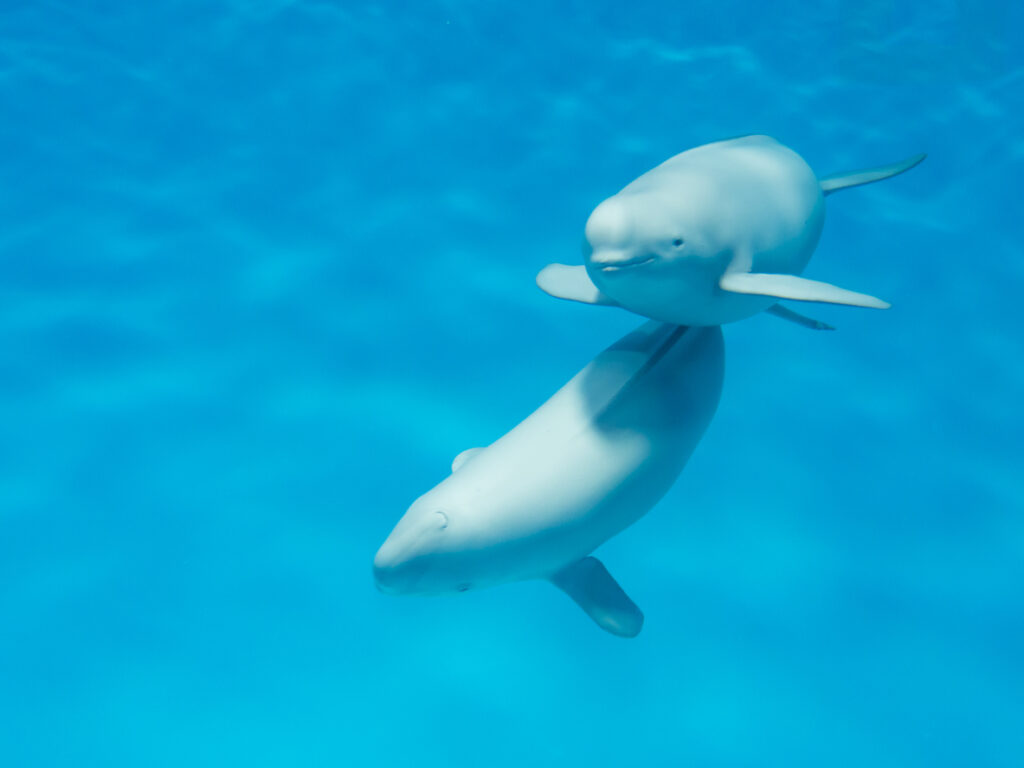
Dolphins have a reputation for being social and curious. They’ll sometimes ride the bow wave, leap, and hang around boats. Porpoises are often more cautious and harder to spot because they don’t usually come in close to investigate.
That doesn’t mean porpoises are always timid, but they’re less likely to put on a show. If you’re on the coast, and you see quick, low surfacing with little splash and no jumping, it might be a porpoise. Dolphins are more likely to be obvious and over-the-top.
They surface differently.
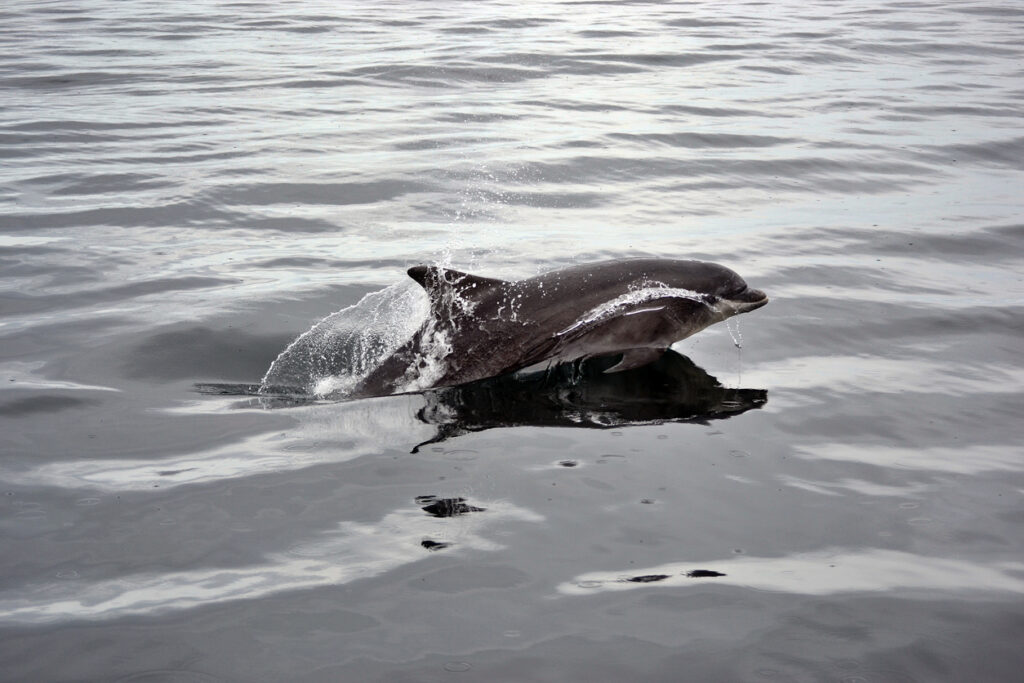
Dolphins often come up in a smoother rolling motion, and you might see more of their back. They may surface a few times in a row and then dive. Porpoises usually pop up quickly, take a breath, and disappear again, often with barely any fuss.
People sometimes describe porpoises as doing little puffs or quick “blink and you miss it” surfacing. If you’re scanning the water and you keep catching tiny glimpses rather than full arcs and splashes, that’s a good hint. It’s like spotting a shy bird versus a loud one.
Dolphins often live in bigger groups.
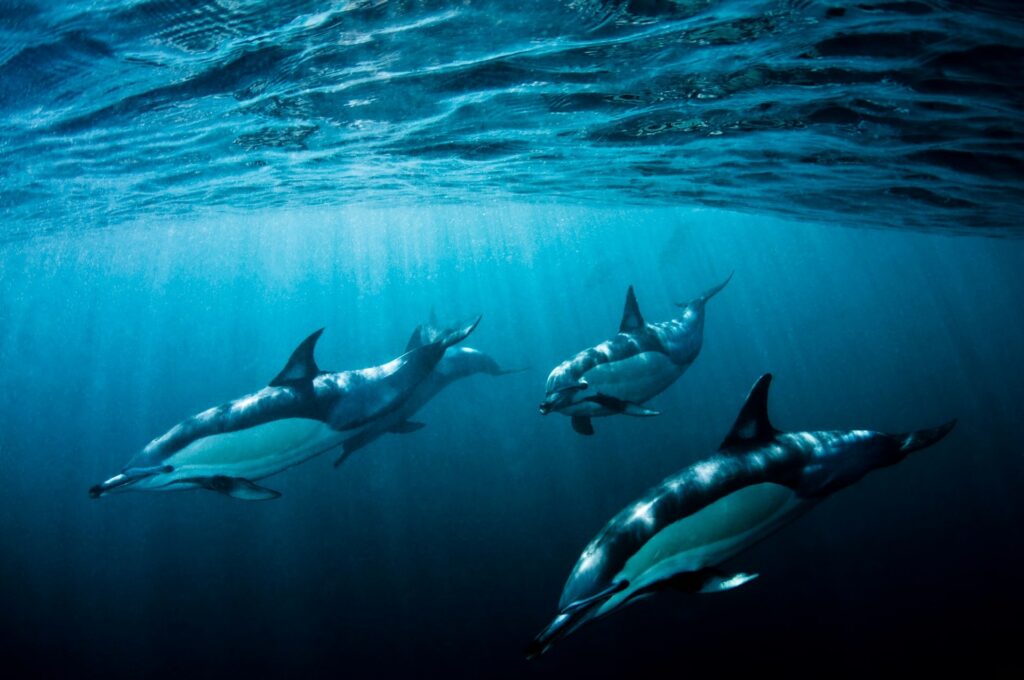
Many dolphin species form large pods, sometimes dozens or even hundreds, depending on the species and location. Porpoises tend to be seen alone or in small groups, often just one to three animals. If you spot a big, lively group with lots of movement, it’s more likely dolphins. If you see one small animal surfacing quietly and then vanishing, it could be a porpoise. Group size isn’t a perfect rule, but it helps.
Dolphins and porpoises are different families.
They’re both toothed whales, but dolphins are in the dolphin family, and porpoises are in the porpoise family. So it’s not like one is a type of the other. It’s more like wolves and foxes: related, but not the same. That’s why the differences show up in things like teeth and skull shape. It’s also why scientists don’t treat the words as interchangeable. If you care about getting it right, it’s worth knowing they’re not just two labels for one creature.
The ones you’re most likely to see in the UK are different.
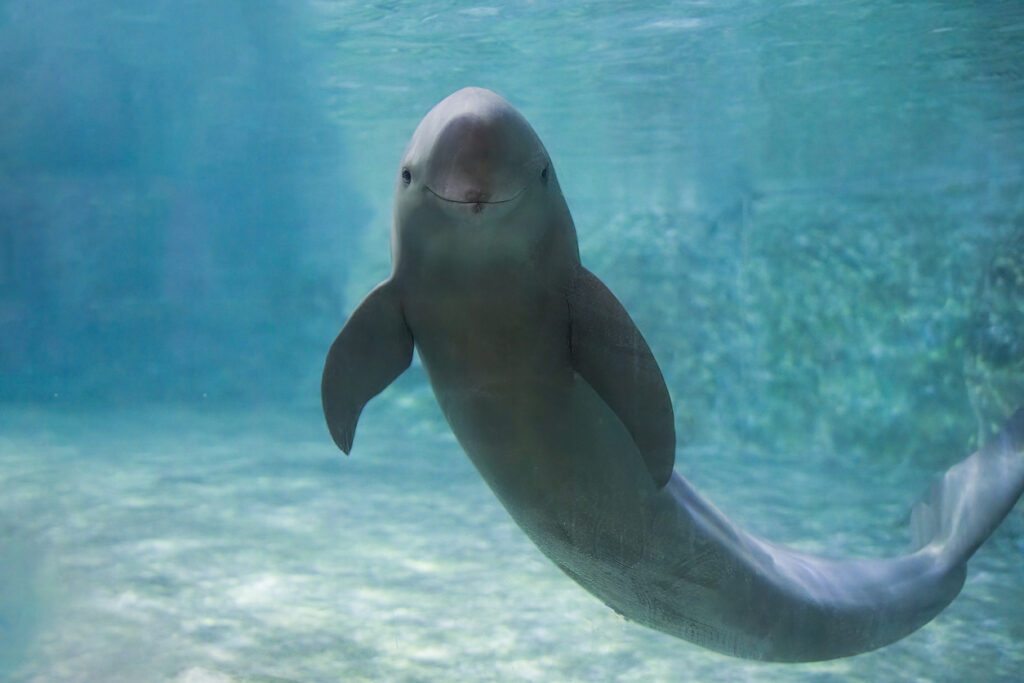
In UK waters, the most common porpoise is the harbour porpoise. The dolphin you’re most likely to see is the bottlenose dolphin, although there are other dolphin species around too. Harbour porpoises are smaller and often more low-key.
So if you’re on the UK coast, and you see small, quick surfacing with a tiny triangular fin, porpoise is a strong bet. If you see bigger animals, more splashing, and maybe some leaping, dolphin is more likely. Location and behaviour together can really help.
The quick way to remember it is beak, fin, and vibe.
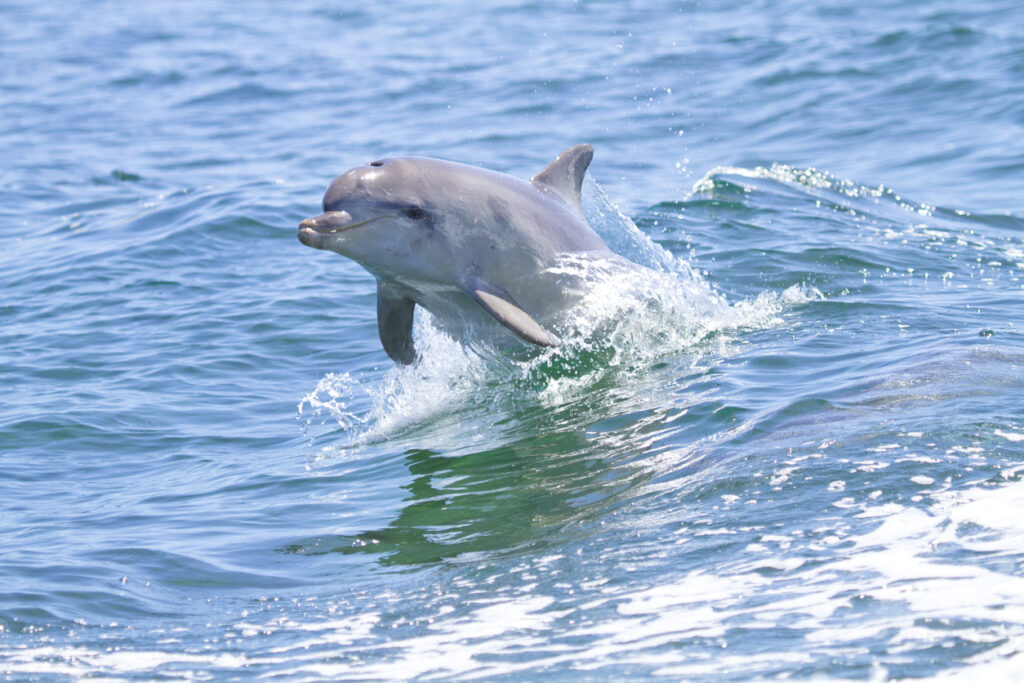
If it looks like it has a beak, it’s probably a dolphin. If the face is blunt and the fin is small and triangular, you might be looking at a porpoise. If it’s leaping around like it owns the sea, dolphin is a decent guess too. None of these clues are perfect on their own, but together they make it much easier. Next time someone says dolphin when it’s a porpoise, you can gently be that person. Or you can keep it to yourself and enjoy your smug little nature fact.