There’s something genuinely humbling about the fact that we share a planet with creatures so massive they make a double-decker bus look like a toy.

We spend most of our lives tucked away on dry land, completely oblivious to the giants roaming the deep, following migration paths that span thousands of miles without a single map. From the Blue Whale, which is so big its heart is the size of a car, to the more nimble and vocal Humpbacks, each species has its own weird and wonderful way of surviving in a world that would crush or drown the rest of us in minutes.
Getting to know these 12 types of whales is a wonderful way of understanding the sheer scale of life in the ocean and why these gentle behemoths have fascinated us since the first time someone spotted a spout on the horizon.
1. Blue whales are the largest animals that have ever existed.
Blue whales can reach up to 30 metres long and weigh as much as 200 tonnes, which is heavier than even the biggest dinosaurs. Their hearts alone weigh about 180 kilograms, roughly the size of a small car, and their tongues can weigh as much as an elephant.
Despite being absolutely massive, they eat some of the tiniest creatures in the ocean, filtering up to 4 tonnes of krill a day through their baleen plates. You can hear their calls from hundreds of miles away underwater, making them not just the largest, but also one of the loudest animals on Earth.
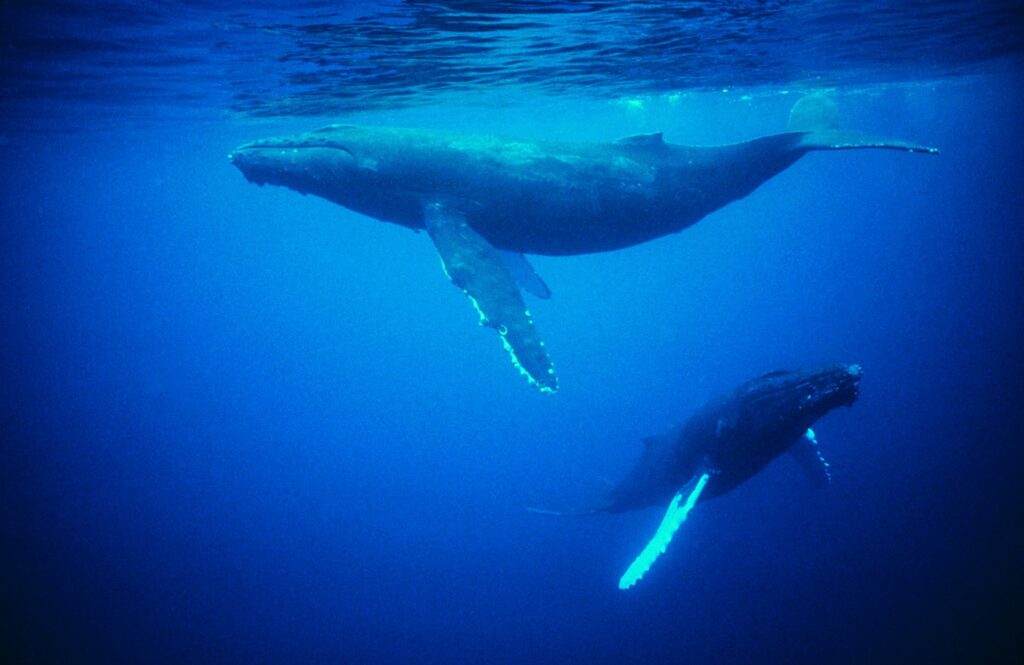
2. Humpback whales are the singers of the ocean.

Humpback whales are famous for their complex songs that can last up to 20 minutes and be heard across entire ocean basins. Only the males sing, probably to attract mates or communicate with other whales, and they change their songs over time like updating a playlist.
They’re also incredibly acrobatic for their size, regularly breaching completely out of the water and slapping their long pectoral fins on the surface. These whales migrate further than almost any other mammal, travelling up to 16,000 miles between their feeding and breeding grounds each year.
3. Orcas aren’t technically whales at all.
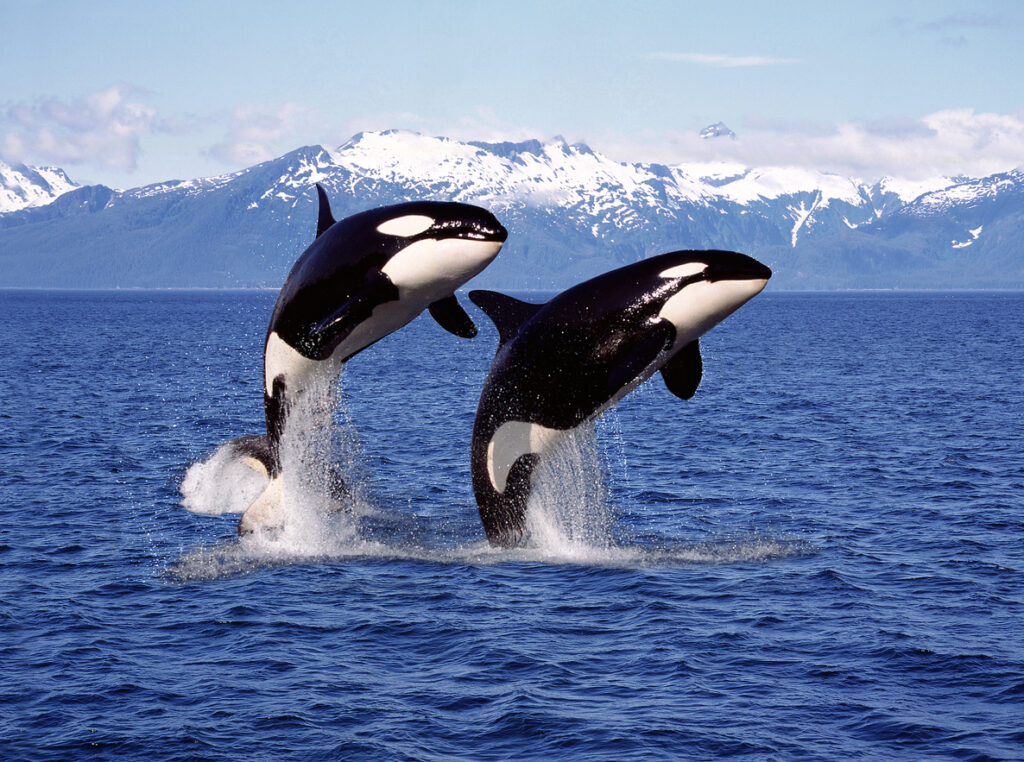
Despite being called killer whales, orcas are actually the largest members of the dolphin family. They’re apex predators with no natural enemies, hunting everything from fish and seals to other whales using incredibly sophisticated techniques.
Different orca populations have completely different diets, languages and hunting strategies, almost like separate cultures. They live in tight family groups led by females, and some of these family bonds last for life, with adult sons staying with their mothers for decades.
4. Sperm whales dive deeper than any other mammal.
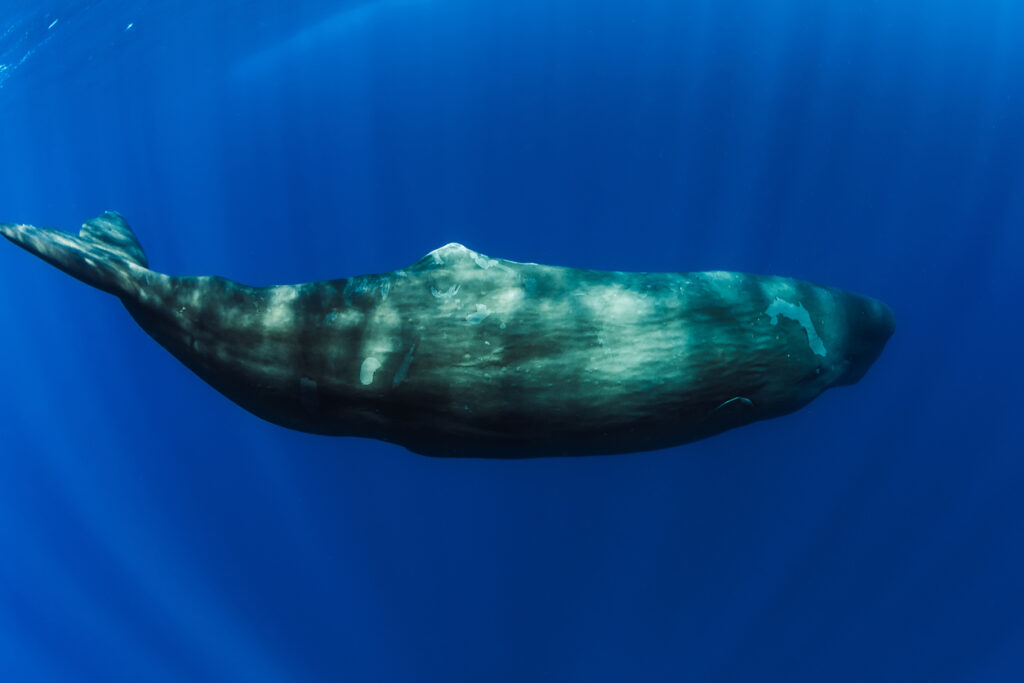
Sperm whales can dive down to 7,000 feet and hold their breath for up to 90 minutes while hunting for giant squid in the dark depths. They have the largest brain of any animal on Earth, weighing up to 9 kilograms, though nobody’s entirely sure why they need brains that big.
The waxy substance in their massive heads, called spermaceti, was historically harvested for oil and is probably what gave them their unfortunate name. Their clicks are the loudest sounds made by any animal and can be loud enough to vibrate your body if you’re swimming nearby.
5. Gray whales make the longest migration of any mammal.
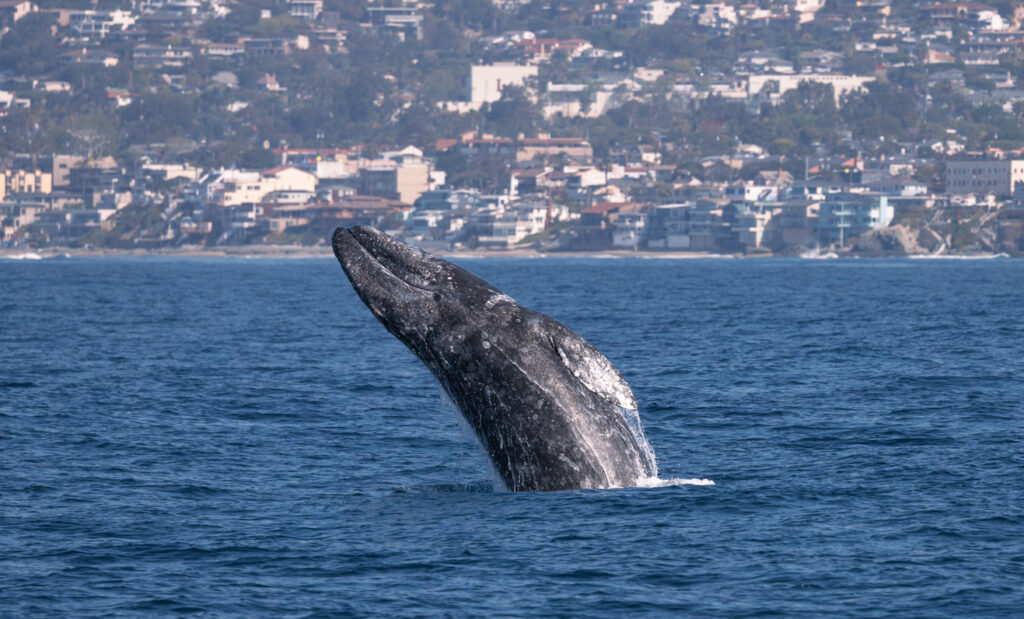
Gray whales travel up to 12,000 miles round trip between their feeding grounds in the Arctic and breeding lagoons in Mexico, basically swimming the equivalent of going halfway around the world each year. They’re bottom feeders who scoop up sediment from the ocean floor and filter out tiny crustaceans, leaving distinctive feeding pits behind.
Gray whales are also unusually friendly, sometimes approaching boats and allowing people to touch them, behaviour that’s earned them the nickname “friendly whales.” They were hunted nearly to extinction twice but have made a remarkable recovery.
6. Beluga whales are the canaries of the sea.
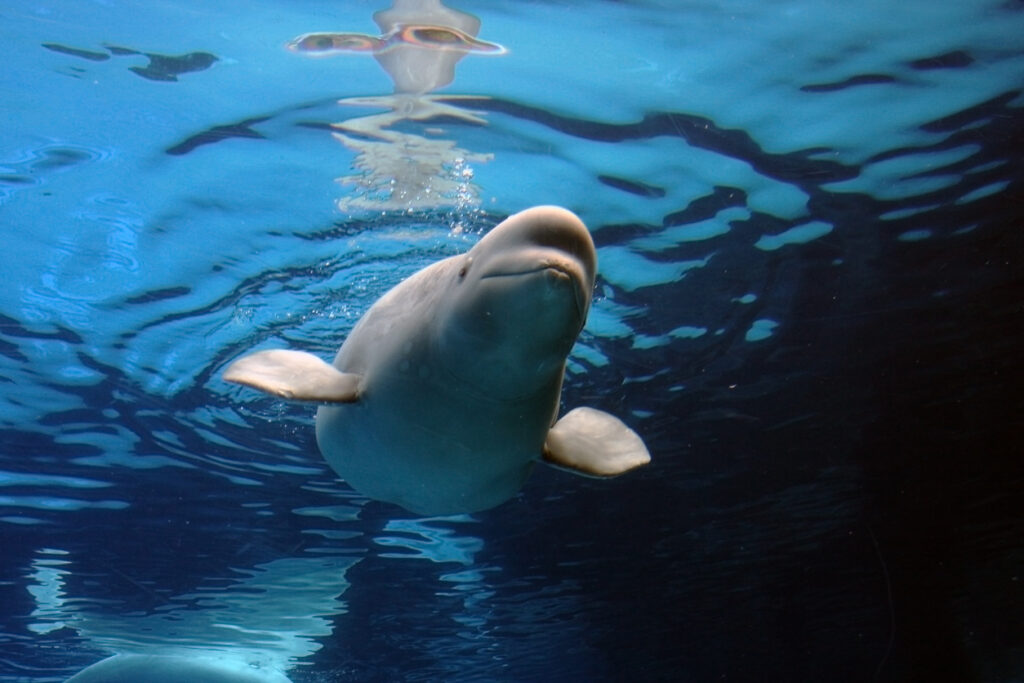
Belugas are completely white, which helps them blend into their Arctic ice habitat, and they’re one of the only whales with a flexible neck that lets them turn their heads. They’re incredibly vocal, producing such a wide range of chirps, clicks, and whistles that sailors used to call them sea canaries.
Unlike most whales, belugas can change their facial expressions because they don’t have fused skull bones, giving them an almost friendly, smiley appearance. They’re also one of the smaller whale species, usually around 13 to 20 feet long.
7. Narwhals have a giant tusk that’s actually a tooth.
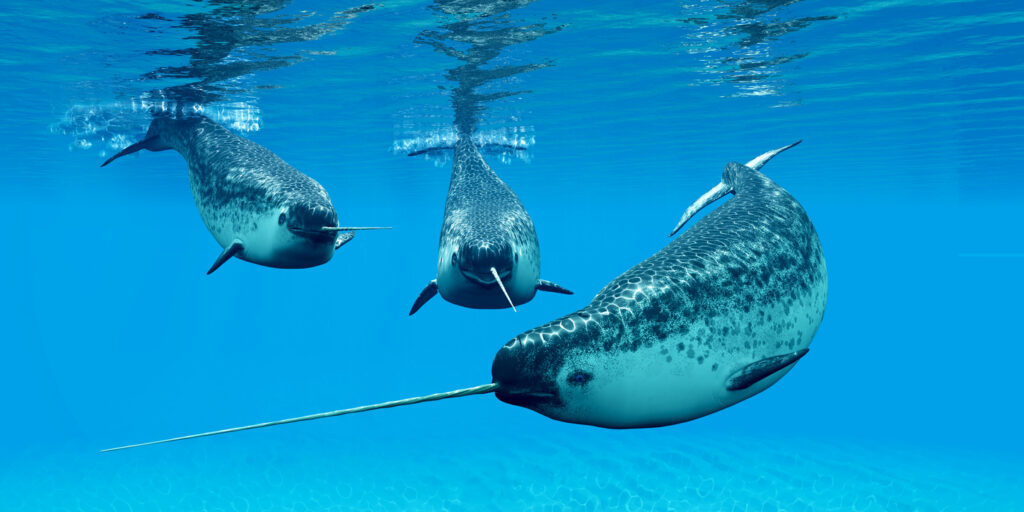
The narwhal’s distinctive tusk is actually an elongated tooth that grows through their upper lip, reaching up to 10 feet long. Only males usually grow these tusks, and scientists think they might use them for sensing their environment, establishing dominance, or possibly even stunning fish.
Narwhals live exclusively in Arctic waters and are extremely difficult to study because they inhabit some of the most remote and ice-covered areas on Earth. They can dive incredibly deep, down to 5,000 feet, hunting for fish and squid in near-freezing waters.
8. Bowhead whales can live over 200 years.
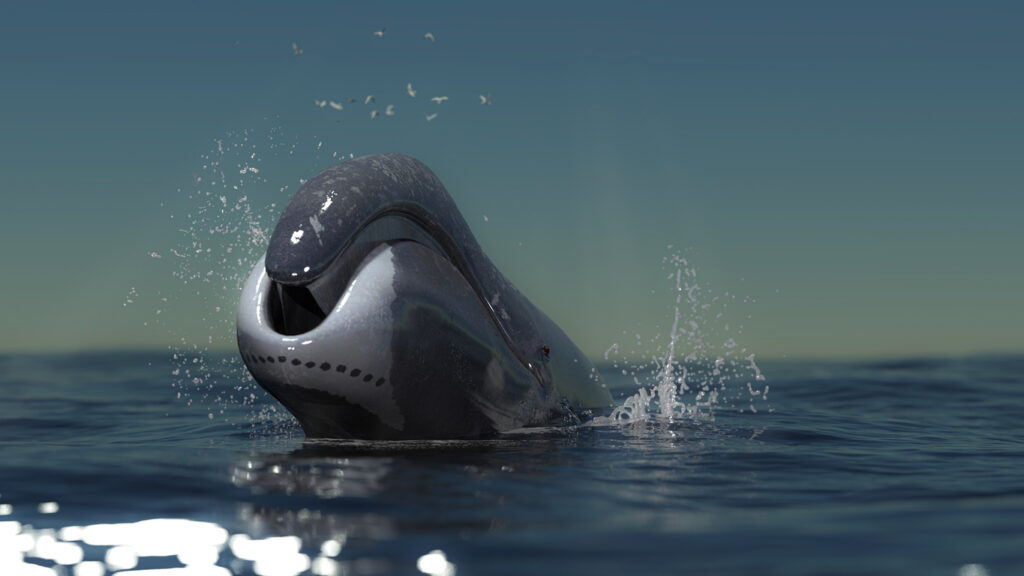
Bowhead whales are the longest-living mammals on Earth, with some individuals estimated to be over 200 years old based on harpoon points found embedded in their blubber from the 1800s. They live their entire lives in Arctic and sub-Arctic waters, using their massive bow-shaped heads to break through sea ice up to 2 feet thick.
Their mouths are enormous, making up about a third of their body length, which they use to filter massive amounts of tiny plankton. They have the thickest blubber of any animal, up to 20 inches, which insulates them in freezing waters.
9. Right whales got their name for the worst reason.
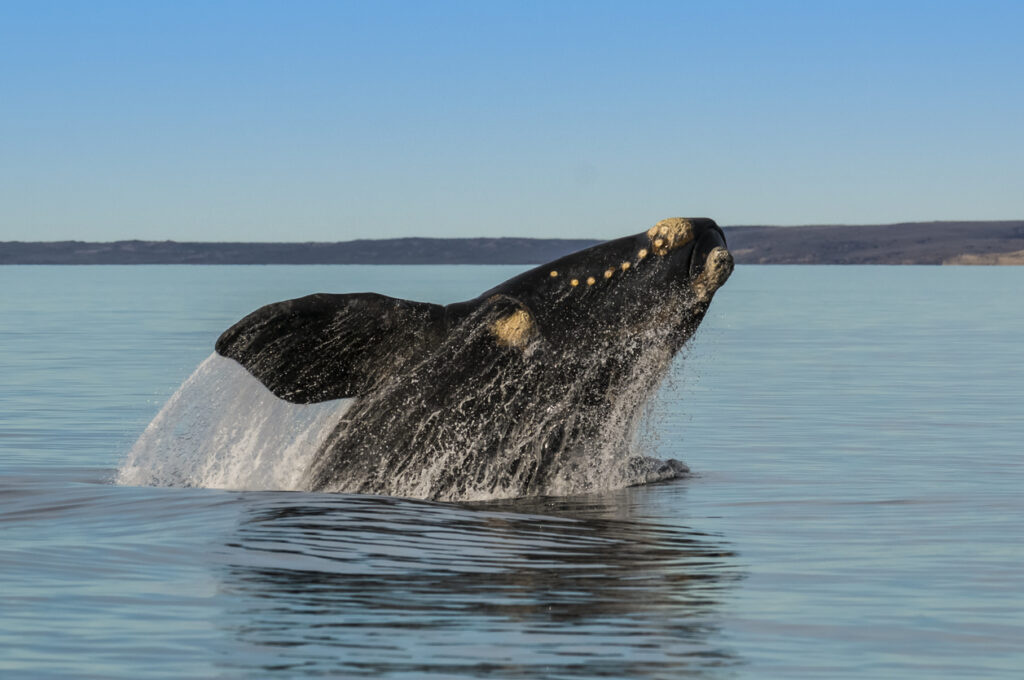
Whalers called them “right” whales because they were the right ones to hunt, they swim slowly, float when dead, and have lots of valuable blubber and baleen. This tragically efficient hunting brought them to the edge of extinction, and North Atlantic right whales are now one of the most endangered large whale species, with only about 350 left.
They’re easily identified by the white callosities on their heads, which are patches of rough skin colonized by whale lice that create unique patterns like fingerprints. Despite decades of protection, their population isn’t recovering well because they keep getting hit by ships and tangled in fishing gear.
10. Minke whales are the smallest baleen whales.
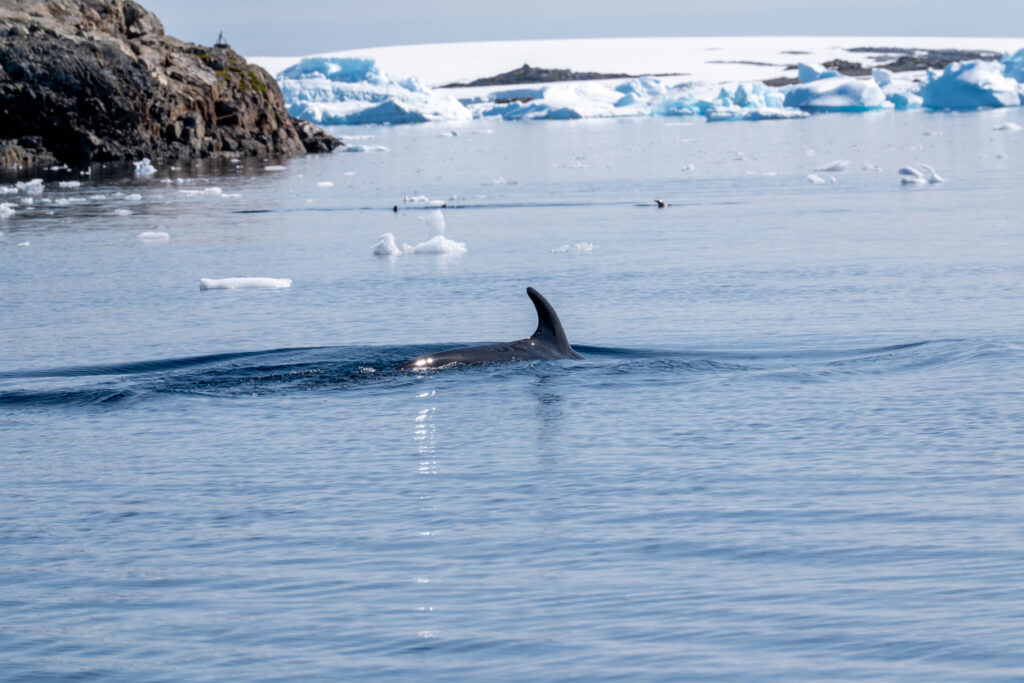
Minke whales are relatively small for baleen whales, usually around 25 to 30 feet (9 metres) long, but they’re fast and acrobatic swimmers who often breach and swim alongside boats. They’re one of the most common whales in the world and can be found in all major oceans from tropical to polar waters.
Because they weren’t heavily hunted historically due to their smaller size, their populations remained relatively healthy compared to larger whale species. They’re also one of the most likely whales you might see on a whale-watching trip because they’re curious and often approach vessels.
11. Fin whales are the second largest animals on Earth.
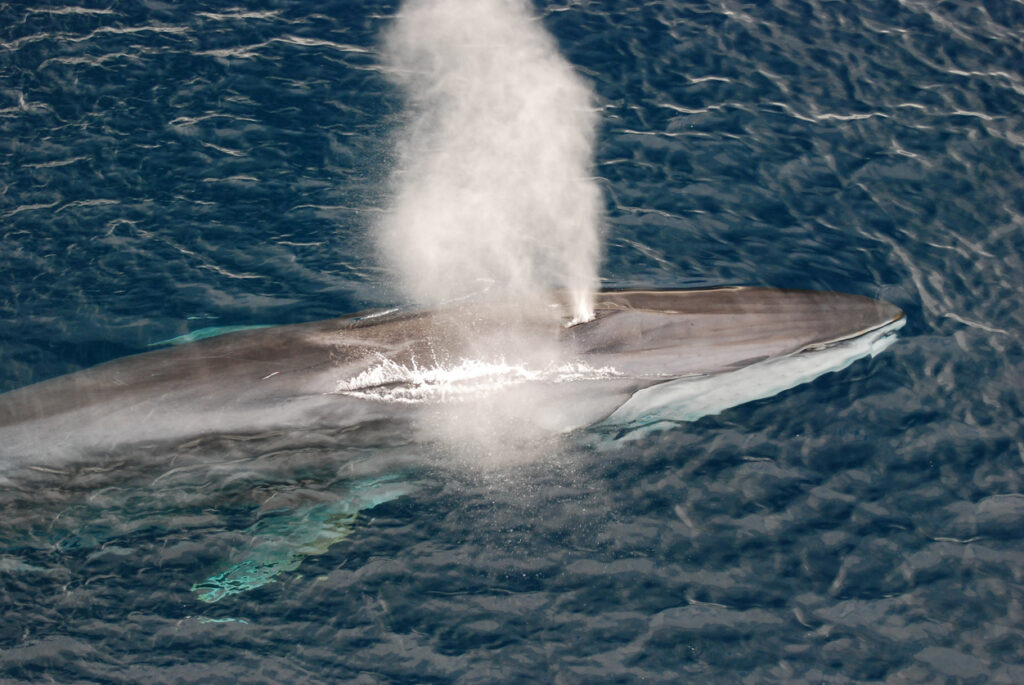
Fin whales can reach up to 26 metres long and are the second largest animal after blue whales, but they’re much faster, earning them the nickname “greyhounds of the sea.” They have an unusual asymmetrical colouring with the right side of their jaw being white and the left side being dark, which might help them herd fish when feeding.
Like blue whales, they were hunted nearly to extinction and are still recovering. They can eat up to 2 tonnes of food a day, using their baleen plates to filter krill, small fish and squid from massive gulps of water.
12. Baleen whales filter food while toothed whales hunt it.
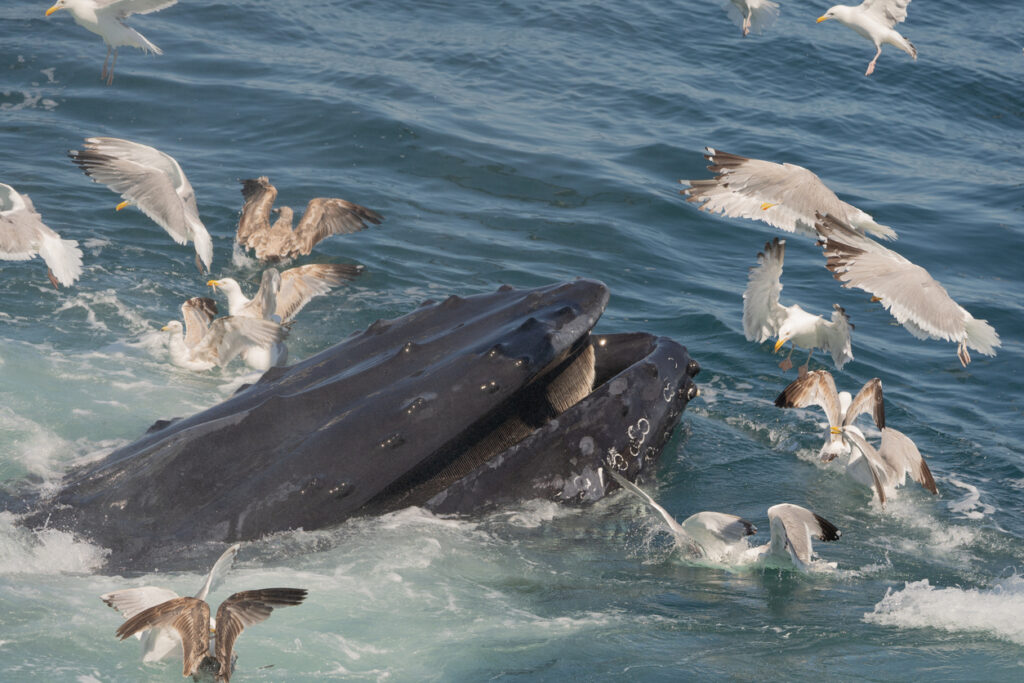
There are two main types of whales based on how they eat. Baleen whales like blues, humpbacks and right whales have plates of keratin that filter tiny creatures from huge mouthfuls of water, while toothed whales like sperm whales and orcas have actual teeth and hunt larger prey. Baleen whales are generally bigger and have two blowholes, while toothed whales have one blowhole and rely heavily on echolocation to navigate and hunt. Both types are incredibly intelligent and social, but they’ve evolved completely different strategies for surviving in the ocean.
Whales have been around for about 50 million years, evolving from land mammals that returned to the ocean. Despite being hunted nearly to extinction during commercial whaling, many species are slowly recovering thanks to international protection. They play crucial roles in ocean ecosystems, and watching these massive, intelligent creatures in the wild remains one of the most incredible wildlife experiences you can have.