
It’s one of those classic sights that feels like a glitch in nature: a bright pink bird balanced on a spindly little stick of a leg while the other one is tucked away like it’s not even there. You’d think they’d be wobbling all over the shop or getting a massive case of cramp after five minutes, yet they’ll stand like that for hours, even while they’re fast asleep.
Scientists have spent decades arguing over whether it’s about keeping their toes warm or if they’re just trying to save a bit of energy, but the actual mechanics of how they stay upright without toppling over is a bit of a marvel. It turns out that what looks like a massive effort to us is actually the most relaxed position they can be in, and the reasons behind it are far more clever than just being a bit eccentric.
It helps them lose less body heat.
Flamingos spend a lot of time standing in water, and water pulls heat out of the body faster than air. If they keep both legs in the water, that’s more surface area losing warmth. By lifting one leg up, they cut that heat loss down straight away. You’ll often notice them doing it more in cooler weather or cooler water. It’s a simple, body-saving move, like tucking your hands into your sleeves when you’re chilly. Less heat leaking out means less effort needed to stay warm.
They tuck the hidden leg into warm feathers.
When a flamingo lifts one leg, it usually isn’t just dangling. They often pull it up into their body feathers, where it’s warmer and protected from wind and water. That makes the heat-saving even better. It’s basically like putting one foot under a blanket. The leg they’re not using gets a break from the cold, and the feathers help trap warmth close to the body. It looks odd, but it’s very practical.
@itsbasicallynature Why do Flamingos Actually Stand on One Leg? 🤔 #flamingo ♬ beans – yawn.
It can save energy when they’re standing still.
Standing on one leg looks harder, but it might actually be easier for them. Research suggests flamingos can balance in a way that needs very little muscle effort, almost like their body locks into a stable position. That means they can rest without constantly working to stay upright. That’s important because flamingos stand around a lot. If you can save even a small amount of energy every minute, it adds up over the day. Think of it like leaning on a wall instead of holding yourself upright with your core the whole time.
It gives their legs a break from the cold water.
Even if it’s not freezing, standing in water for hours can make legs lose heat. Switching legs spreads out that cold exposure. One leg warms up while the other does the standing. You might see them swap legs slowly, like they’re taking turns. That’s a good hint it’s partly about comfort and keeping the body steady. It’s the bird version of shifting your weight when you’ve been standing too long.
It keeps one foot cleaner and drier.
Flamingos often stand in muddy or salty water. Keeping one foot up means one foot is not constantly soaking in all that. It’s not the main reason, but it’s a nice side benefit. Feet and legs are easy places for irritation and gunk to build up. A dry break helps, especially if the water is salty or full of bits. You can think of it like taking one shoe off at home to let your foot breathe.
It can help when they’re sleeping.
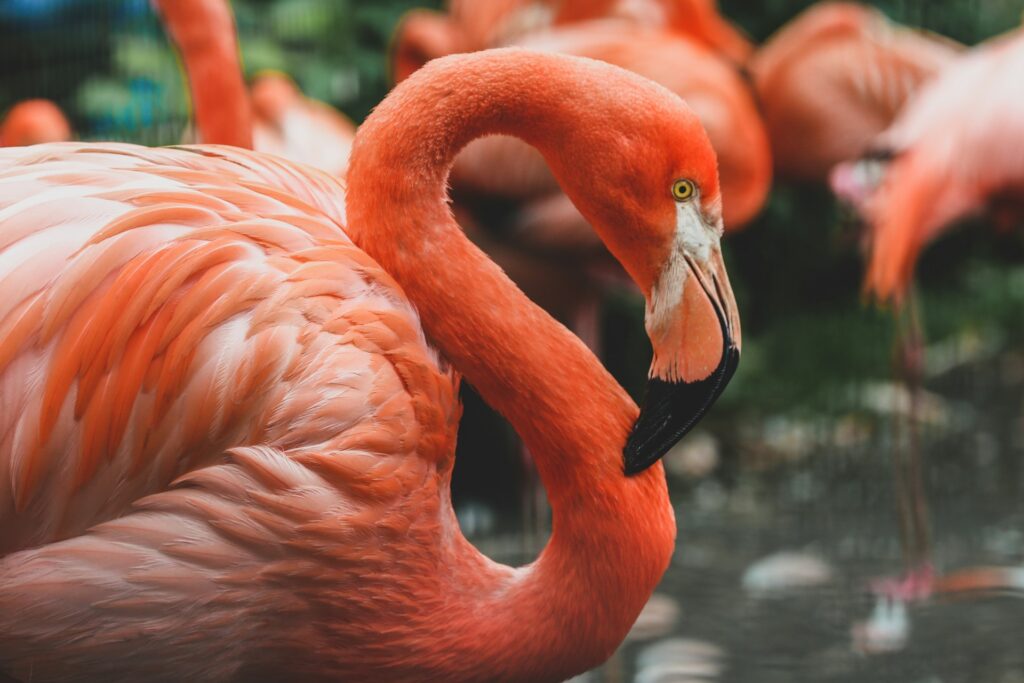
Flamingos do sleep standing up, and they often do it on one leg. If one-leg standing really does need less muscle effort, that makes it a good resting posture. You want a position you can hold without thinking about it. They also often tuck their head into their feathers when they rest. The whole setup looks like a neat little rest mode: one leg up, head tucked, body calm. It’s a way to stay safe and conserve energy while still being ready to move.
It may help them stay stable in wind or uneven ground.
Flamingos live in open places where it can be windy, and they stand on muddy bottoms or shallow water edges. A locked-in one-leg posture might actually be more stable than it looks, especially if the body is built to balance that way. It’s not that two legs are unstable; it’s more that their body seems designed to make one-leg standing easy. If it gives them a steady, low-effort stance, they’ll use it. Animals tend to choose whatever costs them the least.
Their body shape and long legs make it easier than it is for us.
Humans wobble because our bodies aren’t designed to relax into a one-leg stance. Flamingos have long legs, different joints, and a different centre of balance. What looks like a challenge to us might be close to effortless for them. That’s why they can stand like that for ages without looking strained. If it was truly tiring, you’d see them constantly shifting or falling about. Instead, they look calm, which is a big clue it’s not hard work for them.
@itskendalllong Flamingo mystery solved! 🦩✨ Why a flamingo’s “knee” is actually its ankle and why the heck they stand on one leg! #flamingo #flamingostance #animalfacts ♬ original sound – Kendall Long
It’s not always about warmth—sometimes it’s just rest.
Flamingos don’t only do it when it’s cold. You’ll see them doing it in warm places too. That’s why scientists think energy-saving and resting are part of the story as well, not just temperature. Animals often reuse the same useful behaviour for more than one reason. If one-leg standing helps with heat sometimes and helps with rest other times, it becomes a default posture. It’s like how you might sit cross-legged because it’s comfy, not because you’re cold.
The simple answer is that it’s just smart.
There probably isn’t one single reason that explains it every time. It’s likely a mix: less heat loss, less effort, less discomfort, and a nice way to rest while staying alert. Nature loves simple tricks that save energy. If you ever watch a group of flamingos, you’ll see the pattern. They stand around a lot, they swap legs, and they look relaxed doing it. Whatever the exact mix of reasons, one thing’s clear: it works for them.