Social media is full of people wandering through sun-drenched meadows, filling wicker baskets with wild garlic and chanterelles as if life is one big, free deli counter.

It looks like the ultimate way to reconnect with nature, but the reality involves a lot more mud, stinging nettles, and the very real risk of a hospital trip. For every handful of tasty berries, there are hours spent hunched over in the rain, peering at a soggy mushroom and wondering if it’s a gourmet treat or something that’ll shut your liver down by Tuesday.
Between the legal minefields of land ownership and the fact that most of what you find tastes like bitter garden waste, the free food dream can quickly turn into a massive, itchy headache. Here’s why you may want to think twice before getting into this hobby.
1. You could genuinely kill yourself.
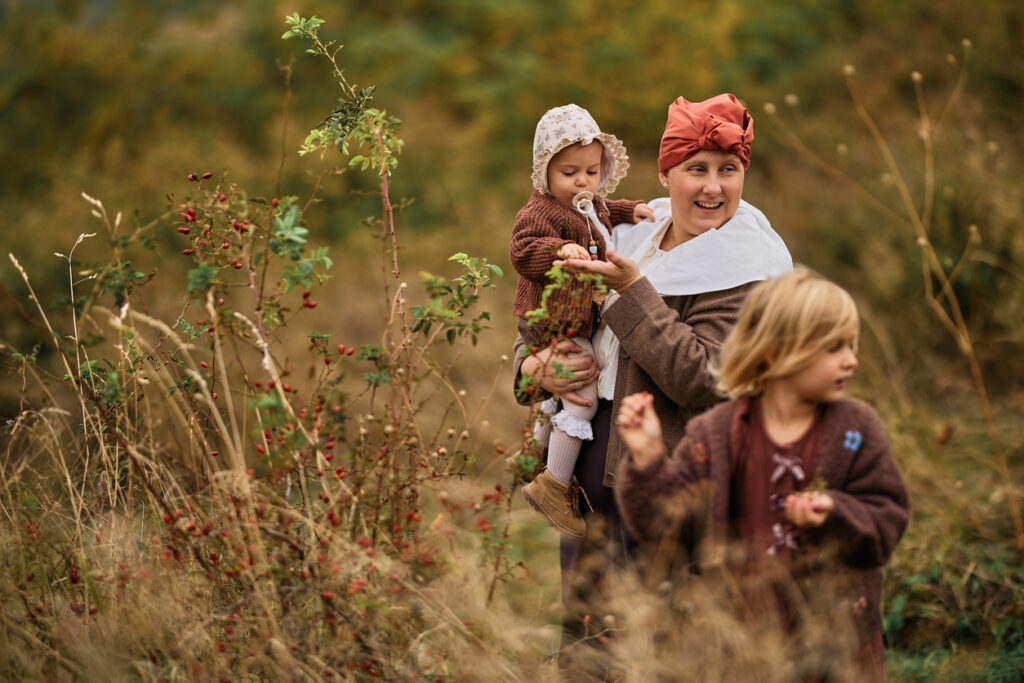
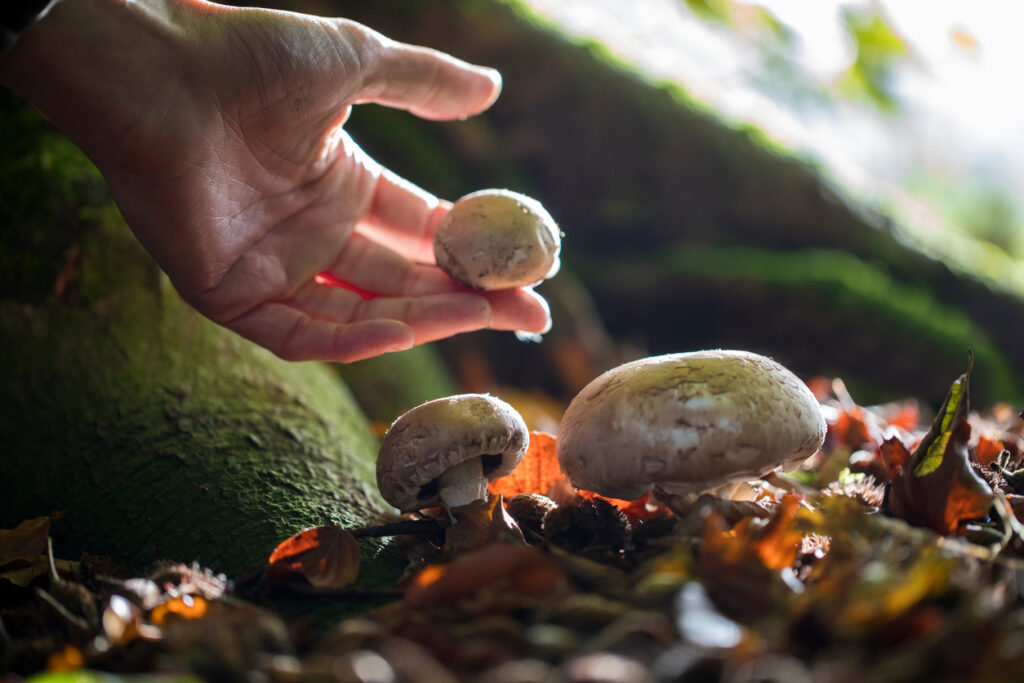
Mushroom foraging in particular is risky because some deadly species look remarkably similar to edible ones. Death cap mushrooms can destroy your liver, and by the time symptoms appear, it’s often too late for treatment. Even experienced foragers make mistakes, and beginners relying on apps or online guides are playing Russian roulette with their organs. One misidentification can leave you needing a liver transplant or dead within days, which rather undermines the wholesome back-to-nature appeal.
2. Most land is privately owned or protected.
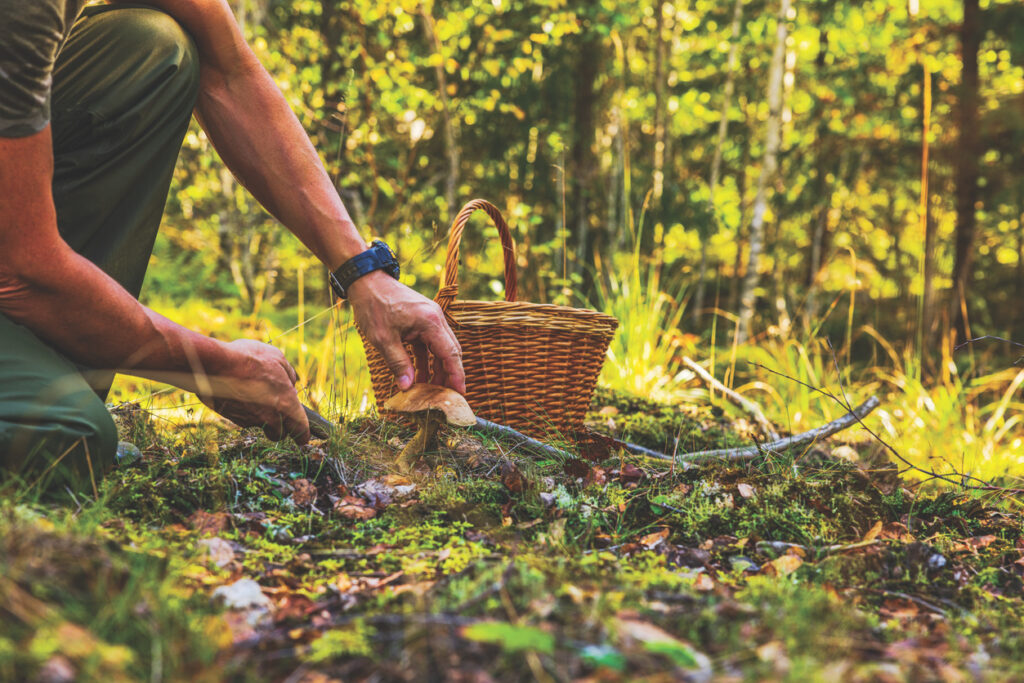
You can’t just wander onto any bit of countryside and start picking things. In the UK, most land is privately owned and foraging without permission is technically theft. National parks and nature reserves often prohibit foraging to protect ecosystems. You’re left with a patchwork of land where it’s actually legal to forage, and finding those spots requires research and travel. The romantic notion of wandering freely through forests gathering food doesn’t match the legal reality of trespassing laws.
3. The time investment rarely justifies the reward.
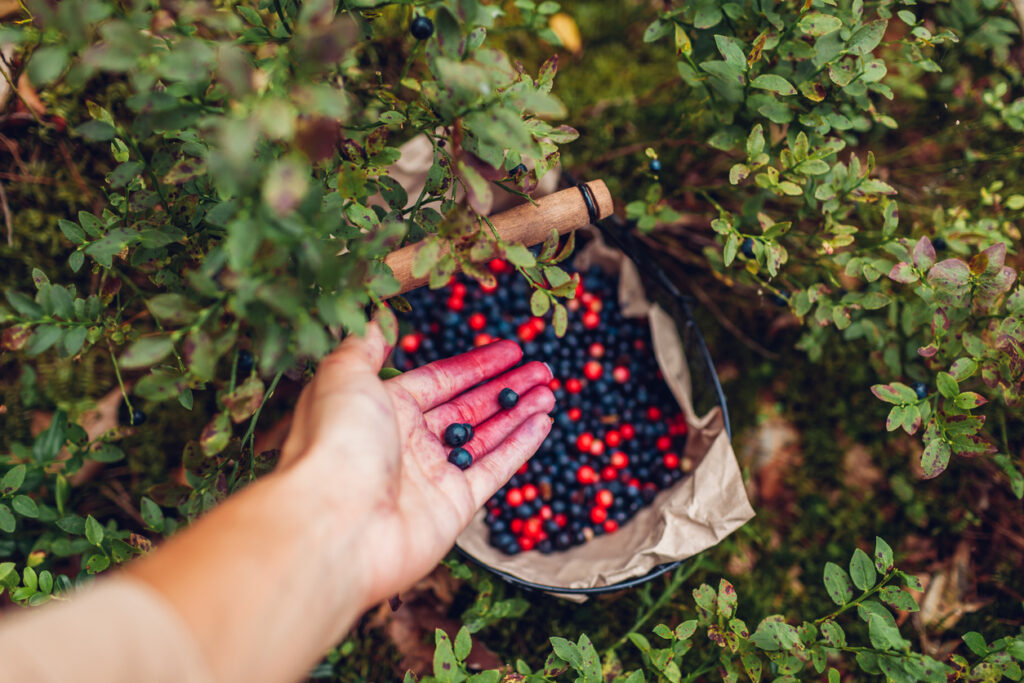
You might spend three hours walking through woods to gather enough wild garlic for one meal or a handful of blackberries that would cost £2 at the supermarket. Foraging is incredibly time-consuming compared to just buying food, and unless you genuinely enjoy the process for its own sake, it’s a poor use of time. Most people romanticise it as free food without calculating the hours spent searching, identifying, gathering, and processing versus just working an extra hour and buying what you need.
4. Pollution makes many areas unsafe.
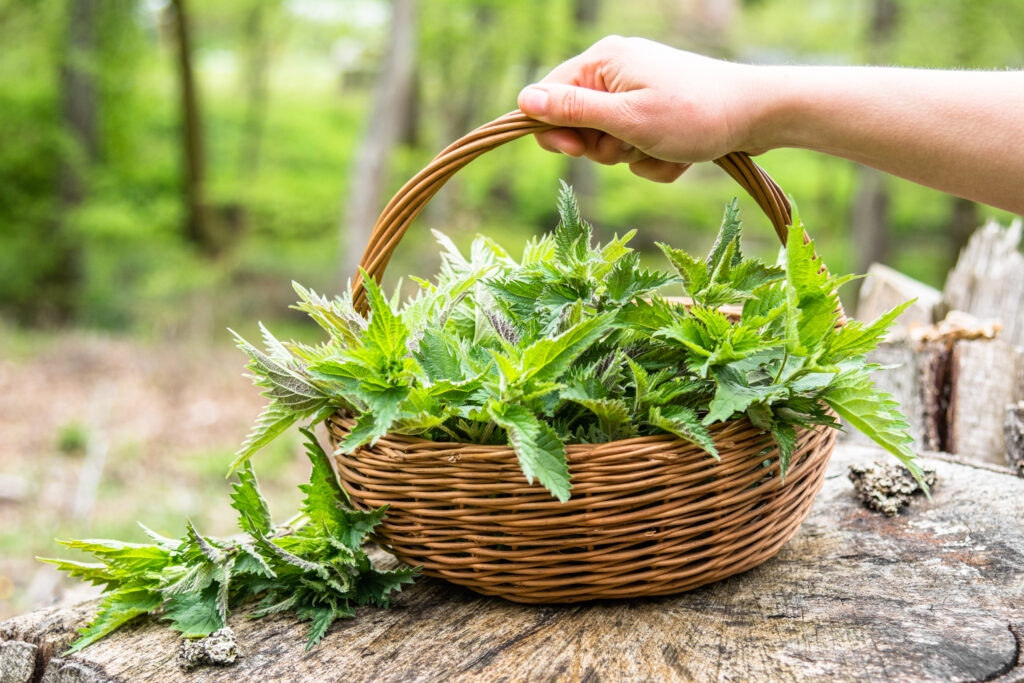
Plants growing near roads absorb heavy metals and pollutants from traffic. Urban areas have soil contaminated with industrial waste, lead paint, and decades of pollution. Even seemingly pristine countryside might have agricultural run-off, pesticides, or heavy metal contamination you can’t see. That wild garlic growing by the roadside has been absorbing exhaust fumes for months. You’re not gathering pure, natural food if it’s been growing in contaminated soil or near pollution sources.
5. Dog waste is everywhere.
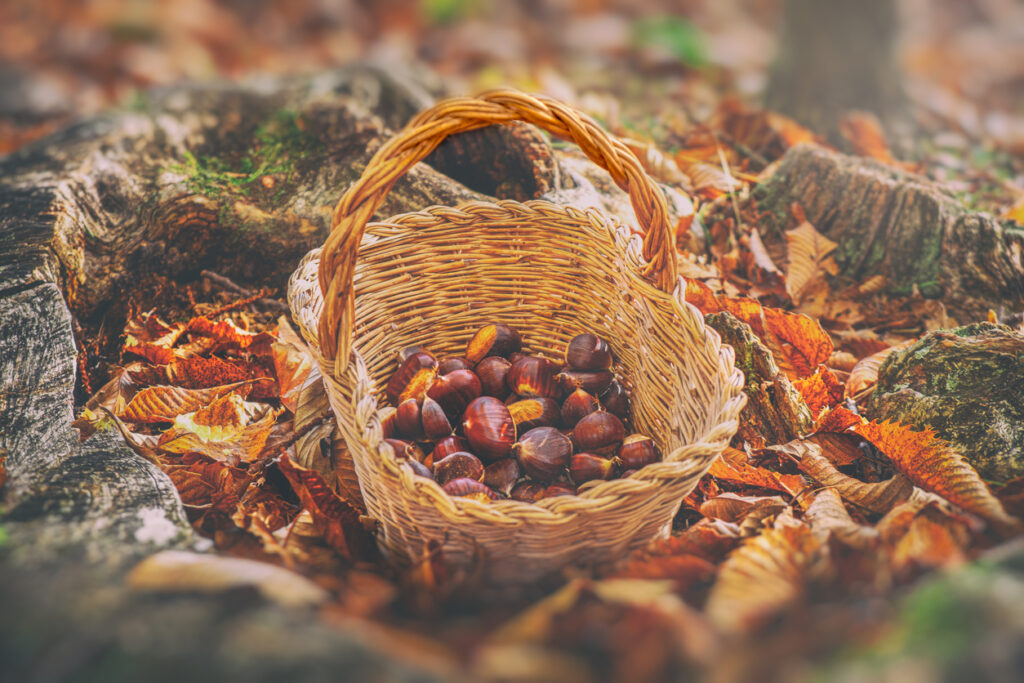
Popular walking areas where you might forage are also where people walk their dogs, and dogs urinate and defecate on everything at ground level. Wild garlic, nettles, and low-growing plants are all potential targets for dog waste. You can wash plants thoroughly, but the thought of what they’ve been exposed to is genuinely off-putting. The foraging guides never mention this, but it’s a realistic concern if you’re gathering plants from areas where dogs are walked regularly.
6. Seasonal availability is extremely limited.
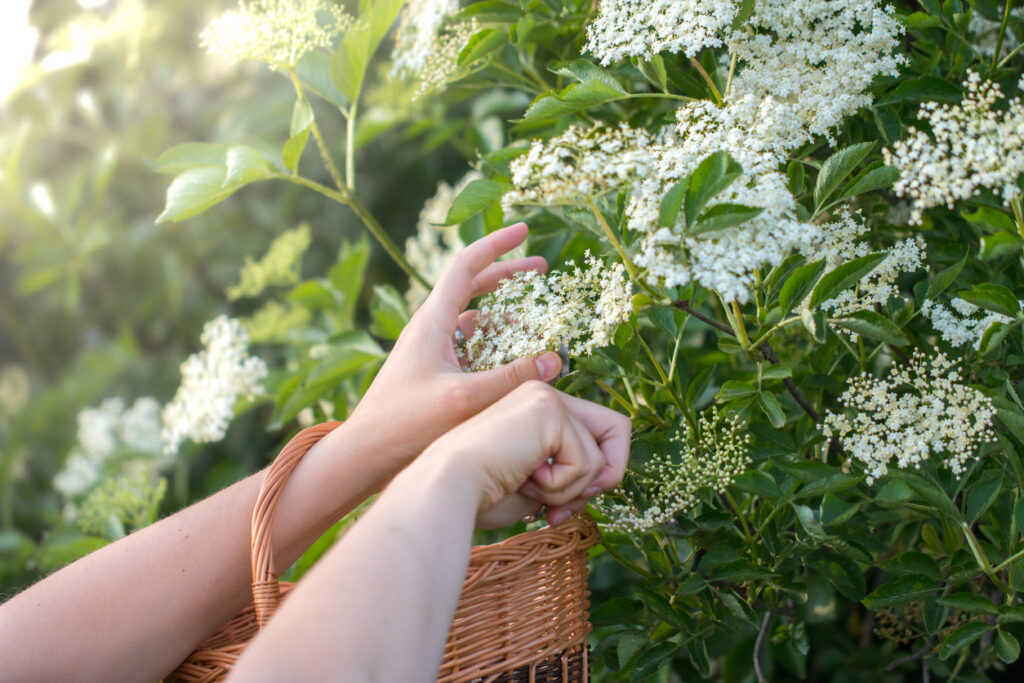
Most foraged foods are only available for a few weeks each year. Wild garlic appears in spring, elderflowers in early summer, blackberries in autumn, and nothing much grows in winter. If you’re serious about foraging as a food source rather than an occasional hobby, the seasonal restrictions are frustrating. You can’t rely on foraged food for regular meals because most of the year there’s not much available, or what is available requires too much expertise to identify safely.
7. It’s physically uncomfortable and sometimes dangerous.
Foraging means pushing through undergrowth, getting scratched by brambles, dealing with stinging nettles, and often working in muddy, wet conditions. You’ll get ticks, insect bites, and potentially expose yourself to Lyme disease. Reaching the best foraging spots often involves walking long distances over rough terrain. The Instagram version shows someone gracefully picking elderflowers in a sundress, but reality involves muddy boots, scratched arms, and checking yourself for ticks afterwards.
8. Over-foraging damages ecosystems.
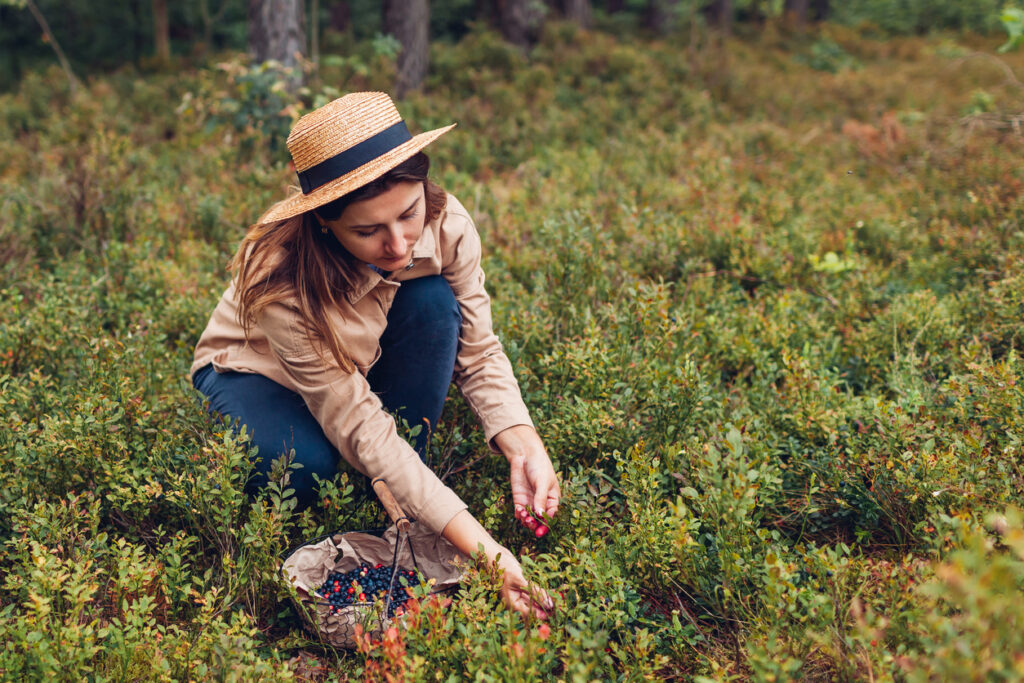
When foraging becomes trendy and everyone descends on the same popular spots, plant populations get hammered. Taking too much wild garlic prevents it from spreading and regenerating. Picking rare mushrooms before they can release spores damages future populations. Responsible foraging means taking only small amounts and leaving plenty behind, but that conflicts with the goal of actually gathering enough food to make the trip worthwhile. The more popular foraging becomes, the more damage is done to the ecosystems people claim to be connecting with.
9. Processing what you’ve gathered is tedious.
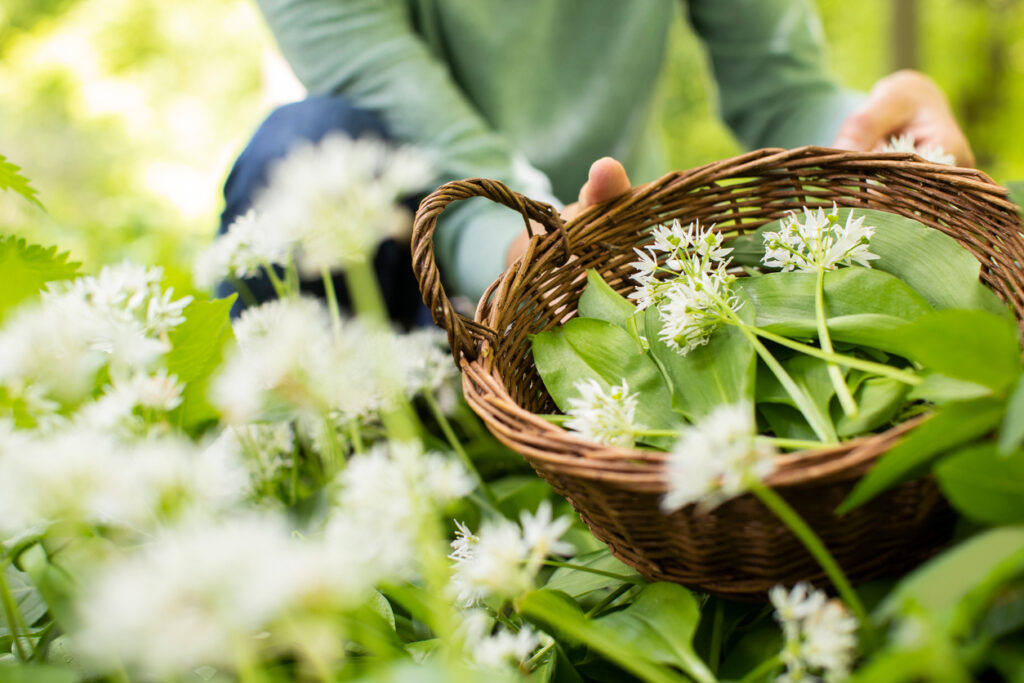
You’ve spent hours gathering elderflowers, now you need to spend more hours cleaning each tiny flower head, removing all the green bits that taste bitter, and turning them into cordial. Nettles need thorough washing and careful handling. Mushrooms need cleaning and checking again for correct identification. Sloes need pricking individually before making sloe gin. The gathering part is just the beginning, and processing your foraged goods is often boring, repetitive work that takes far longer than expected.
10. Knowledge takes years to build safely.

Becoming genuinely competent at foraging requires years of learning, not a weekend course or a few YouTube videos. You need to know plants in different seasons and life stages, understand which parts are edible and when, and recognise dangerous lookalikes. Most people dabble superficially, sticking to easily identifiable things like blackberries and elderflowers, which means they’re barely scratching the surface of what foraging could offer. Building real expertise is a long-term commitment that most casual foragers aren’t prepared to make.
11. You’re competing with wildlife that actually needs it.
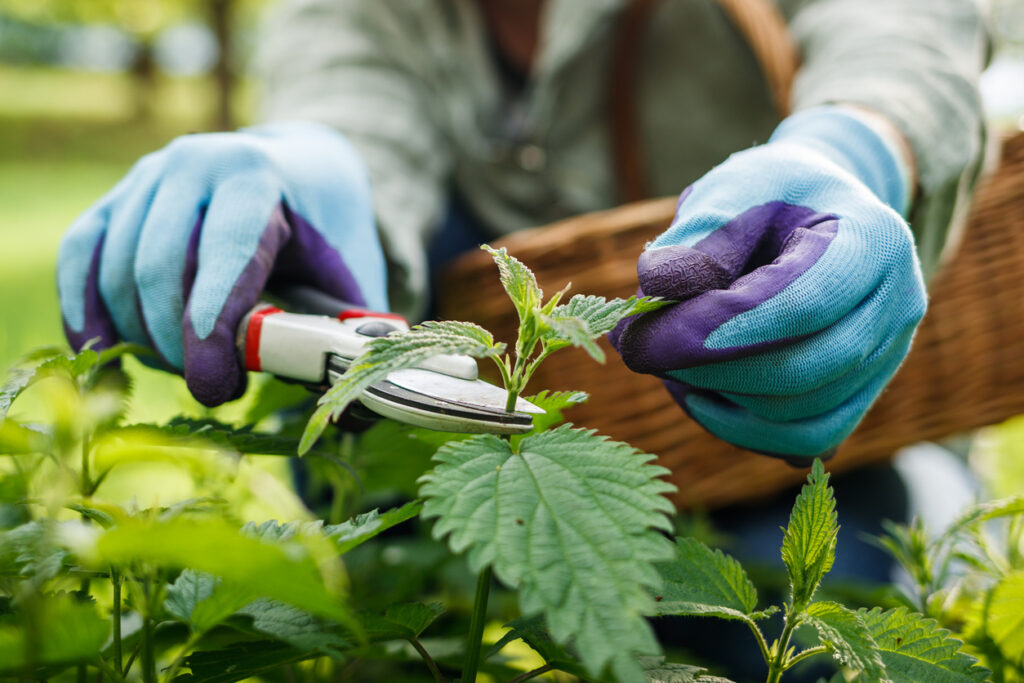
Birds, insects, and mammals rely on wild berries, nuts, and seeds as genuine food sources, not hobby ingredients. When you strip a hedgerow of blackberries or gather all the hazelnuts from an area, you’re removing food that wildlife depends on for survival. Foragers talk about connecting with nature, but then take resources that wild animals need more than humans who have access to shops. There’s something ethically questionable about competing with wildlife for food when you don’t actually need to.
12. The romantic ideal doesn’t match reality.
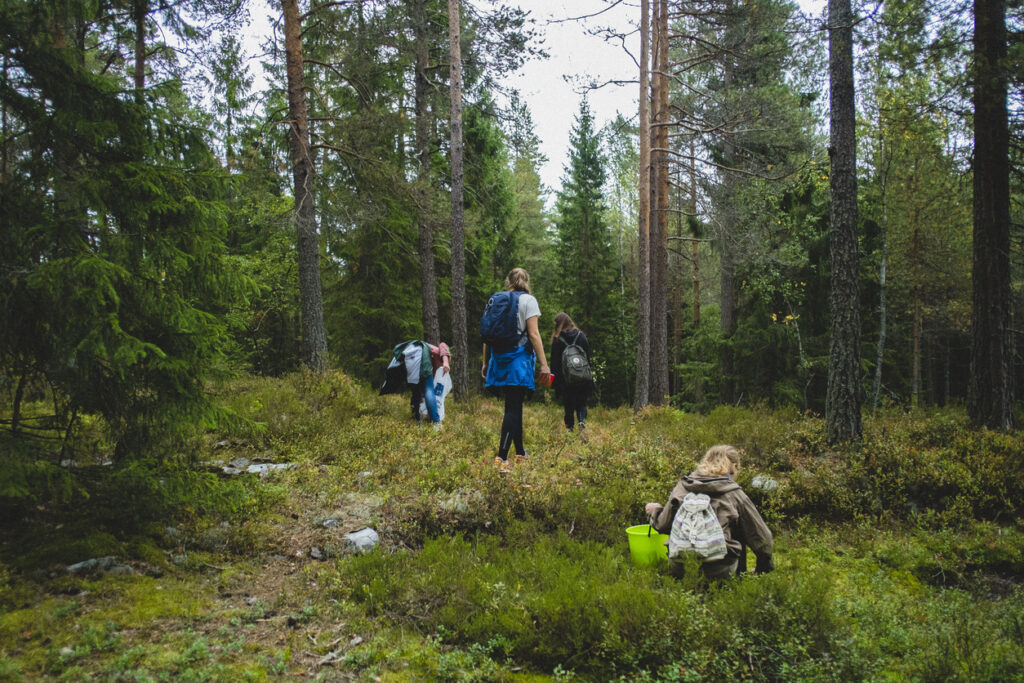
Foraging gets presented as this deeply meaningful connection to nature and our ancestral past, but mostly it’s muddy, frustrating, and produces small amounts of food you could have bought more easily. The people who romanticise it most are often those who do it least, treating it as a lifestyle aesthetic rather than a practical food source. Historical foraging was done by people with no other options, not by people with well-stocked kitchens looking for a weekend activity. The gap between the Instagram version and the reality of spending hours in wet undergrowth for a carrier bag of nettles is considerable, and most people discover that foraging is more work and less rewarding than they imagined.