It can be worrying when you’ve got a prickly little visitor in the garden, and you start noticing their spines scattered about like lost hairpins.
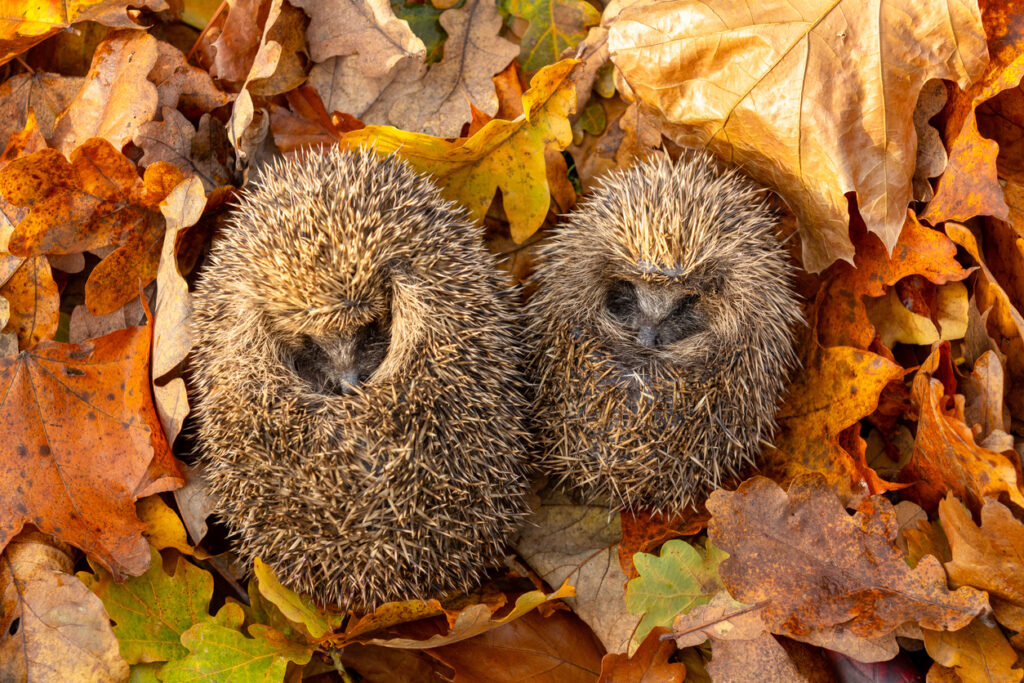
You might think they’ve been in a scrap or that something’s gone properly wrong with their health, but it isn’t always a reason to panic. Just like we lose hair or cats shed their fur, a hedgehog’s spikes go through their own cycle of falling out and growing back in.
It’s a perfectly natural process called quilling, though there are a few times when it can point to a bigger issue like stress or those pesky mites. Understanding why they’re losing their armour is the best way to figure out if your local hedgehog is just going through a bit of a growth spurt, or if they actually need a helping hand from a rescue centre.
They do shed spikes naturally, just not in big clumps.
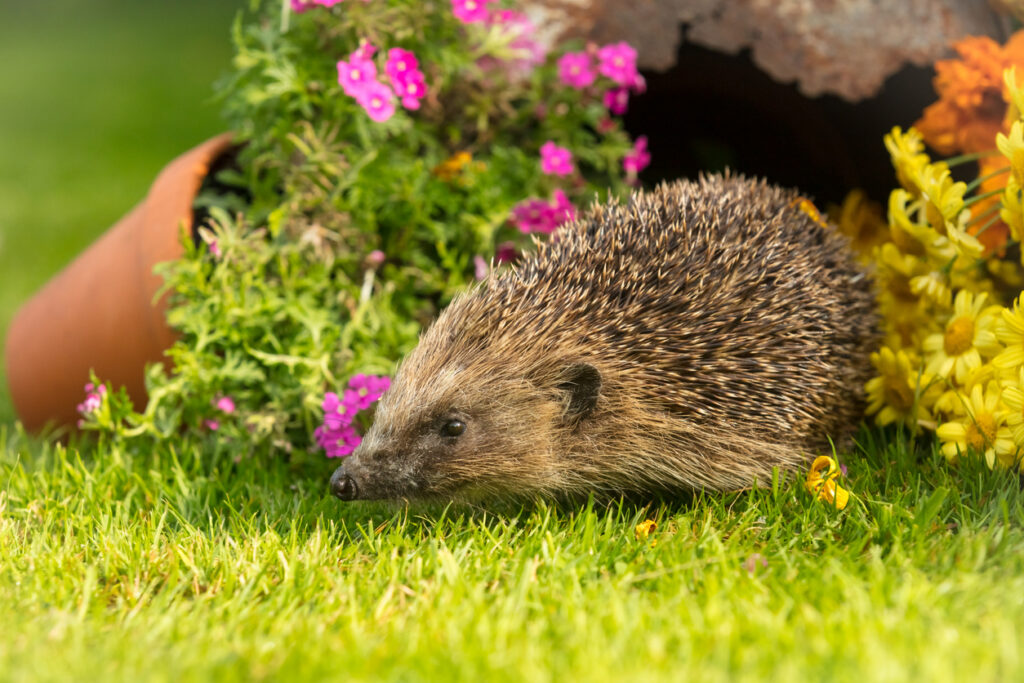
A healthy hedgehog can lose the odd spike as part of normal wear and tear, and new ones grow in to replace them. You might find a spike in a bedding area or where a hedgehog has been nesting, especially if it’s been squeezing through tight spaces. The important bit is that the skin underneath should look normal, and the hedgehog should look bright, active, and well-covered overall.
Baby hedgehogs go through quilling, which can look dramatic.
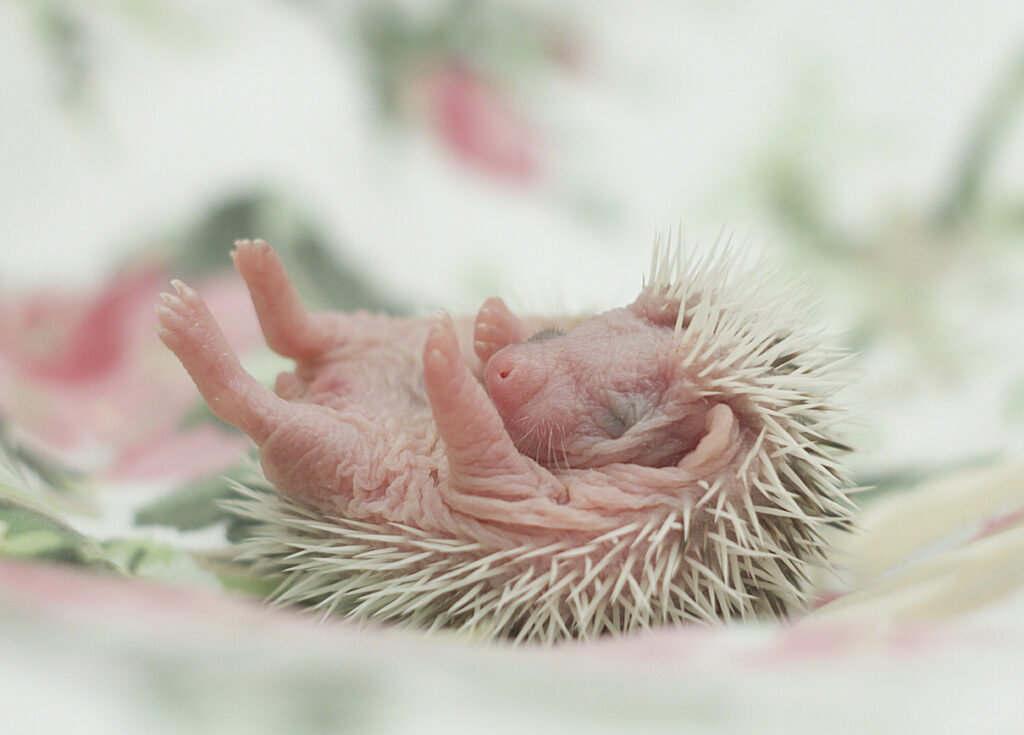
Young hedgehogs can lose and replace spikes in stages as they grow, a bit like a toddler growing out of shoes every other week. Their first set of spikes is softer and shorter, then they swap those for sturdier adult spikes, and you can sometimes see gaps or loose spikes during that time. Quilling can make them itchy and a bit grumpy, but it shouldn’t cause large raw areas or bleeding.
Older spikes can snap or break, then drop out later.

Spikes take a beating. Hedgehogs push through brambles, squeeze under fences, and trundle through garden clutter, so it’s normal for some spikes to get damaged. A broken spike might hang around for a while and then come out later, which can make it look like they’re losing spikes suddenly, when really it’s just old damage finally shedding.
Mites are one of the most common reasons for obvious spike loss.
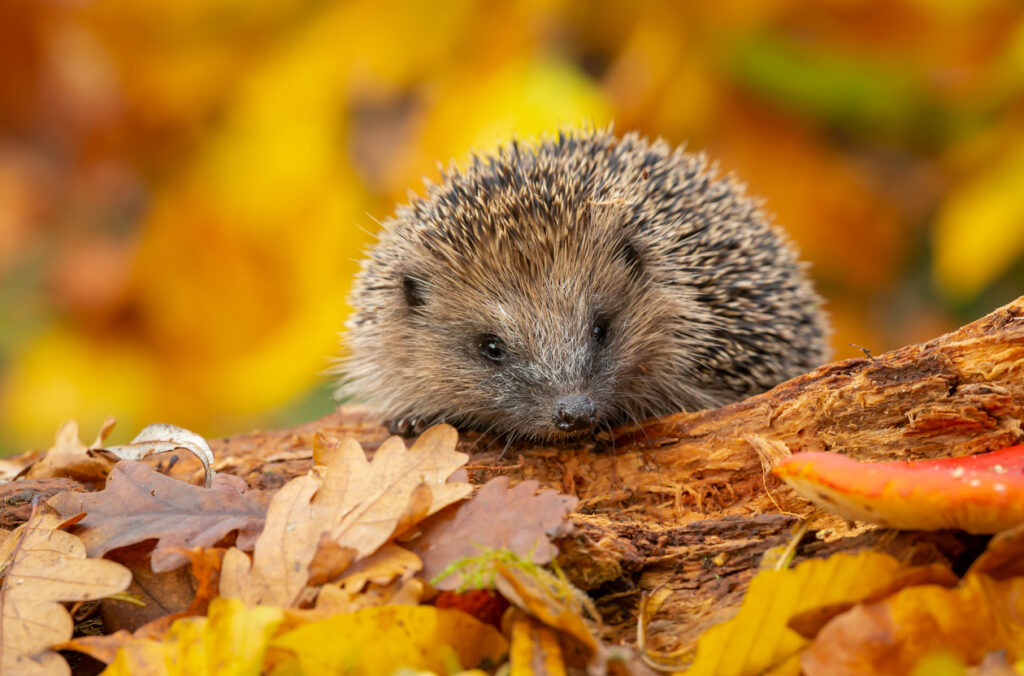
If a hedgehog is losing lots of spikes, scratching a lot, or has flaky, crusty skin, mites are high on the list of suspects. Mites can irritate the skin so much that spikes loosen and fall, and the hedgehog can end up looking patchy or rough around the edges. This isn’t something to try to sort with random pet treatments because the wrong product can harm them, so it’s a vet or wildlife rescue job.
Fungal skin infections can cause bald patches and crusty skin.
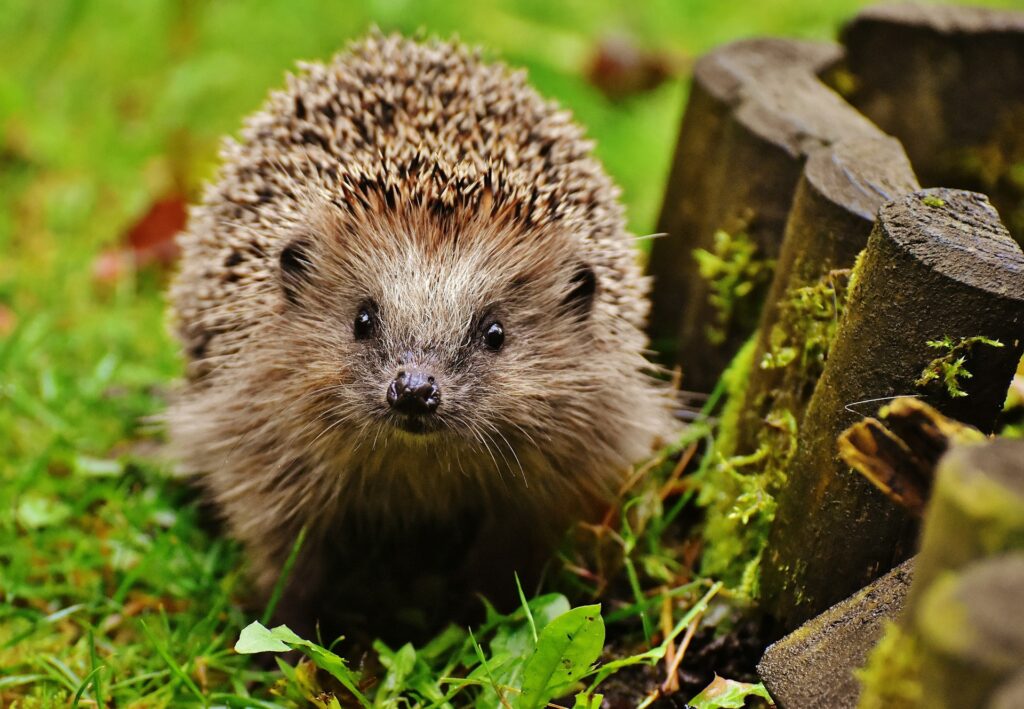
Another common cause is a fungal infection, which can show up as scaly areas, scabs, or patchy spike loss that keeps spreading. Sometimes it starts around the face or shoulders, sometimes it’s on the back, and it can look like the skin is irritated or thickened. Fungal problems need proper diagnosis and treatment, and they can take a while to clear, so early help makes a big difference.
Stress and poor nutrition can make the coat and spikes look worse.
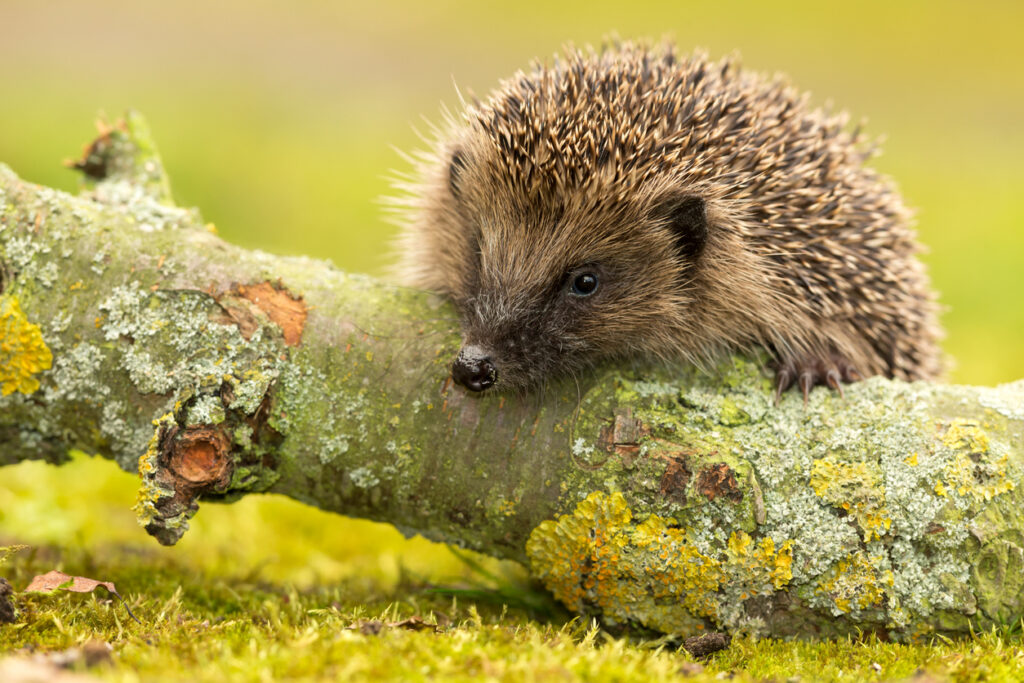
Hedgehogs that are underfed, dehydrated, fighting illness, or dealing with constant stress can start looking scruffier, and spikes can become weaker or fall more easily. This can happen with late-season youngsters that didn’t build up enough weight, or hedgehogs that are being disturbed a lot and not resting properly. The spikes aren’t always the main problem here, they’re just the visible sign that the animal isn’t thriving.
Injuries can pull spikes out around a wound.
If a hedgehog has been attacked, clipped by a strimmer, caught in netting, or hit by a car, spikes can come out around the injury site. You might see a patch of missing spikes, swelling, blood, or a strange smell, and the hedgehog might hold itself oddly or seem weak. This is urgent because hedgehogs hide pain well, and even small-looking wounds can turn nasty fast.
Skin disease can cause larger, uneven areas of spike loss.
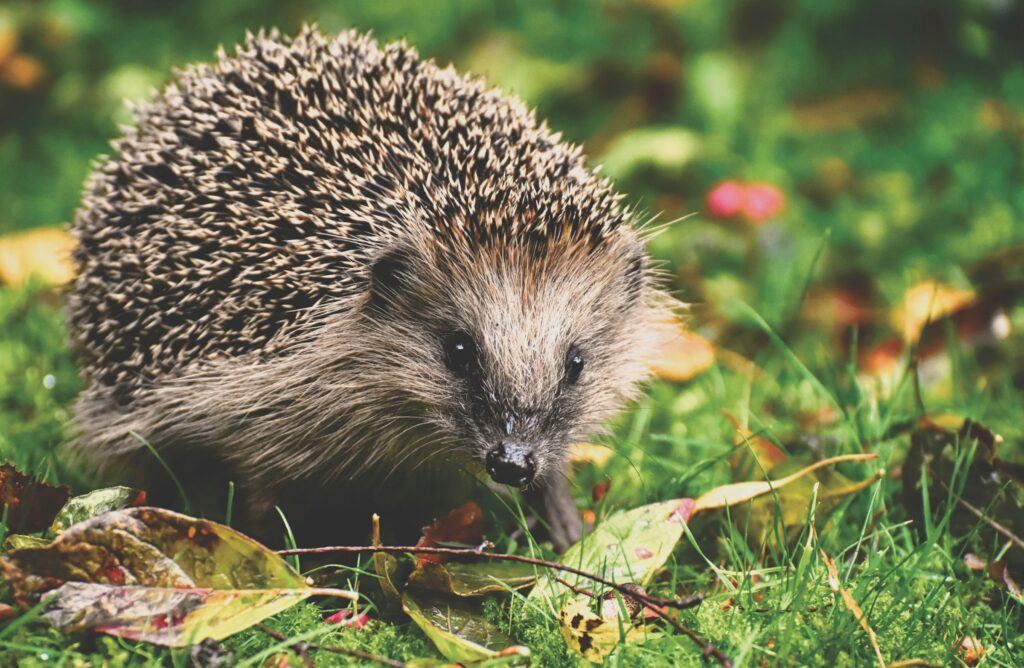
Sometimes spike loss is part of a wider skin issue, like inflammation, sores, or thickened skin that stops spikes from sitting properly. You might notice a greasy look, scabbing, or the spikes coming out with bits of skin attached, which is a red flag. If a hedgehog looks like it’s losing spikes in chunks rather than the odd one, it needs a proper check by a rescue or vet.
Seasonal changes can make you notice shedding more.
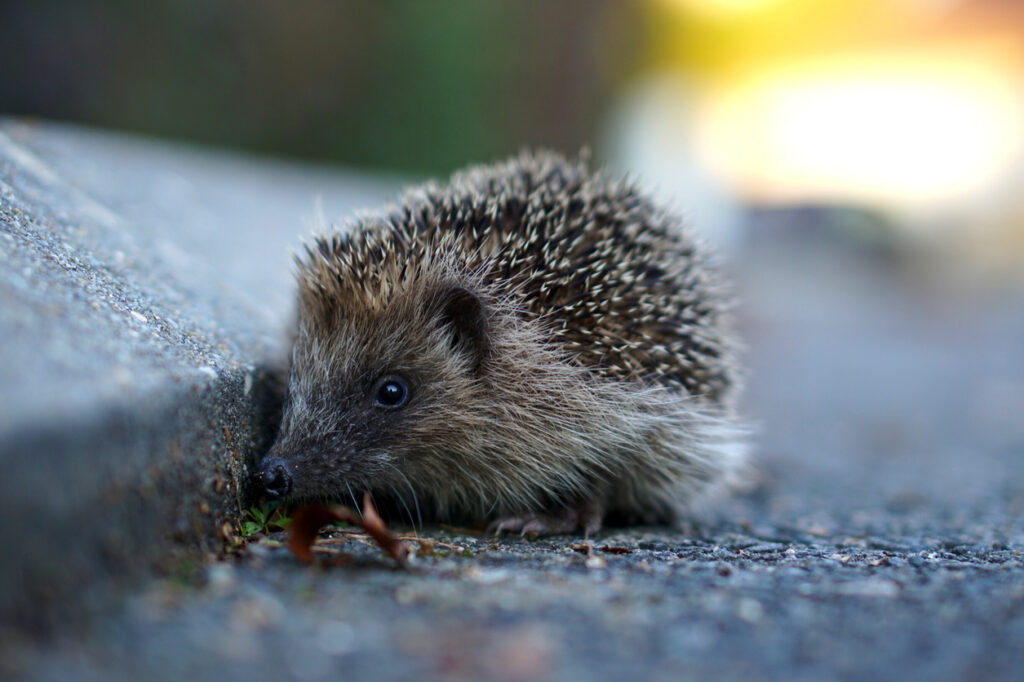
In spring and autumn, hedgehogs are more active, moving nests, and brushing past more vegetation, so you may simply notice more spikes in places they’ve been. They’re also dealing with changes in weight, hormones, and general wear and tear from foraging, which can make their coat look a bit rougher for a while. Seasonal roughness is one thing, but it still shouldn’t come with bald, sore areas or constant scratching.
The big clue is what the hedgehog looks and acts like overall.
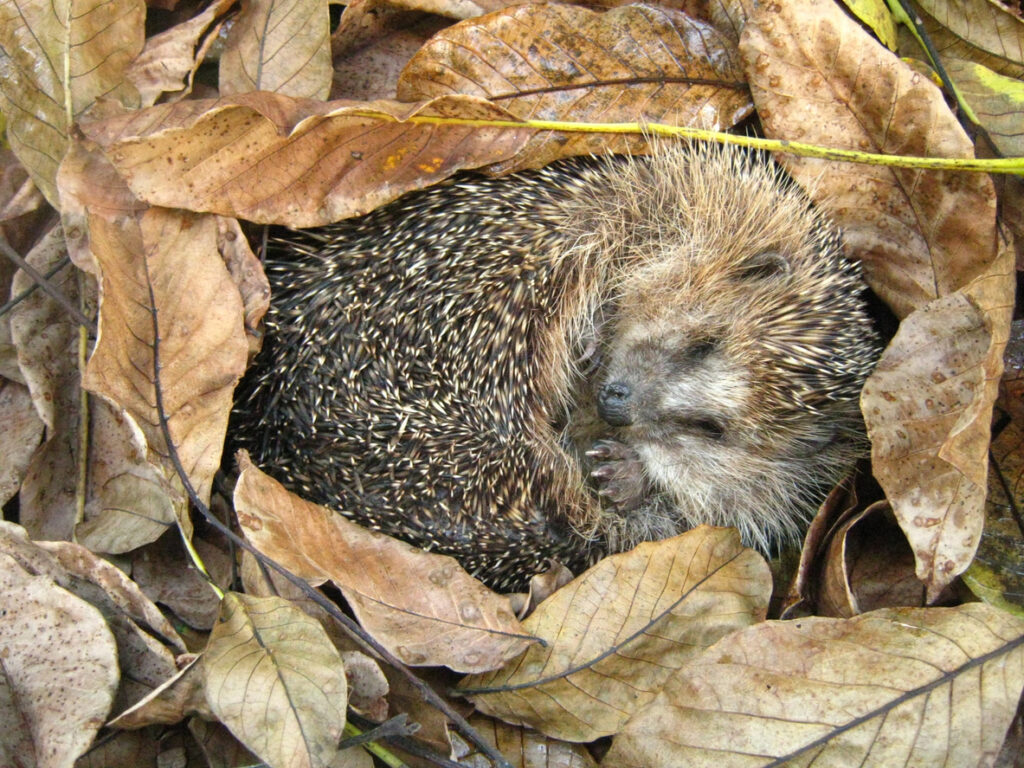
If you just find a couple of spikes in the garden and you’re seeing a healthy-looking hedgehog, that’s usually not a panic. If you see patchy bald spots, heavy flaking, scabs, wobbliness, lethargy, lots of scratching, or a hedgehog out in daylight looking in trouble, that’s when to contact a local wildlife rescue for advice. If you ever need to contain one briefly for safety, use a towel or thick gloves, place it in a high-sided box with ventilation and something warm, and get help quickly rather than trying home fixes.