While February usually feels like the longest month of the year thanks to the endless grey skies and biting wind, it’s actually the moment your garden starts waking up behind your back.

It’s tempting to stay inside with a brew until the sun finally decides to show its face, but if you want a decent display come summer, you’ve got to get out there and do the legwork now. We’re talking about clearing the winter debris, pruning back the roses before they go mental, and getting those first seeds started on a sunny windowsill. If you can brave the cold for a few hours this weekend, these 12 essential jobs will make sure your outdoor space isn’t a total mess by the time spring actually arrives.
1. Start chitting your seed potatoes.
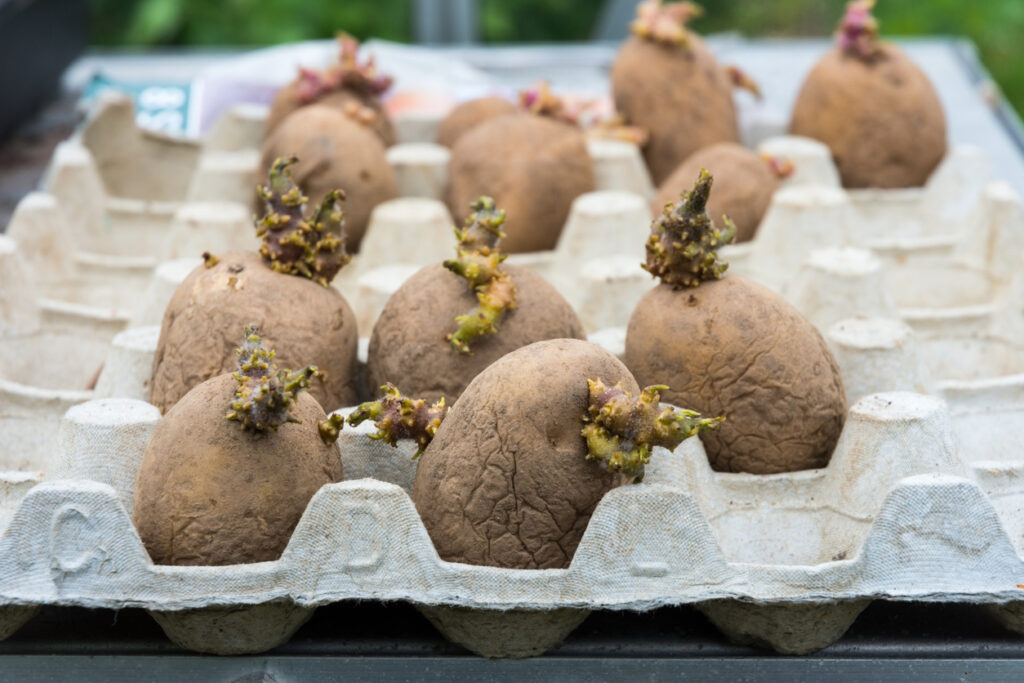
If you want a decent potato harvest, you need to get them chitting now. This just means setting them in egg boxes or trays with the eyes facing upward in a cool, light spot. They’ll start sprouting, which gives them a head start when you plant them out in a few weeks. It’s not complicated, you’re just waking them up early so they’re ready to go when the soil warms up enough.
2. Prune your fruit trees and bushes while they’re dormant.

Late winter is the perfect time to shape fruit trees because you can see the structure clearly without leaves in the way. Cut out any dead, diseased, or crossing branches, and thin out crowded areas to improve air circulation. Apple and pear trees particularly benefit from February pruning. Don’t touch stone fruits like plums or cherries though, they should be pruned in summer to avoid disease.
3. Prepare beds for spring planting.
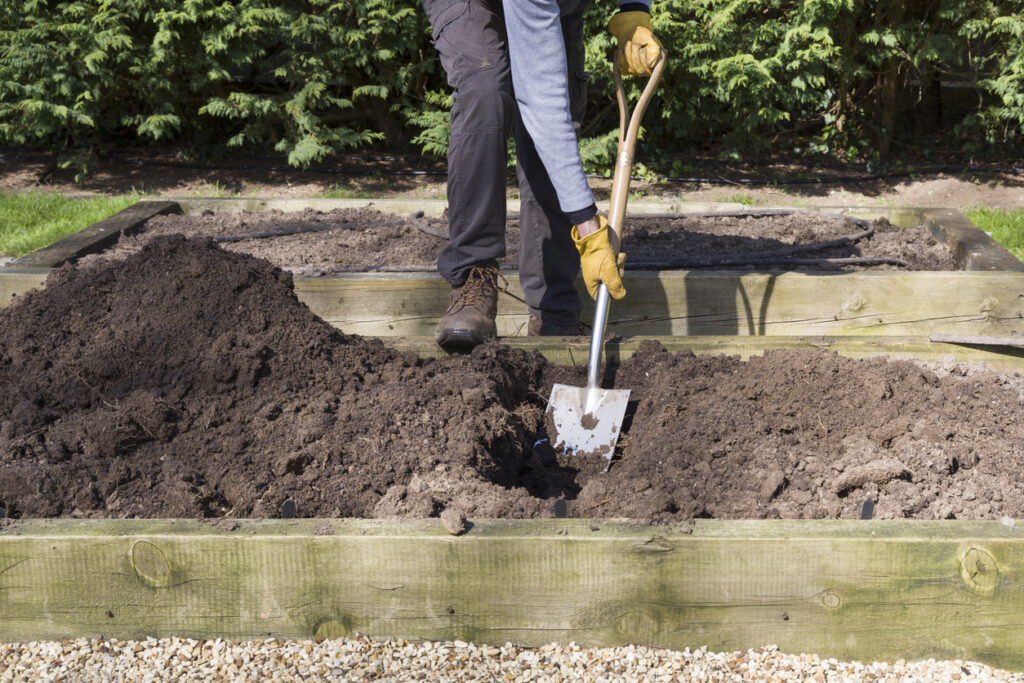
If the ground isn’t frozen solid or waterlogged, you can start improving your soil. Add compost or well-rotted manure to beds where you’ll be planting vegetables and flowers. You don’t need to dig it in deeply, just spread it on top and let the worms do the work. Getting this done now means your beds are ready when planting season properly arrives.
4. Sow seeds indoors for an early start.
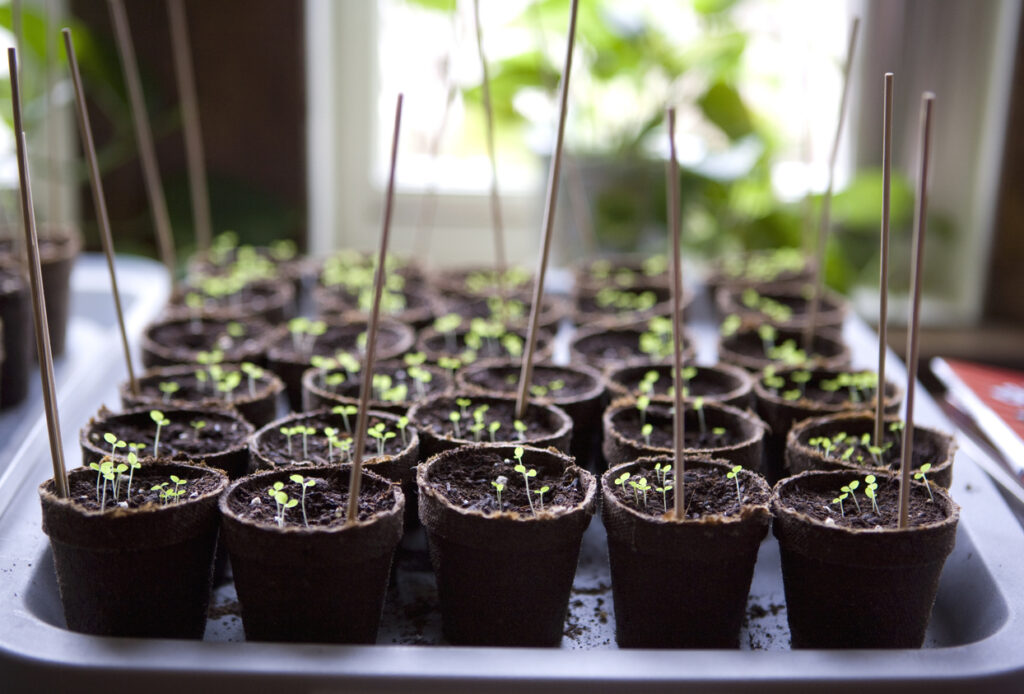
You can start sowing certain seeds indoors now even though it’s too cold outside. Tomatoes, peppers, and aubergines need a long growing season, so February sowing gives them enough time to mature. Use a heated propagator or a warm windowsill, and don’t sow everything at once. Stagger your sowings so you’re not overwhelmed with seedlings all needing attention simultaneously.
5. Cut back ornamental grasses and perennials.
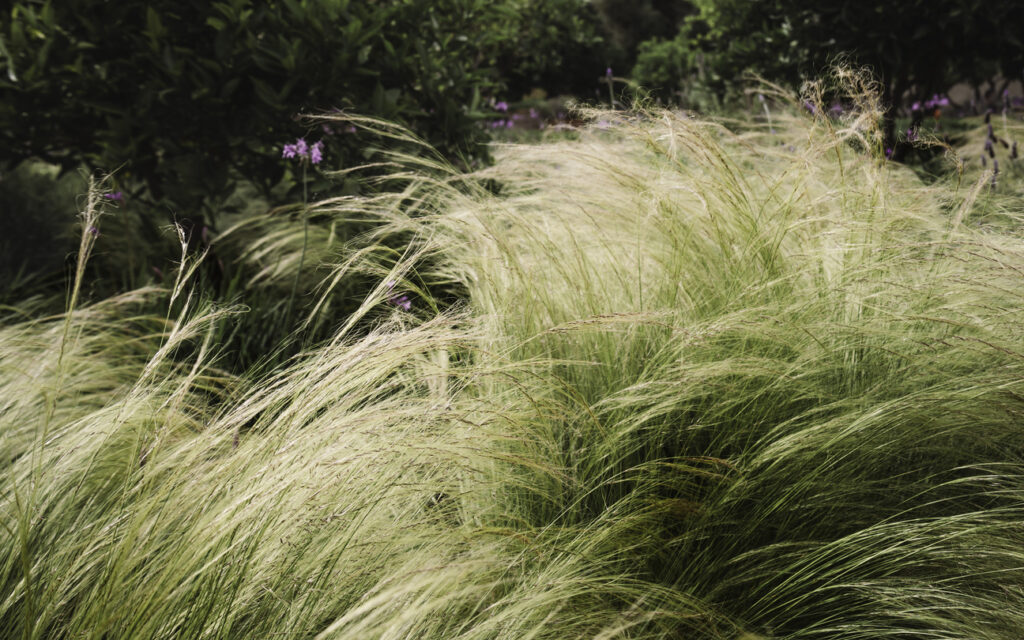
If you left your grasses standing over winter for structure and wildlife, now’s the time to cut them back before new growth starts. Chop them down to about 10 cm from the ground, and do the same with any tatty-looking perennials. This tidying makes space for fresh growth and stops old stems from smothering new shoots as they emerge.
6. Check stored bulbs and tubers for rot.
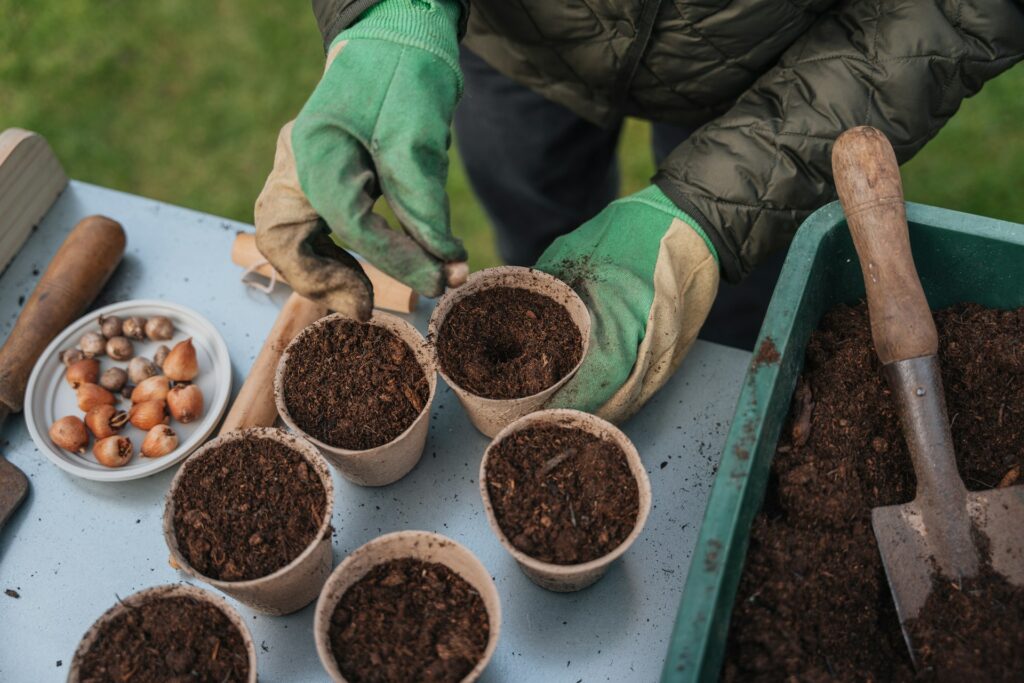
Dahlias, cannas, and other tender bulbs you stored over winter need inspecting. Look through them and chuck out anything that’s gone mushy or mouldy. If you find early signs of rot, you might be able to save them by cutting away the affected bits and letting them dry out. Stored bulbs can deteriorate quickly if conditions aren’t right, so catching problems early matters.
7. Feed your garden birds consistently.
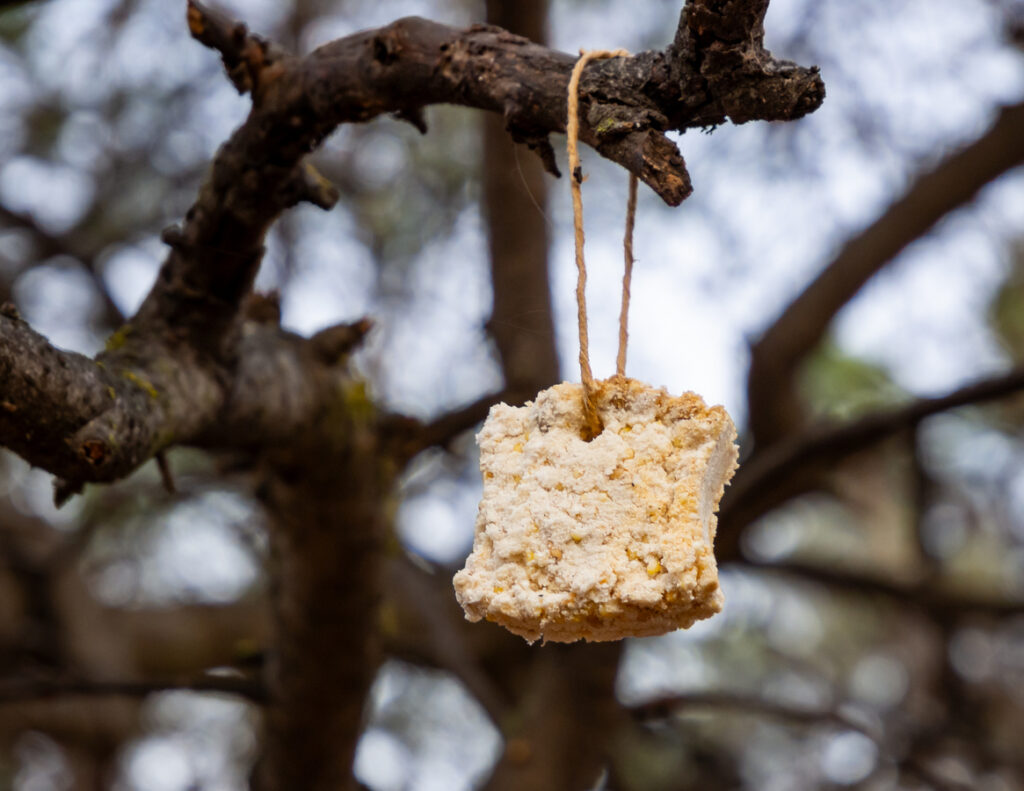
February is actually one of the hardest months for birds because natural food sources are depleted, but spring hasn’t arrived yet. Keep your feeders topped up and provide fresh water daily, especially if it freezes overnight. Birds will remember reliable food sources and stick around to help control pests once the growing season starts. It’s not just kind, it’s practical garden management.
8. Plant bare-root trees, shrubs, and roses.
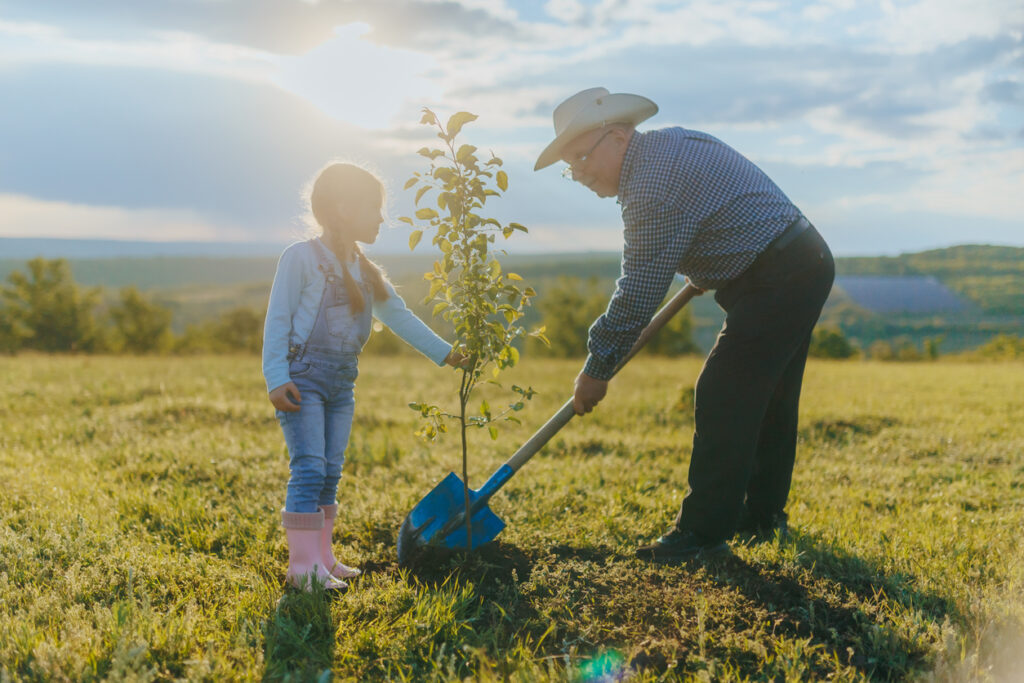
You’ve still got time to get bare-root plants in the ground this month, as long as the soil isn’t frozen. They’re cheaper than container plants and establish better, but they’re only available while dormant. Dig a proper hole, improve the soil with compost, and stake trees if needed. Water them in well even if it’s raining because you want to settle soil around the roots.
9. Start planning your vegetable rotation.
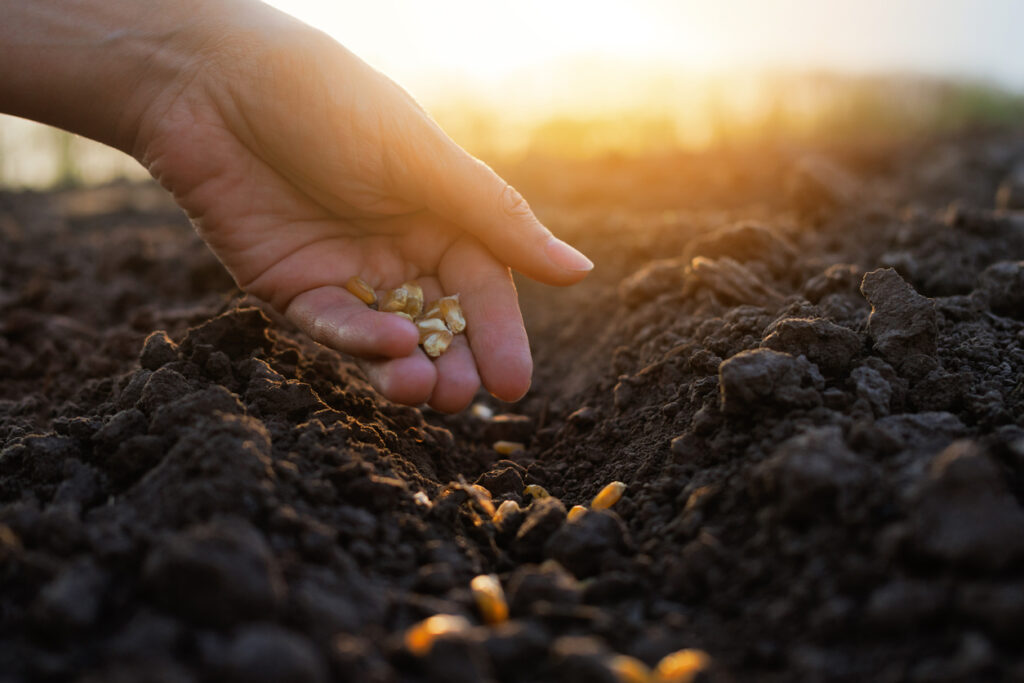
If you grow vegetables, February’s when you need to work out what’s going where this year. Crop rotation prevents soil depletion and reduces pest problems, so don’t just plant things in the same spots annually. Map out your beds and decide which families go where based on last year’s layout. It feels tedious, but planning now prevents confusion and mistakes later.
10. Protect emerging shoots from slugs and snails.
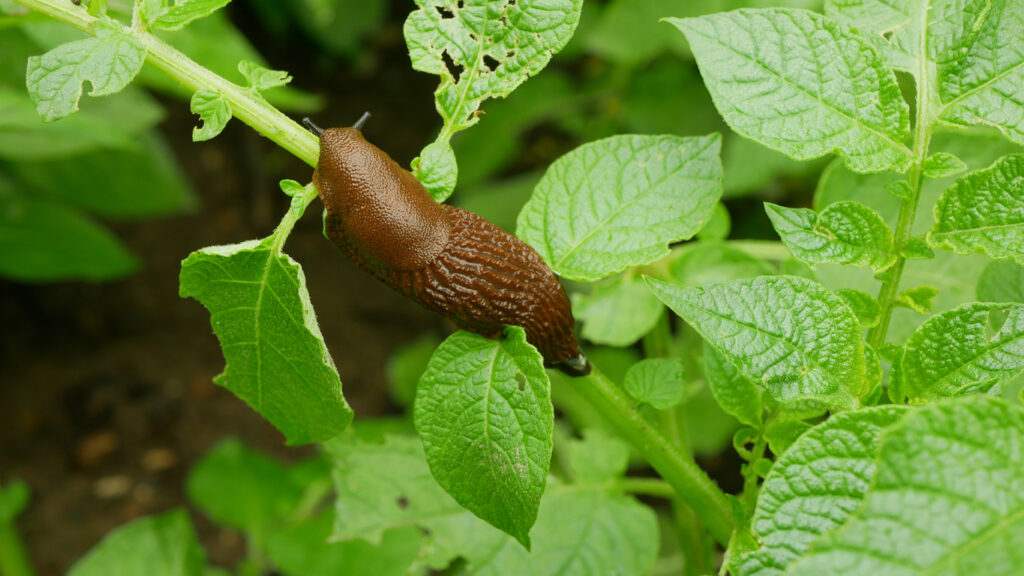
Spring bulbs and perennials are starting to poke through, which makes them vulnerable to slug damage. Put down whatever slug control you prefer, whether that’s pellets, copper tape, or beer traps. New growth is tender and slugs can devastate plants before they properly establish. Getting on top of slug populations now means less damage throughout the growing season.
11. Clean and sharpen your garden tools.
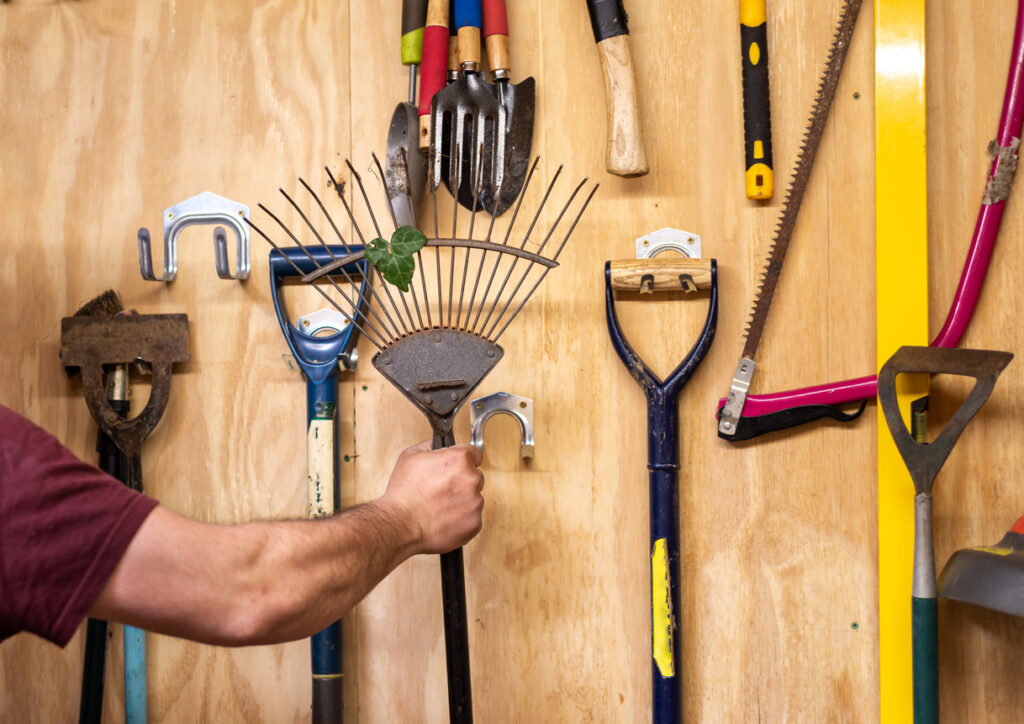
Before the busy season starts properly, sort out your equipment. Sharpen secateurs and shears, oil moving parts, and replace anything that’s genuinely broken rather than struggling through another year. Clean tools work better and last longer, plus they’re less likely to spread disease between plants. Spending an afternoon on maintenance now saves frustration when you’re actually trying to garden.
12. Order seeds and plants before popular varieties sell out.
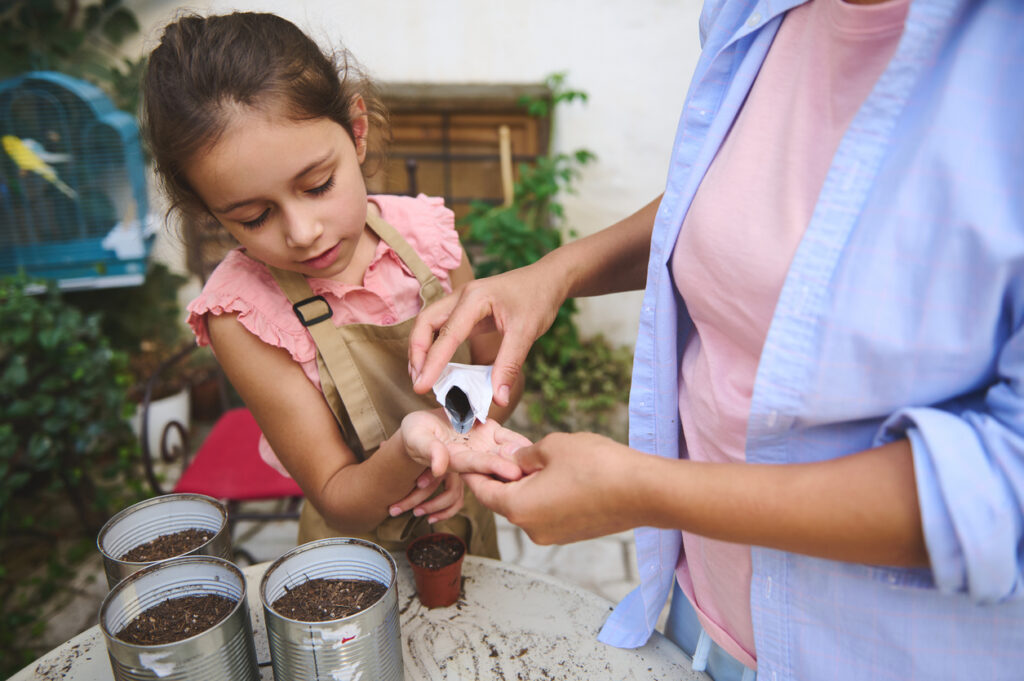
If you haven’t already sorted your seeds, do it now before the best varieties disappear. Catalogues are out, websites are stocked, and you’ve got time to plan properly rather than panic-buying in March. Order more than you think you need because seeds are cheap and having backup options when weather or pests ruin your first attempts is sensible. You can always save unused seeds for next year if you store them properly.