We may think we’ve got the solar system pretty well mapped out, but the more we look into the dark corners of our own neighbourhood, the more we realise how little we actually know.

Space is full of massive, awkward facts that don’t quite fit the models we’ve spent centuries building. From planets that seem to be spinning the wrong way to strange signals coming from moons that should be dead and frozen, these puzzles aren’t just minor details—they’re the kind of anomalies that could force us to rewrite the entire history of how our universe formed. Solving just one of these could change our understanding of where life can hide or what happened in the chaotic early days of the sun.
These 10 mysteries are the biggest gaps in our knowledge, and the answers behind them could be a massive turning point for science.
1. Venus might have life in its clouds.
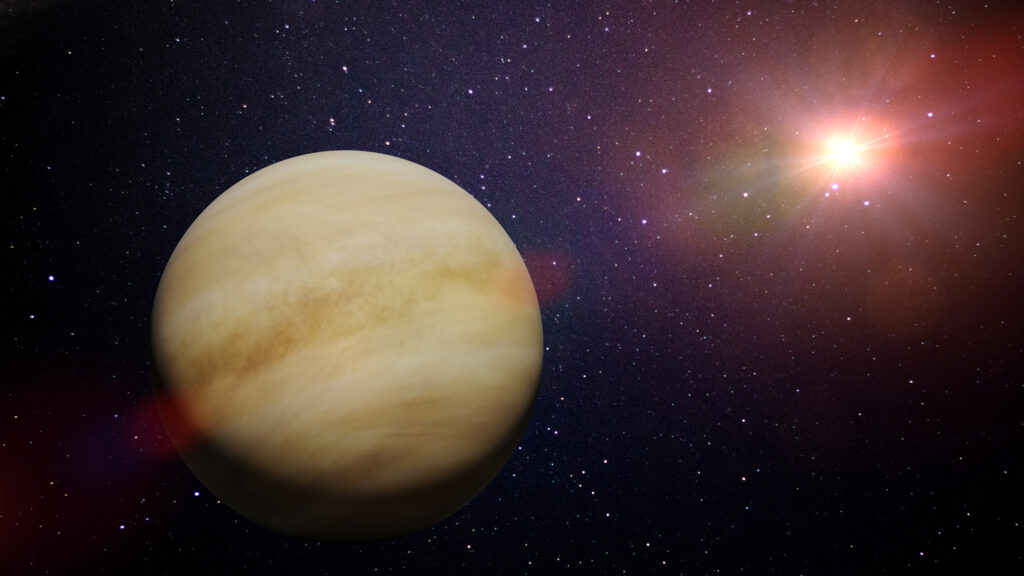
Scientists detected phosphine gas in Venus’s atmosphere, and there’s no known geological process that produces it. On Earth, phosphine only comes from biological activity or industrial processes. Venus’s surface is hot enough to melt lead, but 50 kilometres up in the clouds, temperatures, and pressures are surprisingly Earth-like. Something could be living up there, floating in the acidic cloud layers. If life exists on Venus, it completely changes our understanding of where organisms can survive. We’ve been looking for life on Mars while ignoring our other neighbour that might actually harbour it.
2. Mars has unexplained methane spikes.

Methane levels on Mars fluctuate dramatically and seasonally, and we don’t know why. On Earth, most methane comes from living organisms or geological activity. Mars rovers have detected sudden spikes in methane that appear and disappear quickly, which shouldn’t happen based on what we know about the Martian atmosphere. Either there’s active geology we haven’t discovered yet, or something’s producing methane beneath the surface. Both possibilities are huge because active geology could mean habitable environments, and biological methane production would mean life.
3. Europa’s ocean could be more habitable than Earth’s.

Jupiter’s moon Europa has twice as much liquid water as all of Earth’s oceans combined, sitting beneath an ice shell. Recent observations suggest the ocean might be in direct contact with the rocky seafloor, which would create the same kind of hydrothermal vent systems that support life in Earth’s deepest oceans. Europa also has the right chemistry and energy sources. If life developed there independently from Earth, it proves that life isn’t a cosmic fluke. It would mean the universe is probably teeming with organisms in places we haven’t thought to look properly.
4. Enceladus is spraying potential biosignatures into space.

Saturn’s tiny moon Enceladus shoots massive geysers of water into space from an underground ocean, and scientists have detected complex organic molecules in those plumes. These aren’t just simple carbon compounds, they’re the building blocks for more complex chemistry. The ocean beneath Enceladus’s ice has hydrothermal activity, liquid water, and organic chemistry all in one place. We can literally sample what’s in that ocean without drilling through kilometres of ice. If those organic molecules come from biological processes, it would be the first confirmed detection of alien life.
5. Titan has liquid methane rivers and lakes.

Saturn’s largest moon Titan is the only place besides Earth with stable liquid on its surface, except it’s liquid methane and ethane instead of water. It has rivers, lakes, seas, rain, and a weather cycle just like Earth, but at temperatures around minus 180 degrees Celsius. This creates a completely different chemical environment where life could theoretically develop using methane instead of water. If life exists on Titan, it would be so fundamentally different from Earth life that it would prove biology can work in ways we haven’t imagined. It would also mean the habitable zone around stars is much larger than we thought.
6. Neptune radiates more heat than it receives.
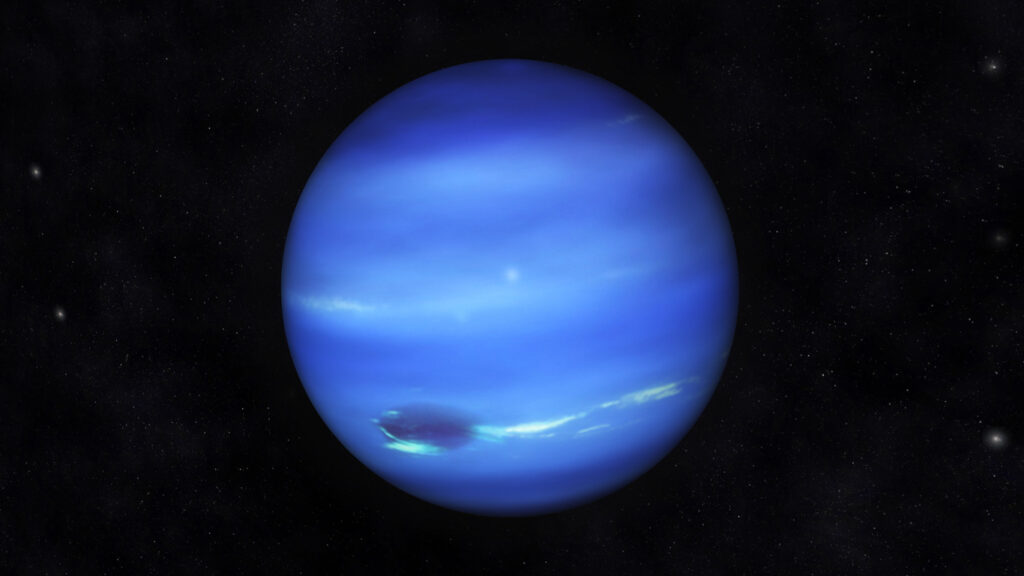
Neptune gives off more than twice the energy it receives from the Sun, and we don’t really know where that extra heat comes from. The planet’s too small and too old for leftover heat from its formation to account for it. There might be some unknown process happening deep in Neptune’s interior, possibly involving the crystallisation of methane or exotic chemistry under extreme pressures. Understanding this could reveal new physics about how giant planets work and how they evolve over billions of years. It might also explain mysteries about exoplanets we’ve discovered around other stars.
7. Pluto has a subsurface ocean that shouldn’t exist.
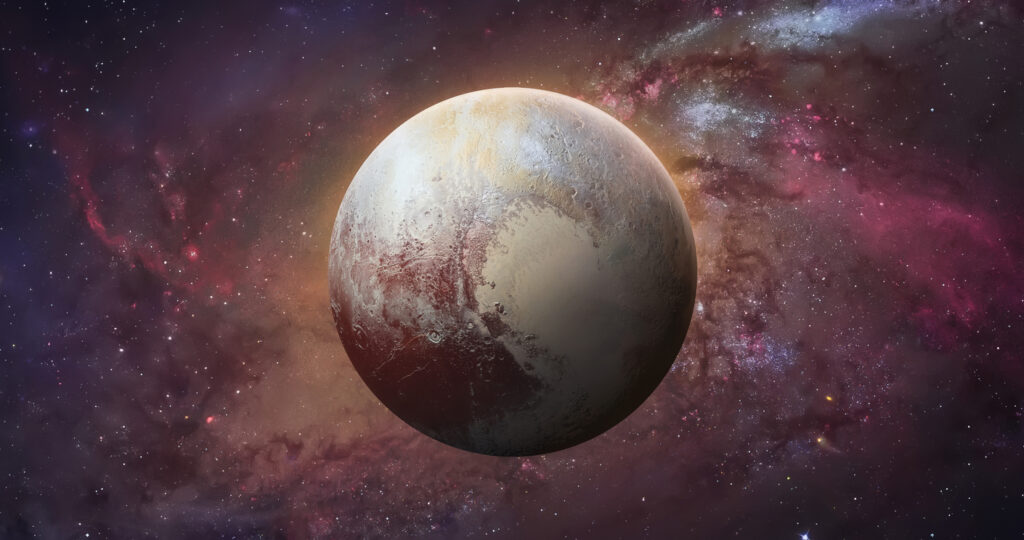
Pluto’s too far from the Sun and too small to maintain liquid water, yet evidence strongly suggests it has a liquid ocean beneath its icy surface. The nitrogen ice plains on Pluto’s surface align in ways that only make sense if there’s a subsurface ocean affecting the shell above. Something’s generating enough heat to keep water liquid in the outer solar system where everything should be frozen solid. If Pluto can maintain an ocean, potentially dozens of other distant objects could too. That massively expands the number of potentially habitable environments in our solar system alone.
8. Mercury has ice in permanent shadow.
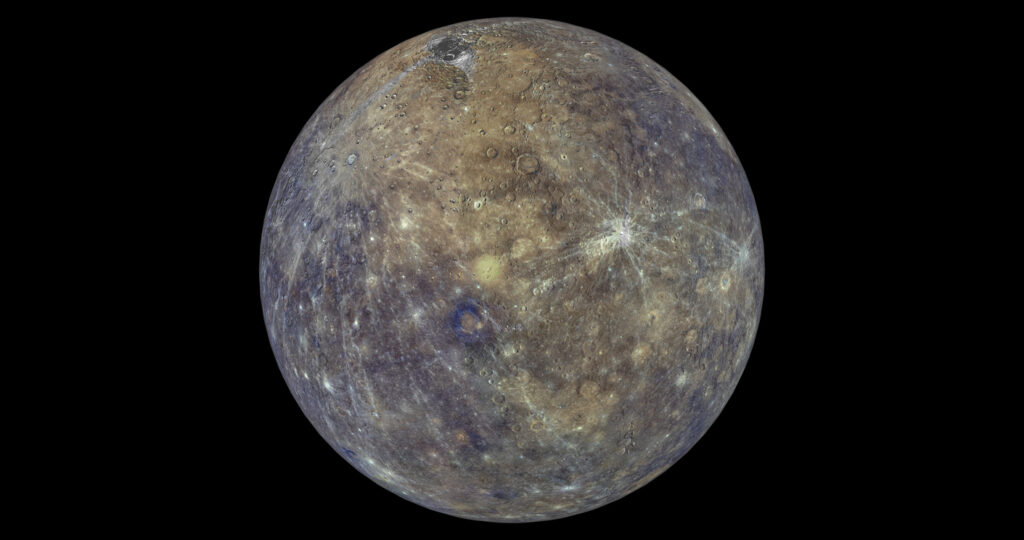
The closest planet to the Sun, where surface temperatures reach 430 degrees Celsius, somehow has water ice at its poles. The ice sits in craters that never receive sunlight, creating permanent cold traps. But where did the water come from? It might have been delivered by comets, or it could have come from Mercury’s interior. Understanding Mercury’s ice tells us about how water gets distributed in the inner solar system and how it survives in the most unlikely places. It also affects our models of how planets form and evolve near their stars.
9. Exoplanet atmospheres contain unexpected chemicals.
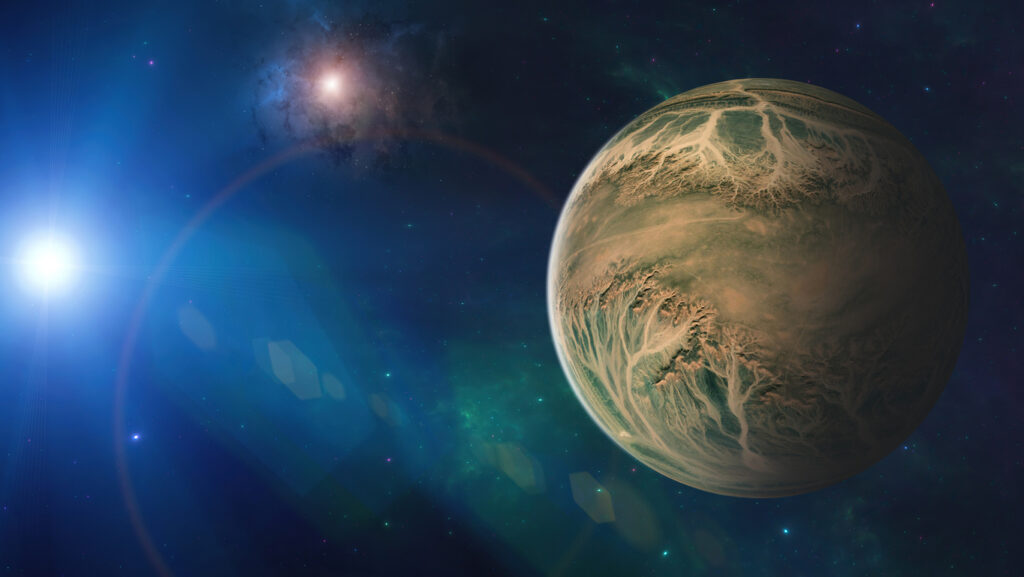
Some exoplanets have atmospheric compositions that don’t match any formation models we have. Strange combinations of elements, temperatures that shouldn’t be possible, and chemical reactions happening that our physics says shouldn’t occur at those pressures. Either our understanding of planetary atmospheres is badly incomplete, or these planets formed through processes we haven’t accounted for. Each weird exoplanet atmosphere challenges our assumptions about how solar systems develop. When we find chemicals in these atmospheres that on Earth only come from life, the implications become even bigger.
10. Planet Nine might be lurking in the outer solar system.
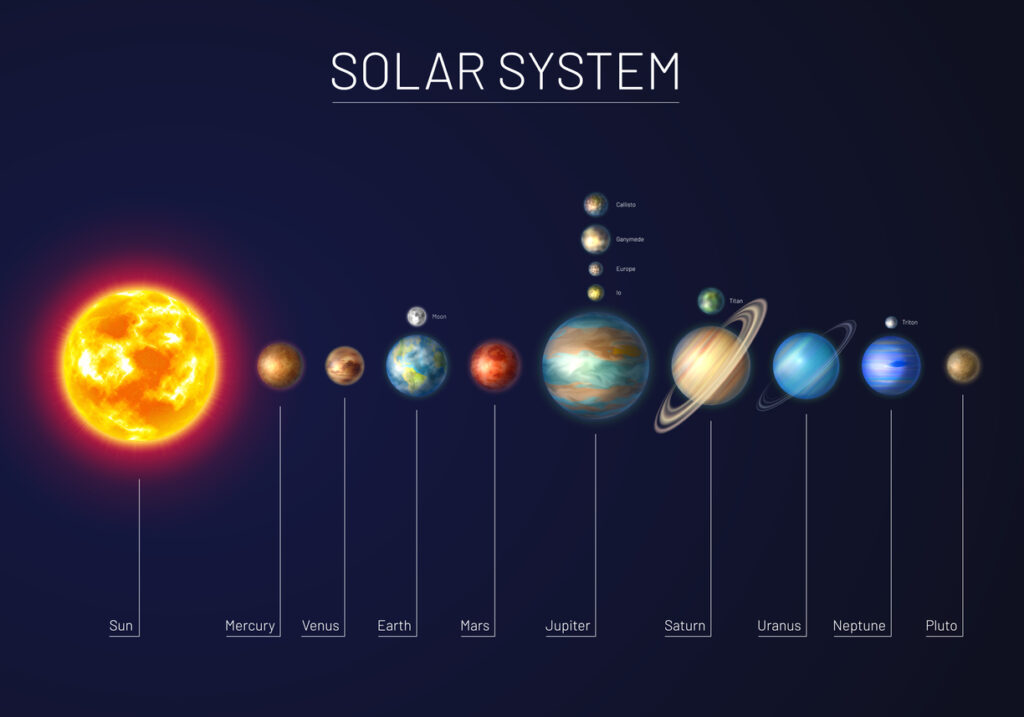
Something massive is affecting the orbits of distant objects beyond Neptune, and the most likely explanation is an undiscovered planet five to ten times Earth’s mass. The orbital patterns of these distant objects cluster in ways that shouldn’t happen unless something large is gravitationally shepherding them. If Planet Nine exists, it would completely rewrite our understanding of solar system formation because it shouldn’t be there based on current models. Finding it would also prove that we still don’t know what’s in our own cosmic backyard, which means there could be other major discoveries waiting much closer than we think.