Some dogs live for your approval, but others hear a command, take a second to think about whether it’s actually worth their time, and then go back to doing exactly what they want.

That’s not because they’re stupid or being naughty; it’s usually because of what they were bred to do. If a dog was designed to work miles away from a human or hunt independently, they’ve been wired for centuries to trust their own instincts over your voice. Trying to train them can feel like you’re fighting a losing battle, and for most people, it leads to a lot of frustration.
If you’ve ever felt like your dog is just ignoring you on purpose, you’re probably right, but it’s just them being exactly who they were born to be. These are some of the breeds that will try your patience when you so much as try to teach them something simple like “sit.”
1. Afghan hound
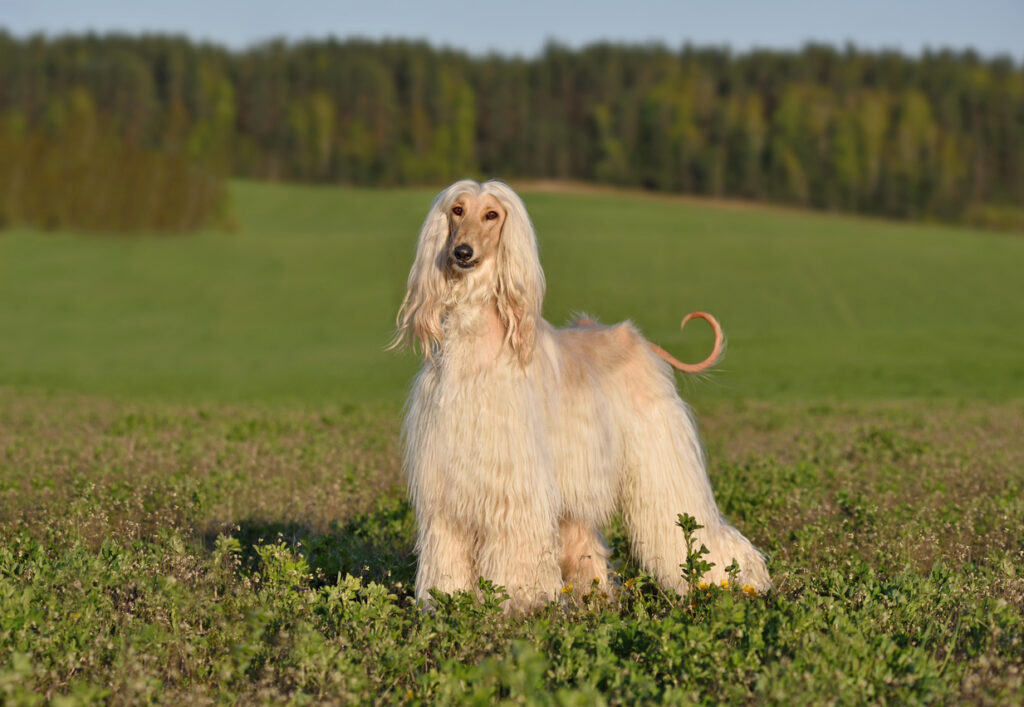
Afghan hounds are stunning and elegant, but they aren’t exactly winning any obedience awards. These dogs were bred to hunt across rough ground in Afghanistan, often way out of earshot of their owners. Because of that, they’re used to making their own calls. They understand what you’re asking, but they don’t feel any real pressure to do it. Training often feels more like a business negotiation than a lesson, and if you try to get too firm with them, they’ll just walk away and stop listening altogether.
2. Basenji
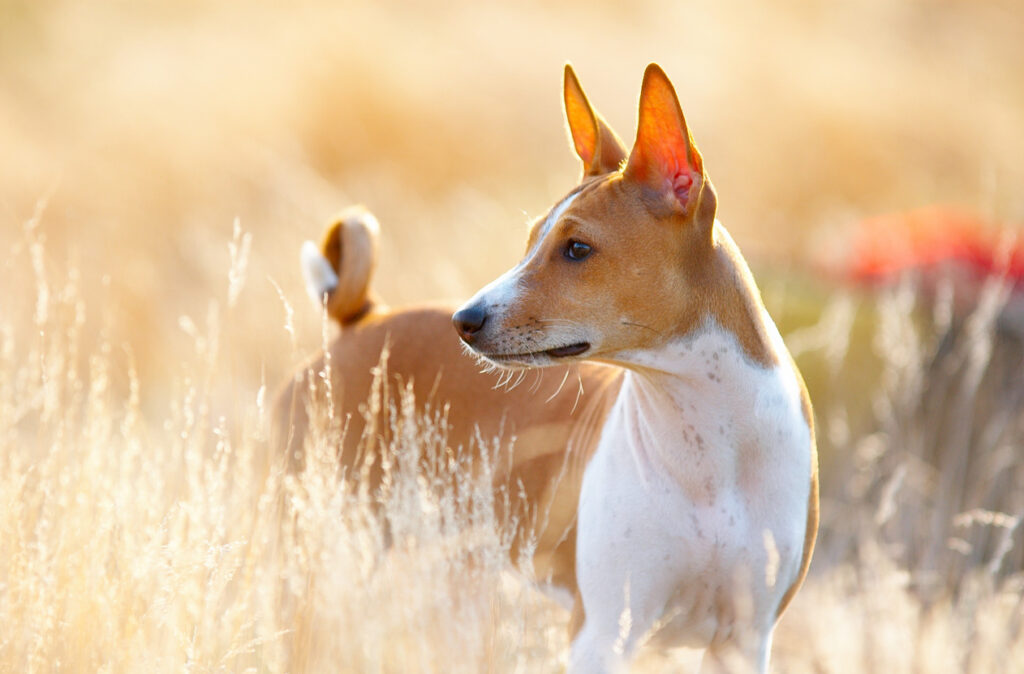
The Basenji is often called the cat of the dog world, and for good reason. They’re famously independent and don’t care much for your approval. They were bred to hunt quietly and solve problems on their own, so they aren’t naturally inclined to wait for instructions. They can learn commands incredibly fast, which is the annoying part—they know perfectly well what you want, they just decide not to do it. You’ve got to keep things short and creative to keep them interested, and even then, they’ll still have their own ideas.
3. Chow chow
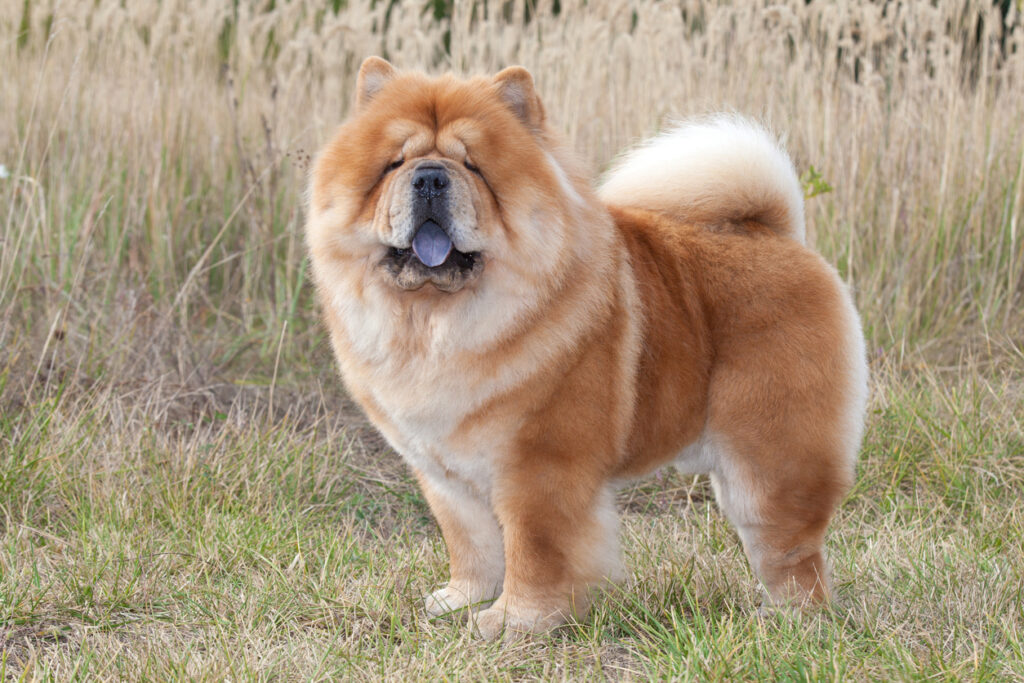
Chow chows are calm and serious dogs that usually only care about the one or two people they’ve really bonded with. They have zero interest in performing tricks to impress a crowd. Training a Chow chow takes a lot of patience and mutual respect; if you try to force them into something, they’ll just dig their heels in and become totally stubborn. They don’t have that “eager to please” gene, so obedience with them is always going to be a bit hit-or-miss.
4. Bloodhound
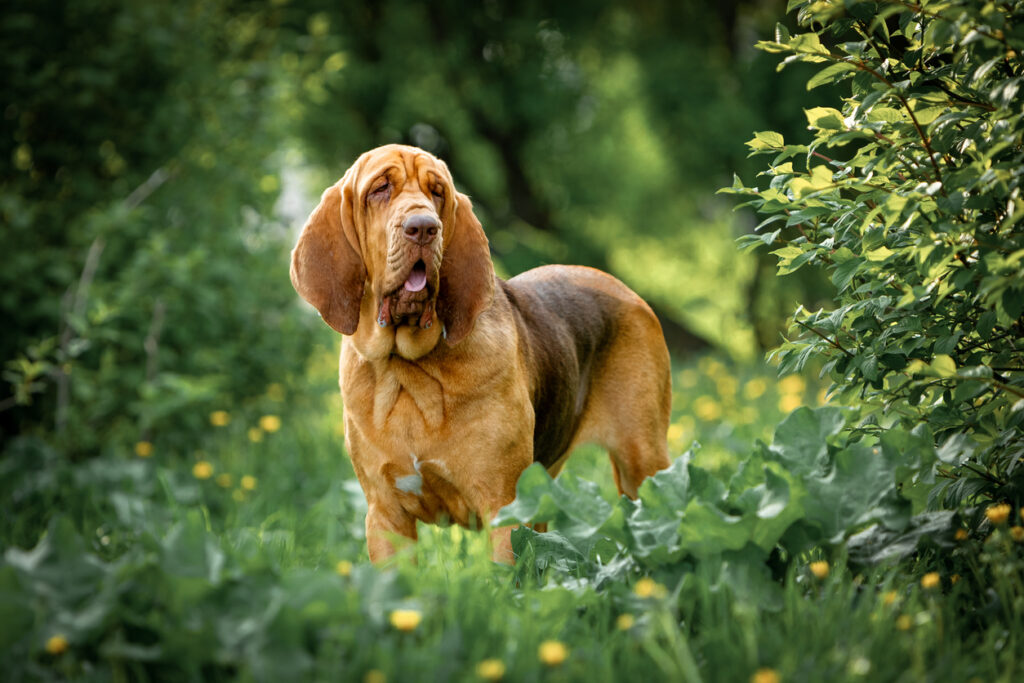
With a Bloodhound, you’re always playing second fiddle to their nose. Once they pick up a scent, the rest of the world, including you, just disappears. They can be perfectly calm and responsive in the house, but the second they step outside, their instincts take over. Trying to get a Bloodhound to come back to you when they’re on a trail is one of the hardest things any owner can try to do. It’s not that they’re being rude; they literally can’t hear you over the smell.
5. Shiba inu

Shibas are sharp and confident, and they definitely think they know better than you do. They were bred to hunt in the mountains of Japan, and that independent streak hasn’t faded at all. They’re clever enough to pick up new tricks in minutes, but the problem is getting them to actually do them twice. A Shiba will always weigh up the situation and decide if there’s enough in it for them before they bother following a command.
6. Basset hound

Don’t let the sleepy eyes fool you; Basset hounds are incredibly stubborn. Like most scent hounds, if their nose is on the ground, their ears are effectively switched off. You can use food to get their attention, but only until something more interesting walks past. Training them can be a long, repetitive process because their drive to follow a smell is always going to be stronger than their desire to sit or stay on command.
7. Borzoi

Borzois were bred to chase prey at high speeds across massive open spaces, and they didn’t need a human to tell them how to do it. Inside the house, they’re quiet and lazy, which might lead you to think they’ll be easy to train. But once you start trying to do structured obedience, they tend to get bored or just withdraw. They don’t respond well to being pressured, and they’ve got a very “what’s the point?” attitude toward most repetitive tasks.
8. Alaskan malamute
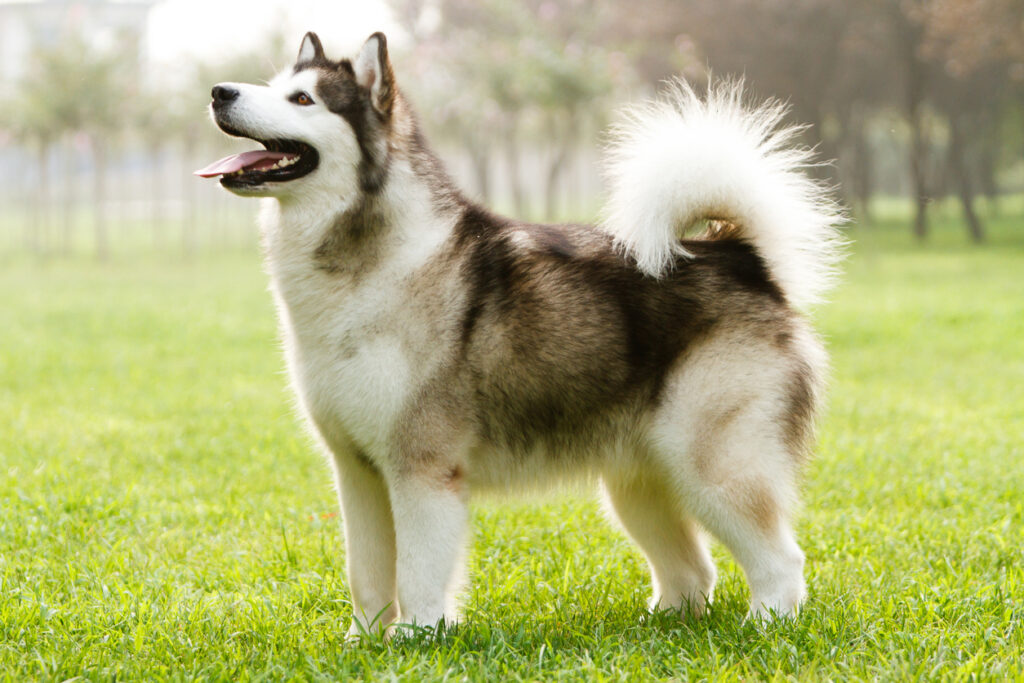
These dogs are powerful, smart, and have a very strong sense of their own authority. They were bred to pull heavy sleds through brutal conditions as part of a team, where making independent decisions was a matter of survival. Because of that, they don’t automatically see you as the boss. Training works best when you’ve built up a lot of trust, but you should still expect them to question your instructions every now and then.
9. Beagle
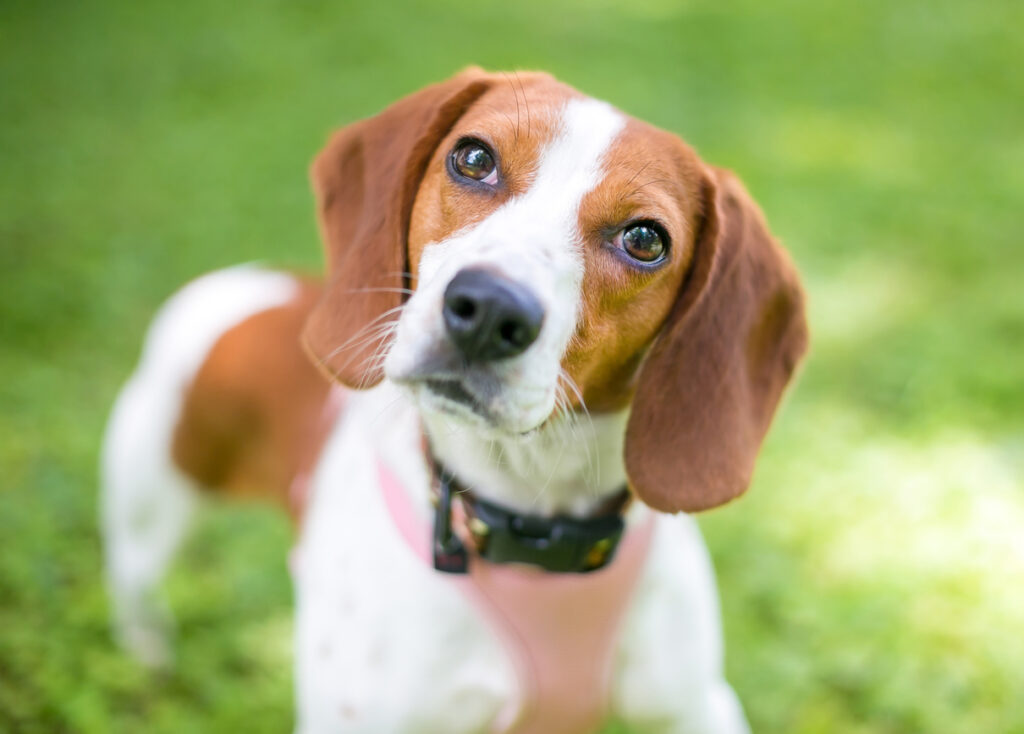
Beagles are great, friendly family dogs, but they are absolutely ruled by their curiosity. Their nose dominates their brain 100% of the time. You might have a perfectly trained Beagle in your kitchen, but that all goes out the window the second they find a scent in the park. Getting a reliable recall with a Beagle is a lifelong project for most owners, and many just accept that they’re never going to be the most obedient dogs off the lead.
10. Dachshund
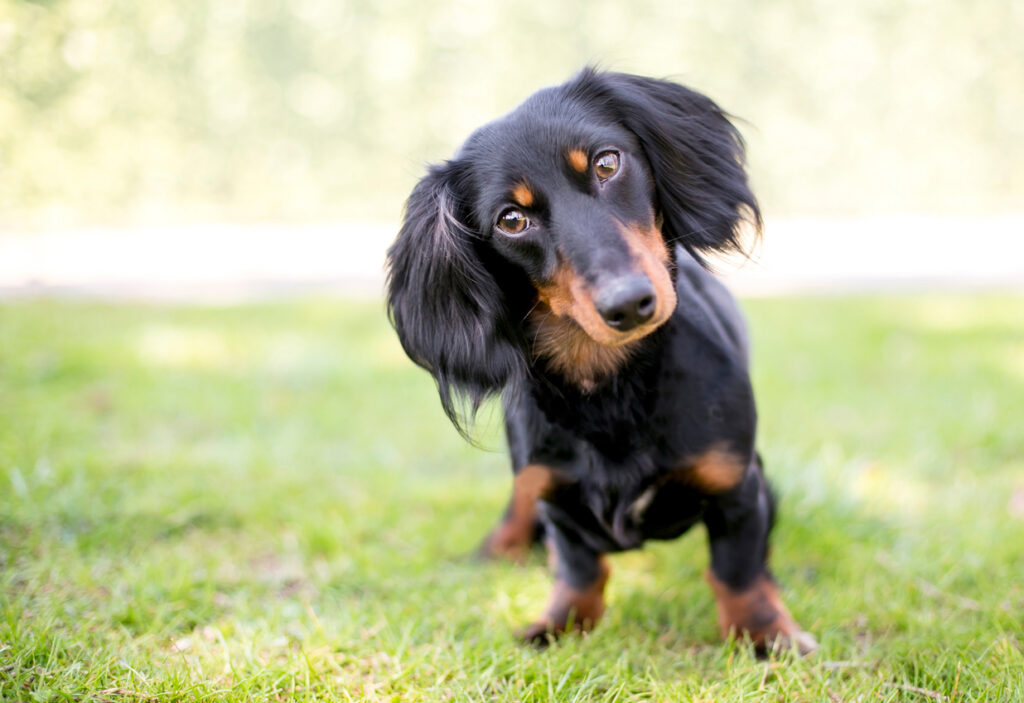
Dachshunds were bred to go into tunnels and face off against badgers on their own, so they had to be brave and incredibly self-reliant. That “big dog” personality in a small body means they have a lot of opinions and aren’t afraid to share them. They’re clever, but they’re also highly selective about when they want to listen. You’ll need a good sense of humour and a lot of treats if you want to get anywhere with their training.
11. Pekingese

The Pekingese wasn’t bred to work; they were bred to be treated like royalty in Chinese palaces. They expect to be respected and pampered, not barked at with commands. They can be quite proud and don’t take well to being told what to do. If you’re too pushy with your training methods, they’ll just stop acknowledging you entirely. They’ll do what you want eventually, but it’ll be on their own terms and at their own pace.
12. Siberian husky.
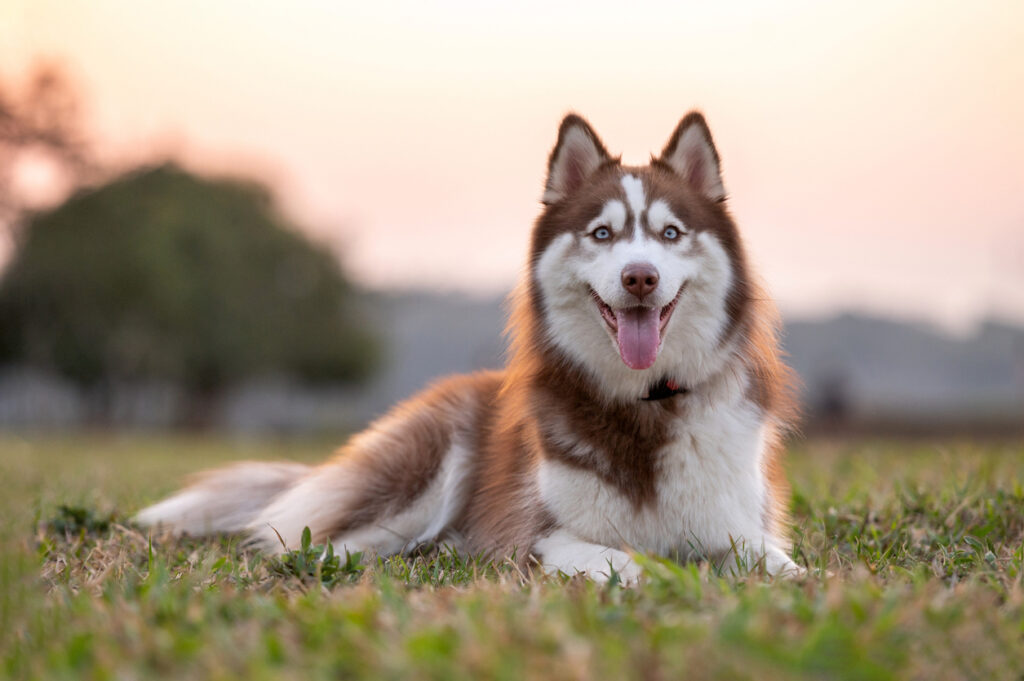
Huskies are famous for being difficult, but they’re actually just really independent thinkers. They were bred to run for miles and make split-second choices in the snow, so they aren’t wired to look at you for permission before they move. They’ll often argue with you (literally!) if they don’t want to do something. You can spend years training a husky, and they’ll still look at you like you’ve lost your mind when you ask them to sit in a puddle.