Most people assume the Northern Lights are a fixed celestial feature, a static curtain of light that stays put while the Earth spins beneath it.
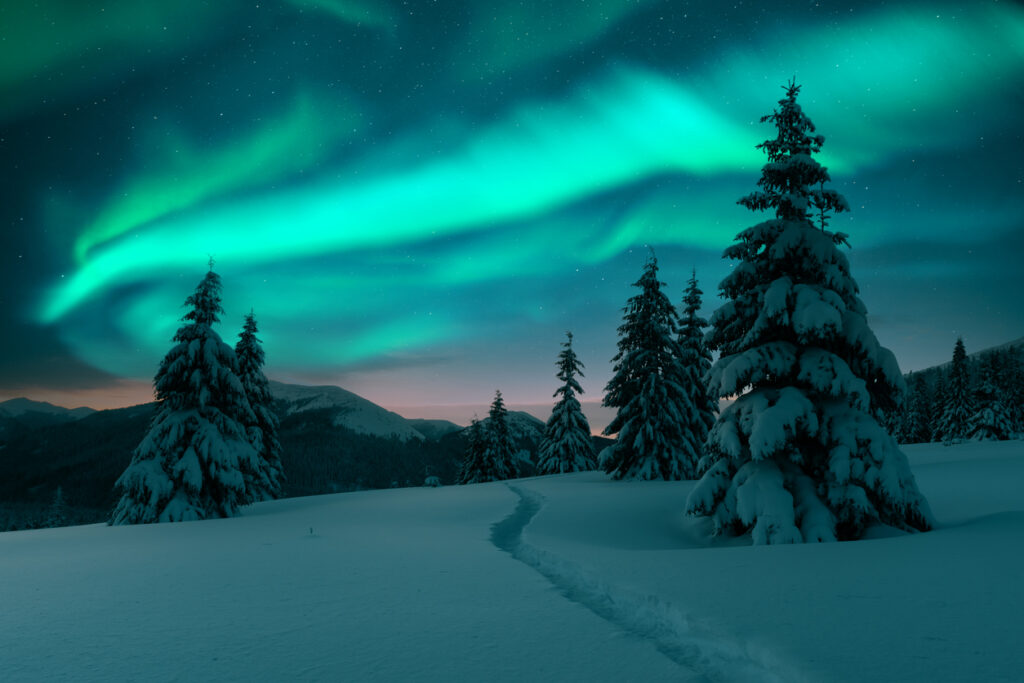
However, the reality is that the auroral oval is a restless, moving boundary that responds to a complex tug-of-war between our planet’s core and the sun’s temper. If you’ve noticed that the best views seem to be moving or that sightings are popping up in places they shouldn’t be, it’s not your imagination.
The magnetic North Pole is currently on a bit of a sprint away from the Canadian Arctic toward Siberia, and as the pole moves, the lights follow. Understanding why this happens means looking past the pretty colours and diving into the liquid metal churning thousands of miles beneath our feet.
The sun has a pattern that repeats every 11 years.
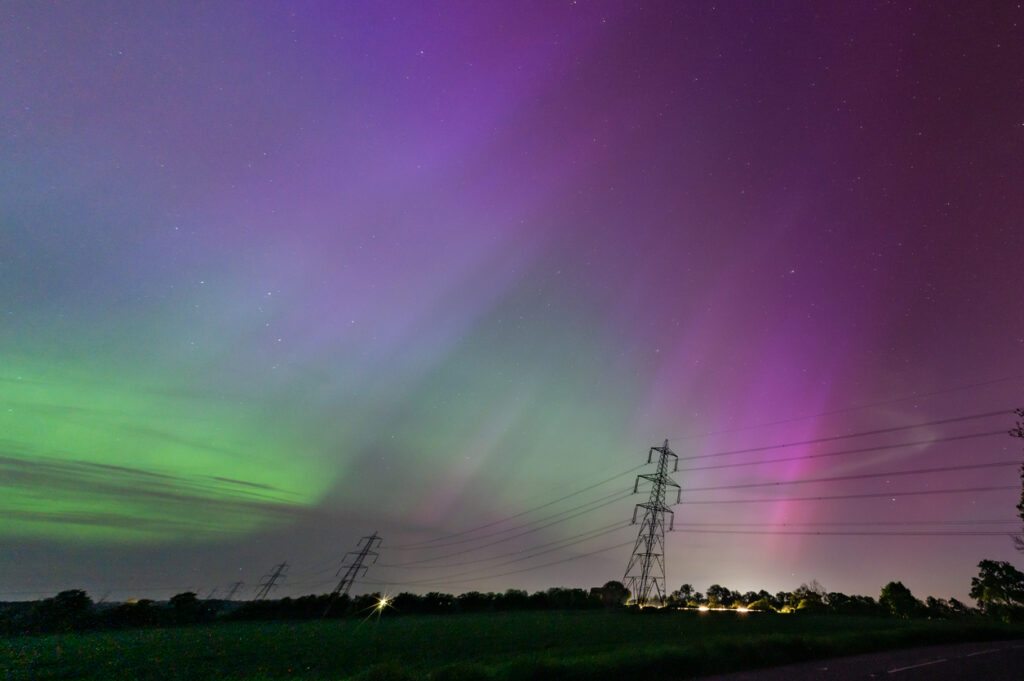
The sun’s activity goes up and down over roughly 11 years, and this directly controls how strong and frequent the Northern Lights are. During the active phase, the sun is covered in dark spots and constantly shooting out bursts of energy. During the quiet phase, the sun can go months without any activity at all. We’re currently in an active phase that started in December 2019 and will peak around 2024 to 2026, meaning we’re in the best period right now for seeing the lights.
When the sun is active, you can see auroras much further south.
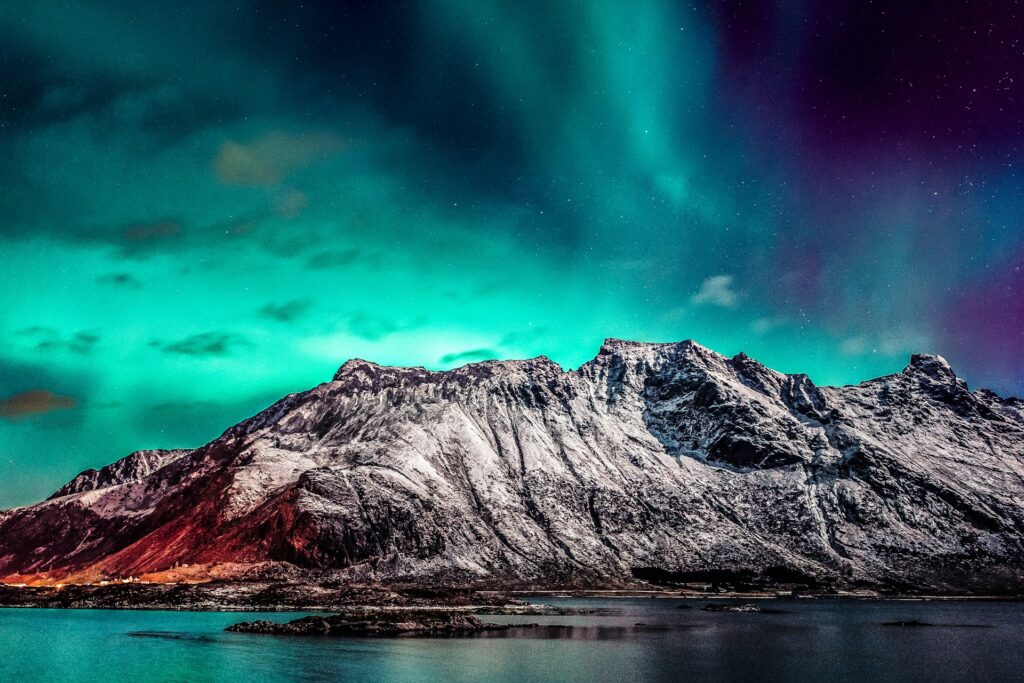
When the sun hits its active peak, the Northern Lights don’t just get brighter, they appear much further south than normal. During quiet periods, you need to be in places like northern Norway or Alaska to see them. During peak activity, auroras have been visible as far south as Alabama and across most of the UK. The May 2024 display was so strong it created auroras visible from Mexico, which almost never happens.
Quiet sun years make aurora hunting really difficult.
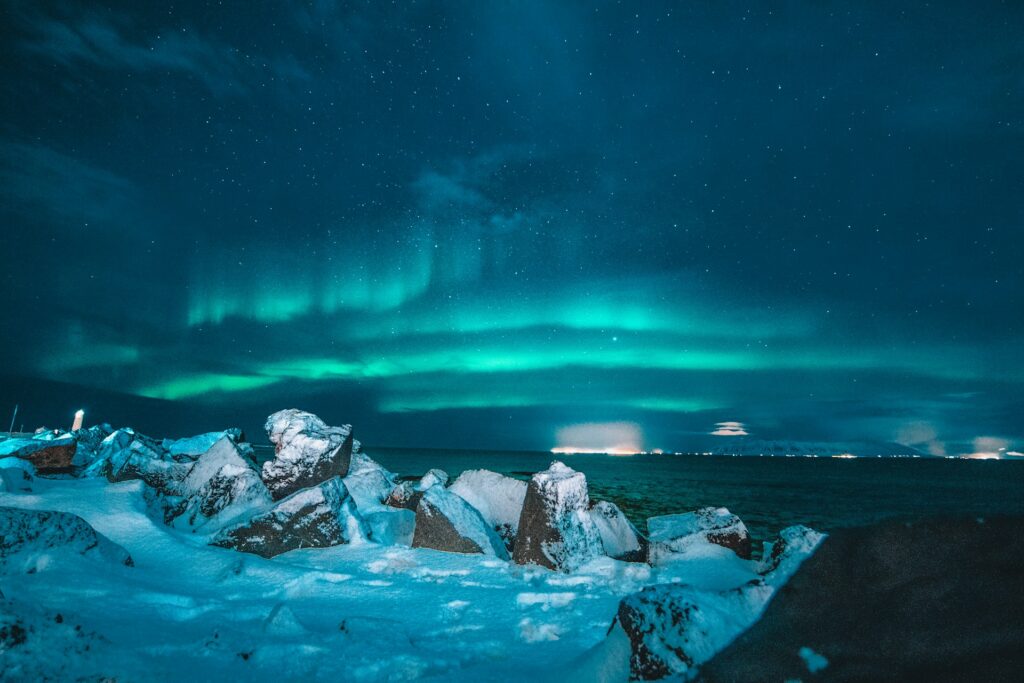
During quiet periods, which we last experienced around 2019-2020, aurora activity drops dramatically. You can still see the Northern Lights, but only if you’re right up near the Arctic Circle, and even then, they’re weaker and less frequent. People hunting auroras had to travel to the far north during the last quiet period because there simply wasn’t enough solar activity to create visible displays anywhere else.
The magnetic north pole is moving towards Russia.
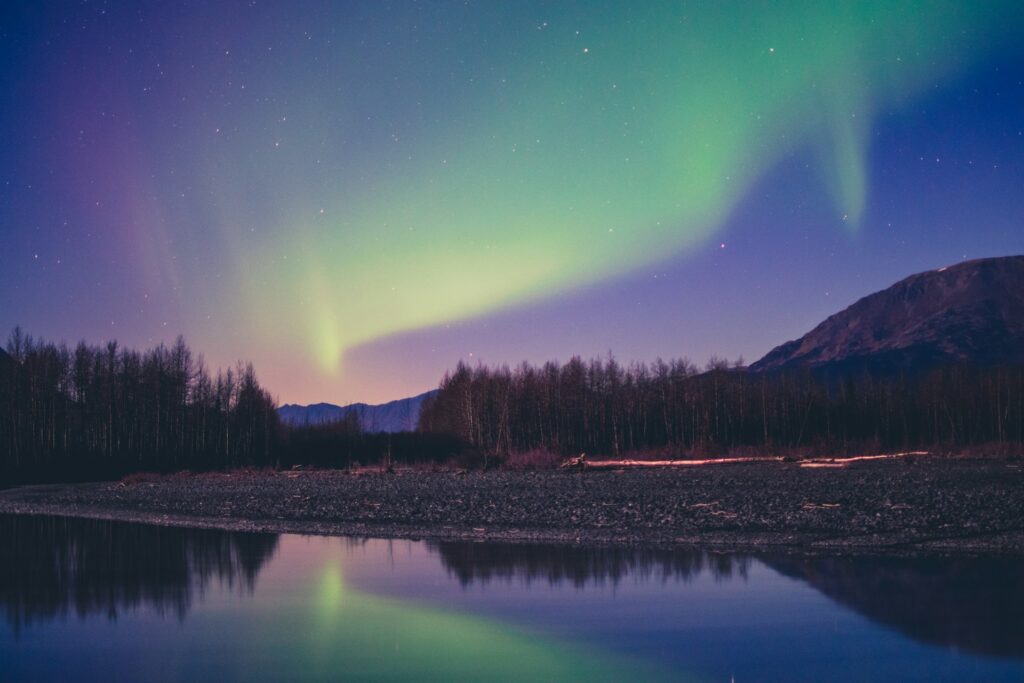
Earth’s magnetic north pole isn’t stuck in one place, and it’s currently moving at about 55 kilometres per year from Canada towards Siberia in Russia. Since scientists first measured it in 1831 near Canada, it’s travelled over 2,000 kilometres. Before the mid-1990s, it was moving at about 15 kilometres per year, so it’s massively sped up. This rapid movement has caused problems for navigation systems and forced scientists to update their maps earlier than planned.
However, the Northern Lights aren’t following it.

Here’s the good news: whilst the magnetic north pole is racing towards Russia, the Northern Lights aren’t following it. Research has shown that auroras actually follow a different, more stable version of the magnetic poles that barely moves. This means the best places to see auroras aren’t about to suddenly move to Russia, they’re staying roughly where they’ve always been.
September and March are the best months every year.

The months of September and March consistently produce the most aurora activity, regardless of where we are in the sun’s cycle. Something about the way Earth lines up with the sun during these months makes auroras more likely and more intense. Winter months from October through February are also good because the nights are long and dark, but March and September seem to be the absolute best for frequency and strength.
Sometimes the year after the peak is even better.
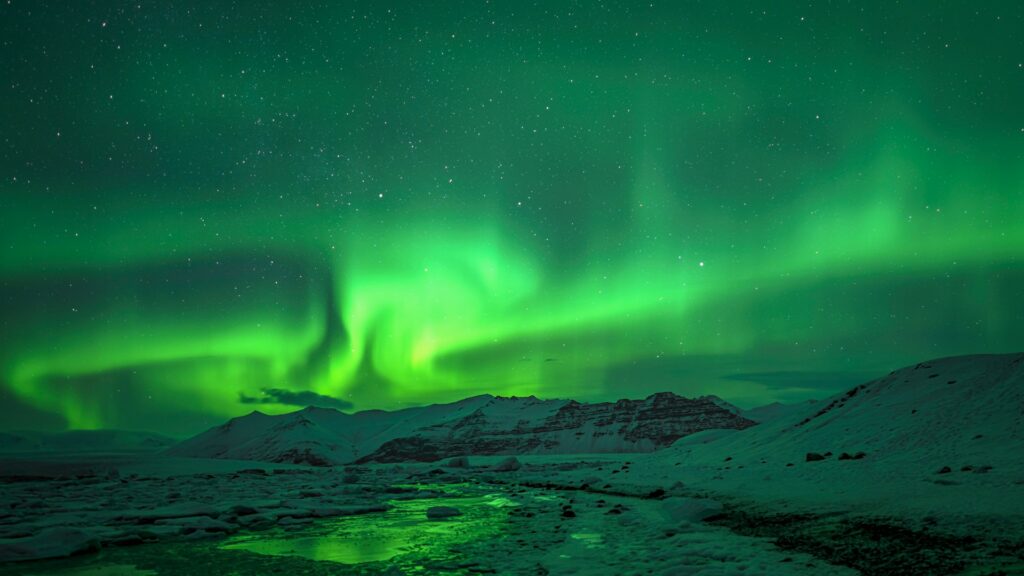
Strangely, some research suggests that the biggest solar storms actually happen just after the peak, not right at the top. This means that 2026 and 2027 could potentially see more dramatic displays than 2024 or 2025, even though the sun will be starting to calm down. The most violent activity doesn’t necessarily happen at the exact moment of peak.
Right now, we’re in the best period for years.
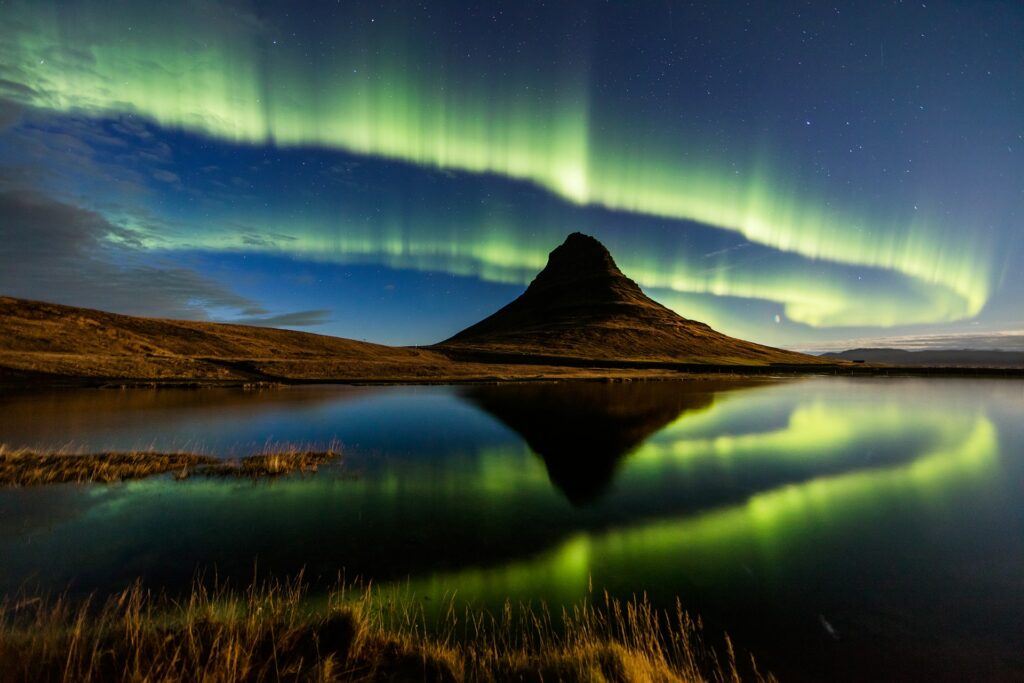
As of January 2026, we’re right in the middle of the active phase. The sun has been incredibly busy, with only one day without sunspots since 2022. This explains why 2023, 2024, and 2025 have delivered some spectacular aurora displays visible from unusual places. Scientists predict this will continue through 2026 before starting to calm down, making this year potentially the last really good chance to see intense auroras until the mid-2030s.
We still can’t predict specific displays in advance.

Even with all our technology, scientists can’t predict specific aurora displays more than a few hours ahead of time. We only know how strong a solar burst is when it gets really close to Earth. At that point, it’s basically about to arrive, giving just a couple of hours’ warning. Changes along the way can also affect the intensity, making it impossible to predict days or weeks in advance.
Weather and timing affect what you actually see.
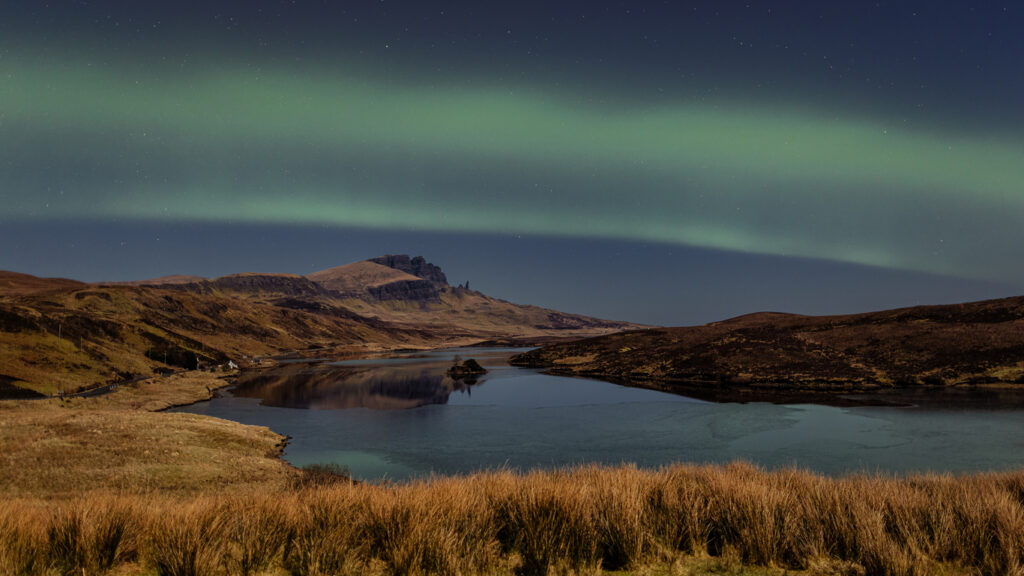
Even during the active phase, whether you actually see the Northern Lights depends on local weather and luck. A year with loads of solar activity can still disappoint people if clouds constantly block the view. Similarly, a solar storm might arrive when it’s summer and the sky never gets dark enough to see the lights. Year-to-year differences aren’t just about the sun’s activity, it’s also about whether that activity happens when the sky is clear and dark where you are.