When it comes to raw speed, nothing on the planet even comes close to a Peregrine falcon.
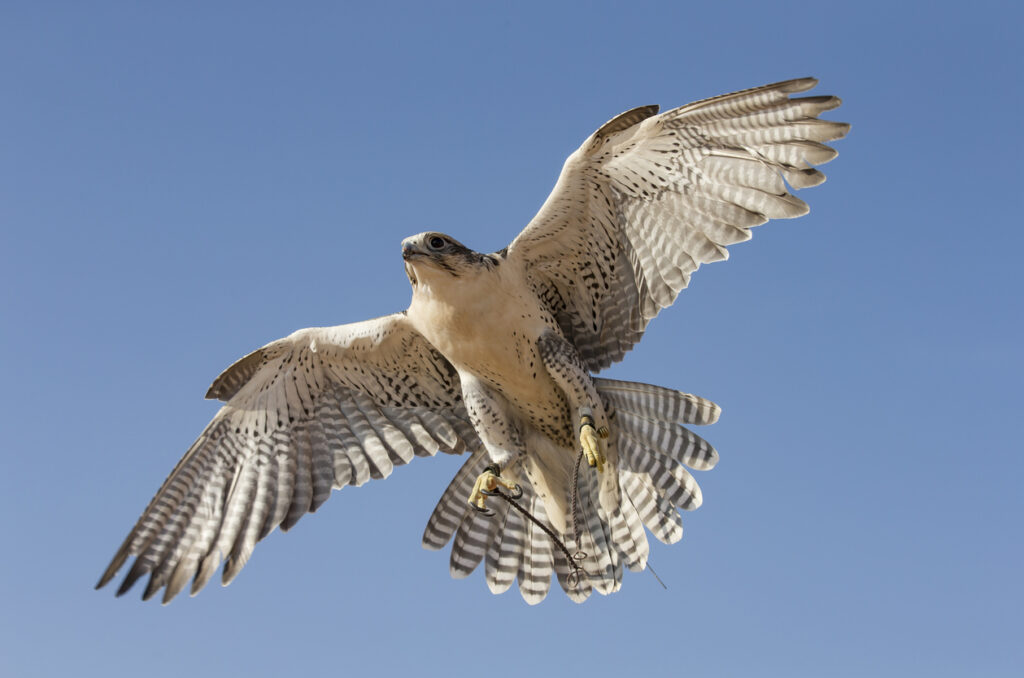
We’re talking about a bird that can hit speeds over 240 mph when it’s in a dive, which is faster than a Formula 1 car at full tilt. It isn’t just about having powerful wings, though; it’s about a body that’s basically a masterclass in aeronautical engineering. From the shape of their feathers to the way they can still breathe while moving at terminal velocity, every single part of them is built to handle the extreme pressure of a high-speed drop. They’re effectively living fighter jets that have spent millions of years perfecting the art of the ambush.
Here’s why peregrine falcons really do earn their impressive title.
Their hunting style is built entirely around speed.
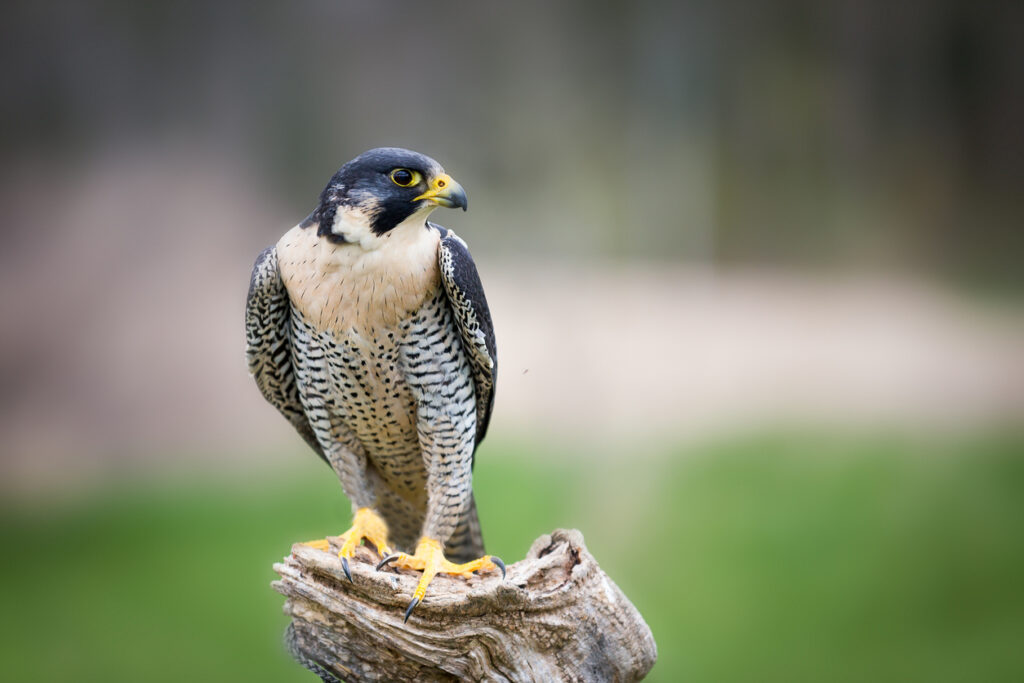
Peregrine falcons don’t chase prey in long pursuits like cheetahs or wolves. Their signature move is the stoop, a high-altitude dive where they drop straight down on their target. This hunting method turns gravity into a weapon. By diving instead of flapping after prey, they reach speeds no animal moving under its own power on land can match. The hunt is decided in seconds, not minutes, which makes speed the single most important factor in their success.
Their bodies are shaped to cut through air.
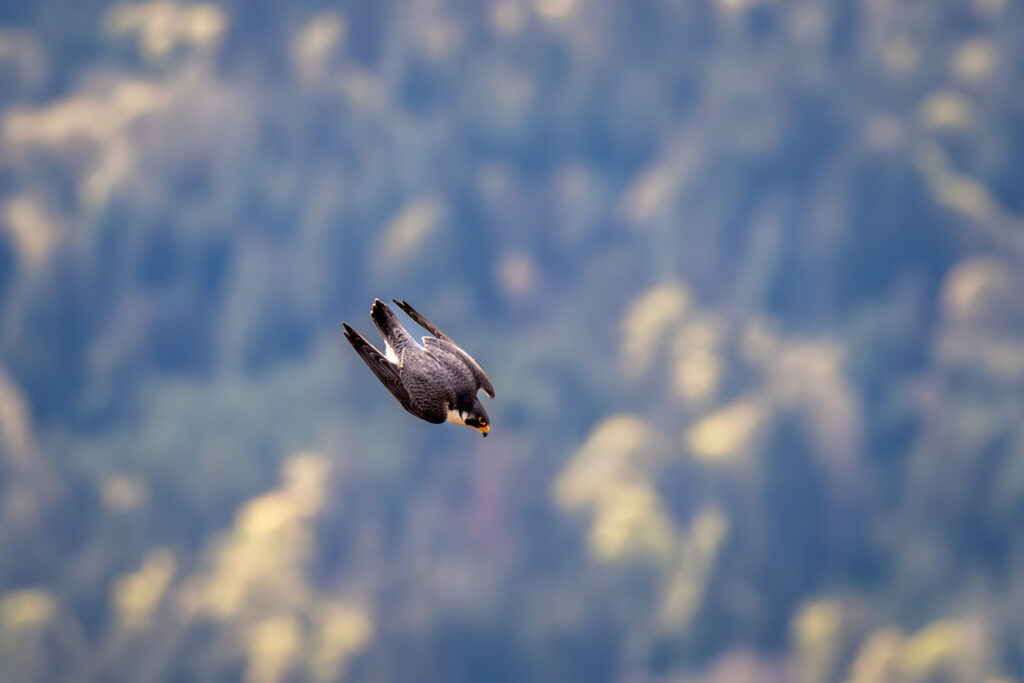
Peregrines have a compact, muscular build with long, pointed wings and a streamlined body. Nothing about them is bulky or wasted. Even their feathers lie tightly against their body to reduce drag, which allows them to move through air with very little resistance. When they dive, they become almost missile-like, accelerating smoothly instead of fighting the air around them.
They can reach speeds over 200 miles per hour.
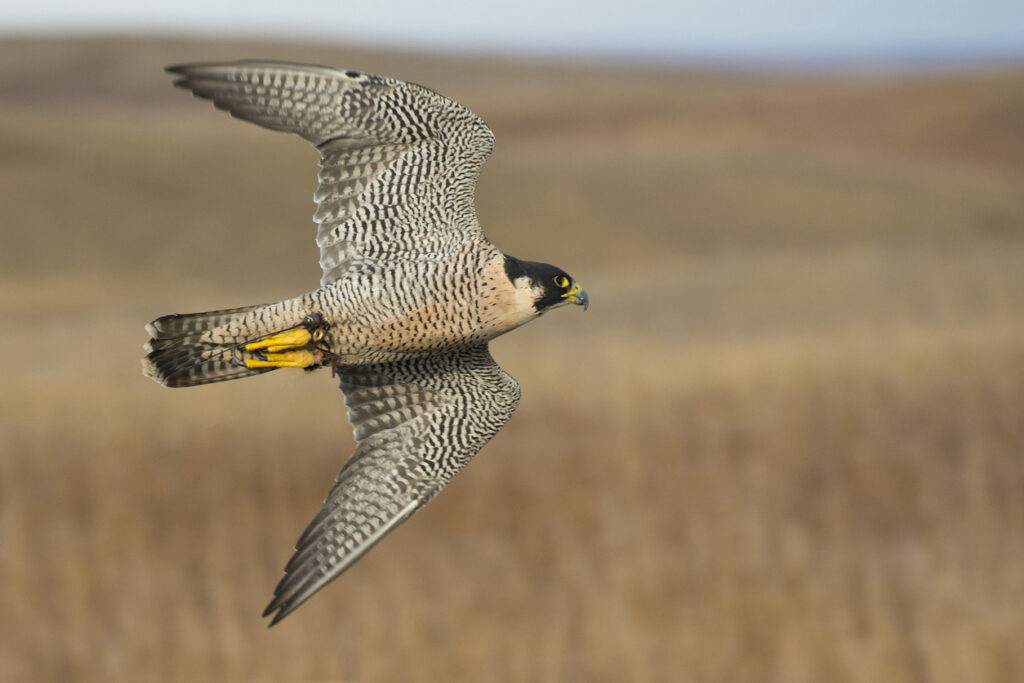
During a full hunting dive, peregrine falcons have been recorded hitting speeds of over 200 miles per hour. That makes them faster than any other animal ever measured, though speed isn’t sustained flight. It’s a controlled fall combined with powerful wing adjustments. Still, no other hunter on Earth comes close when it comes to top speed during an attack.
Their vision is sharp enough to hunt at extreme heights.

Speed alone would be useless if peregrines couldn’t see their prey from far above. Their eyesight is exceptional, allowing them to spot birds from hundreds of metres in the air. They can track small movements while diving at incredible speed, adjusting their angle mid-fall. That level of visual processing is essential when everything is happening in a matter of seconds.
Their lungs and breathing system handle extreme airflow.
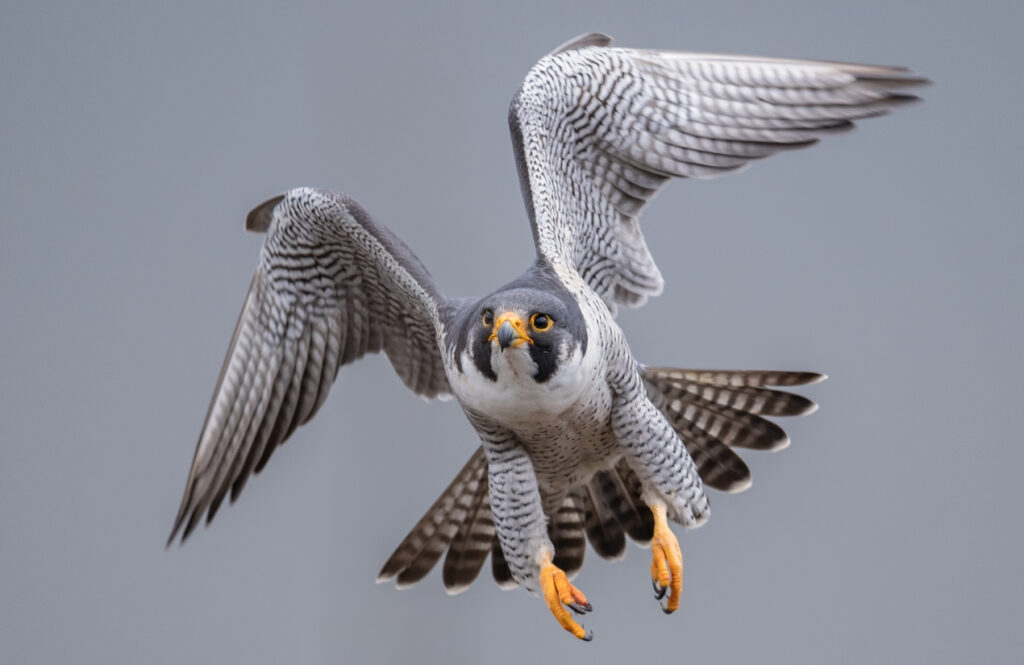
At high speeds, air pressure becomes a serious problem. Peregrine falcons have special structures in their nostrils that control airflow and protect their lungs. These baffles prevent too much air rushing in during a dive, allowing them to breathe without damage or loss of control. Without this adaptation, diving at those speeds would be impossible.
Their muscles are built for explosive control, not endurance.
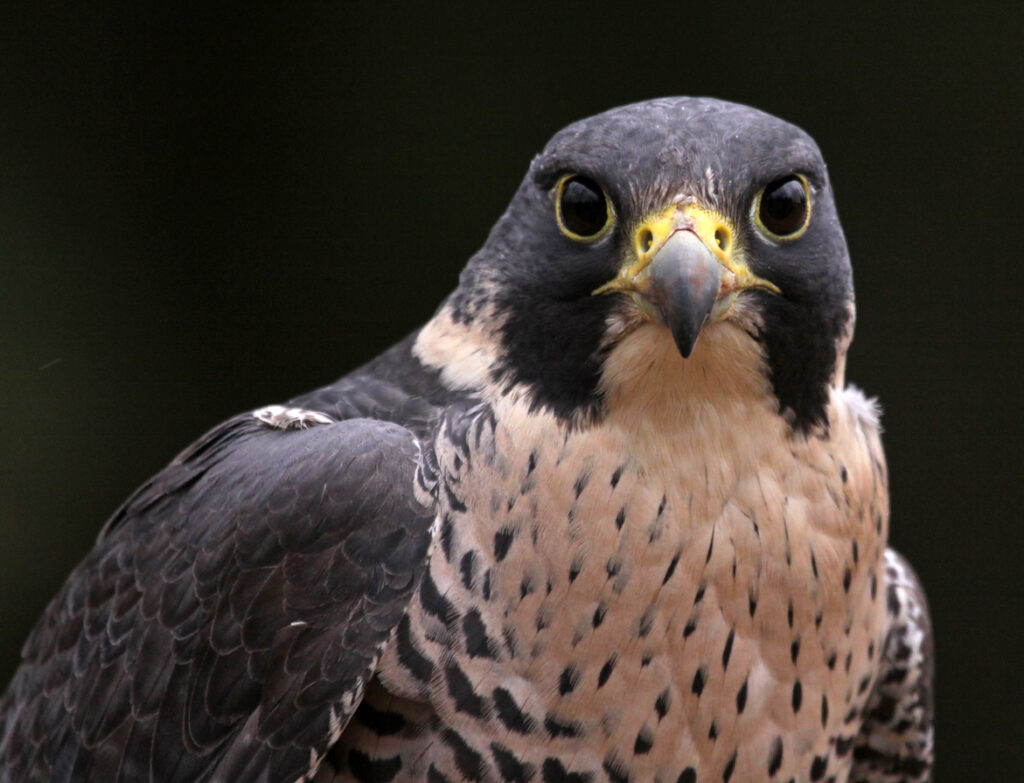
Peregrines don’t need to fly for hours at top speed. What they need is short bursts of intense power combined with precision. Their muscles are designed for rapid acceleration, fine adjustments, and sudden braking. This lets them correct their path mid-dive and strike with accuracy rather than simply crashing into prey.
Their strike method uses speed as the killing force.
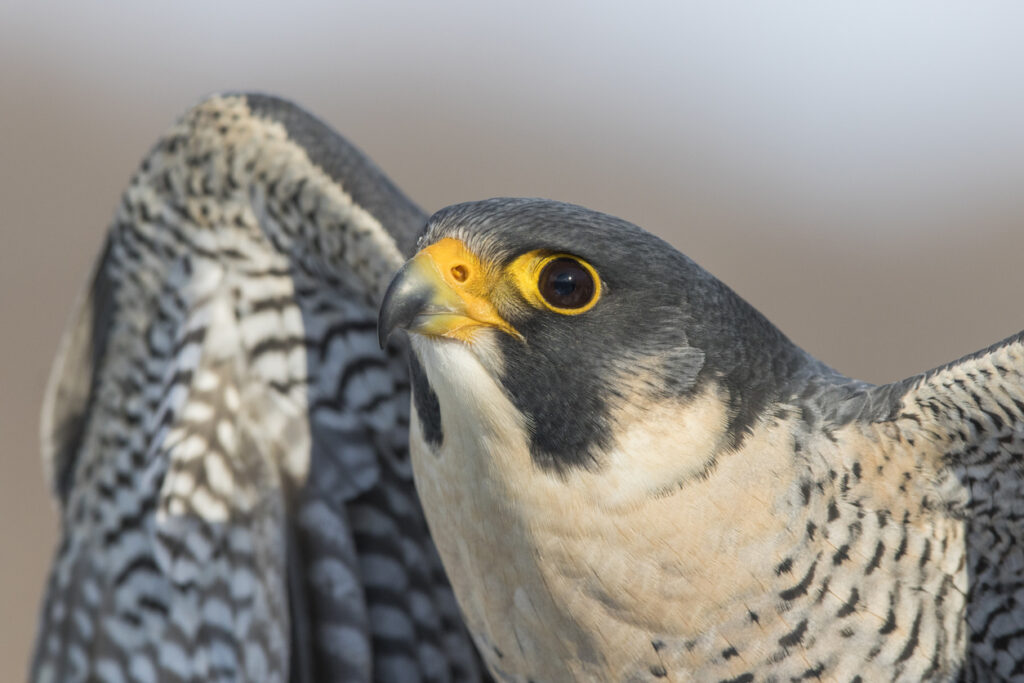
Peregrines don’t always grab prey midair like other birds of prey. Often, they strike with clenched talons, hitting their target at speed. The force of impact alone can kill or stun the prey instantly. Speed turns their entire body into the weapon, reducing the need for prolonged struggle.
They hunt birds that are already fast and agile.
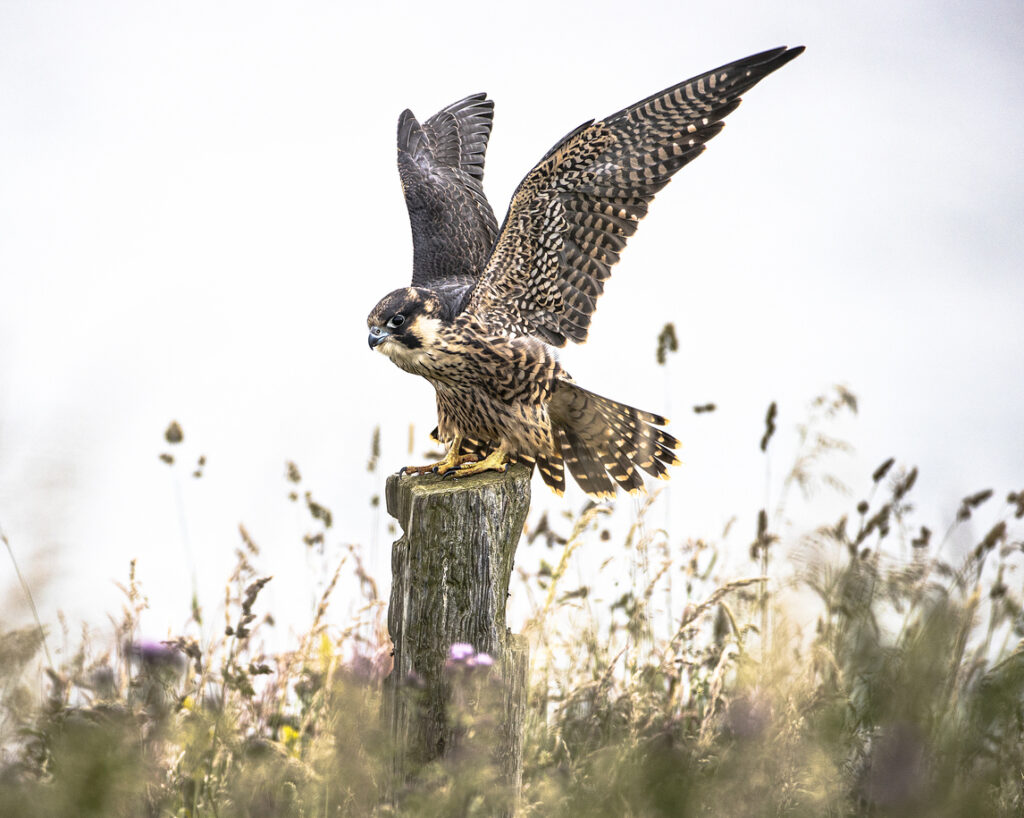
Peregrine falcons mainly hunt other birds, many of which are skilled fliers themselves. Pigeons, starlings, and ducks aren’t easy targets. To catch fast prey in open air, the falcon has to be faster by a huge margin. Their extreme speed gives them an advantage that skill alone couldn’t provide.
They combine speed with intelligence and timing.
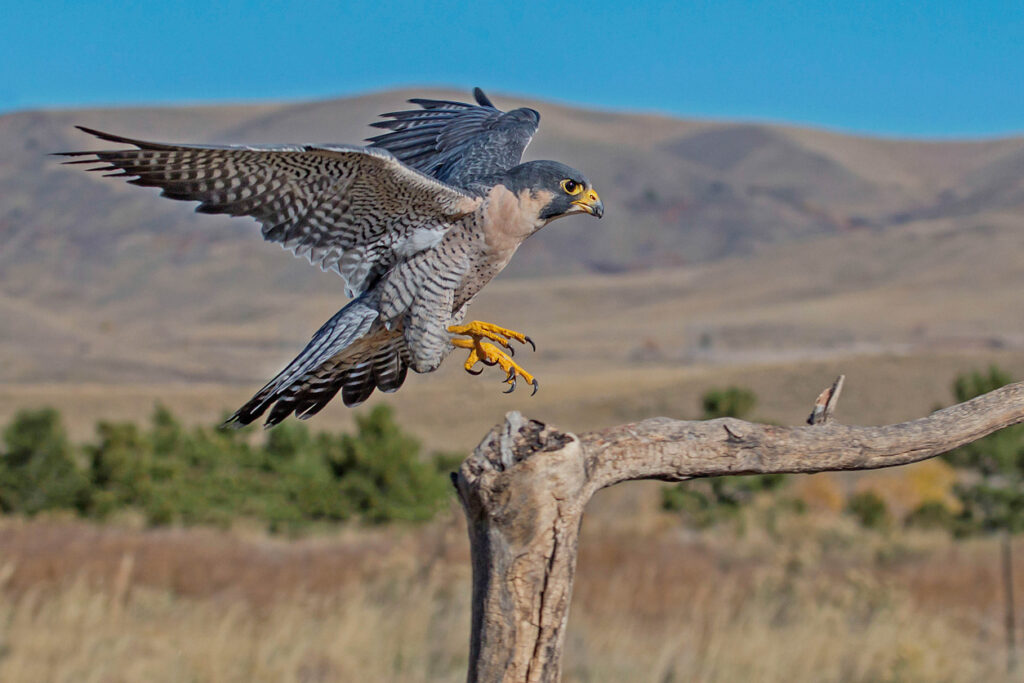
Peregrines don’t dive blindly. They choose the right height, angle, and moment before committing to an attack. Having such great timing reduces wasted energy and increases success rates. Speed matters most when it’s used at exactly the right moment, not constantly.
Their success proves speed really works.
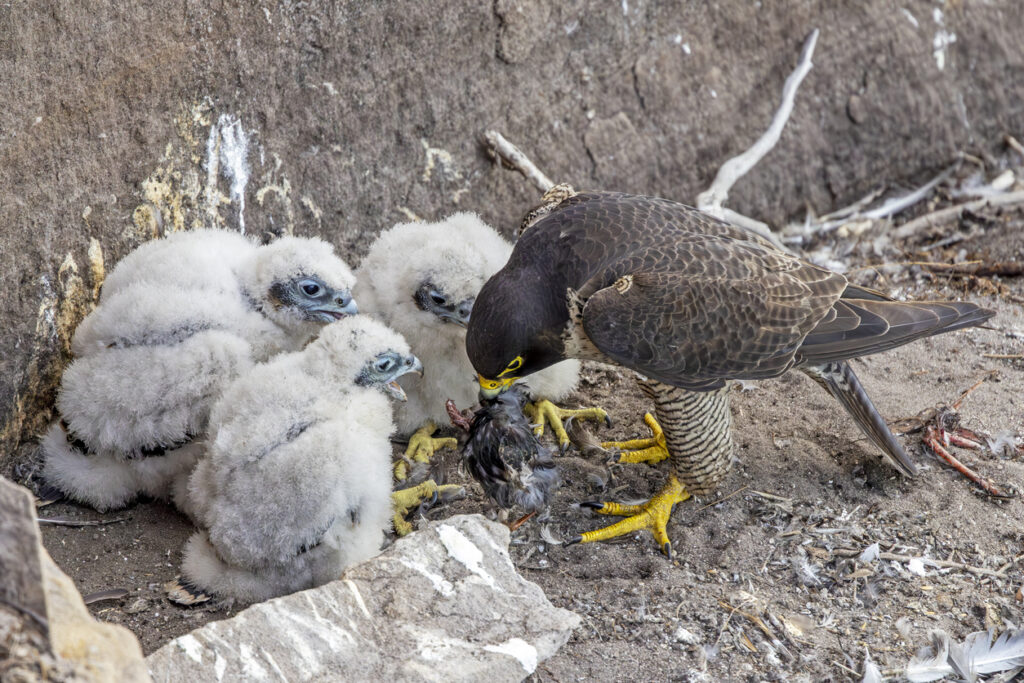
Peregrine falcons are found on every continent except Antarctica and thrive in both wild and urban environments. Their hunting strategy works across mountains, coastlines, and city skylines. That success shows their speed isn’t a novelty. It’s a proven survival tool that keeps them at the top of the aerial food chain.
Peregrine falcons aren’t just fast for the sake of it. Their speed is the result of evolution stripping everything down to what works best. When they dive, you’re seeing millions of years of refinement come together in a few breathtaking seconds, and nothing else on Earth hunts quite like that.