It is a bit of a surreal thought, but the solid ground we’re standing on right now isn’t actually all that solid.
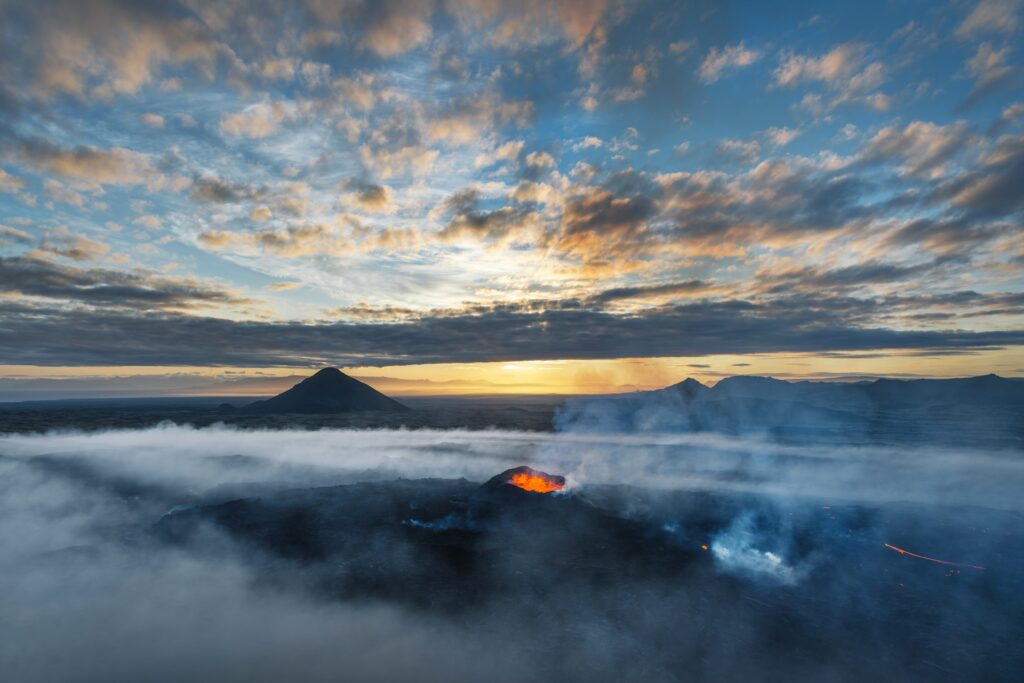
In most places, the movement is so slow that you’d need 1,000s of years just to notice a difference, but there are a few spots on Earth where the planet is basically rebuilding itself in real time. We’re talking about massive cracks opening up in the middle of deserts, islands that are being torn in two, and mountain ranges that are still physically growing taller every single year.
These 10 locations are the most active “construction sites” on the planet, where the geological forces of the deep interior are spilling over onto the surface, making it very clear that the map of the world is still very much a work in progress.
1. Iceland is being pulled apart by tectonic forces.
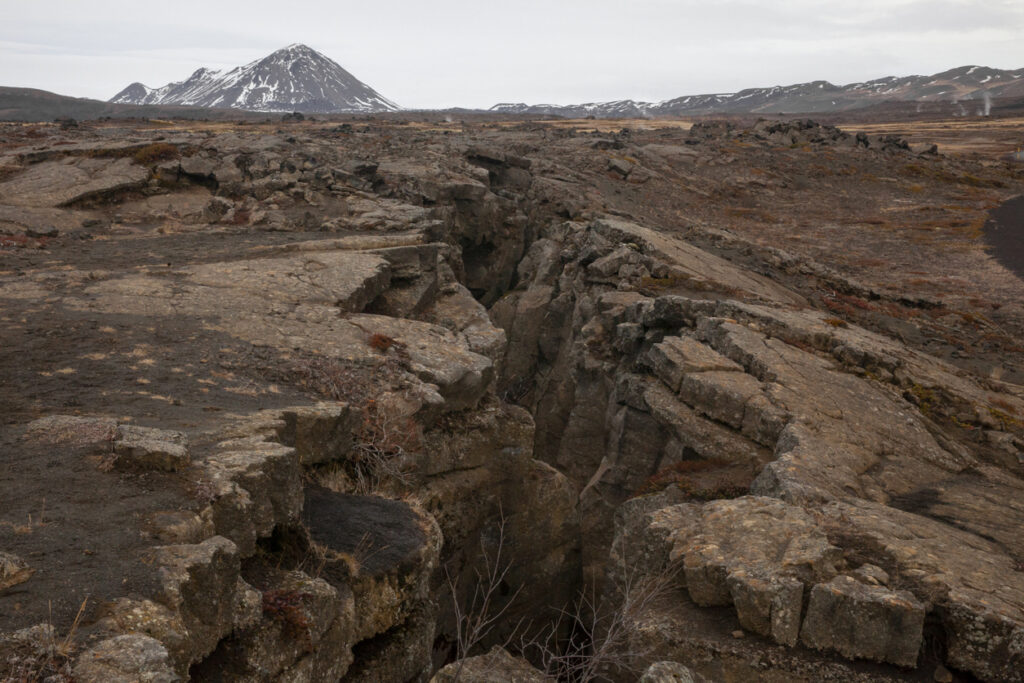
Iceland sits directly on the Mid-Atlantic Ridge, where the North American and Eurasian tectonic plates are moving away from each other. The island is literally being ripped in two at a rate of about 2 centimetres per year, which you could measure with a ruler if you waited long enough.
You can visit Thingvellir National Park and walk through the rift valley where the separation is most visible, with massive cliffs marking where the plates have pulled apart. The movement is constant and causes frequent earthquakes, and new land is being created as magma rises to fill the gap. Iceland is one of the few places where you can stand with one foot on each tectonic plate and feel the earth actively moving beneath you.
2. Venice is sinking faster than sea levels are rising.
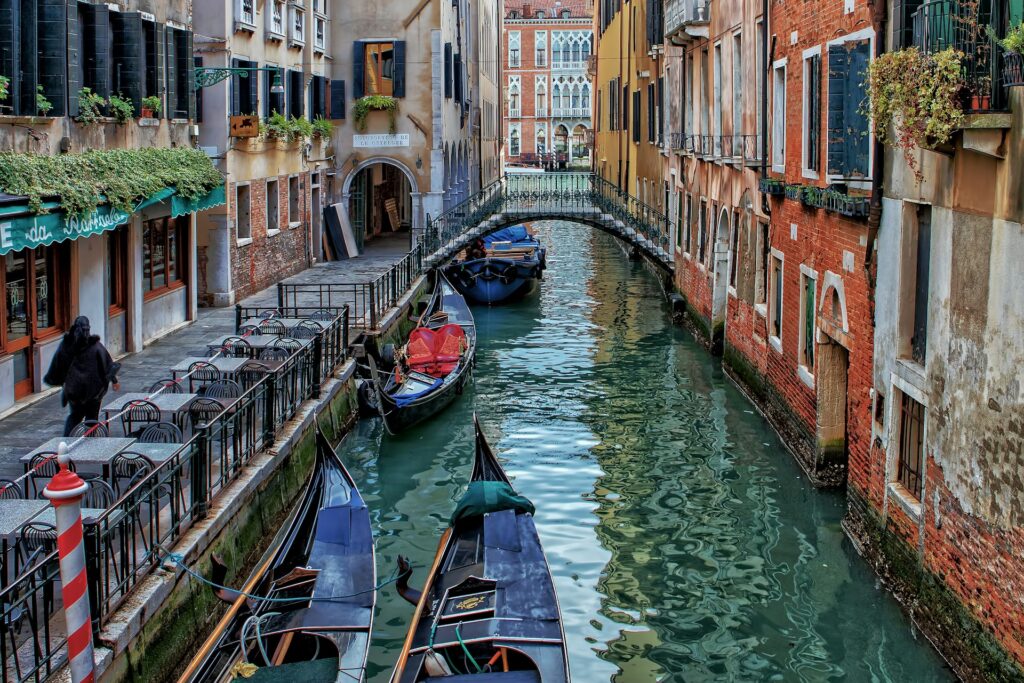
Venice has been gradually subsiding for centuries, partly because the weight of its buildings compresses the sediments below and partly because groundwater extraction has accelerated the process. The city sinks about 1 to 2 millimetres per year, which sounds tiny but adds up significantly over time.
Combined with rising sea levels from climate change, Venice faces increasing flooding that threatens its survival as a habitable city. The famous acqua alta floods that inundate St Mark’s Square are getting more frequent and severe as the ground drops and water rises. Engineers have built massive flood barriers to protect the city, but they’re fighting against relentless geological processes.
3. California’s San Andreas Fault is building up to another big quake.
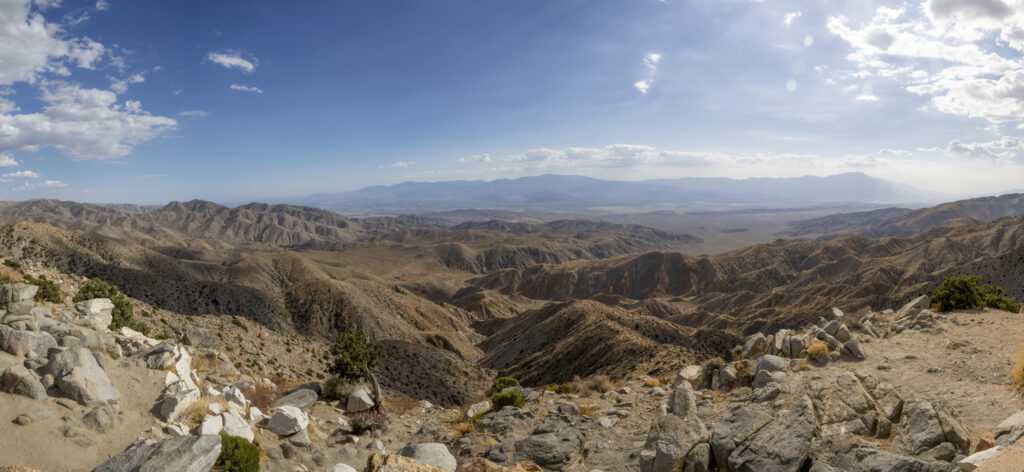
The San Andreas Fault marks where the Pacific Plate slides past the North American Plate, moving about 3 to 5 centimetres per year on average. The plates don’t glide smoothly though, they get stuck for decades or centuries while stress builds up, then suddenly release in massive earthquakes.
Right now, sections of the fault are locked and accumulating strain that will eventually cause another major quake. Scientists can measure the ground deformation using GPS and satellites, watching how the stress builds over time. Parts of California are slowly creeping north relative to the rest of the continent, and the movement is constant even between major earthquakes.
4. The Himalayas are still growing taller.
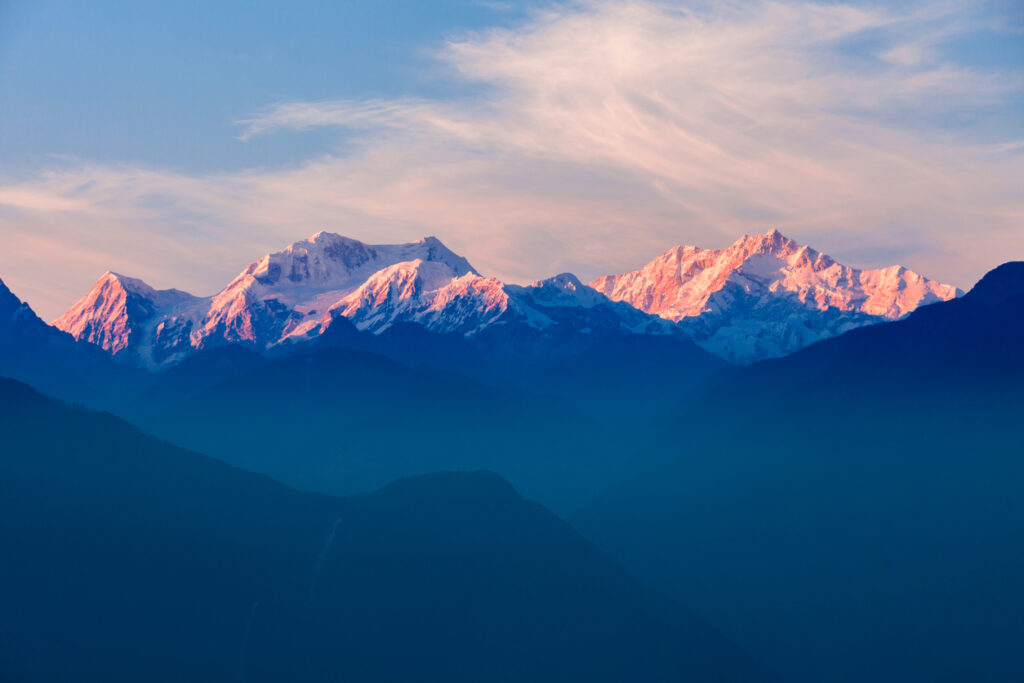
The collision between the Indian and Eurasian tectonic plates that created the Himalayas is still ongoing, and the mountains continue rising about 5 millimetres per year. India is pushing into Asia at roughly 4 to 5 centimetres annually, which keeps driving the mountains upward.
Erosion works against that growth and wears the peaks down, but the tectonic forces win out, and the overall trend is upward. Mount Everest is getting taller, though the process is so slow you’d never notice it without precise measurements. The region experiences frequent earthquakes as the plates grind together and the crust buckles and folds.
5. Parts of the Netherlands are subsiding below sea level.
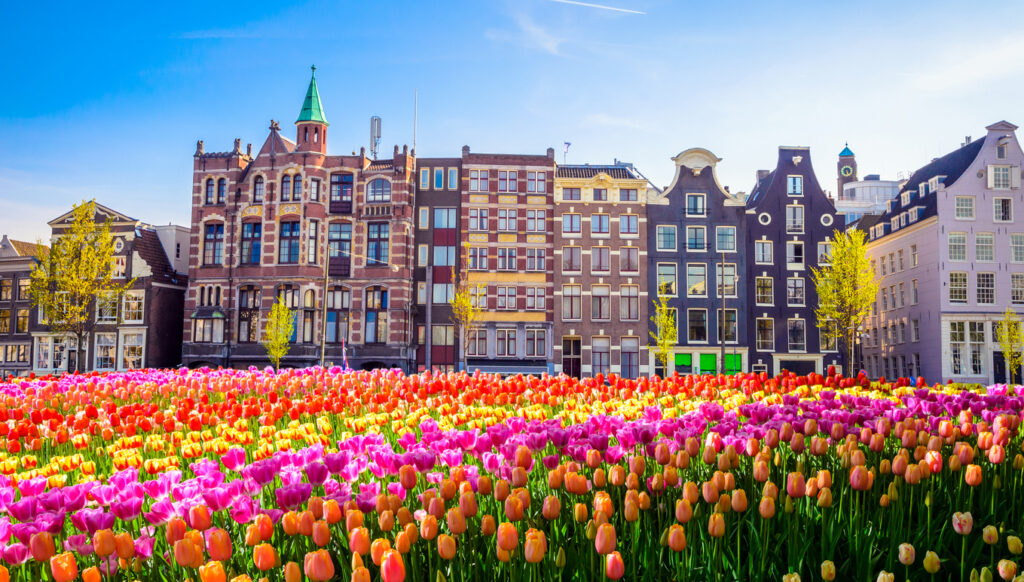
The Netherlands has always battled with water, but large areas are actively sinking due to soil compaction and peat oxidation. When peatlands are drained for agriculture or development, the organic soil decomposes and compacts, causing the ground to drop. Some areas are subsiding at rates of up to 1 centimetre per year, which means constant maintenance of pumping systems.
The country already has large areas below sea level, and ongoing subsidence means they’re getting deeper. Climate change and rising seas make this an increasingly urgent problem that requires enormous engineering efforts to manage.
6. Mexico City is sinking because of groundwater extraction.
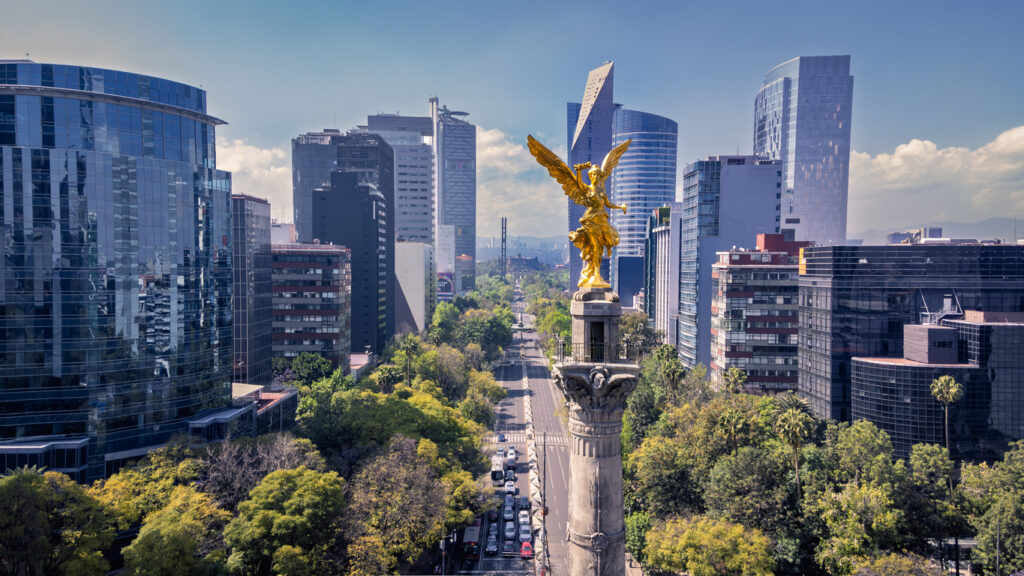
Mexico City was built on an ancient lakebed with soft sediments below, and pumping out groundwater for the city’s water supply has caused dramatic subsidence. Some areas have dropped more than 10 metres since the early 20th century, and the sinking continues at rates up to 50 centimetres per year in the worst areas.
Buildings tilt and crack as they sink unevenly, infrastructure breaks, and flooding increases because the drainage systems no longer flow properly. The city’s population needs the groundwater to survive, but extracting it is literally pulling the ground out from under them. Efforts to import water from elsewhere have slowed but not stopped the subsidence.
7. Hawaii is moving northwest at walking speed.
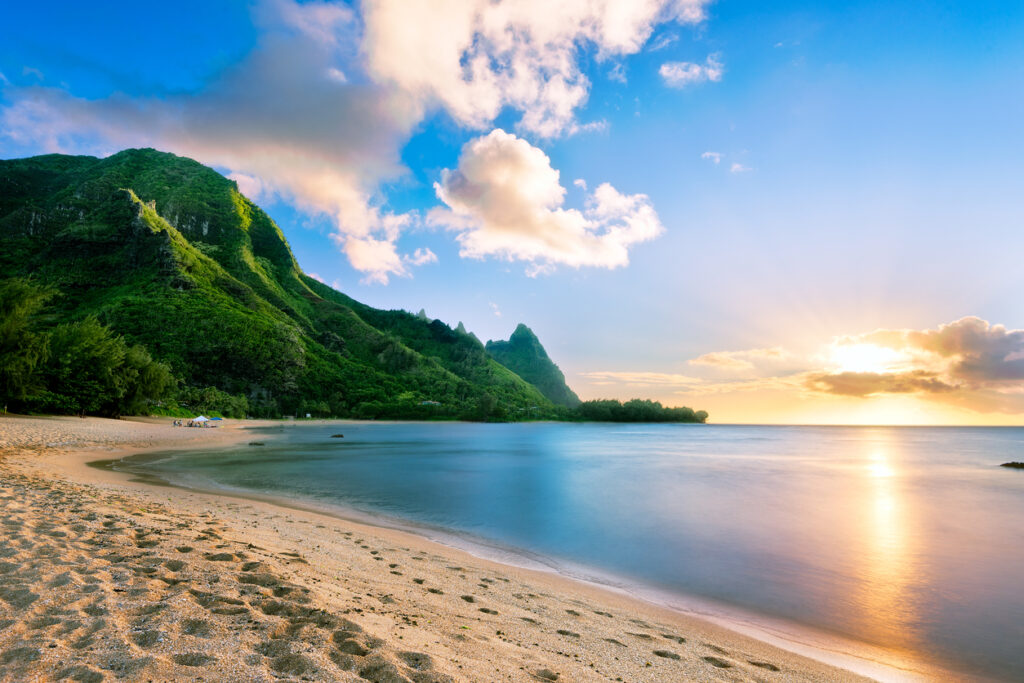
The Hawaiian Islands sit on the Pacific Plate, which is sliding northwest over a stationary hotspot in the Earth’s mantle. This movement carries the islands away from their volcanic source at about 7 to 9 centimetres per year. As the islands move, the volcanoes become extinct and new ones form over the hotspot, which is why the Big Island still has active volcanoes while the older northwestern islands are dormant.
Eventually, all the current Hawaiian Islands will be carried away from the hotspot and a new island will begin forming. You can see this process in action as Loihi, an underwater volcano southeast of the Big Island, grows towards the surface.
8. The Dead Sea is dropping rapidly.

The Dead Sea’s surface level is falling by more than a metre per year, which is one of the fastest geological changes happening anywhere on Earth. The Jordan River that feeds the sea has been heavily diverted for agriculture and drinking water, so far less water flows in while evaporation continues.
As the water level drops, the shoreline recedes and sinkholes open up where underground salt deposits dissolve. The Dead Sea has lost about a third of its surface area in the last 50 years, and beaches and facilities built decades ago are now hundreds of metres from the water. The shrinkage is creating an ecological and geological disaster.
9. Greenland is rising as ice melts.

As Greenland’s massive ice sheet melts and loses weight, the land beneath is rebounding upward. This process is called isostatic rebound, and it happens because the Earth’s crust was compressed under the weight of ice and springs back when that weight is removed. Parts of Greenland are rising several millimetres per year, and the rate is accelerating as ice loss increases.
The same thing happened in Scandinavia and Canada after the last ice age, and those regions are still rising today, thousands of years after the ice disappeared. Greenland’s uplift is a direct result of climate change and will continue as long as ice keeps melting.
10. Japan experiences constant ground movement from earthquakes.
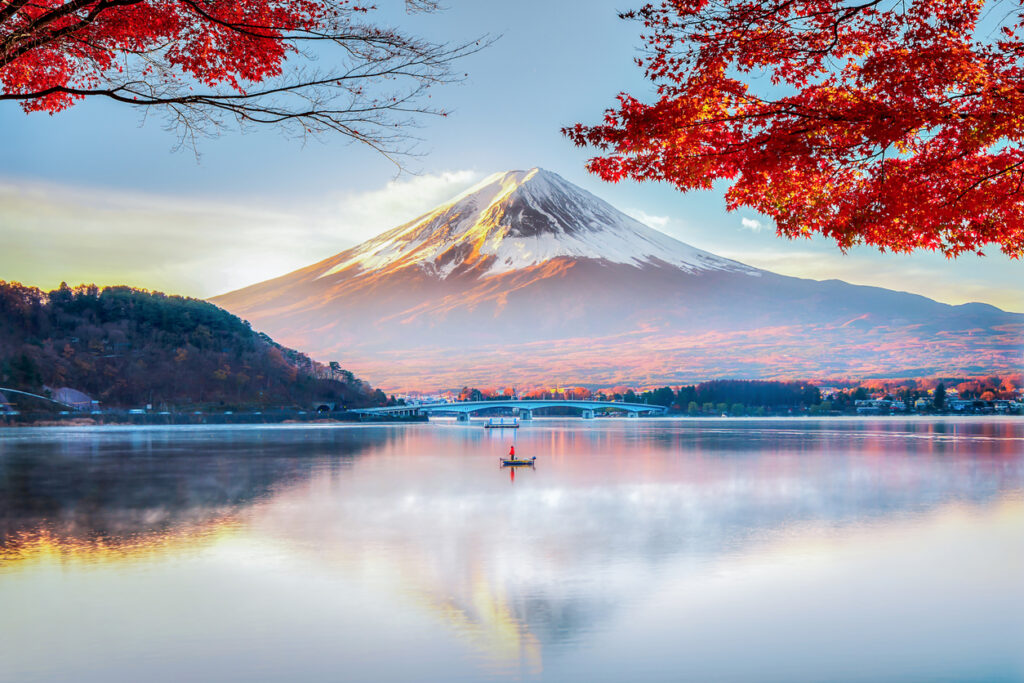
Japan sits at the junction of four tectonic plates, which makes it one of the most seismically active places on Earth, with ground that’s constantly shifting. The 2011 Tohoku earthquake moved parts of Japan’s coastline 2.4 metres eastward in a matter of minutes, and smaller movements happen regularly.
GPS stations across Japan record continuous ground deformation as the plates push against each other and stress accumulates. The country experiences thousands of earthquakes per year, most too small to feel but all contributing to ongoing ground movement. Japan’s entire archipelago is being slowly dragged westward by subduction, and this process reshapes the islands over geological time.