Most people assume that being animal-friendly means cutting out everything that comes from a creature, but the reality is a bit more nuanced than that.
There are quite a few things we get from animals that don’t involve any kind of pain or suffering, and in some cases, taking the product is actually a bit of a favour for the animal involved. It’s about looking at the biological cycles of these creatures and finding where our needs happen to cross over with their natural shedding or production processes.
We’ve moved past the idea that everything has to be a choice between complete abstinence or total exploitation. Instead, it’s about finding those rare spots where we can get what we need, whether it’s for warmth, building, or even food, without causing a single moment of distress. These 10 products are examples of how we can use what nature provides in a way that’s actually respectful and kind to the animals themselves.
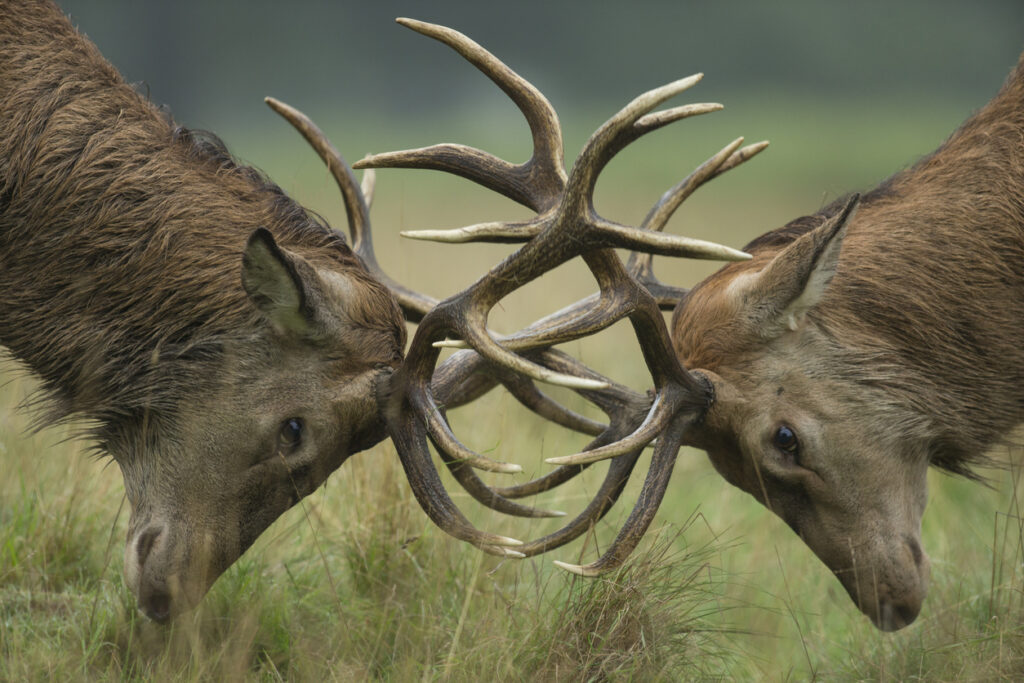
1. Shed antlers

Deer, elk, and moose naturally shed their antlers every year once breeding season ends. The antlers fall off on their own, usually in late winter or early spring, and the animals grow new ones shortly after. No pain, no injury, no intervention required. Collected antlers are found on forest floors long after they’ve been shed. When gathered responsibly, they don’t disturb the animal at all. The animal has already moved on, and the antler would otherwise slowly break down back into the environment.
Naturally moulted feathers
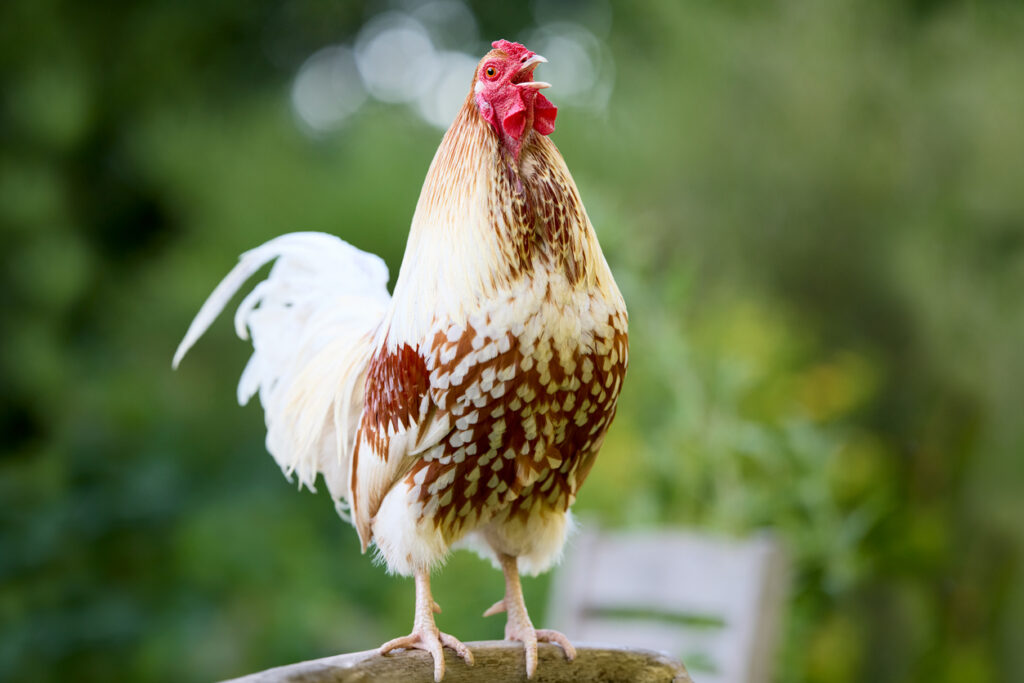
Birds lose feathers constantly through moulting. This process replaces old or damaged feathers with new growth and is essential for flight and insulation. Feathers fall out during daily activity without distress. Collected moulted feathers, when sourced ethically, come from the ground rather than the bird. No plucking, restraint, or stress is involved. The feathers are simply reclaimed after they’ve already served their purpose.
Wool from well-kept sheep
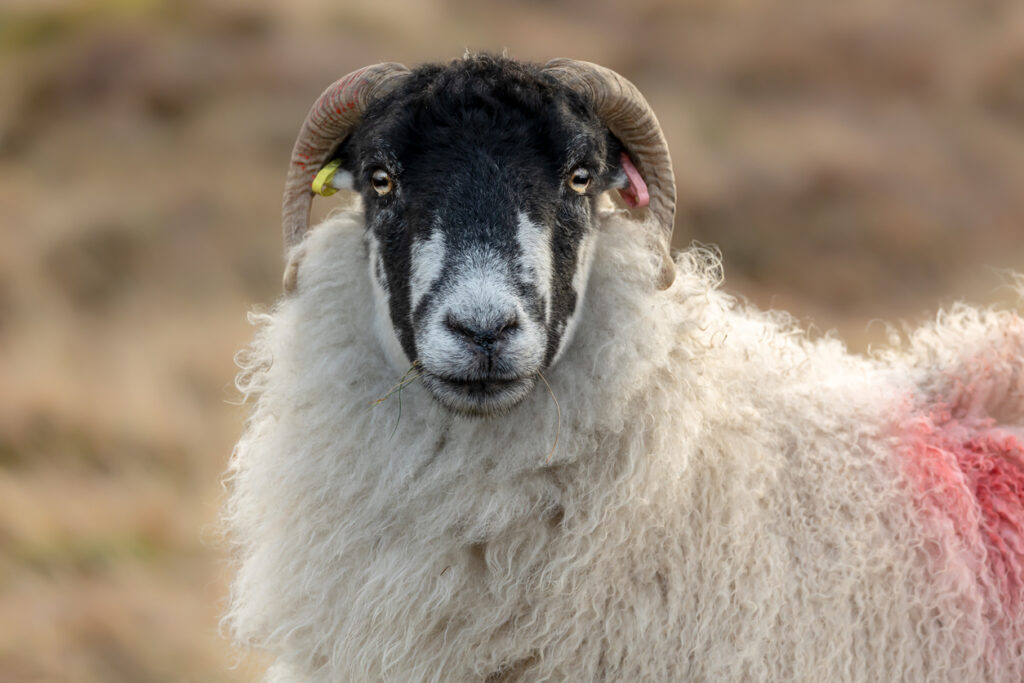
Sheep have been bred to grow continuous wool that doesn’t shed naturally. If left unsheared, it can lead to overheating, infections, and mobility issues. Shearing, when done properly, is closer to grooming than harm. Ethical wool production focuses on skilled shearing, low stress handling, and overall animal welfare. In those conditions, the sheep benefits from the process rather than suffering from it.
Honey from managed hives
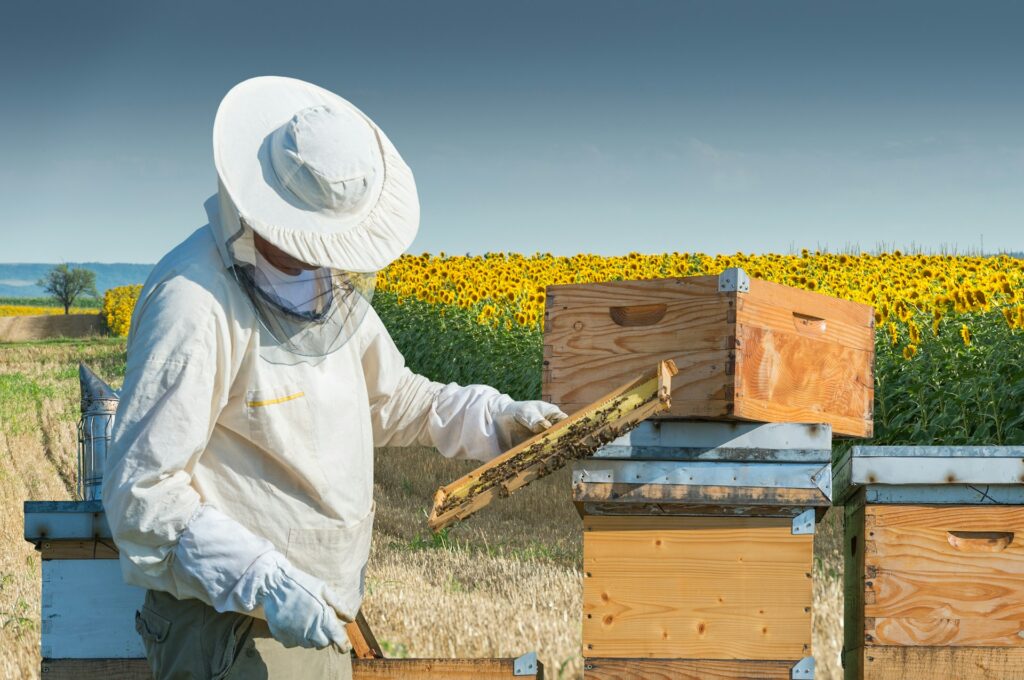
Bees produce honey as a food store, often creating more than a healthy hive requires. In responsible beekeeping, surplus honey is harvested while leaving enough for the colony to thrive. When done correctly, bees aren’t harmed or stressed long-term. The hive remains intact, the queen is protected, and the colony continues functioning normally, often with added support during lean seasons.
Beeswax from natural comb renewal
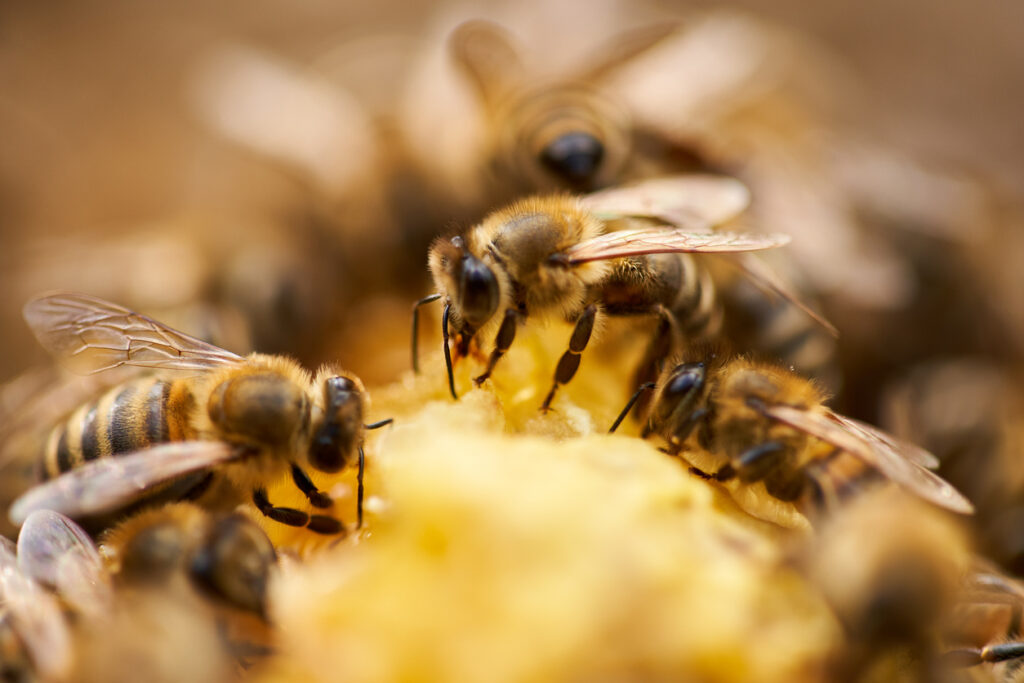
Bees regularly rebuild and replace wax combs inside their hives. Old or damaged wax is naturally removed as part of hive maintenance. Harvested beeswax usually comes from these surplus or replaced combs rather than active brood areas. The bees continue producing wax regardless, and careful management ensures the colony isn’t disrupted.
Eggs from free-ranging hens
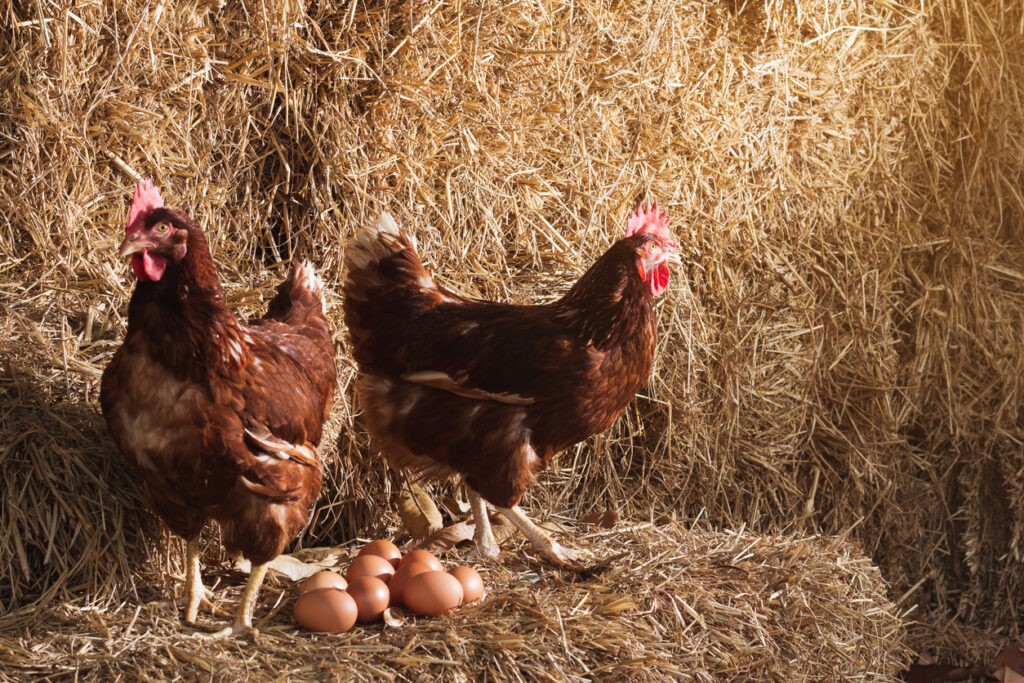
Hens lay eggs whether or not they’re fertilised. The egg itself is not a chick and contains no embryo. In free-ranging or sanctuary-style environments, collecting eggs doesn’t affect the hen’s health. When hens are allowed natural behaviours, nesting space, and proper nutrition, egg laying continues as part of their biological cycle. The harm comes from confinement, not the egg itself.
Milk from well-managed dairy animals
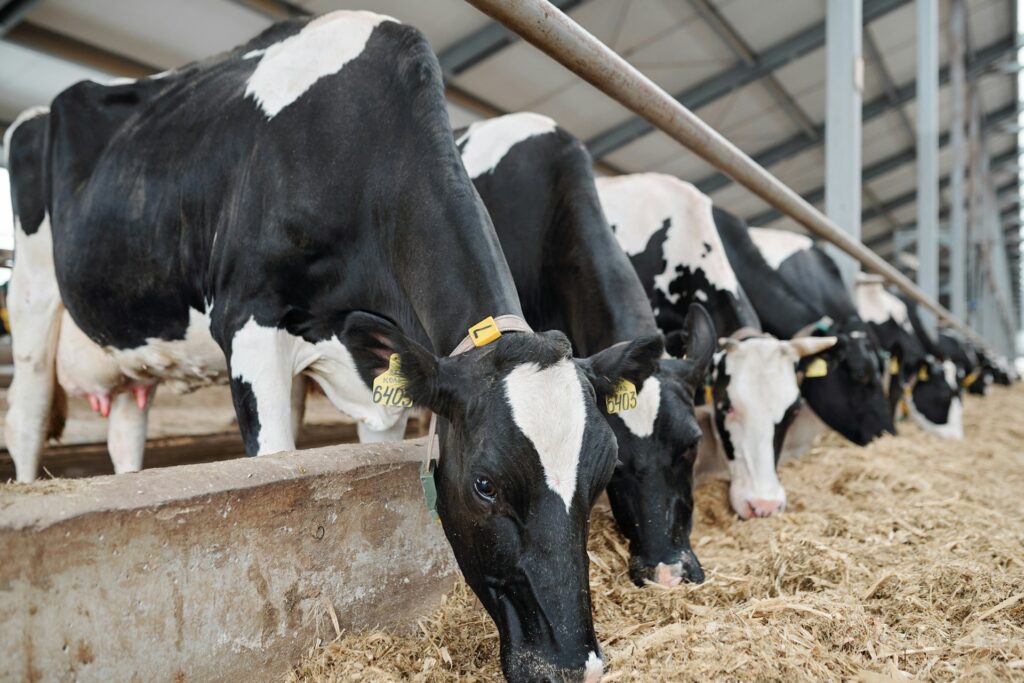
This is more complex, but in small-scale, ethical systems where calves aren’t removed prematurely and animals aren’t over-milked, milk production can occur without suffering. In these settings, animals are milked only after natural birthing cycles and kept in environments that prioritise health over output. The milk exists because the animal already produces it, not because it’s being forced beyond limits.
Silk collected after moth emergence
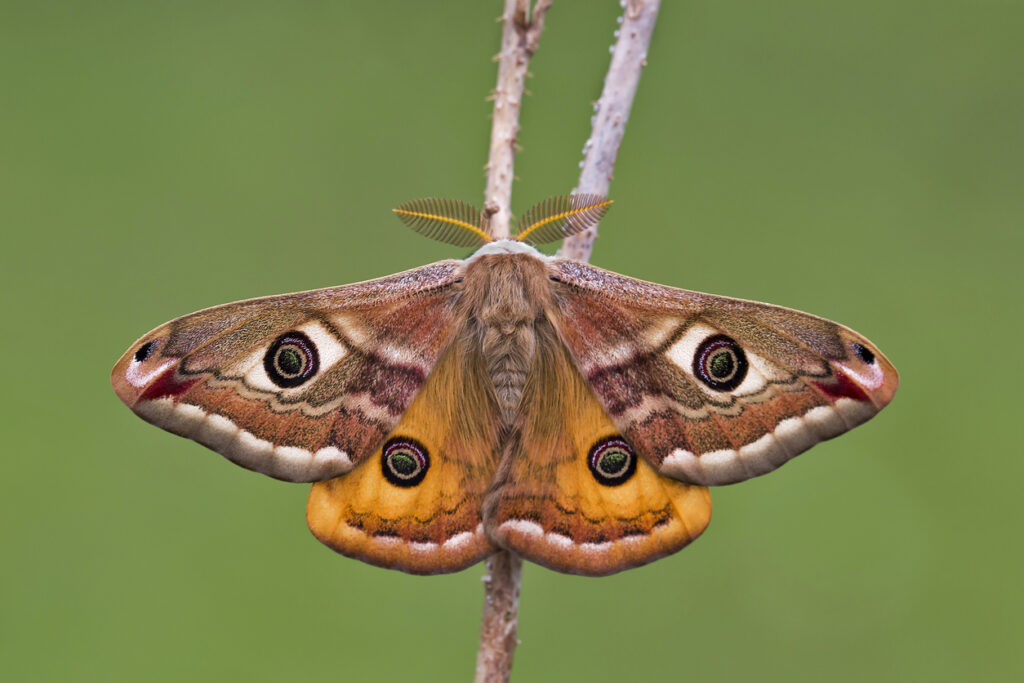
Traditional silk production kills silkworms before they emerge. However, peace silk allows moths to complete their life cycle before fibres are collected. The silk threads are broken and less uniform, but the animal isn’t harmed. The material comes from cocoons that are naturally abandoned after emergence.
Lanolin from wool washing

Lanolin is a natural oil secreted by sheep to protect their wool and skin. It’s removed during the washing of shorn wool, not extracted directly from the animal. Since wool must be cleaned anyway, lanolin is simply a by-product. The sheep experiences no additional process beyond normal shearing.
Fish scales shed naturally
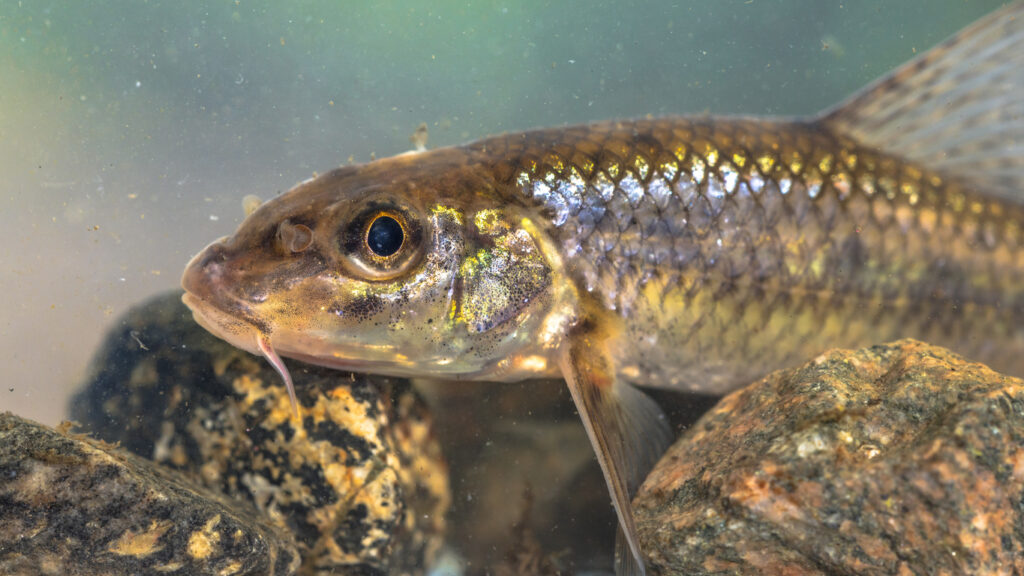
Many fish shed scales throughout their lives due to growth, movement, or minor damage. These scales are replaced naturally without injury. In certain environments, shed scales can be collected from water systems or as by-products of already deceased fish, rather than removed from live animals.
Shells abandoned by molluscs
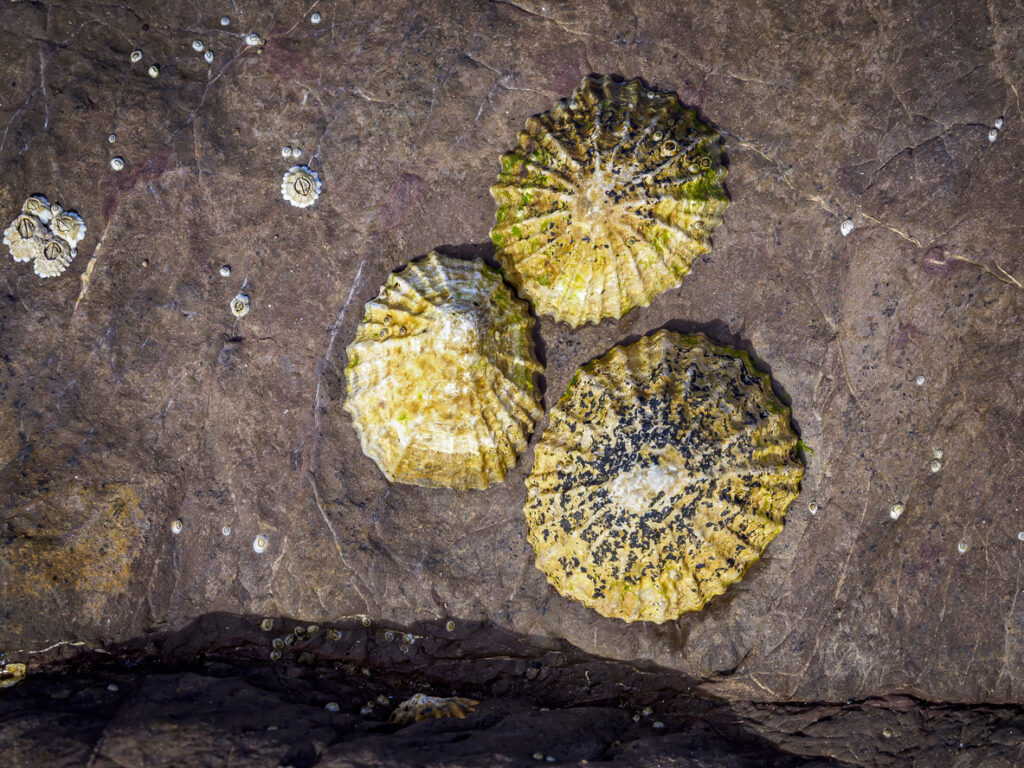
Some molluscs leave shells behind after death, or shells are discarded naturally during growth stages. These shells would otherwise degrade in the environment. Collected shells don’t affect living animals when sourced responsibly. They’re reclaimed materials, not products of extraction.
Manure used as fertiliser
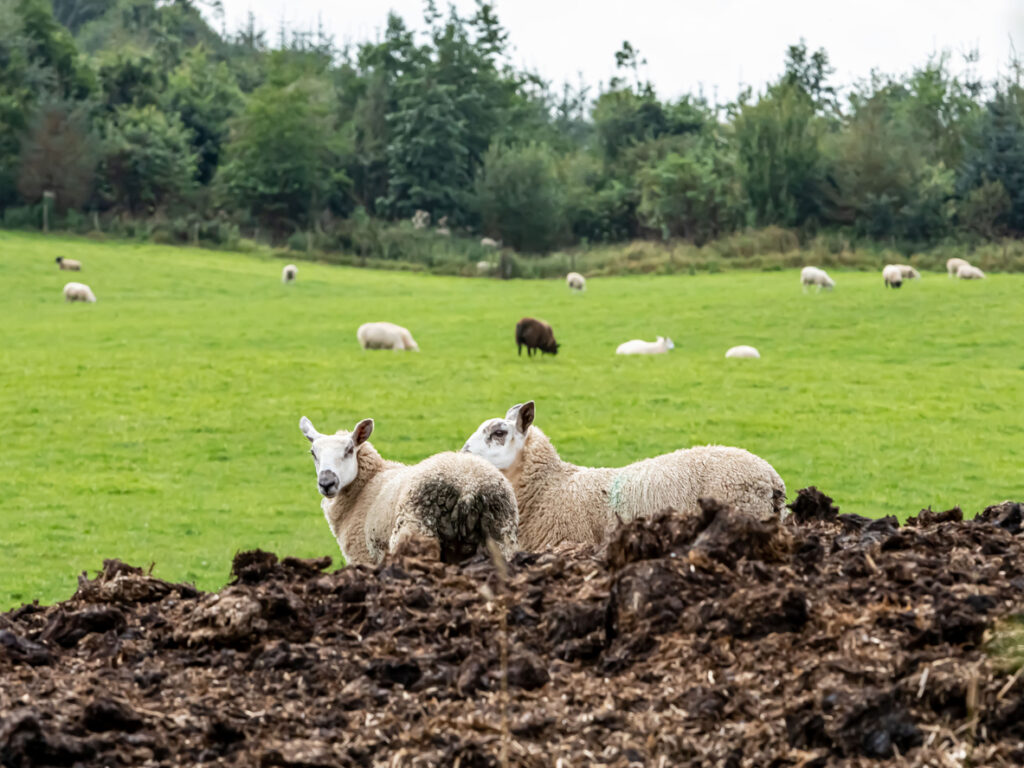
Animal manure is a natural waste product. Using it as fertiliser doesn’t require harming the animal and can reduce reliance on synthetic alternatives. When animals are kept in healthy conditions, manure collection is routine and non-invasive. The animal isn’t altered or stressed by its use at all.