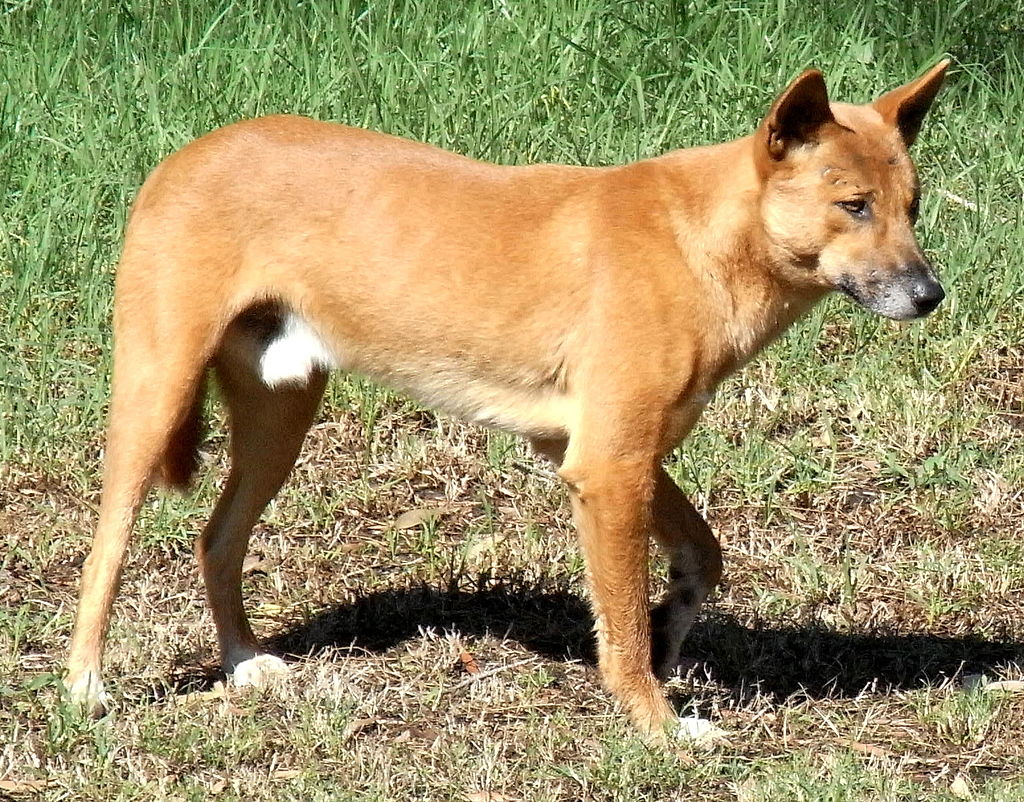
Australia’s most iconic predator is often misunderstood as just a stray pet that wandered too far into the bush, but the dingo is a specialised hunter that’s been ruling the continent for thousands of years. It’s not a dog in the way we think of Labradors or Poodles; it’s a lean, hardy survivor that sits right at the top of the food chain. Without them, the outback would be a completely different place, yet they spend most of their lives caught in a tug-of-war between being a protected native species and a pest that farmers want gone.
They’re incredibly smart, fiercely independent, and have adapted to some of the harshest landscapes on the planet where almost nothing else can thrive. By keeping populations of kangaroos and invasive species in check, they act as the ultimate balancer of the ecosystem, protecting smaller native animals that would otherwise be crowded out. Understanding the dingo means looking past the “wild dog” label and seeing a predator that has survived isolation for millennia to become the undisputed king of the outback.
Dingoes aren’t actually native to Australia.
Despite being synonymous with the Australian outback, dingoes arrived on the continent somewhere between 3,000 and 5,000 years ago, most likely brought by seafaring people from Southeast Asia. They’re descended from an ancient lineage of domestic dogs but went feral and adapted brilliantly to Australian conditions. They spread across the mainland rapidly, filling the role of apex predator that had been left vacant. Their arrival actually changed the Australian landscape in significant ways.
They’re more closely related to wolves than pet dogs.
Dingoes share more behavioural and physical traits with wolves than with most domestic dog breeds. They have larger canine teeth, broader heads, and longer muzzles compared to typical dogs. Genetically, they’re considered one of the most primitive dog types still around, having diverged from other dogs thousands of years ago. Their wolf-like nature makes them excellent hunters and incredibly self-sufficient in harsh environments.
@pawpointuk Meet the Dingoes! 🐕🌾 Dingoes are wild canines found in Australia, and they share a close family connection with domestic dogs, wolves, and coyotes. Often called Australia’s wild dog, dingoes are intelligent, resourceful, and play a key role in keeping ecosystems balanced. While they may look a lot like our household pups, dingoes remain wild at heart—living free, hunting skillfully, and shaping the landscapes they roam. They remind us of the deep bond across the canine family that links wild species to our loyal companions at home. 💛🐶 #MeetTheDingoes #Dingo #Wildlife #CanineFamily #Australia ♬ snowfall – Øneheart & reidenshi
They don’t bark like regular dogs.
Dingoes can bark, but they rarely do, and it sounds different from a domestic dog’s bark. Instead, they communicate through howls, whines, and growls that are much more wolf-like. The howling serves to locate pack members across vast distances in the outback and to mark territory. Pups bark more frequently than adults, but as they mature, they shift to the more typical howling and growling.
They’re apex predators that keep ecosystems balanced.
In many parts of Australia, dingoes sit at the top of the food chain, controlling populations of kangaroos, wallabies, and invasive species like rabbits and feral cats. Their presence actually benefits smaller native animals by keeping mesopredator populations in check. Areas with healthy dingo populations tend to have more diverse wildlife because dingoes prevent any one species from dominating. Removing dingoes from an area often leads to ecological imbalances that can take decades to correct.
They can rotate their heads and wrists in unusual ways.
Dingoes have exceptional flexibility compared to domestic dogs, able to rotate their heads nearly 180 degrees and their wrists enough to use their paws almost like hands. That flexibility helps them navigate rocky terrain, climb, and manipulate objects in ways most dogs can’t manage. They can grip and turn things with their front paws, which proves useful when opening gates or handling prey, and their physical adaptability is part of what makes them such successful hunters and survivors.
They’re incredibly intelligent and adaptable hunters.

Dingoes are problem-solvers with impressive cognitive abilities that help them thrive in Australia’s challenging environments. They can figure out complex situations, remember water sources during droughts, and adjust their hunting strategies based on available prey. They’re opportunistic feeders who’ll take anything from large kangaroos to small reptiles, insects, and even fruit when meat is scarce. Their intelligence also makes them notoriously difficult to control with traditional fencing, since they quickly work out how to overcome obstacles.
Pure dingoes are becoming increasingly rare.
Interbreeding with domestic dogs poses the biggest threat to pure dingoes, with hybrids now outnumbering purebreds in many areas. Genetic studies suggest that truly pure dingoes might only exist in isolated pockets, particularly on Fraser Island and in remote parts of northern and central Australia. Conservation efforts are focused on protecting remaining pure populations and preventing further hybridisation. The loss of genetic purity isn’t just about preserving a unique animal, it’s about maintaining the ecological role that pure dingoes play.
They hold deep cultural significance for Indigenous Australians.
Dingoes feature prominently in Indigenous Australian mythology, art, and traditional life, having coexisted with Aboriginal peoples for thousands of years. They were sometimes kept as companions, helped with hunting, and provided warmth on cold nights. Many Indigenous communities see dingoes as an important part of the cultural and spiritual landscape, not as pests to be eliminated. That perspective stands in stark contrast to the way European settlers and modern farmers often view them.
@inthewildzone Dingoes hunt kangaroo #wildlife #nature #africa #travel #animal ♬ original sound – InTheWildZone
They hunt cooperatively in packs.
While dingoes can hunt alone, they’re much more effective when working together in coordinated packs. They use sophisticated strategies to take down large prey like kangaroos, with different pack members playing specific roles during the hunt. Some dingoes drive prey towards others waiting in ambush, while others cut off escape routes. Pack structure is fairly flexible though, with dingoes forming groups of varying sizes depending on food availability and territory.
They’re one of Australia’s most controversial animals.
Dingoes occupy a complicated position in Australian society, viewed as valuable native predators by conservationists but as threats to livestock by farmers. The dingo fence, one of the longest structures on Earth at over 5,000 kilometres, was built specifically to keep them out of southeastern Australia’s sheep country. Lethal control measures remain common in pastoral areas, despite ongoing debate about their necessity. Finding a balance between protecting an ecologically important predator and supporting agricultural livelihoods remains one of Australia’s trickiest wildlife management challenges.