We like to think of the Megalodon as a sort of oversized Great White, a mindless killing machine that spent its days chomping on anything that moved in the ancient oceans.

Because of its massive size, the assumption is usually that it just went for the biggest targets it could find, using brute force to dominate the food chain. However, as researchers dig deeper into the fossil records and look at the chemical signatures left in those giant teeth, a much more complex picture is starting to emerge about what it actually took to keep a 50-foot predator fuelled up.
It turns out that the diet of this prehistoric titan wasn’t just about volume; it was about strategy. The types of prey it targeted reveal a lot about how the Megalodon lived and why it eventually vanished from the seas. Some of its most frequent meals were creatures you might not expect, and the way it hunted them shows a level of precision that goes way beyond just biting hard. These 11 facts about the Megalodon’s actual menu change everything we thought we knew about the most famous shark to ever live.
They needed 100,000 calories every single day.

To put that in perspective, that’s the equivalent of eating around 1,250 Big Macs or about 400 chicken breasts daily. This massive calorie requirement meant megalodon couldn’t afford to be picky about what it ate. The sheer amount of energy needed to fuel a body that could grow up to 24 metres long forced it to be an opportunistic feeder rather than a specialist hunter.
They weren’t whale specialists at all.

Everyone assumed megalodon primarily hunted whales because that’s what would make sense for such a massive predator. But zinc isotope analysis revealed they ate prey from all levels of the food chain, not just the top. They’d go for whales when available, but were perfectly happy eating smaller fish, dolphins, or whatever else crossed their path.
They ate other apex predators regularly.

Megalodon didn’t just hunt prey, it hunted other predators and even predators that ate predators. Their nitrogen isotope levels were so high that scientists realised they must have been eating animals that themselves were eating other carnivores. This put them at the absolute highest trophic level ever measured in any marine predator throughout history.
Their diet varied massively by region.
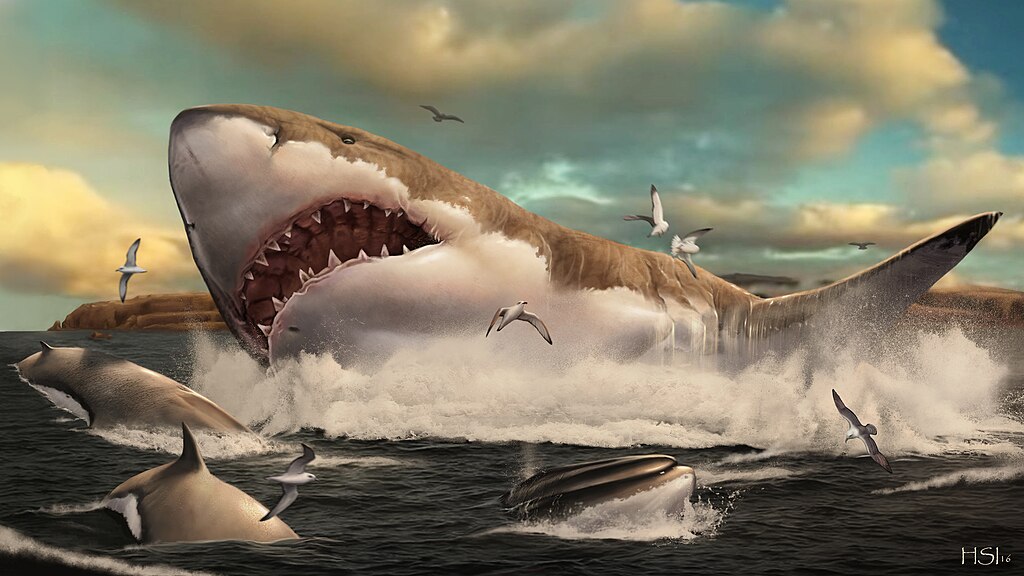
Fossil teeth from different locations show completely different feeding patterns. Megalodons living in one area might’ve eaten more prey from lower food chain levels, while those in another region focused on larger animals. This suggests they adapted to whatever was locally available rather than seeking out specific prey types.
They weren’t the only kings of the ocean.
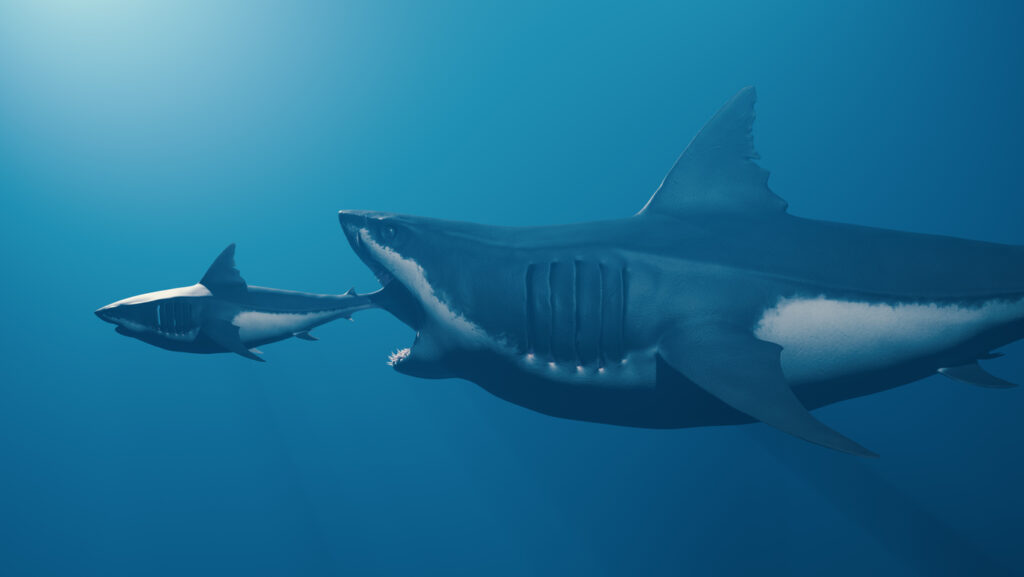
Turns out megalodon shared the top spot with other massive sharks like Otodus chubutensis and Araloselachus cuspidatus. They weren’t the sole rulers everyone imagined but rather part of a group of opportunistic supercarnivores all competing for the same food sources. This completely changes how we think about ancient ocean ecosystems.
Baby megalodons ate completely different things.
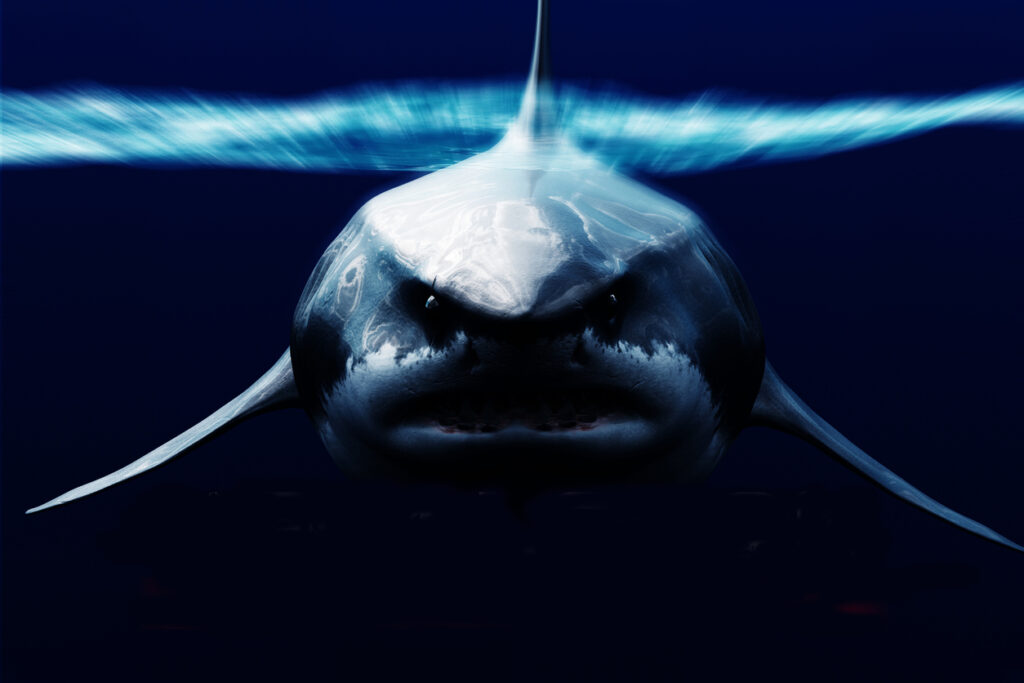
Juvenile megalodons started off eating fish and smaller sharks, rather than immediately going after marine mammals. This ontogenetic shift in diet meant young sharks gradually worked their way up the food chain as they grew, which is similar to how modern great white sharks develop their hunting preferences over time.
They probably scavenged as much as they hunted.
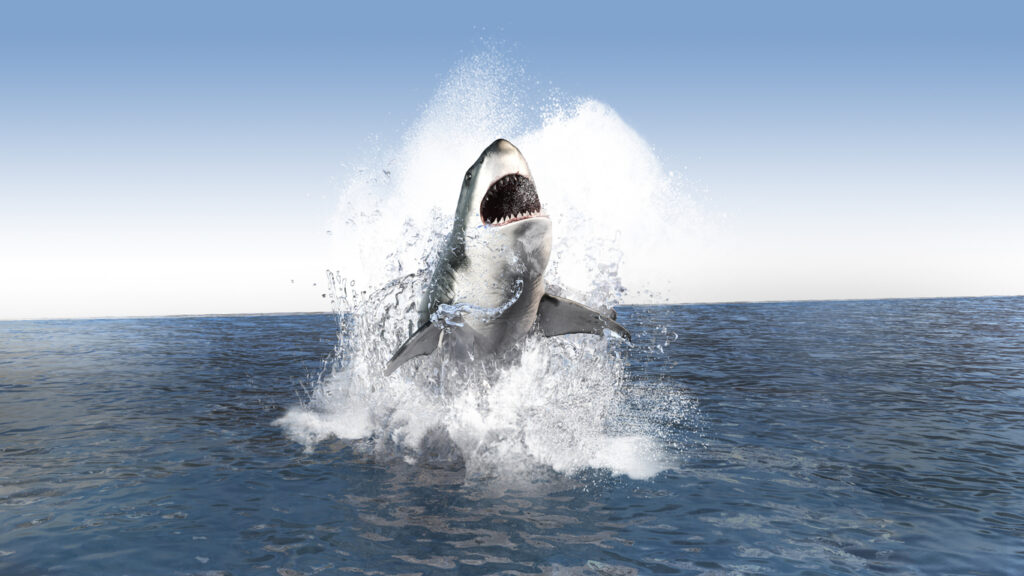
Despite being fearsome predators, megalodons likely spent a fair bit of time scavenging dead whales and other carcasses floating in the ocean. Their teeth were found near whale bones that showed feeding damage, but there’s no way to know if megalodon killed those whales or just cleaned up after something else did.
Their teeth were designed for crushing bones.

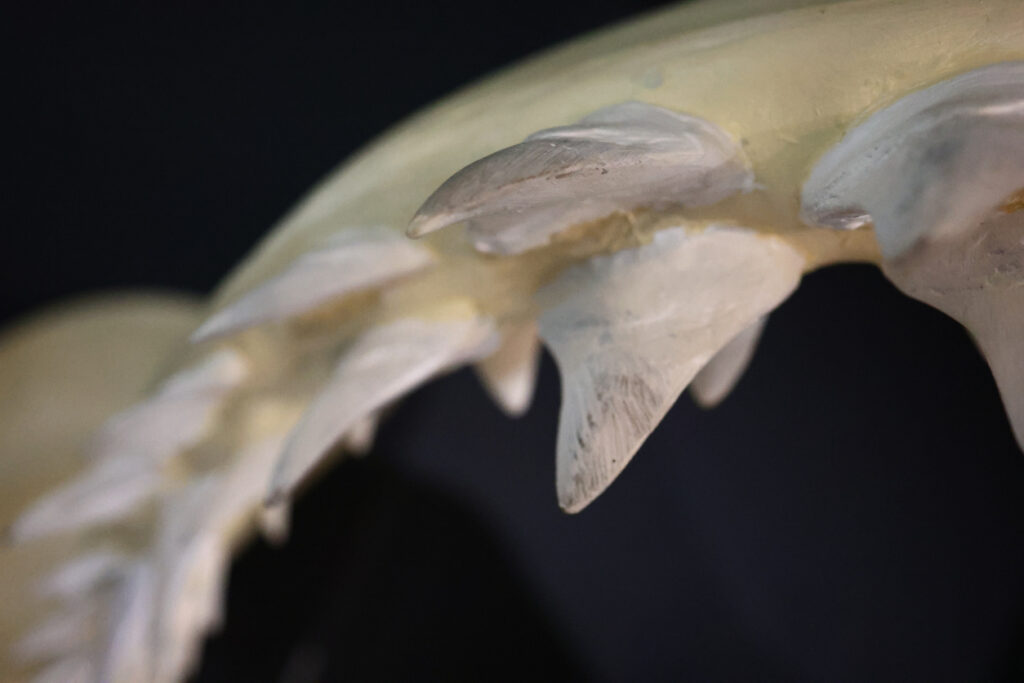
Unlike great white shark teeth which are built for slicing, megalodon teeth had blunter tips and wider crowns specifically adapted to wedge into tight spaces and crush through rib cages. This suggests they targeted the internal organs of their prey by breaking through the protective bone structure, which would’ve worked whether they were hunting or scavenging.
Competition with great whites may have killed them off.

Both megalodon and modern great white sharks had overlapping diets, and the smaller, more agile great white might’ve simply outcompeted megalodon for food. When your daily calorie needs are astronomical and a more efficient predator is eating the same things you are, survival becomes incredibly difficult.
We can’t see bite marks on everything they ate.
The fossil record is biased because we can only see bite marks on animals with bones. Megalodons definitely ate other sharks, but since shark skeletons are made of cartilage that doesn’t fossilise well, there’s no evidence of it. This means their diet was likely even more diverse than what fossil evidence can actually prove.