When we talk about saving birds, we usually focus on bird feeders or city parks, but for 100s of species, the real battle is won or lost in five specific forests.
These aren’t just pretty places for a hike; they’re the engine rooms of the entire continent’s ecosystem. Whether it is a massive stretch of pine in the south or the ancient, mossy giants of the northwest, these habitats provide the exact food and nesting spots that certain birds have spent thousands of years adapting to. If these forests disappear, the birds don’t just move next door—they simply stop existing. It is a high-stakes situation where the survival of everything from tiny warblers to massive owls depends on us keeping these specific patches of wilderness intact.
The boreal forest is the continent’s bird nursery.
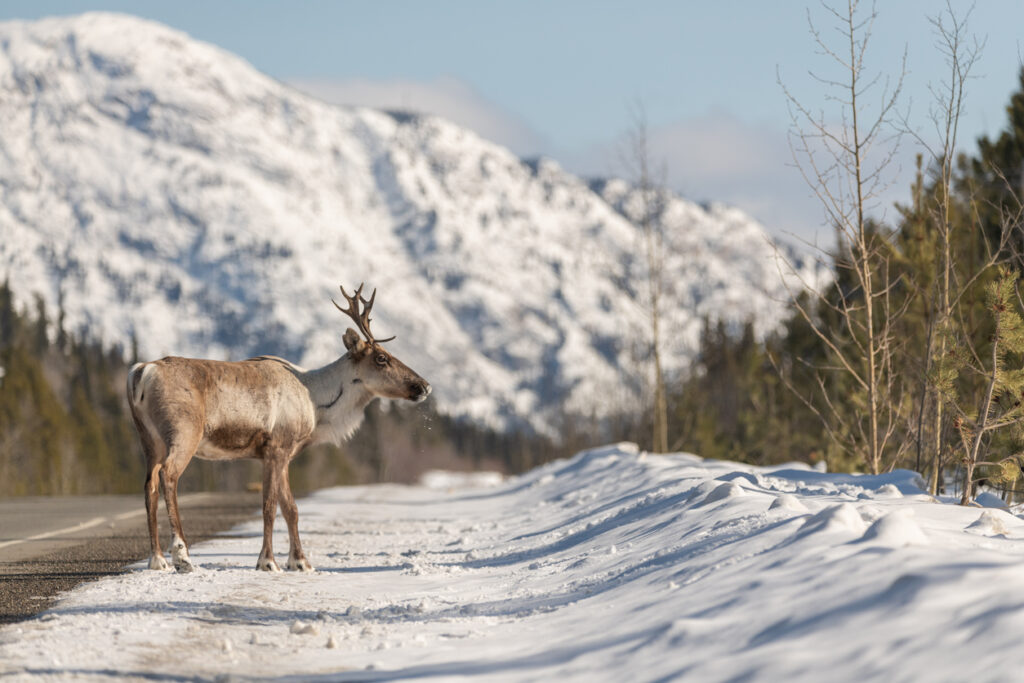
The boreal forest stretches across Canada and Alaska in a massive band of spruce, fir, and pine that covers more land than any other forest type in North America. This forest produces somewhere between 3 and 5 billion birds every breeding season, making it the most important bird habitat on the continent. Warblers, thrushes, sparrows, and waterfowl all migrate thousands of miles to reach the boreal each spring because the explosion of insects and long daylight hours let them raise their young successfully.
The forest provides dense cover for nesting and an abundance of food that’s timed perfectly with chick-rearing. Without the boreal, entire populations of familiar backyard birds would collapse because they have nowhere else that can support breeding on this scale.
Pacific Northwest old-growth forests support species found nowhere else.
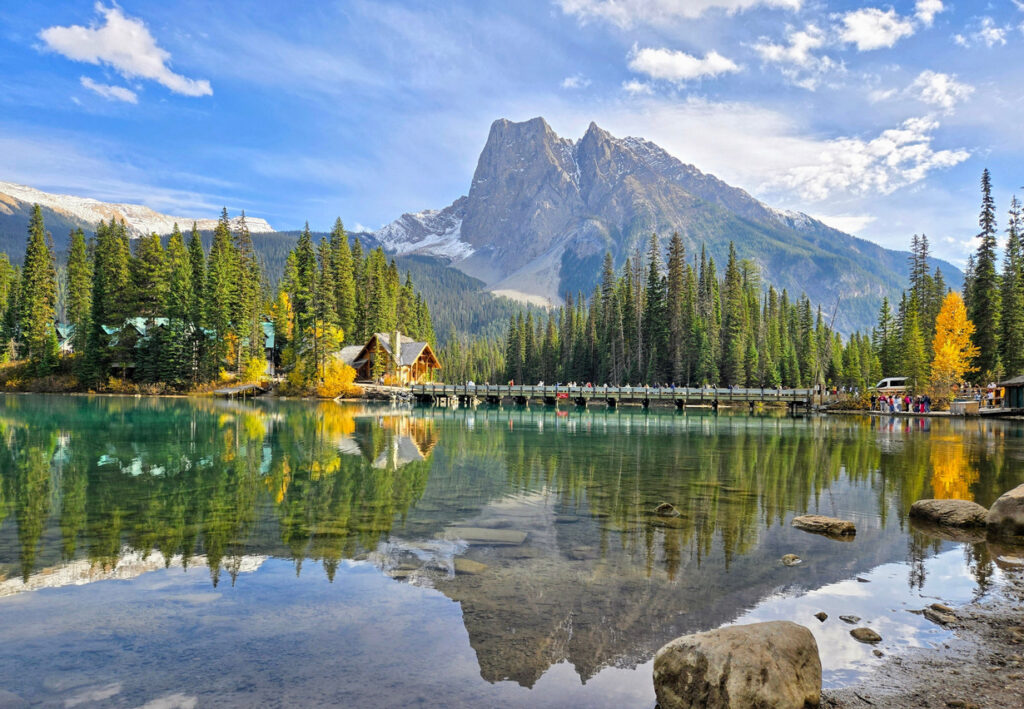
The ancient temperate rainforests along the Pacific coast from Northern California through British Columbia contain trees that are hundreds or thousands of years old, and some birds have evolved to depend entirely on this habitat. Spotted owls need the complex structure of old-growth forests with multiple canopy layers and large trees for nesting. Marbled murrelets are seabirds that fly inland to nest on the huge mossy branches of old-growth trees, an unusual behaviour that makes them completely dependent on these forests.
Once old-growth is logged, it takes centuries to develop the characteristics these species need, so losing more of this forest means losing the species permanently. Only about 15% of the original old-growth remains, and protecting what’s left is critical.
Eastern deciduous forests are migration and breeding grounds for warblers.
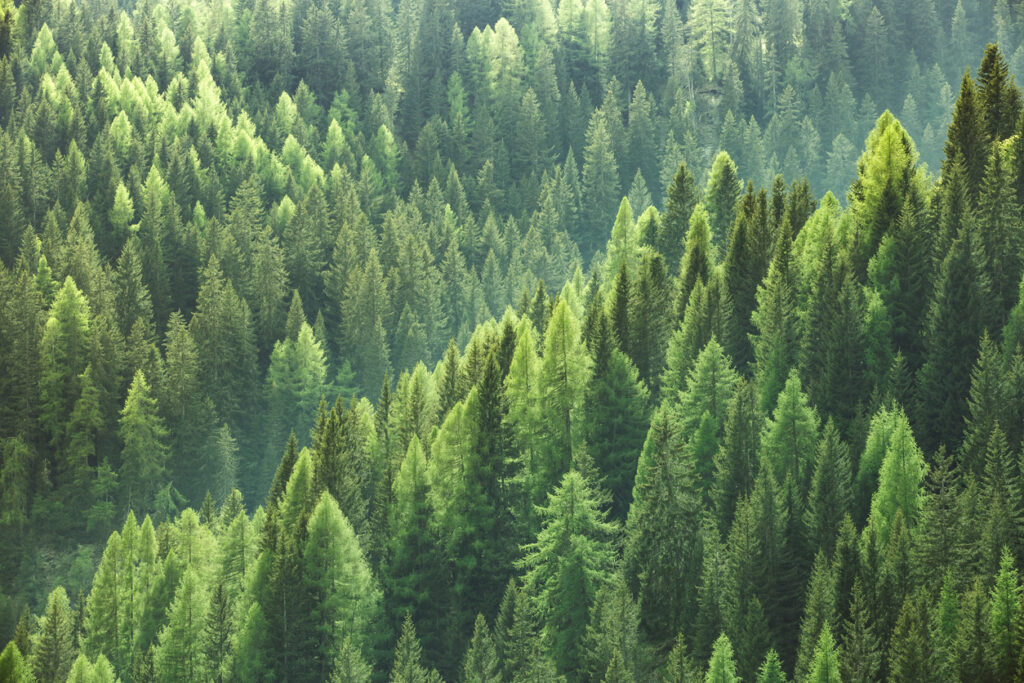
The hardwood forests that once covered much of eastern North America have been heavily fragmented, but what remains is essential for dozens of warbler species and other songbirds. These forests provide the insects, berries, and shelter that fuel spring and autumn migrations for birds travelling between Central America and northern breeding grounds. Wood thrushes, scarlet tanagers and cerulean warblers all depend on large patches of mature deciduous forest to breed successfully.
Fragmented forests have more edges where predators and nest parasites like cowbirds can access nests, so birds need sizeable unbroken forest to raise their young. The eastern forests also support incredible diversity because different tree species attract different insects, which in turn support specialised bird species.
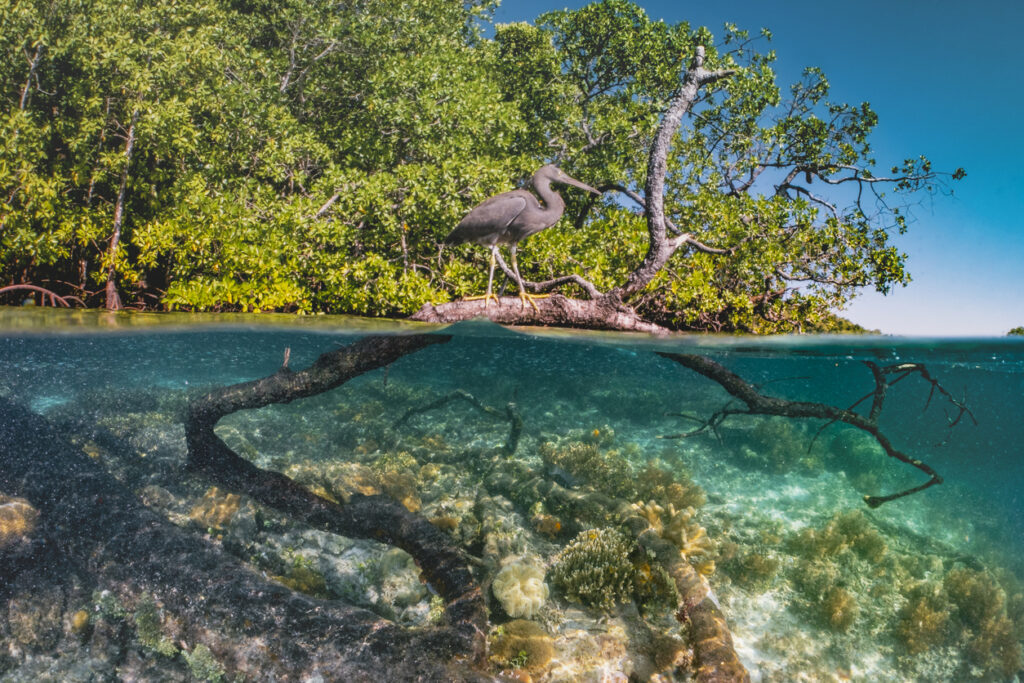
Mangrove forests protect coastal birds and provide migration stopover sites.
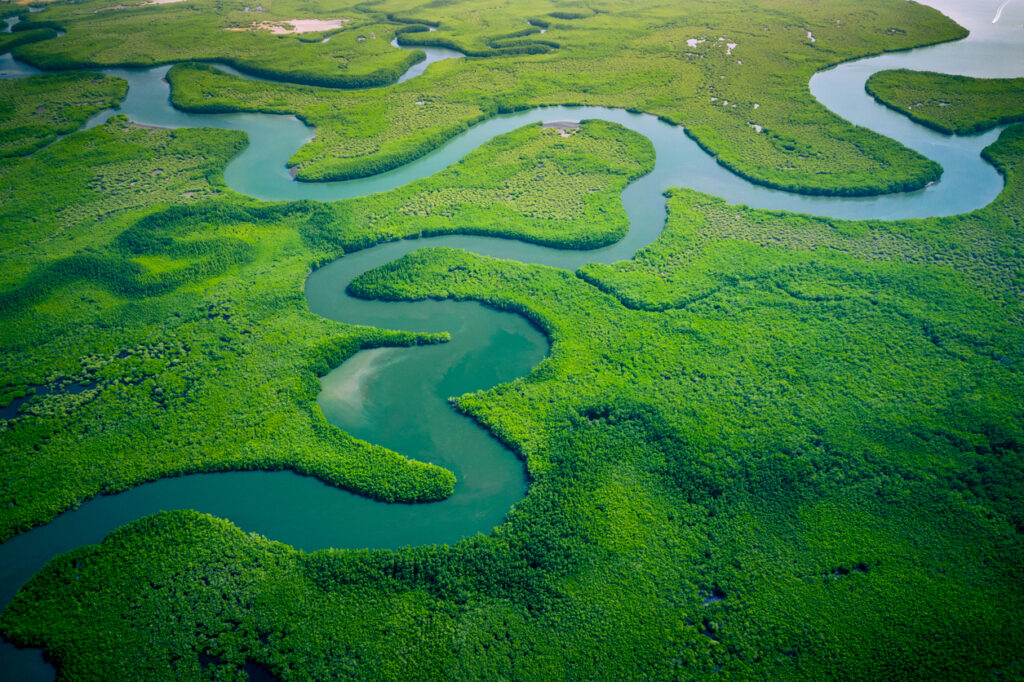
Mangrove forests along the Gulf Coast, Florida and into the Caribbean are crucial for wading birds, shorebirds, and migrants that need coastal habitat. Roseate spoonbills, reddish egrets and wood storks all feed and nest in mangrove forests, using the dense tangles of roots and branches for protection from predators. Mangroves also serve as critical stopover habitat for exhausted migrants that have just crossed the Gulf of Mexico and need shelter and food before continuing north.
These forests buffer against storms and create nursery habitat for fish and invertebrates that birds feed on, so losing mangroves means losing the entire food web they support. Mangroves are disappearing rapidly due to coastal development and sea level rise, and their loss would devastate populations of specialised coastal species.
Riparian forests along rivers are migration superhighways.
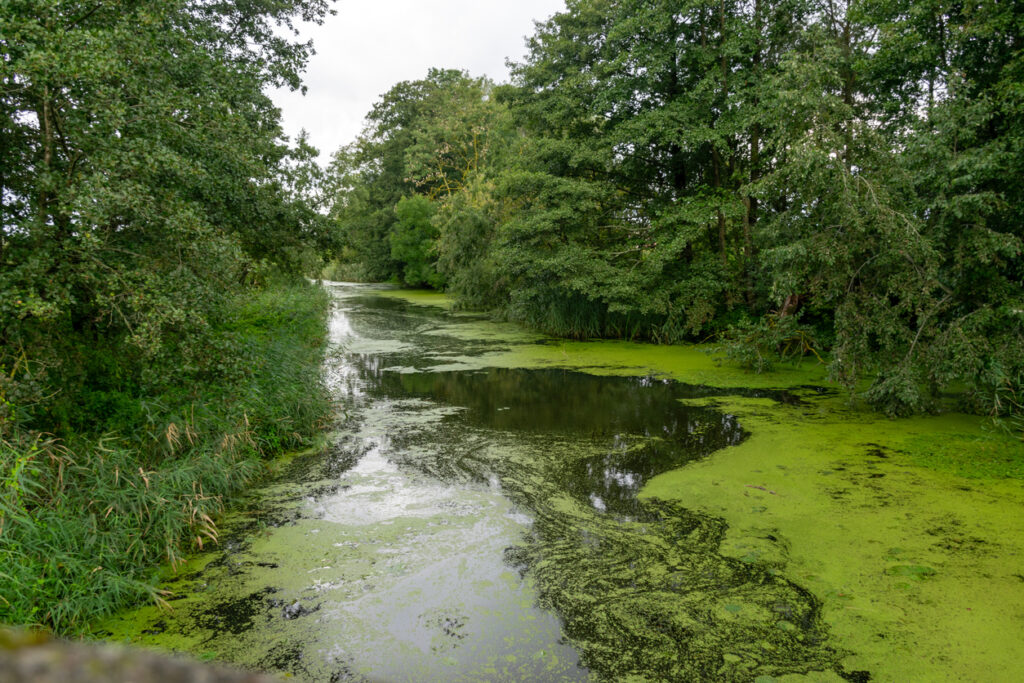
Forests that grow along rivers and streams create green corridors through otherwise inhospitable terrain, and migrating birds rely on these pathways to navigate and rest during long journeys. In the western United States, where much of the landscape is arid, riparian forests are often the only suitable habitat for hundreds of miles. Yellow warblers, willow flycatchers and vireos breed almost exclusively in riparian areas, and these narrow strips of forest support astonishing bird diversity compared to surrounding habitats.
The combination of water, dense vegetation and abundant insects makes riparian forests incredibly productive, and many species simply can’t complete migration without them. Cattle grazing, water diversion and development have destroyed huge amounts of riparian forest, and what remains is under constant pressure.