While most birds are smart enough to head south when the weather turns, a group of Arizona bald eagles has been caught doing the exact opposite.
It turns out these birds have been binning off the traditional migration handbook and flying north during the summer and autumn, with some of them ending up as far as Canada. This isn’t just a few confused youngsters getting lost either; scientists have found it is a consistent pattern for the non-breeding population in the southwest. They believe the eagles are basically on a massive, exploratory road trip to find short-lived food bonanzas like spawning salmon or nesting waterfowl, essentially chasing the best buffet regardless of which way the compass is pointing. Here’s what’s been going on.
They’re migrating north during summer instead of flying south for winter.
Between 2017 and 2023, researchers stuck satellite transmitters on 24 young bald eagles and two adults from Arizona to see where they’d go. Turns out, these birds ignored the rulebook entirely. Instead of heading south when breeding season wrapped up, they flew north during spring and summer, travelling deep into Canada and the northern United States.
They only bothered coming back to Arizona in autumn, right before it was time to nest again in winter. Every other bird is doing the exact opposite. Some eagles made it all the way to southern Canada, covering distances that took them through multiple states and requiring several weeks of flying with strategic pit stops along the way.
Their breeding season happens backwards compared to other birds.
Arizona bald eagles nest during winter, which means their time off falls in summer and autumn. Most North American birds breed in spring and summer, then flee south when it gets cold. But these eagles are living on a completely backwards schedule, and they migrate according to their own weird calendar rather than following what everyone else is doing.
The timing difference throws a spanner in the works for conservation efforts because protecting breeding habitat during winter months needs completely different strategies than protecting summer nesting sites that most other birds use.
One adventurous eagle travelled through 14 different regions.
A young female eagle crossed 10 US states and four Canadian provinces before deciding to settle in northern California. Researchers were buzzing with excitement because she might establish a breeding territory there, which would’ve shown them whether Arizona eagles can successfully set up shop in completely new areas.
Sadly, she got electrocuted by power lines at age four, which is depressingly common for large birds and shows just how dangerous these unusual migrations can be. Her journey was the most extensive trek any eagle managed during the entire seven-year study.
They’re using the same stopover sites eagles used in the 1980s.
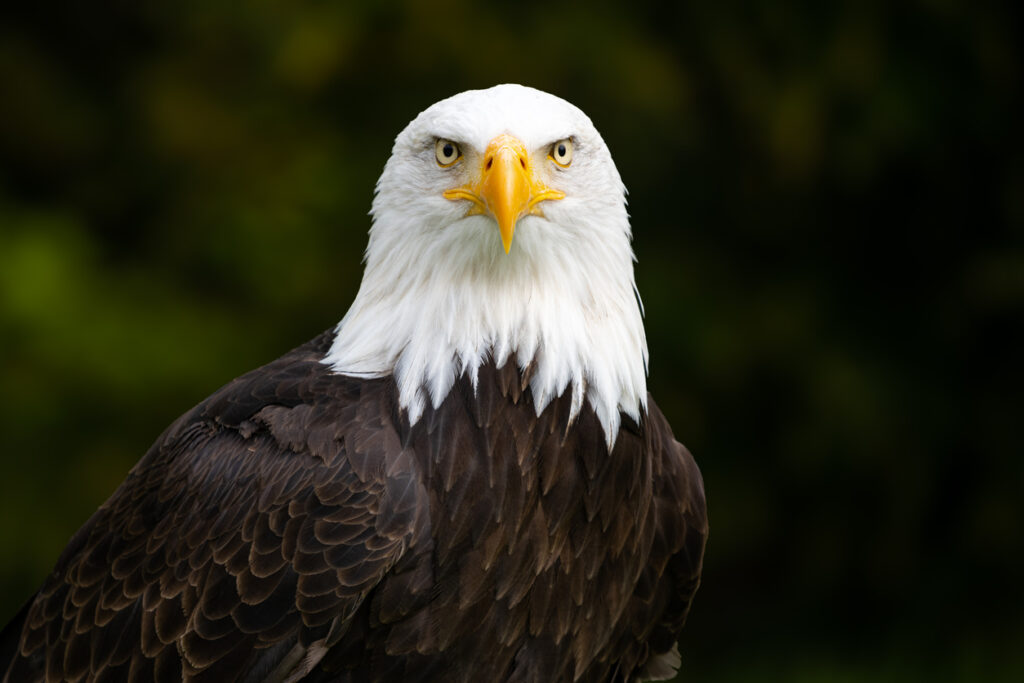
The tracked eagles kept pausing at specific lakes and rivers during their travels, and when researchers checked old data, they realised these were the exact same spots identified back in the 1980s as crucial rest stops. Eagles separated by decades are choosing identical places to break up their journey, which proves how vital these particular bodies of water are for survival.
The fact that eagles keep coming back to the same locations across generations suggests they’re either passing down this knowledge somehow, or these spots are just so obviously perfect that any eagle would naturally choose them.
Food availability is probably driving the backwards migration.
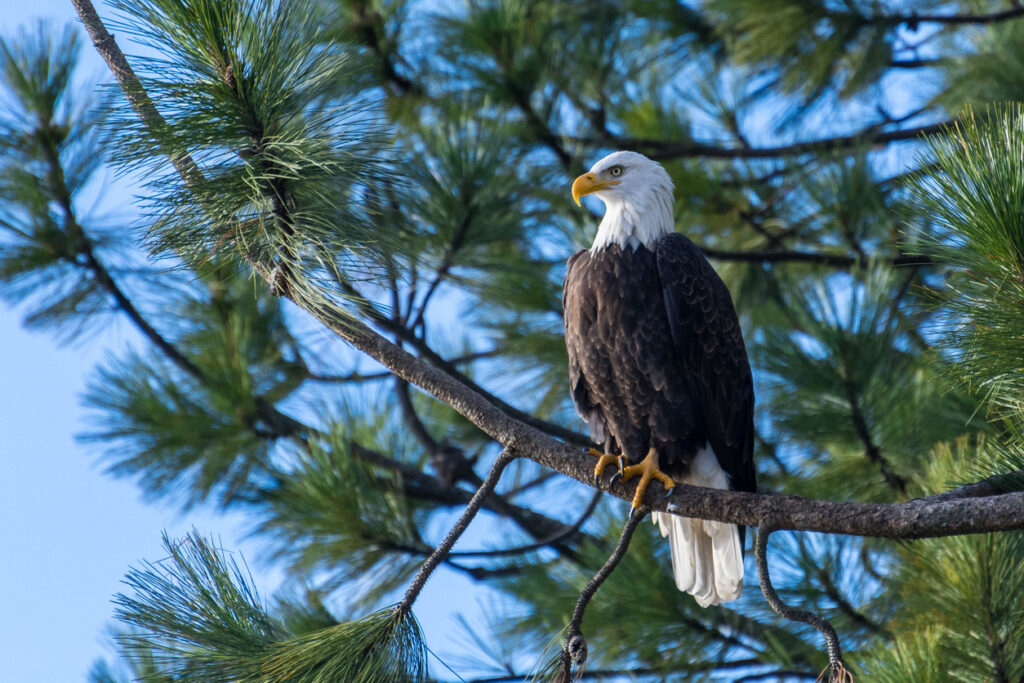
Scientists think these eagles are chasing massive food jackpots that only happen up north during summer. Spawning salmon, nesting waterfowl, and carcasses from large mammals are all way more abundant in northern territories when the weather’s warm.
Young eagles especially need these rich feeding grounds while they’re still figuring out how to hunt properly and need to pack on weight. The seasonal buffet available in the north during summer likely beats staying in Arizona where it’s baking hot and food gets harder to find. That said, actually proving this theory means more research tracking exactly what these eagles are scoffing during their northern holidays.
The eagles get better at their routes as they mature.
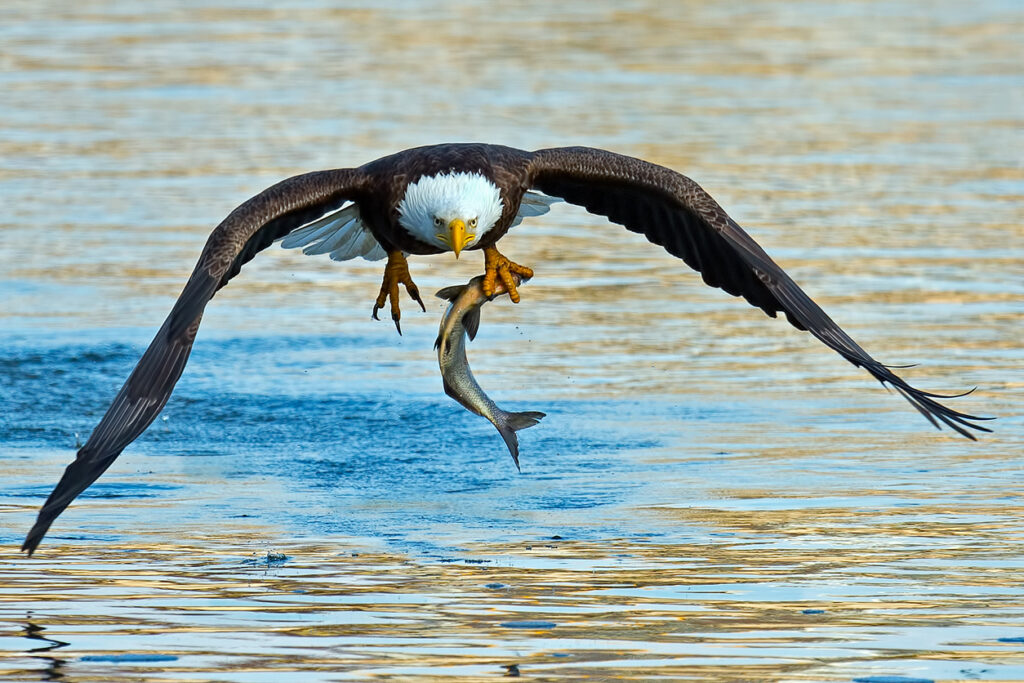
Researchers noticed that as eagles got older, their migration paths became sharper and more efficient. Most birds tracked for at least two years came back to Arizona in autumn after their first summer of wandering around up north. This suggests they’re learning as they go, gradually working out the best routes and refining their navigation skills through trial and error rather than just knowing instinctively where to fly.
They’re following two main migration corridors through the west.
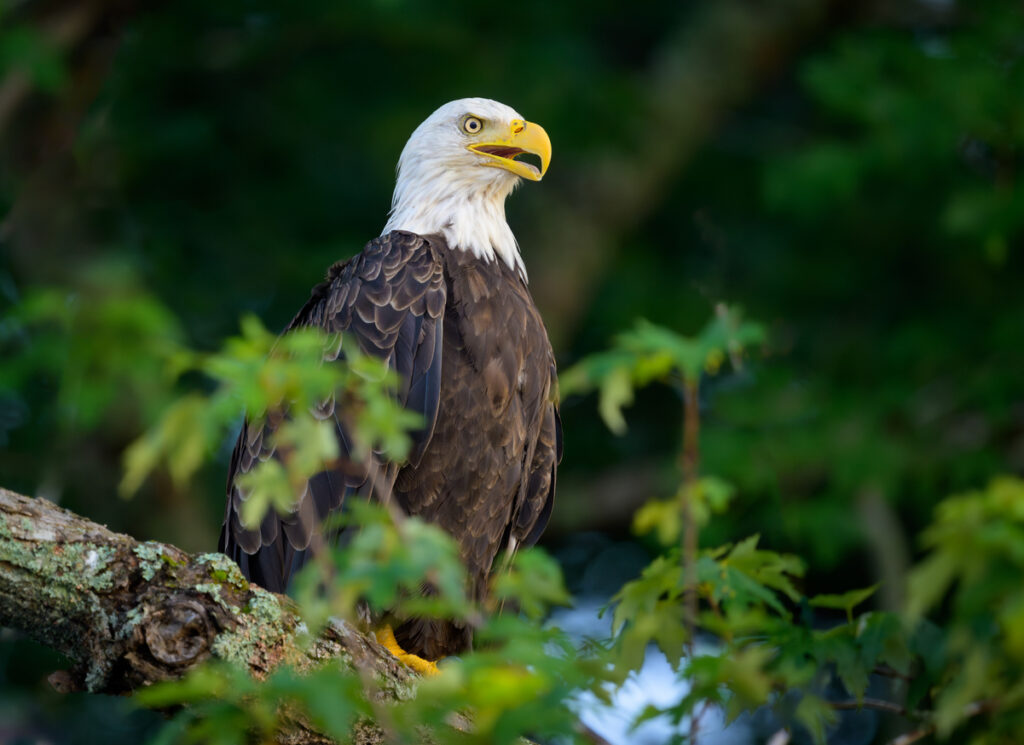
The eagles mostly stick to two routes heading north. One goes through western Utah, eastern Nevada, and western Idaho, while the other cuts through central Utah and eastern Idaho. These paths follow something called the Intermountain Flyway, which is basically a migratory motorway that stretches from Alaska down to Mexico, running between the Sierra Nevada and the Rockies.
Even non-breeding eagles follow the breeding season schedule.
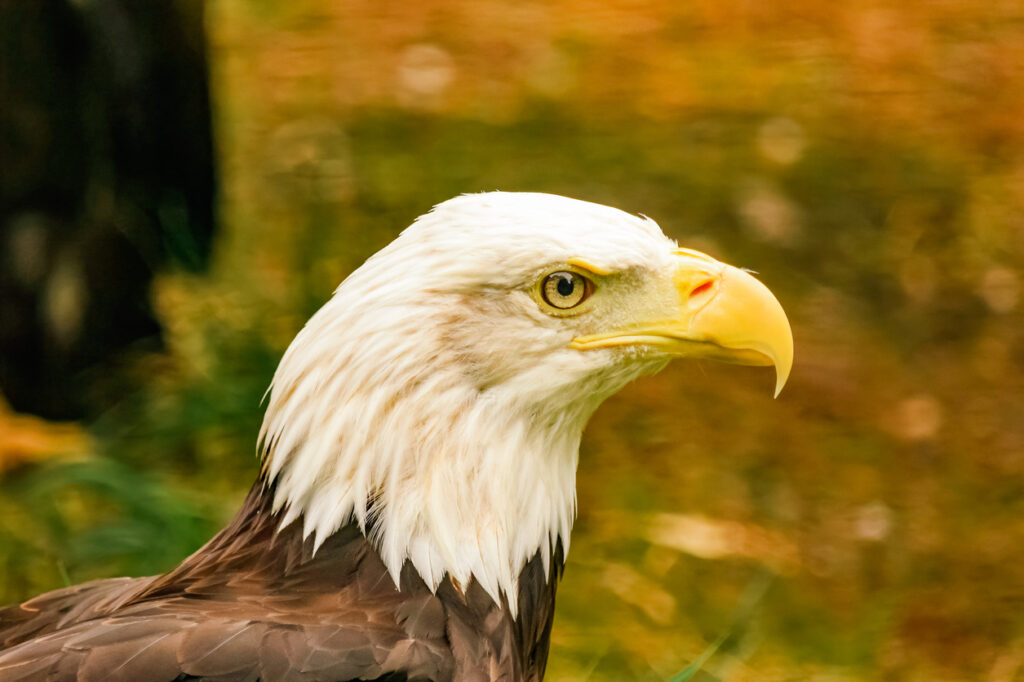
Here’s the weird bit: none of the tracked eagles were actually breeding, but they still migrated on the same timeline as the adults who were nesting. They flew south during breeding season even though they weren’t making nests themselves. This suggests the migration pattern is hardwired into Arizona eagles regardless of whether they’re actually having babies or not.
Their unusual timing might be shaped by historical pressures.
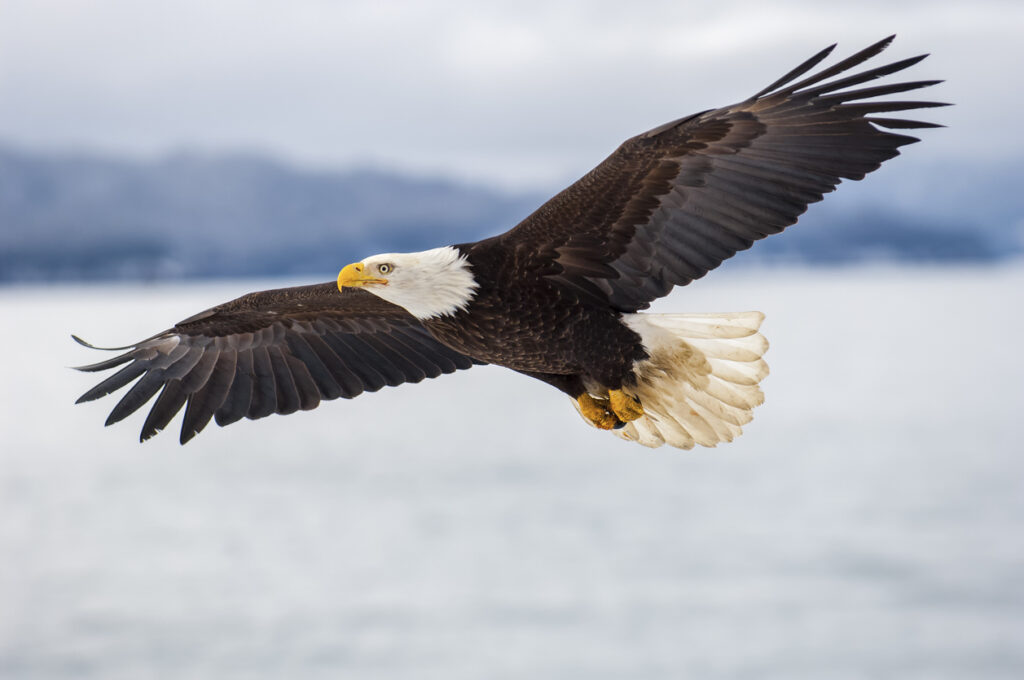
Lead researcher Dr. Caroline Cappello believes this northward migration raises fascinating questions about what environmental pressures shaped these bizarre movement patterns over time. The fact that Arizona eagles developed such a radically different approach from other eagle populations suggests something unique about the Southwest’s ecology forced them to evolve this strategy.
Whatever historical conditions created this pattern, they were strong enough to completely flip the migration schedule compared to eagles living elsewhere.
The backwards migration exposes them to serious dangers.
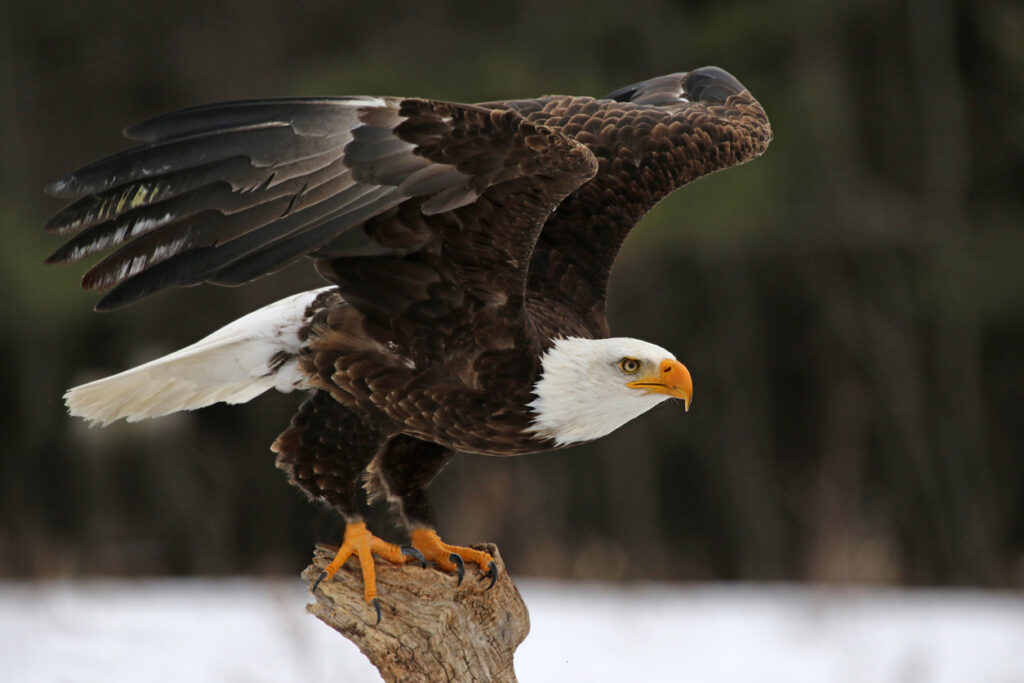
Eagles travelling these unusual routes face a gauntlet of human-made hazards. Power lines electrocute them, lead and rodenticides poison them, wind turbines smack into them, and habitat loss along migration corridors leaves them with fewer safe places to stop. Young eagles cop it worst because they’re still working out how to navigate these massive journeys and haven’t developed the street smarts to avoid dangerous infrastructure.
Conservation efforts desperately need to focus on protecting these specific travel routes if we want to keep these backwards-flying eagles alive during their risky journeys.