Most people stomp through the British woods completely oblivious to the fact they’re being watched by some of the most impressive birds in the country.
We tend to think our forests are just full of pigeons and the odd robin, but there’s a whole cast of characters that look like they belong in a rainforest rather than a damp woodland in Derbyshire. These birds are masters of staying out of sight, using the canopy as a high-security bunker to avoid the drama below. Whether it’s a tiny predator weighing less than a 20p piece or a bird with neon-green feathers, these 10 species are proof that the British countryside is far more exotic than it gets credit for.
1. The Eurasian treecreeper
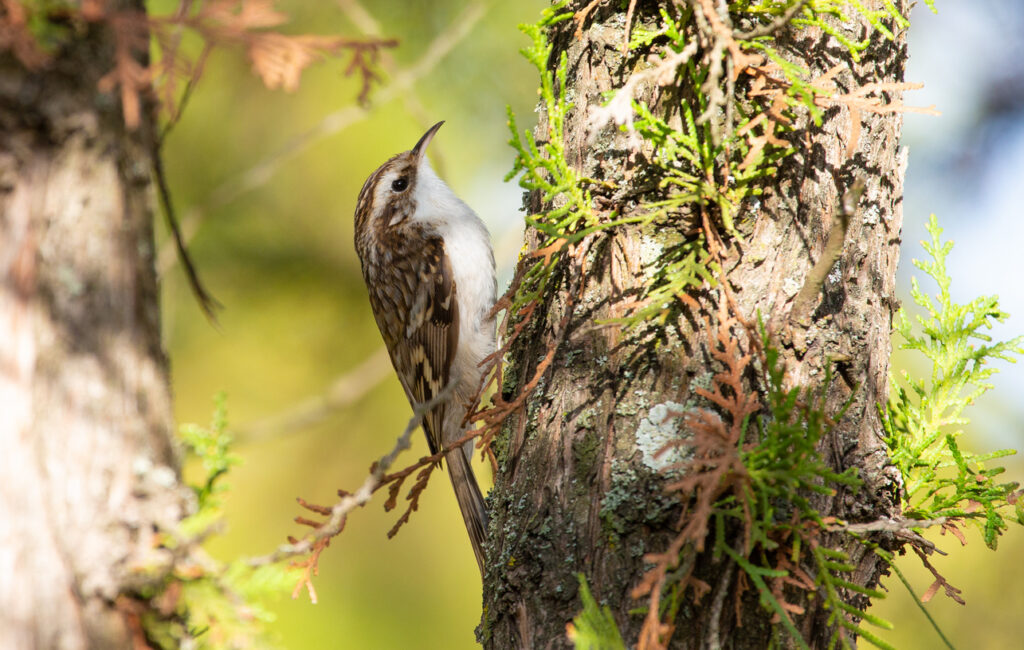
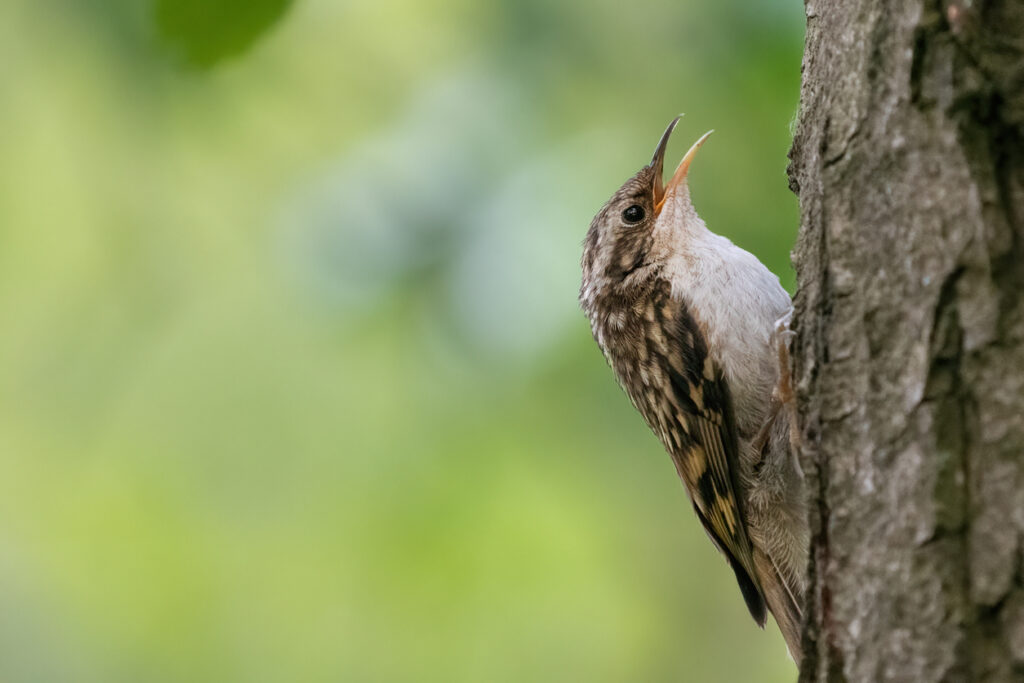
The treecreeper is one of the easiest birds to miss in a British woodland. Its mottled brown plumage mirrors tree bark so closely that it can vanish in plain sight. Instead of hopping along branches like most birds, it spirals up trunks in short bursts, pausing frequently as if frozen. Many people assume it’s an insect or a scrap of lichen moving in the breeze. Its quiet presence and habit of sticking close to bark make it almost invisible unless you’re specifically watching tree trunks rather than the canopy.
2. The hawfinch
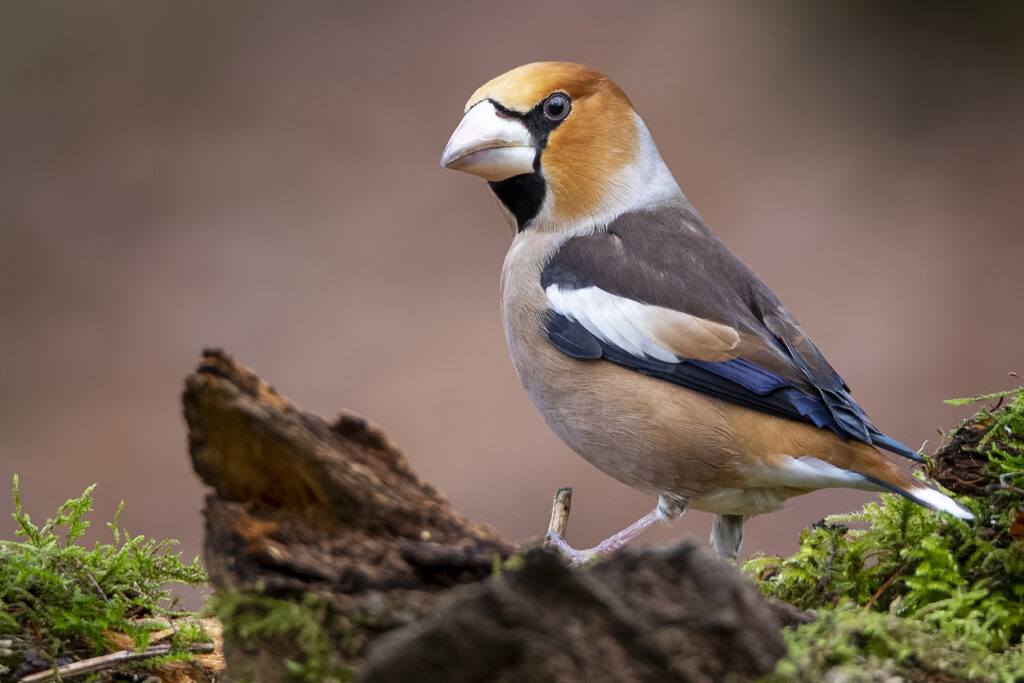
Hawfinches are large, powerful finches with thick bills built for cracking hard seeds, yet they manage to stay remarkably unobtrusive. Their colours are rich but muted, designed to disappear among branches rather than stand out. They spend much of their time high in the canopy, rarely calling and often staying still for long periods. Even in woodlands where they’re present, many walkers will never know they passed directly beneath one.
3. The lesser spotted woodpecker
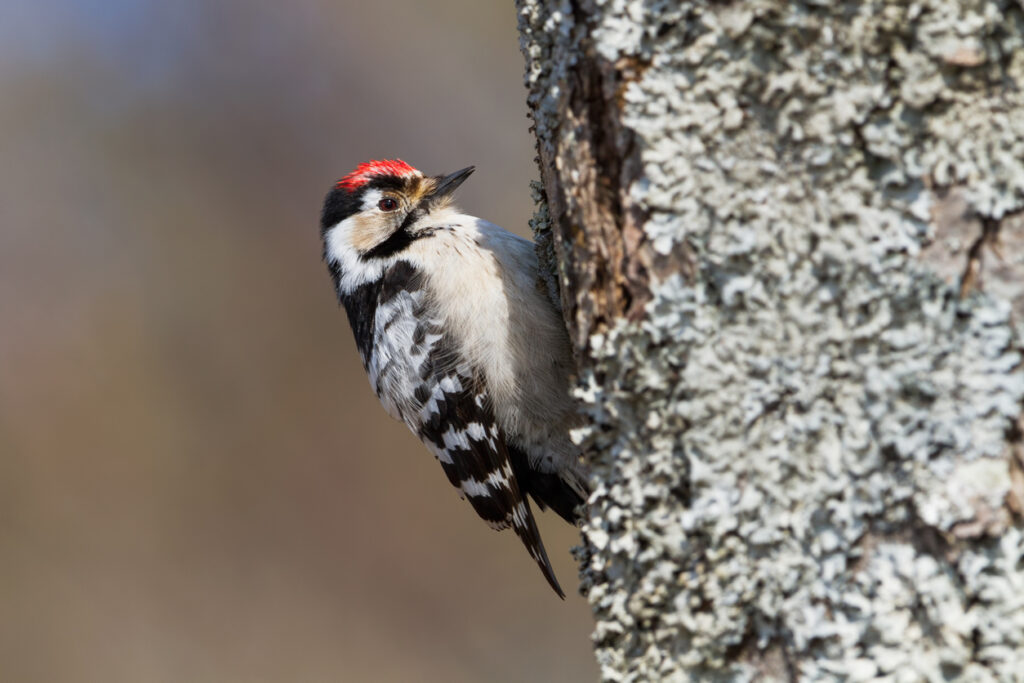
Smaller and quieter than its better-known relatives, the lesser spotted woodpecker is often overlooked entirely. Its drumming is softer and less rhythmic, easily lost among background woodland noise. Visually, it blends into pale bark and thin branches, spending more time foraging delicately than hammering loudly. Many sightings happen accidentally, when someone notices movement rather than sound.
4. The firecrest
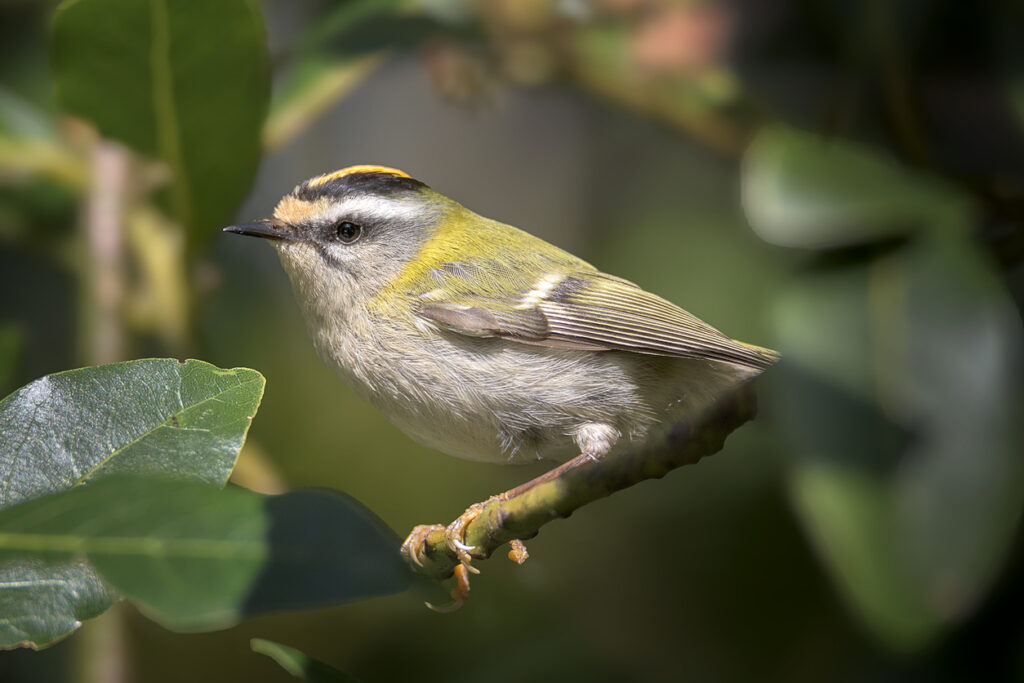
Firecrests are Britain’s smallest birds, and their size alone makes them easy to miss. Their striking head stripes are usually hidden as they flick rapidly through dense foliage. They move quickly and rarely stay still, darting through ivy, holly, and conifers. Most people hear a faint, high-pitched call without ever spotting the bird responsible.
5. The wood warbler
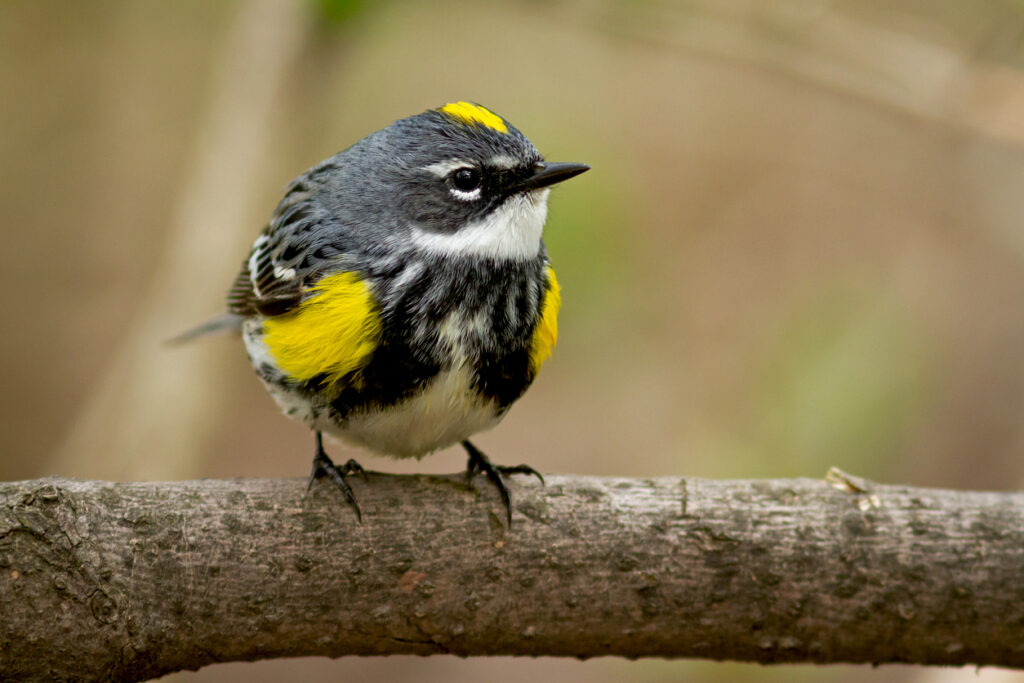
Wood warblers arrive quietly in spring and blend perfectly into sunlit woodland. Their greenish-yellow plumage mirrors fresh leaves, making them difficult to track once they stop moving. Their song, a spinning trill, can fill a forest without revealing its source. Many listeners assume the bird is high above, when it may be just a few metres away, hidden among saplings.
6. The marshtit
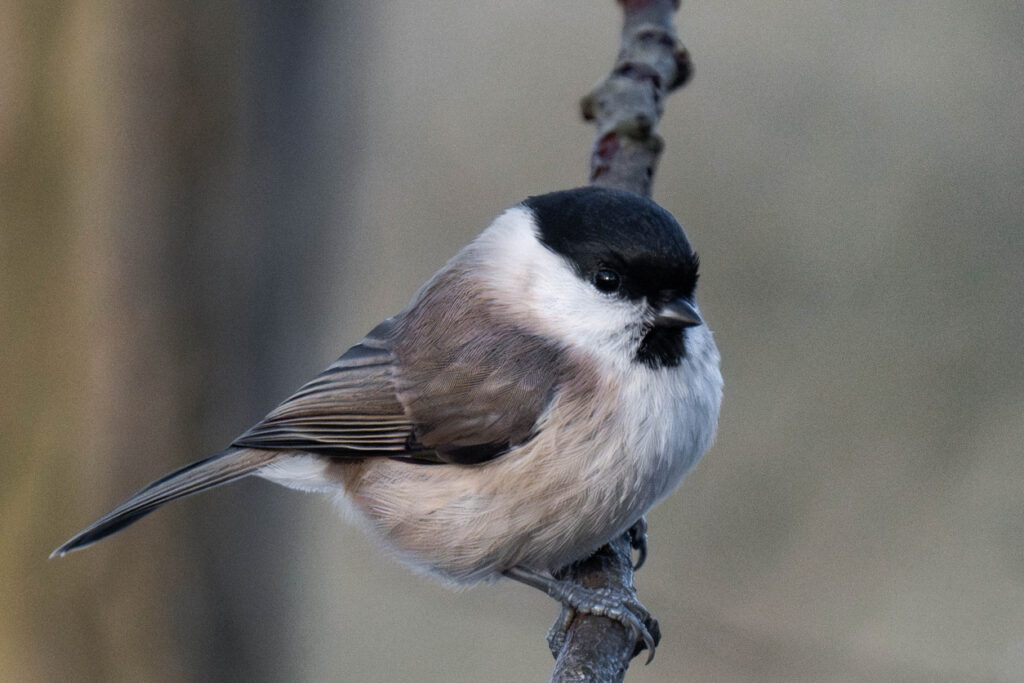
Despite the name, marshtits are woodland birds through and through. They look almost identical to other small tits, which causes them to be overlooked or misidentified. They’re subtle in behaviour too, rarely drawing attention to themselves. In mixed flocks, they’re often present but unnoticed, overshadowed by louder, bolder species.
7. The nightjar (in forest clearings)
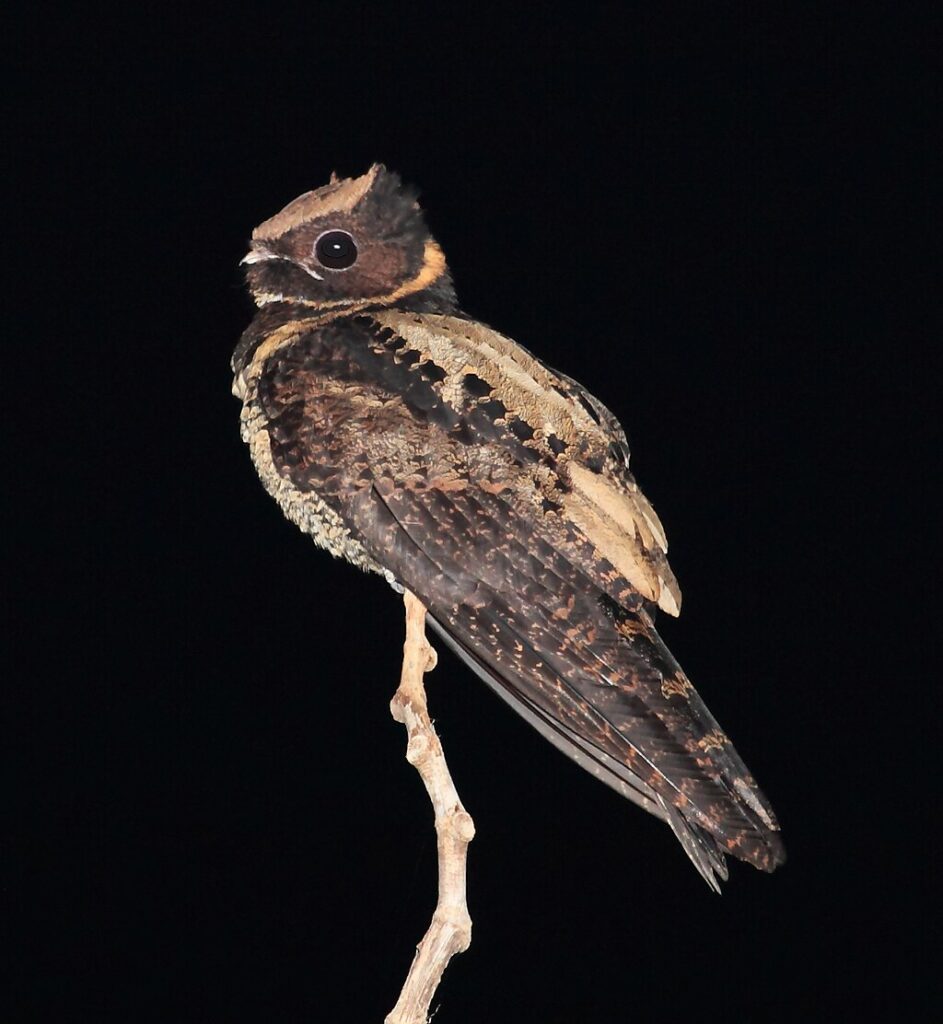
Nightjars don’t live deep inside dense woodland, but forest clearings and edges are crucial to them. Their camouflage is so precise that they resemble leaf litter or broken branches when resting. Most people hear their distinctive churring call at dusk without ever seeing the bird. Even when one flushes from the ground, it often vanishes again instantly.
8. The spotted flycatcher
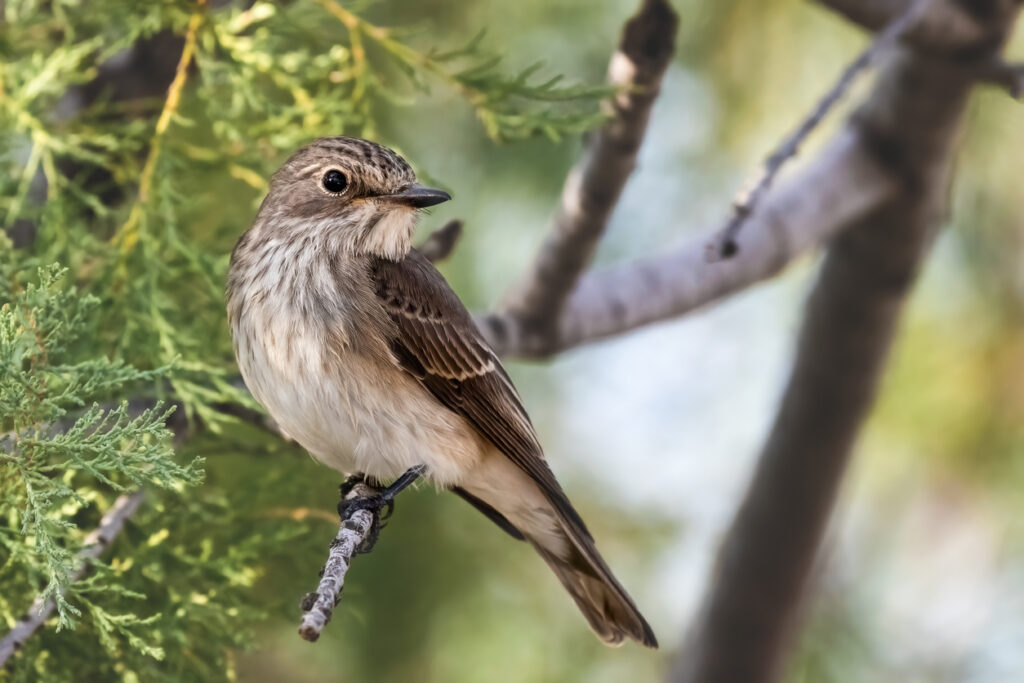
Spotted flycatchers are plain, quiet birds that perch patiently, waiting for insects. Their muted colouring makes them blend seamlessly into branches and fence lines. They’re easy to ignore because they don’t move much until they suddenly dart out, snatch an insect midair, and return to the same perch. Blink, and you miss the action entirely.
9. The nuthatch
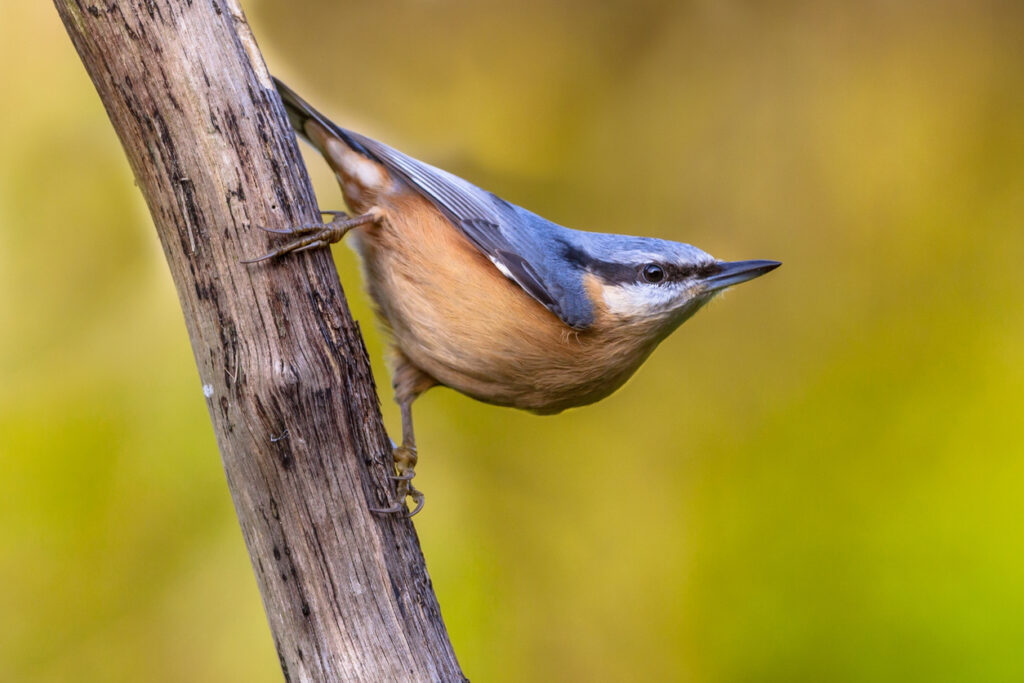
Nuthatches are more common than people realise, but their habit of moving headfirst down tree trunks confuses casual observers. Their colouring merges with bark and shadow. They often freeze when spotted, relying on stillness rather than flight to avoid detection. Many people hear their sharp calls long before they ever connect them to the bird itself.
10. The crossbill (in conifer woodland)
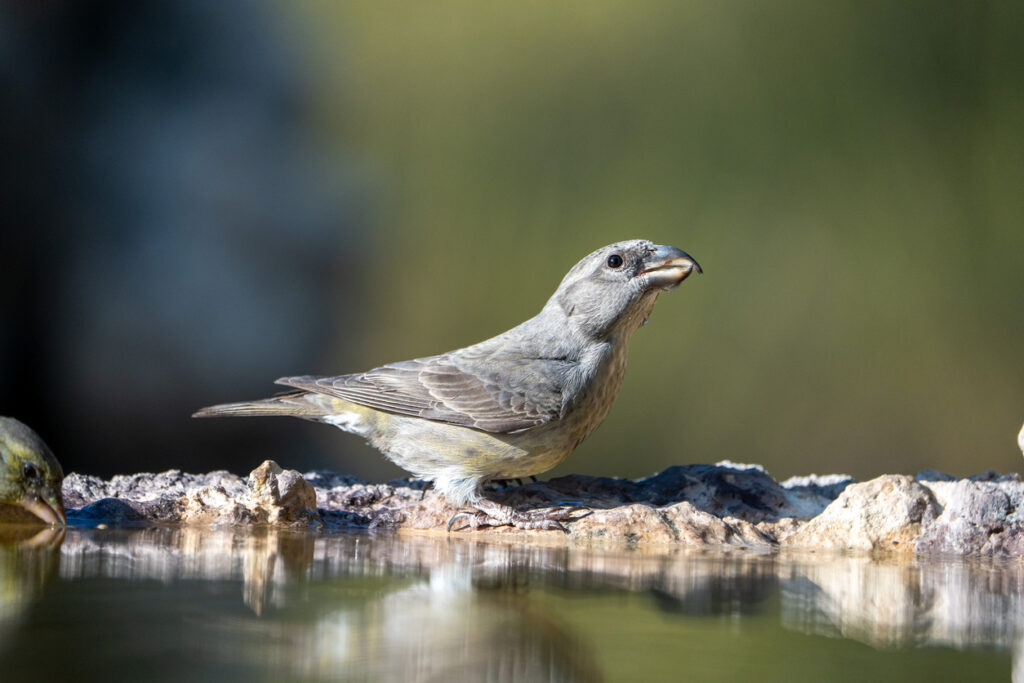
Crossbills specialise in extracting seeds from pine cones, and their unusual crossed bills are rarely noticed because the birds stay high in conifers. Their calls blend into wind and forest noise, and their movement among dense needles makes them difficult to follow visually. Even bright plumage disappears against layered green when viewed from below.