Australia is home to a collection of creatures that look like they were put together by a committee that had never seen an animal before.

It’s an island full of evolutionary oddities that have spent millions of years doing their own thing, resulting in a line-up that ranges from the incredibly cute to the properly terrifying. While the rest of the world might just think of kangaroos and the odd giant spider, the reality is a lot more varied and weirdly specific.
These animals aren’t just there for the tourists to gawk at; they’re the literal backbone of the continent’s ecosystems, doing everything from fertilising the soil to keeping the insect population from taking over the world. Whether it ‘s a bird that can mimic a chainsaw or a mammal that lays eggs, these 15 animals are the ones that define the wild, chaotic spirit of the bush.
1. Kangaroo

Kangaroos are often treated as background scenery in Australia, but they’re highly specialised animals adapted for efficiency in extreme conditions. Their hopping isn’t random or clumsy. It’s one of the most energy-efficient ways of moving long distances across open land, allowing them to conserve energy and water. Socially, kangaroos are more complex than they appear. They live in loose groups that shift constantly, with subtle hierarchies and communication signals that help avoid conflict. Their calm appearance often hides a high level of environmental awareness.
2. Koala
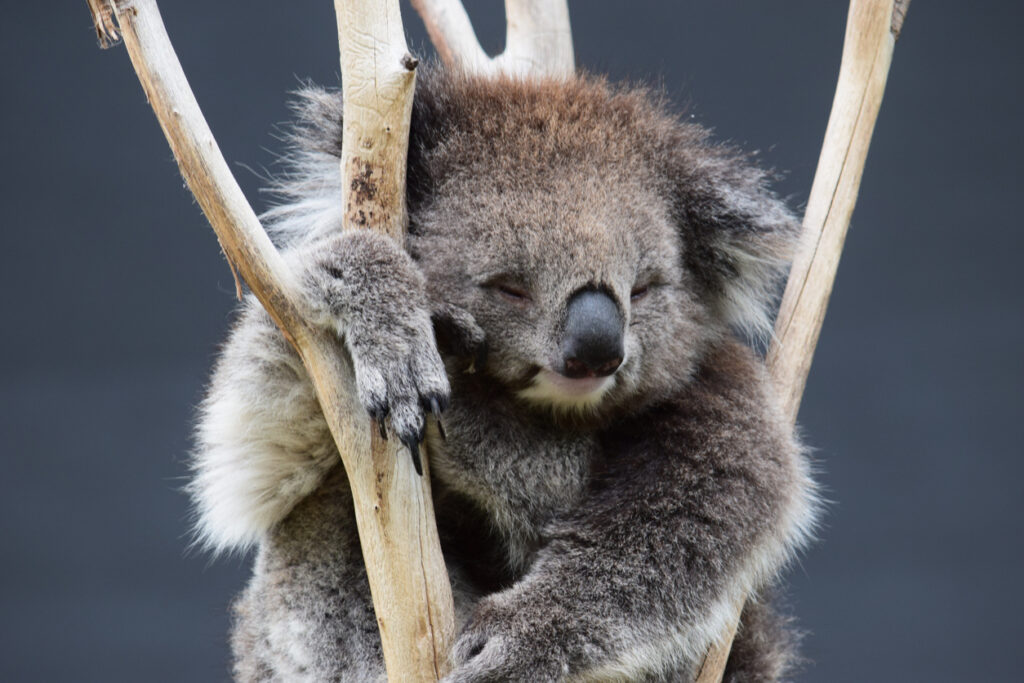
Koalas are frequently mistaken for bears, but they’re marsupials with extremely specialised biology. Their entire lifestyle revolves around eucalyptus leaves, which are toxic and low in nutrition for most animals. Because digesting eucalyptus is so demanding, koalas sleep for long periods to conserve energy. This isn’t laziness. It’s survival. Their slow movement and quiet presence make them easy to miss despite their popularity.
3. Wombat
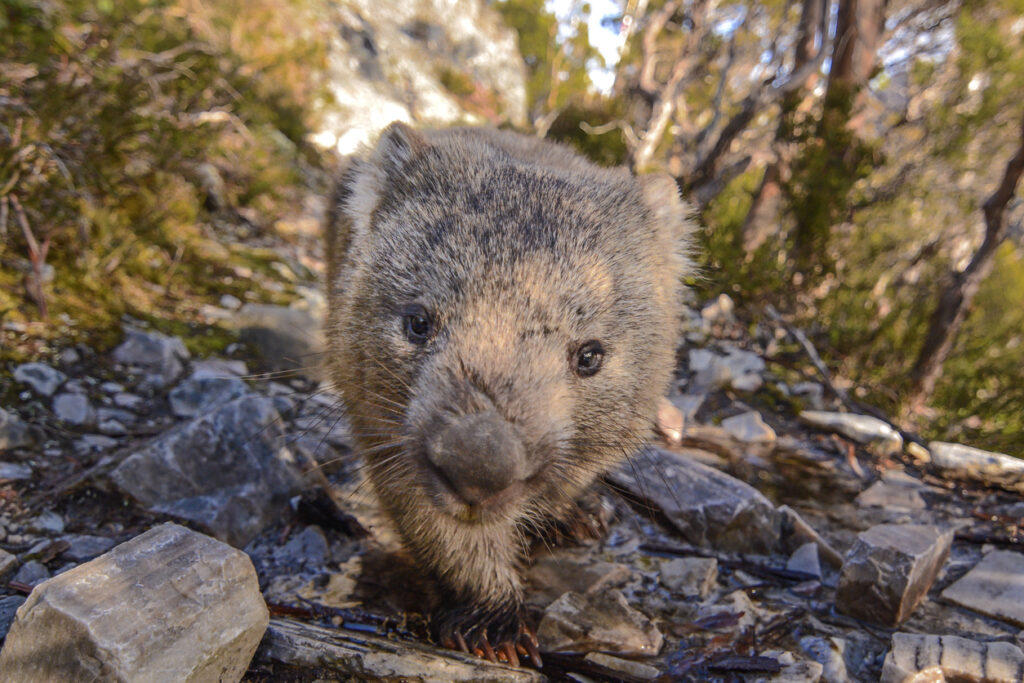
Wombats look harmless, but they’re incredibly strong, stubborn animals built for digging. Their burrows can stretch for tens of metres underground and provide shelter not just for wombats, but sometimes for other species as well. They’re also famous for their cube-shaped droppings, which stop waste from rolling away on uneven ground. It’s a strange detail, but it highlights how finely tuned Australian animals often are to their environments.
4. Platypus
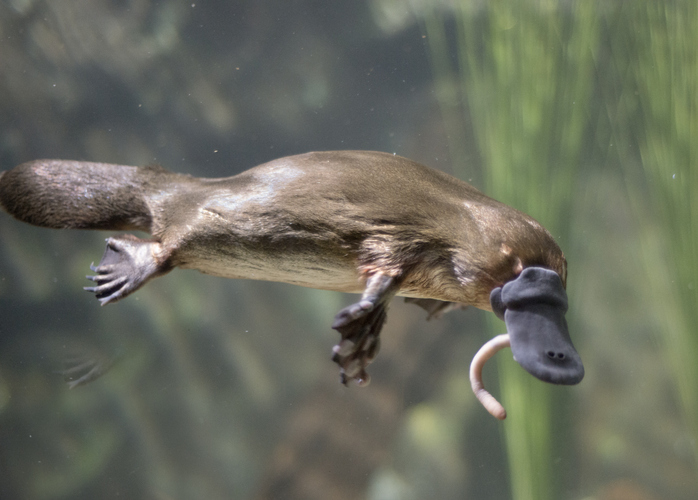
The platypus looks like it was assembled from spare parts, but it’s one of the most unusual mammals on Earth. It lays eggs, produces milk, and uses electroreception to hunt underwater with its eyes closed. Despite being iconic, platypuses are rarely seen. They’re shy, mostly nocturnal, and extremely sensitive to changes in water quality. Their presence is often a quiet indicator of healthy river systems.
5. Tasmanian devil
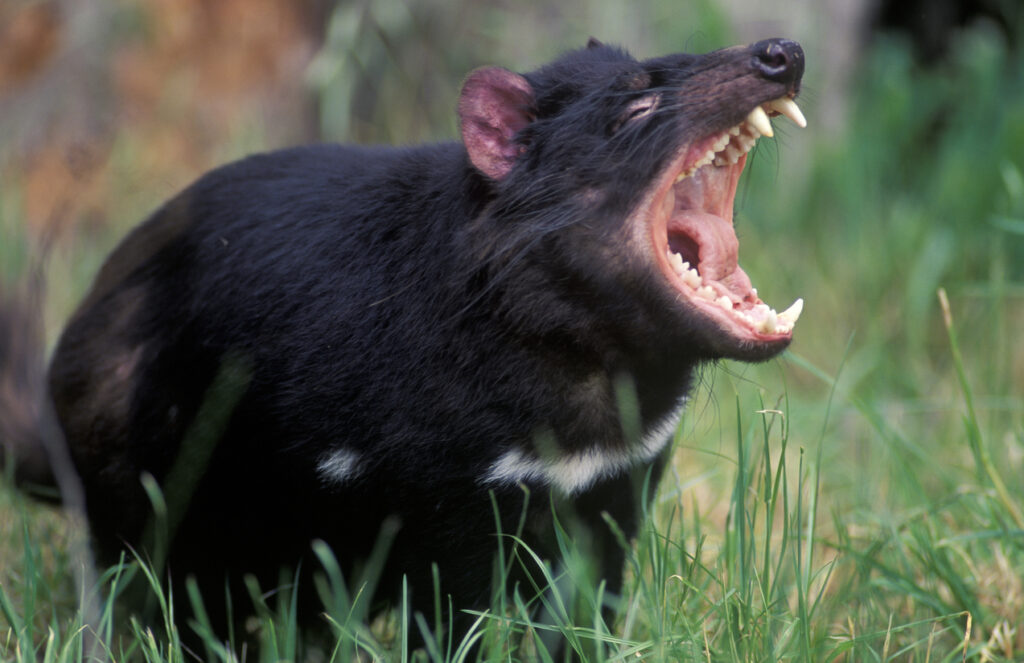
Tasmanian devils are stocky scavengers with powerful jaws capable of crushing bone. Their loud, eerie calls have given them a fearsome reputation, but they play a crucial ecological role. By cleaning up carcasses, devils help limit disease spread. Their populations have been devastated by a contagious facial cancer, making them one of Australia’s most urgent conservation priorities.
6. Dingo
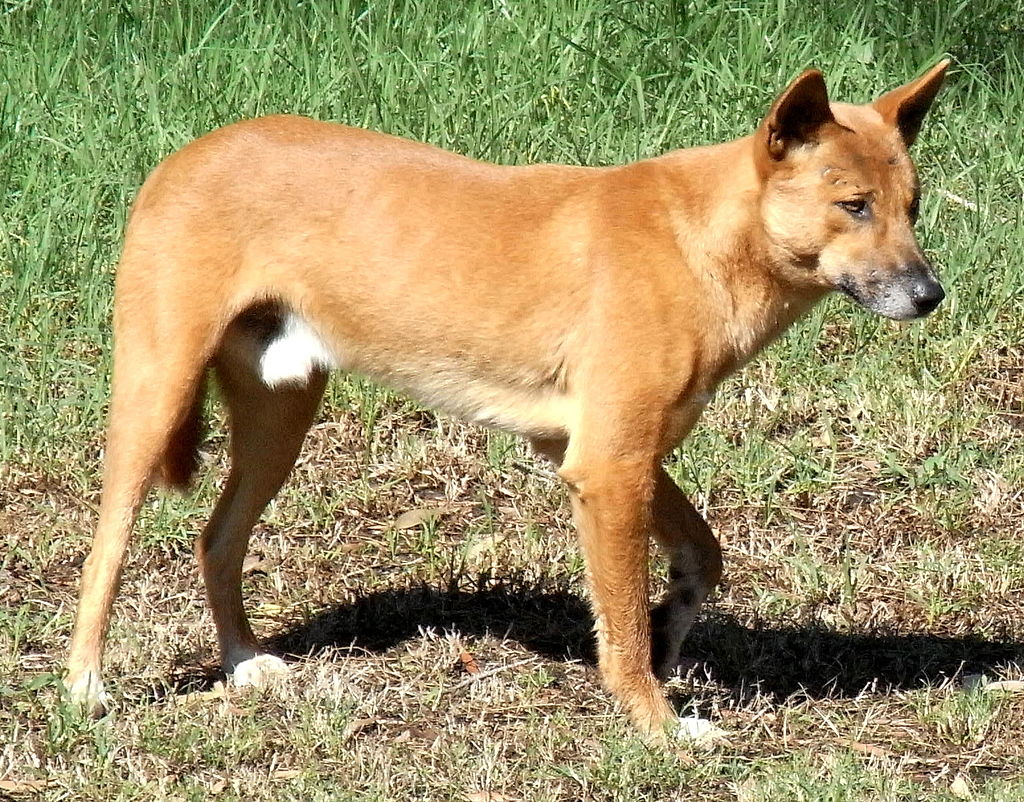
Dingoes are Australia’s largest land predators and have shaped ecosystems for thousands of years. They regulate populations of kangaroos and invasive species, influencing vegetation and biodiversity. Their relationship with humans is complicated. Seen as pests by some and keystone predators by others, dingoes sit at the centre of ongoing ecological debate across the country.
7. Emu

Emus are massive, flightless birds capable of covering huge distances across harsh terrain. Their long legs and steady pace allow them to migrate in response to rainfall rather than fixed seasons. They’re also surprisingly resilient. Emus can survive extreme heat and scarce water, making them symbols of Australia’s unpredictable interior landscapes.
8. Cassowary
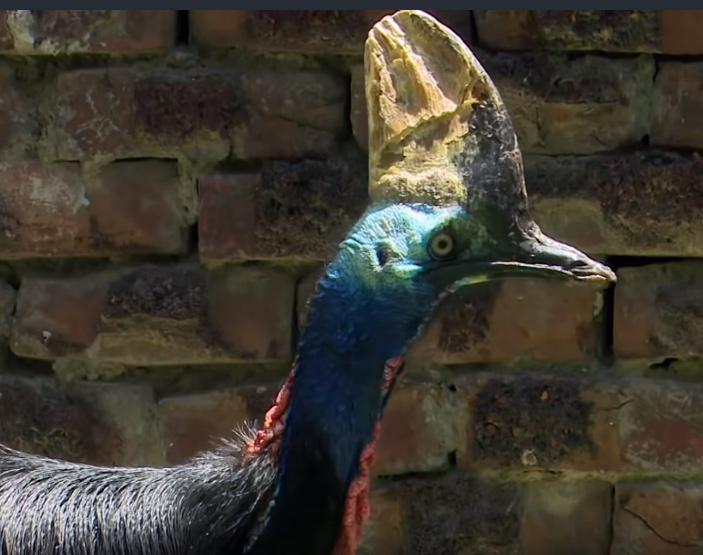
Cassowaries are among the most dangerous birds in the world, equipped with dagger-like claws. Despite their intimidating reputation, they’re shy rainforest dwellers that avoid humans whenever possible. They play a vital role as seed dispersers in tropical forests. Many large rainforest plants rely almost entirely on cassowaries to spread their seeds, making them essential to ecosystem health.
9. Quokka
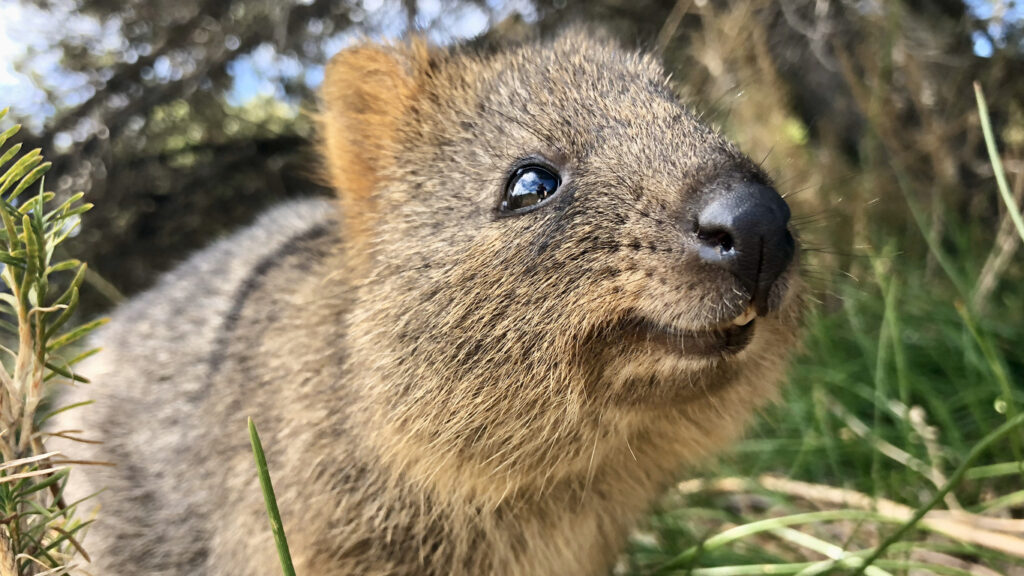
Quokkas gained international fame for their seemingly smiling faces, but they’re not posing for photos. Their facial structure simply creates that impression. They’re small wallabies adapted to island life, particularly on Rottnest Island. Their friendliness is often overstated, and human interaction can be harmful if it leads to feeding or stress.
10. Saltwater crocodile
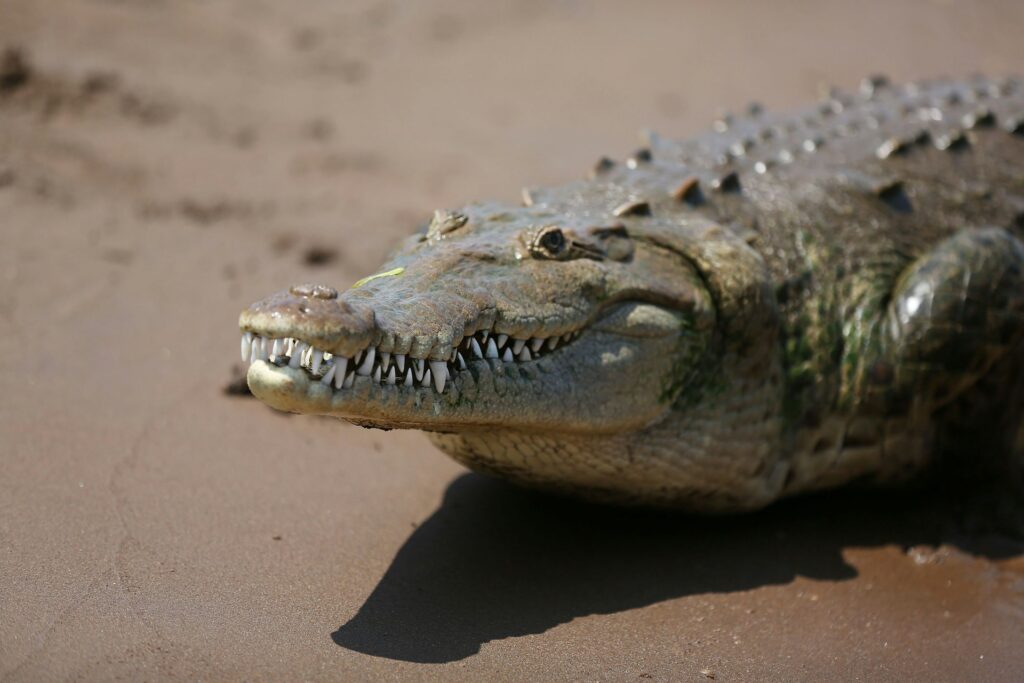
Saltwater crocodiles are the largest living reptiles on Earth and apex predators in northern Australia. They’ve remained largely unchanged for millions of years. Highly intelligent and territorial, they navigate rivers and coastlines with precision. Encounters are rare but serious, and respect for their space is essential in crocodile country.
11. Funnel-web spider
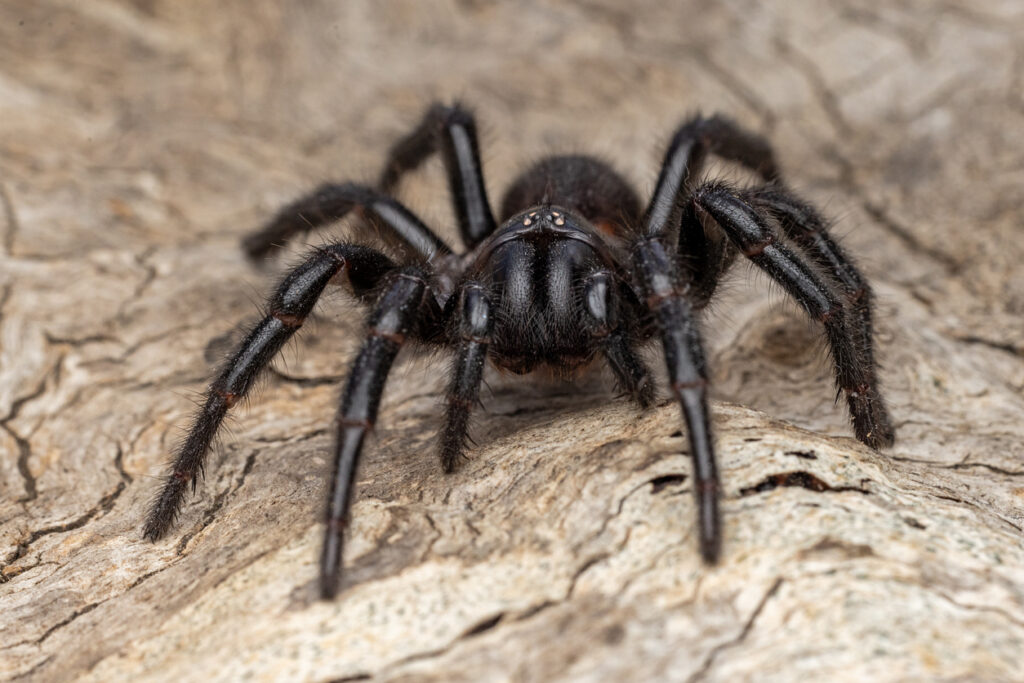
The funnel-web spider is one of Australia’s most feared animals due to its potent venom. Despite this reputation, fatalities are extremely rare thanks to effective antivenom. These spiders prefer cool, damp environments and are more defensive than aggressive. Understanding their behaviour reduces risk far more than fear ever could.
12. Blue-ringed octopus
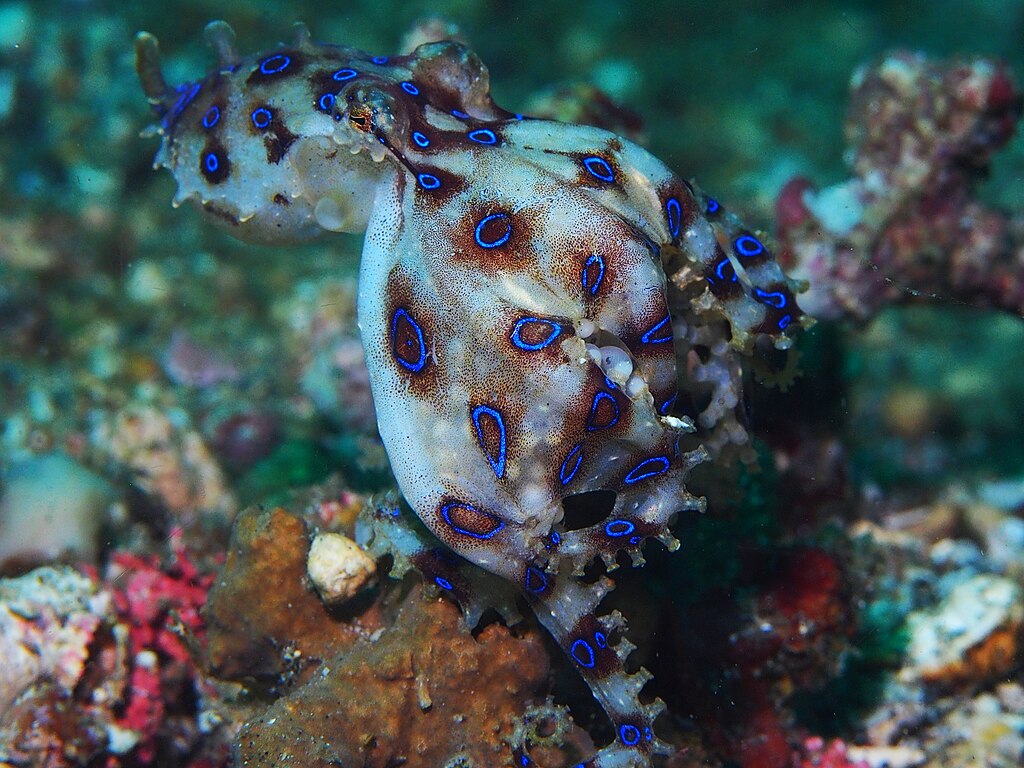
Small and visually striking, the blue-ringed octopus carries venom powerful enough to kill humans. The bright blue rings are a warning, not decoration. They’re not aggressive and only bite when threatened. Their presence highlights how Australia’s most dangerous animals are often small, quiet, and easily overlooked.
13. Thorny devil

The thorny devil is a desert lizard covered in spikes that channel water toward its mouth through tiny grooves in its skin. This allows it to survive in some of the driest environments on Earth. Its intimidating appearance hides a gentle nature. Thorny devils feed almost exclusively on ants and rely on camouflage rather than aggression.
14. Great white shark

Great white sharks patrol Australian waters as apex predators that help maintain balance in marine ecosystems. Their reputation is shaped more by media than reality. They’re curious rather than bloodthirsty, and most encounters end without incident. Understanding their behaviour has helped reduce fear and improve coexistence.
15. Lyrebird
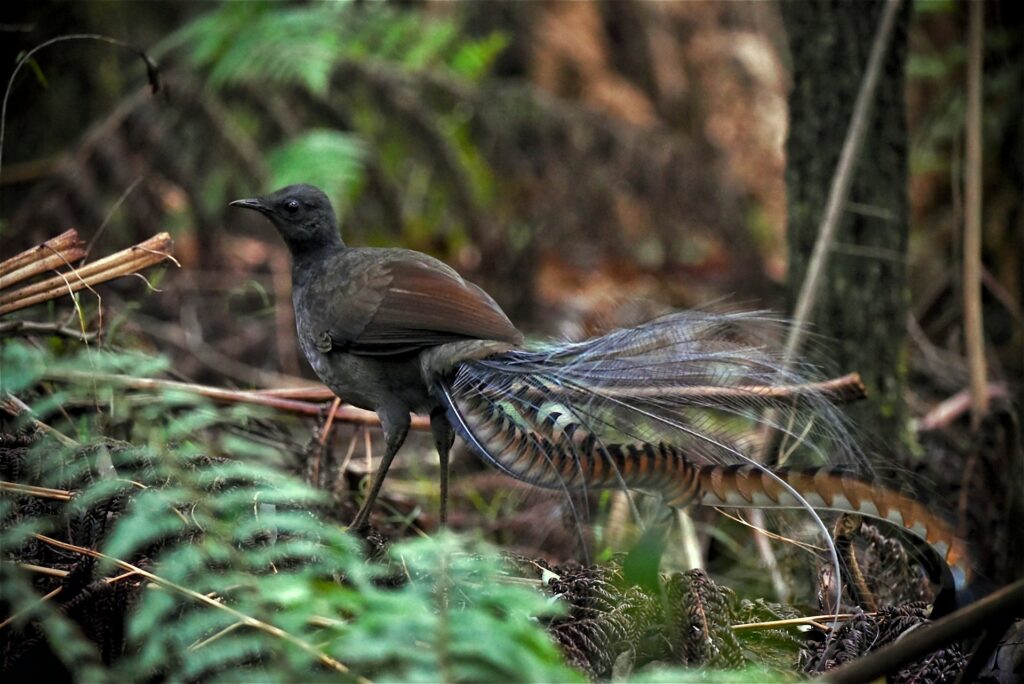
Lyrebirds are master mimics capable of copying chainsaws, camera shutters, car alarms, and other bird calls with startling accuracy. This ability plays a role in mate attraction and territory defence. They spend most of their time scratching through leaf litter, reshaping the forest floor. In doing so, they influence soil health, seed movement, and insect populations.