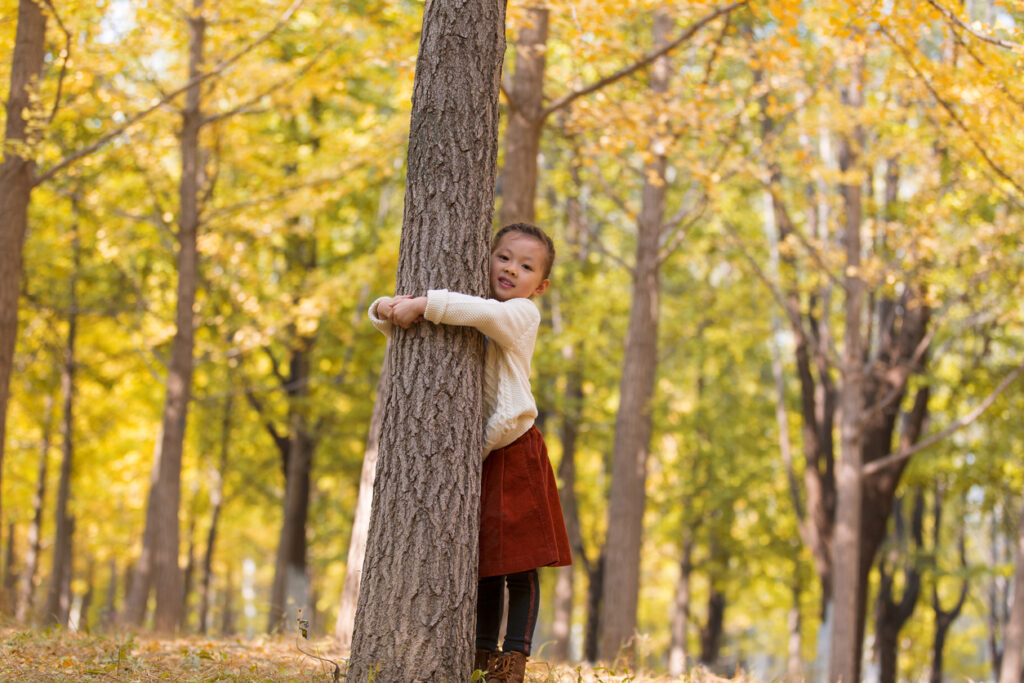
While it might look like just another bizarre social media trend, the sudden craze for tree-hugging in China is actually a response to the crushing weight of modern city life. Millions of young people are finding themselves stuck in a cycle of relentless work culture, and they’ve reached a point where traditional ways of blowing off steam just aren’t cutting it anymore. It is a movement born out of a genuine need to reconnect with something physical and slow-moving in a world that feels increasingly digital and frantic.
Instead of heading to a loud bar or spending more time on their phones, they’re heading to the nearest park for a bit of silent, unconventional relief. It is being treated as a sort of budget-friendly therapy, providing a way to regulate the nervous system without having to say a single word or book an appointment. For a generation that feels increasingly burnt out by the endless pressure to perform, this simple act is a way to find a bit of grounding in a very literal sense.
It’s a physical way to release stress without needing words.
A lot of young people in China are dealing with constant pressure from work, study, and family expectations, often without much space to talk about it openly. Hugging a tree gives them a physical outlet for stress that doesn’t require explaining anything to anyone.
The body gets involved in a way that thinking or scrolling doesn’t allow. Feeling something solid and unmoving helps calm the nervous system, especially for people who feel mentally stretched all the time. It’s simple, quiet, and doesn’t ask for emotional performance.
@vicenews To be clear, tree-hugging as a form of stress-relief isnt a new phenomenon. There are even studies that show the restorative aspects of interacting with nature in providing improved mental health and physical benefits. #treehugger #stressrelief #genz #mentalhealth #introvert #selfcare #naturelover #healthyliving ♬ original sound – VICE News
It grew out of pandemic isolation and never fully went away.
During lockdowns, physical contact with other people became limited or disappeared altogether. For some young people, nature became the safest and most available source of comfort. What started as a coping mechanism during isolation stuck around because it worked. Even after restrictions lifted, many realised they felt calmer and more grounded afterwards, so the habit stayed rather than fading out.
It offers comfort without social pressure.
Human interaction can be emotionally demanding, especially when you’re already tired or overwhelmed. Hugging a tree comes without expectations, judgement, or conversation. You don’t have to be upbeat, productive, or interesting. For people who feel constantly evaluated, that absence of pressure can feel genuinely relieving.
It reflects exhaustion with hyper-competitive culture.
Many young people in China feel caught in intense competition around work, success, and financial stability. There’s a growing sense that life has become a treadmill that never slows down. Tree hugging is a small, symbolic refusal to rush. It’s a moment of stillness in a culture that often rewards constant motion, even when that motion leads straight to burnout.
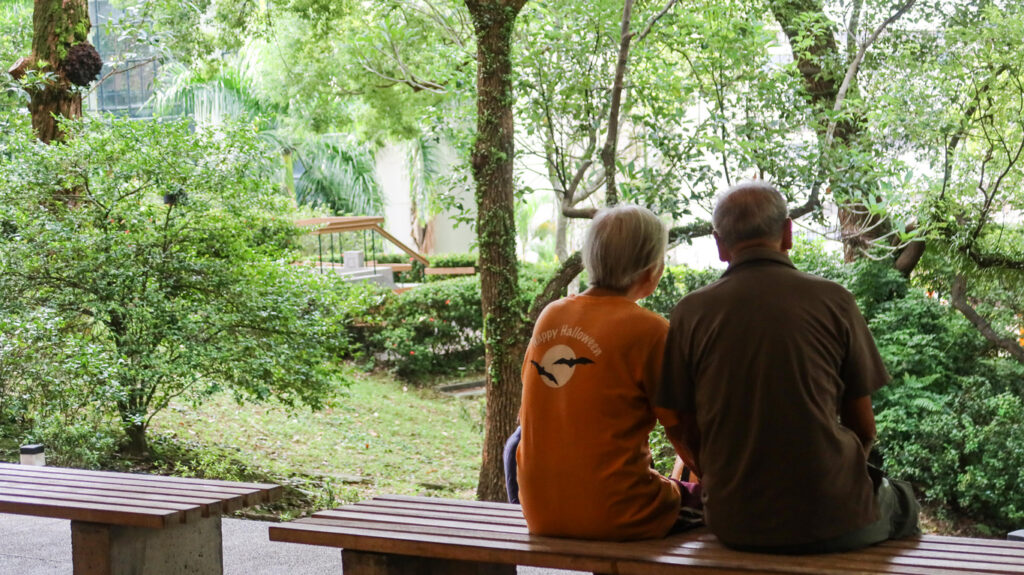
It’s a form of grounding in dense urban environments.
Large Chinese cities are fast, crowded, and noisy. Even with green spaces, daily life often feels artificial and overstimulating. Touching something living, old, and rooted in place helps people reconnect with the physical world. It reminds them they exist outside screens, schedules, and expectations, even if only briefly.
It’s influenced by online sharing rather than organised movements.
This trend didn’t come from institutions or wellness programmes. It spread through social platforms where young people shared personal experiences rather than instructions. Seeing other people admit they felt calmer or less overwhelmed made it feel acceptable to try. It’s less about following a trend and more about permission to do something that feels oddly soothing.
It appeals to people who struggle to rest properly.
Many young adults don’t know how to rest without guilt. Even downtime gets filled with productivity or self-improvement. Standing still and hugging a tree doesn’t look productive, which is exactly the point. It creates a pause that can’t easily be turned into output or achievement.
@nihaolucylv Trees are free and doesn’t ask for bulk bill! Would you try it? #fyp #foryou #china #chinatiktok #chinese #trend #tree #mentalhealth #healing ♬ original sound – Lucy Lv
It provides a sense of connection without vulnerability.
Opening up emotionally can feel risky, especially in cultures where emotional restraint is common. Tree hugging allows for connection without exposure. You can feel supported without being seen. For people who struggle with emotional expression, that can feel safer than talking things through.
It reflects a wider interest in nature-based coping.
Younger generations in China are increasingly drawn to hiking, camping, and slower outdoor activities. Tree hugging fits into this wider shift toward nature as emotional refuge. It’s less about belief systems and more about experience. If something helps people feel steadier, they’re willing to try it, even if it looks unconventional.
It’s a subtle sign of unmet emotional needs.
At its core, the trend points to a lack of spaces where young people feel truly supported. Hugging a tree isn’t the solution to that, but it is a symptom. When people turn to nature for comfort, it often means they’re craving calm, safety, and grounding that daily life isn’t providing. What looks strange on the surface is really a gentle response to a heavy emotional load. From the outside, it’s easy to laugh at or misunderstand. From the inside, it’s just people trying to steady themselves in a world that doesn’t slow down very often.