Most people walk through forests as if sound is nothing more than background decoration.

Birds, wind, leaves, and distant movement all blur together into a single wash of nature noise that we barely register. However, truly listening to a forest doesn’t require having sharper hearing or being some kind of woodland expert; it’s about letting the environment organise your attention instead of dragging your own cluttered thoughts along with you. It’s a way of recalibrating your entire nervous system by tuning into a frequency that has nothing to do with pings, alerts, or human chatter. Here’s how to do it, and how it might change you for the better.
Stop treating silence as the absence of sound.
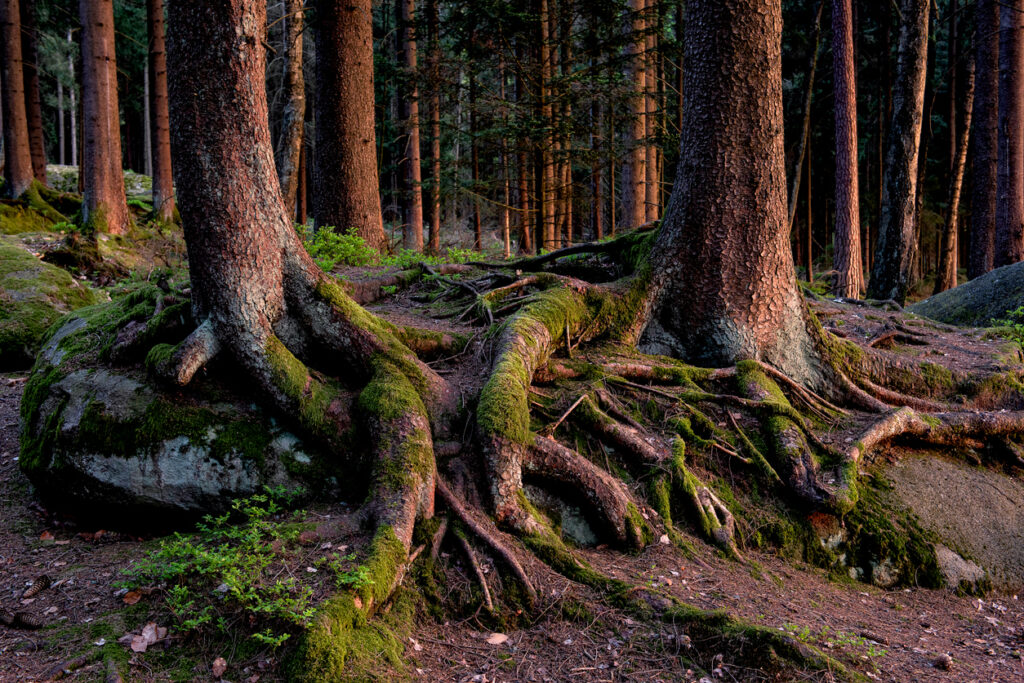
Forests are rarely actually quiet, but many people go into the woods expecting total silence and then mentally tune out when they don’t find it. This creates a subtle bit of resistance, as if the woods are failing to meet your expectations. Real listening begins when you stop waiting for quiet and start noticing the layers that are already there. Silence in a forest isn’t emptiness; it’s the space between overlapping sounds like wind through branches or insects near the ground. Recognising that gap changes how your attention settles.
Let your hearing widen instead of focusing sharply.
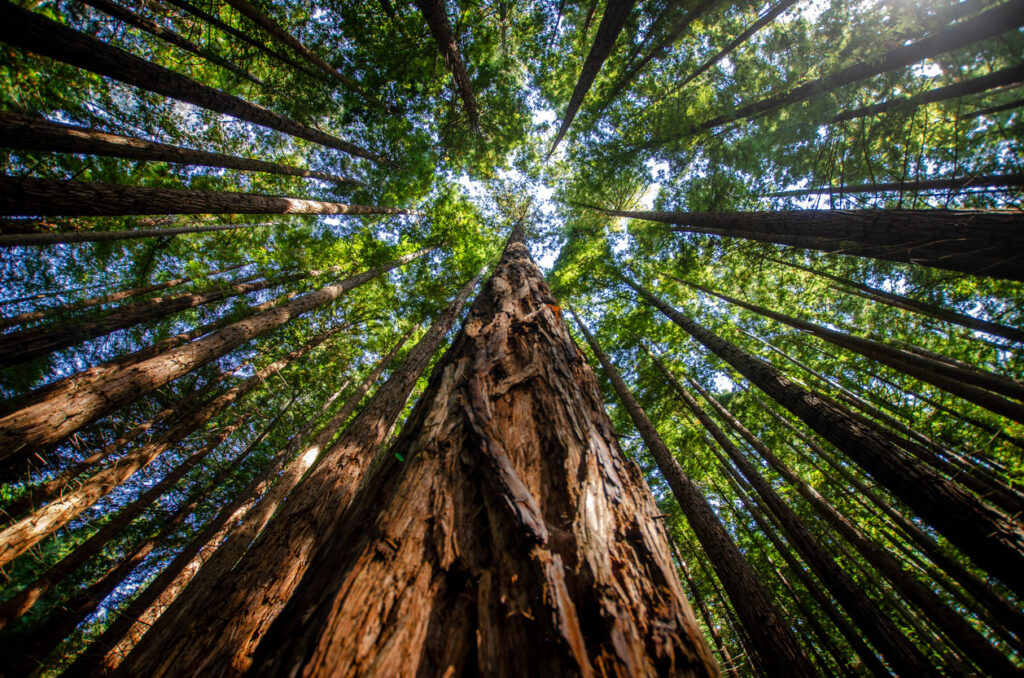
People often listen the way they read, narrowing their attention onto one thing at a time. In a forest, that approach means you miss most of what’s actually happening. You catch one bird or one rustle and then move on. Wider listening means allowing multiple sounds to exist at once without needing to name them. You shouldn’t be trying to identify species or sources; you’re just noticing the texture, rhythm, and distance of everything around you. This broader awareness mirrors how animals listen, and it naturally slows your mind down.
Notice how sound moves through space.

Sound in a forest behaves differently than it does in a city. It bends, muffles, and fades unpredictably depending on the trees, the ground cover, and the terrain. Listening to the movement rather than just the volume reveals how deep the woods actually are. A bird that’s close-by sounds different from one 50 yards away, even if they’re calling at the same time. The forest is constantly communicating spatial information if you stop treating it like a flat recording and start hearing it in three dimensions.
Pay attention to sudden changes rather than constant noise.
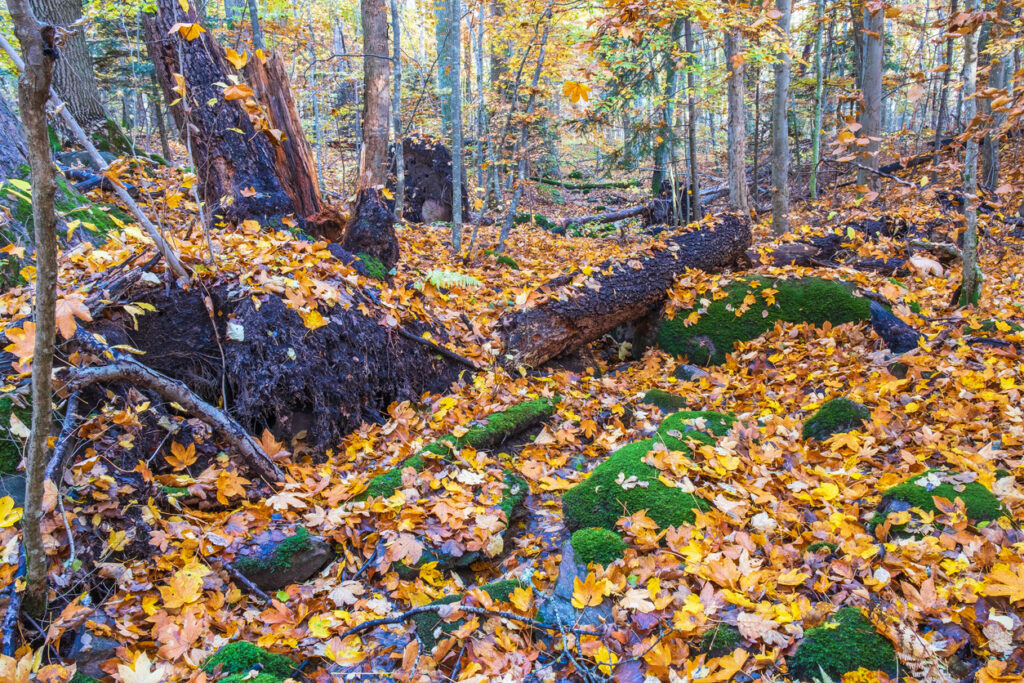
Most of the time, the most important thing isn’t the continuous noise, but the stuff that suddenly changes. Maybe a bird call stops abruptly, the insects go quiet, or there’s a rustle that doesn’t quite match the rhythm of the wind. These changes are meaningful because forests operate through patterns, and any disruption usually signals movement or a presence. Humans evolved to notice these changes long before we had language to explain them, so tapping into that instinct feels incredibly natural once you start.
Separate natural rhythm from intrusion.

Once you sit with a forest long enough, you start to feel its baseline rhythm and can tell what belongs and what doesn’t. A distant road hum, a plane overhead, or any mechanical sound cutting across the organic noise stands out like a sore thumb. Noticing this contrast isn’t something you’re doing to be judgemental or get annoyed; it just helps you understand how human presence alters even the most remote spaces. It gives you a clearer sense of the boundary between the wild world and the one we’ve built.
Listen at different heights.
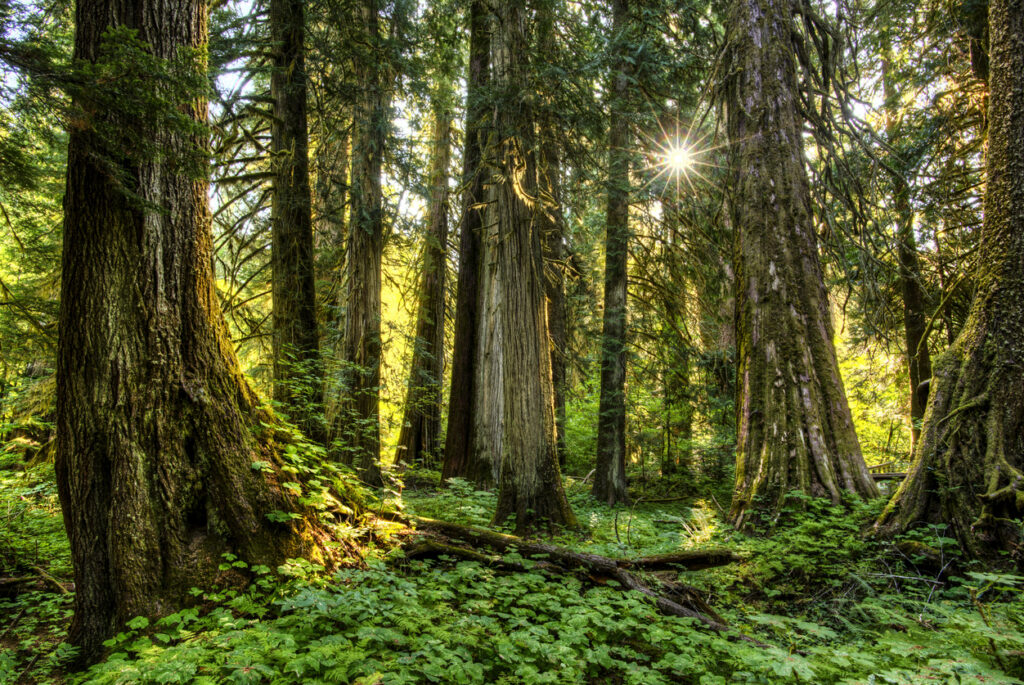
Most of us unconsciously listen at head level, but forests exist vertically. The canopy, the mid-level branches, the undergrowth, and the forest floor each produce completely different soundscapes. You’ve got birdsong way up high, leaves brushing in the middle, and small mammals moving through the undergrowth at your feet. Switching your awareness between these different layers reveals just how alive the space actually is from top to bottom.
Include your own body in the soundscape.

Your breathing, the rustle of your jacket, and the sound of your boots on the ground are all part of the forest’s audio while you’re there. Trying to ignore your own noise creates an artificial separation between you and the woods. When you acknowledge your own sound, you become more attuned to how your movement affects everything else. Slower steps sound different, and standing perfectly still changes what sounds eventually return to you. It makes the experience participatory rather than just observational.
Allow meaning without translating it into words.

A lot of people feel the need to turn everything they hear into language immediately, wondering what bird that is or what animal made that crackling noise. But listening doesn’t actually require translation. Letting sounds exist without a label keeps the experience embodied rather than analytical. The meaning arrives as a feeling or a sense of place rather than a bit of trivia, and that is usually the whole point of being out there in the first place.
Stay long enough for your mind to stop narrating.

At first, your internal commentary is going to dominate. Your plans, memories, and random observations will chatter over everything the forest is trying to tell you. But if you stay put, that narration eventually starts to loosen its grip. The mind grows less interested in filling the space with its own rubbish, and the forest takes over as the organising force. This is where listening really deepens, not because the woods have changed, but because you finally have.
Notice what listening changes after you leave.

The process doesn’t end the moment you walk back to your car. Many people notice a weirdly altered sensitivity after a proper session of forest listening. Urban noise feels much sharper, conversations sound different, and your attention behaves with a bit more intention. That change shows that listening to a forest isn’t just an escape; it’s a way of recalibrating your perception. The woods teach your nervous system how to actually pay attention again, and you carry that awareness back into the real world.