The universe has never been especially interested in starting from scratch. Instead of endlessly inventing new materials, it works with what it already has, breaking things down, reshaping them, and building them back up in different forms. What looks like constant creation is usually recycling on a cosmic scale. These are the things the universe reuses again and again, even when it looks like something entirely new is being made.
1. Atoms
Every single atom you’re made of has a history that stretches back long before our solar system was even a thought. The hydrogen in the water in your body formed shortly after the Big Bang, while the heavier stuff—the carbon in your cells, the oxygen you’re breathing, and the iron in your blood—was forged inside the bellies of massive stars that lived and died billions of years ago.
When those stars eventually ran out of fuel, they didn’t just vanish; they spat their guts back out into space through massive explosions or by slowly shedding their outer layers. Those same atoms drifted through the void for eons until gravity bundled them back together to become part of new stars, planets, oceans, and eventually, you. The universe isn’t regularly churning out brand-new atoms; it’s just rearranging the same old ones into different shapes.
2. Stellar material
Stars aren’t born from some pristine, untouched matter. They form from massive, swirling clouds of gas and dust that are already absolutely littered with the leftovers from previous generations of stars. It’s a bit like building a new house using the bricks from a dozen old ones; each new star carries the chemical fingerprints of the stars that came before it.
When a star finally kicks the bucket, it returns its material to the surrounding space, where it becomes the raw fuel for the next lot of stars and planetary systems. In this way, stars act less like one-off creators and more like part of an ongoing cosmic cycle, where nothing is ever truly wasted.
3. Light
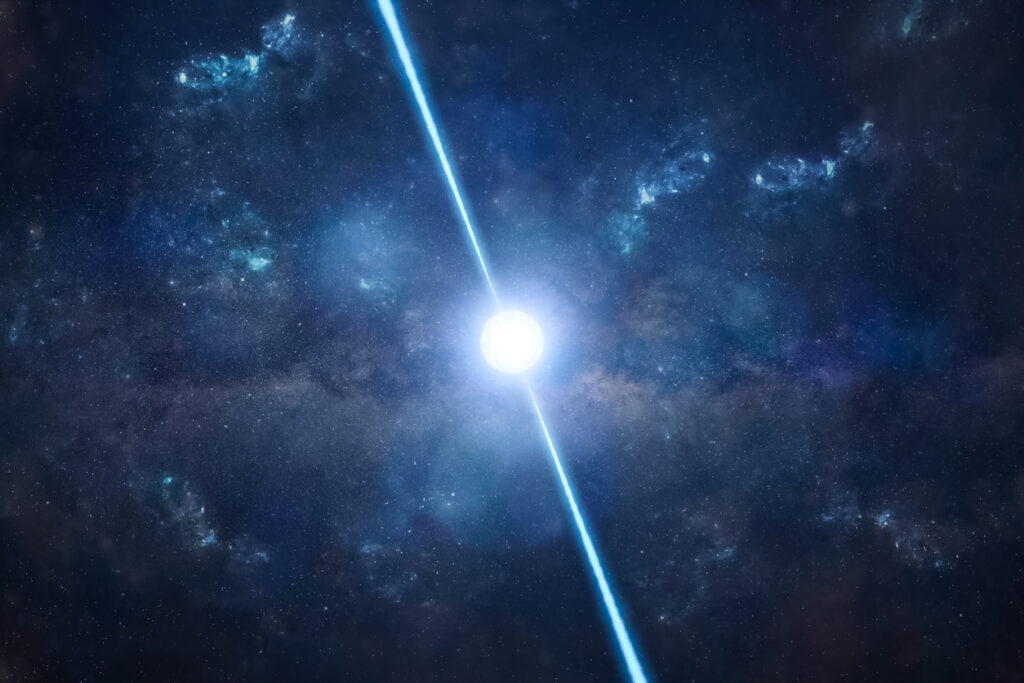
Light doesn’t simply switch off or disappear once it’s been produced. Photons can travel through the vacuum of space for billions of years, still moving long after the star that actually spat them out has burned out and gone dark. Much of the light filling the universe right now was created by ancient stars that haven’t existed for eons.
The universe continues to reuse that light as background radiation and stretched, reddened photons that still carry data from the distant past. It’s a persistent glow that keeps bouncing around the cosmos, ensuring that the energy from the very beginning of time is still present in some form today.
4. Energy
Energy follows a set of very strict rules, the main one being that it can’t be destroyed, only transformed. The heat from a dying star might become the motion of a gas cloud, which then becomes the radiation that warms a new planet. Even when energy becomes spread out and a bit less “useful,” it hasn’t actually gone anywhere; it’s still part of the cosmic system, just transformed into a form that’s harder to concentrate again.
The universe is constantly shuffling energy between different forms, ensuring that the total amount in the system stays the same even as it’s put to different uses over billions of years.
5. Planetary building blocks
Planets are essentially made from the universe’s leftovers. When a new star is born, it’s surrounded by a spinning disc of dust grains, ice particles, and rocky debris that didn’t quite make the cut to be part of the star itself. These fragments spend millions of years bumping into each other, breaking apart, and merging back together until gravity finally pulls them into something stable enough to be called a planet. The universe doesn’t bother creating fresh ingredients for every new world; it just keeps recycling the same rocky rubble and icy scraps until they stick.
6. Cosmic dust
Cosmic dust might sound like a bit of a nuisance, but it’s actually one of the most heavily reused materials out there. It forms in the cooling outer layers of dying stars and gets blown across the galaxy, where it does a massive amount of work.
This dust helps cool down giant gas clouds so they can collapse into new stars, and it provides the tiny surfaces where complex molecules—the building blocks of life—can actually form. It’s broken down by radiation, rebuilt by gravity, and reused countless times, quietly shaping everything from the birth of a sun to the chemical makeup of a human being.
7. Galactic gas
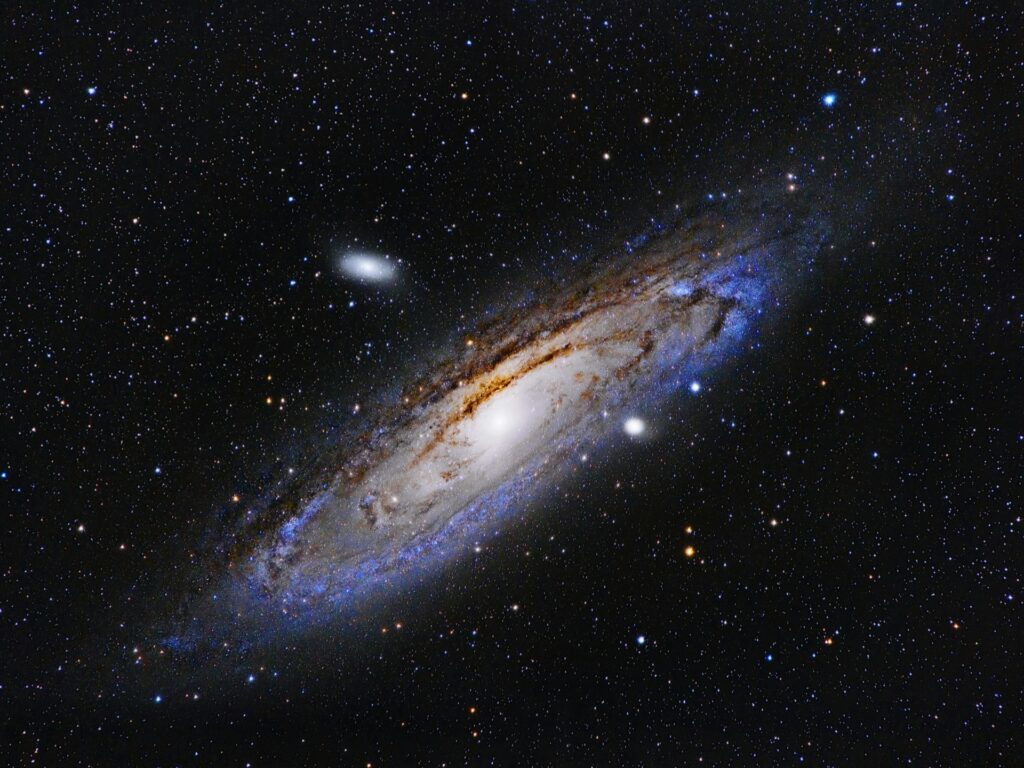
Galaxies don’t just burn through their supply of gas and then stop working. They’re much more efficient than that. Massive explosions from dying stars and the intense energy from black holes push gas out into the fringes of the galaxy, only for gravity to slowly pull it back in again later on.
The recycled gas becomes the fuel for the next generation of stars to fire up. A galaxy grows and evolves by constantly reusing its own material, relying on this internal recycling loop rather than just waiting for fresh supplies to arrive from the empty space outside.
8. Matter swallowed by black holes
When matter falls into a black hole, people often think it’s been deleted from existence, but that’s not quite how it works. Its mass still exists and continues to exert a massive gravitational pull on everything around it. In that sense, black holes don’t erase matter; they just store it under incredibly extreme conditions.
The universe continues to “use” that mass gravitationally to hold galaxies together and influence the movement of stars, even if the matter itself is locked away where we can’t see it anymore.
9. Chemical elements
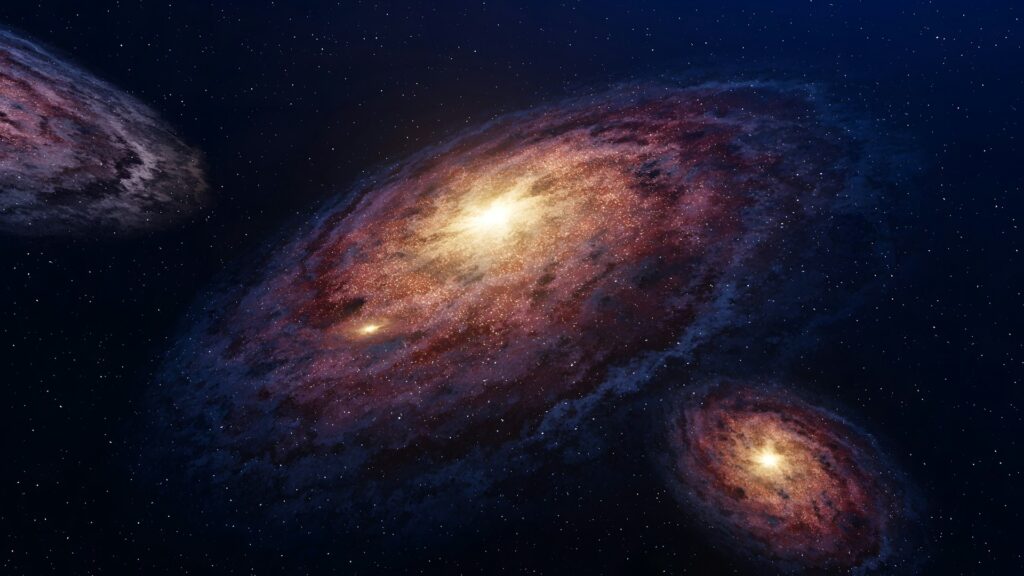
The universe rarely invents a new element for the sake of it. Most of what you see on the periodic table was created very early on, either during the first few minutes after the Big Bang or in the violent deaths of the first stars. Those same elements including iron, gold, carbon, and nitrogen are reused endlessly. They form rocks on one planet, the atmosphere on another, and eventually the living cells in a person. The structures they form change all the time, but the basic ingredients remain exactly the same as they were billions of years ago.
10. Matter itself
On the largest possible scale, the universe is working with a fixed budget of matter. It doesn’t regularly add more to the pile. Instead, matter just cycles through different states and structures as cosmic time ticks on. What looks like a never-ending process of creation is really just an endless reshuffling of the deck.
The universe is playing a massive game of cosmic Lego, taking the same pieces apart and building something new over and over again, proving that in the grand scheme of things, there’s no such thing as “new,” only “different.”