The planet is constantly moving and changing right under our feet, but because most of it happens at a snail’s pace, we’re remarkably good at ignoring it.
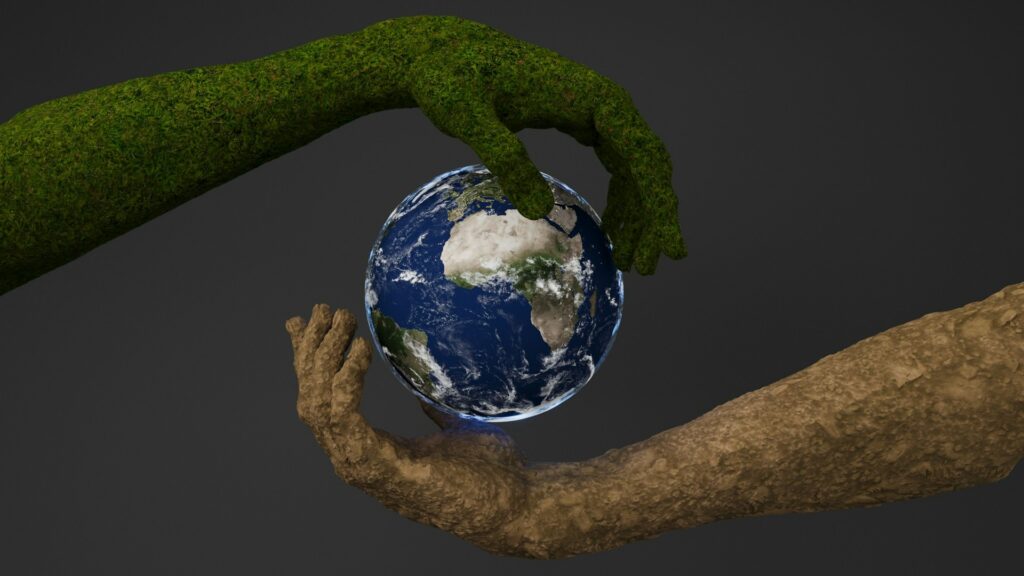
You’ve likely spent your life thinking the landscape is a fixed thing, but that’s only because our own lifespans are a tiny blip compared to the world’s internal clock. We’re wired to notice the big, loud disasters like a sudden storm or a flood, but we completely miss the subtle ways the coast is being eaten away or how the soil is losing its life over decades.
It’s this gradual decay that’s actually the most dangerous because by the time the change is big enough for us to finally pay attention, the damage is already done and the environment has moved into a completely different state. These 20 slow-motion changes show that while we’re busy looking for a sudden crisis, the real story of our changing world is being written in millimetres and tiny temperature changes that happen when nobody is looking.
1. Wildlife populations thinning rather than disappearing
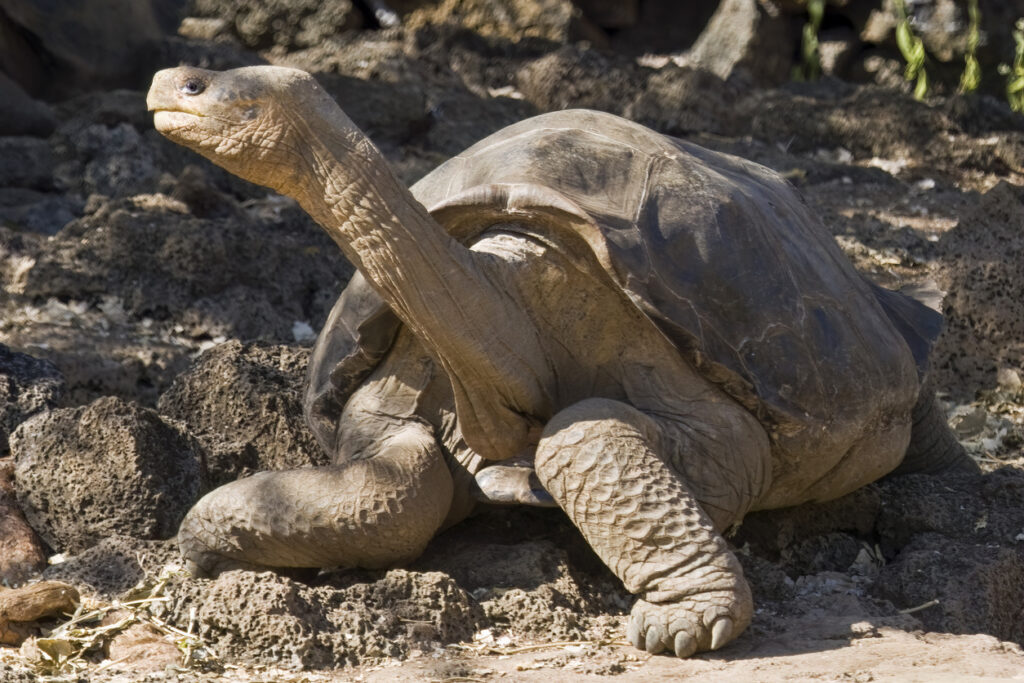
Animals rarely vanish all at once in a big, dramatic exit. What usually happens is a steady thinning that unfolds across years. A species that was once common—something you’d see every time you went for a walk—becomes less reliable to spot. Sightings feel more special, then more rare, then eventually you stop expecting to see them at all.
Because there’s no clear moment where they’re gone for good, you often assume the change is just a temporary bit of bad luck. You blame the weather or just think you’ve got bad timing. By the time you actually start to get concerned, the population may already be too small or fragmented to recover naturally.
2. Insects becoming background noise instead of presence
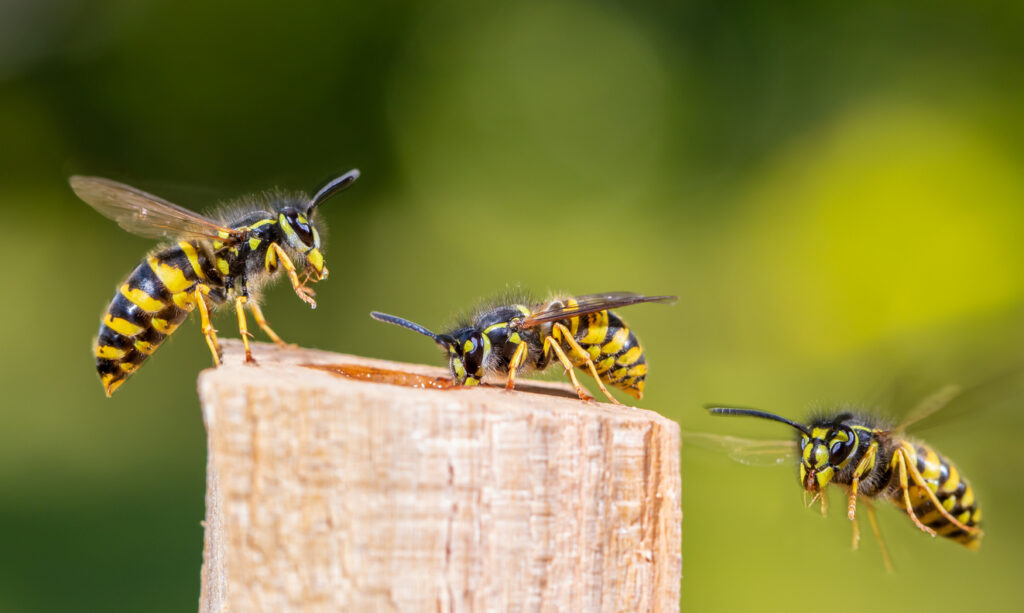
Insects are one of the clearest examples of this slow loss. If you’re old enough, you’ll remember how windscreens used to be covered in bugs after a long drive; now, they stay remarkably clean. Summer evenings sound quieter, and gardens feel less active than they did when you were a kid.
Each change on its own feels like a trivial bit of trivia, but together, they point to a massive collapse in insect numbers. Because most people find insects a bit annoying or even “gross,” their disappearance doesn’t register emotionally, even though the entire food chain depends on them to keep things moving.
3. Soil gradually losing its life and structure
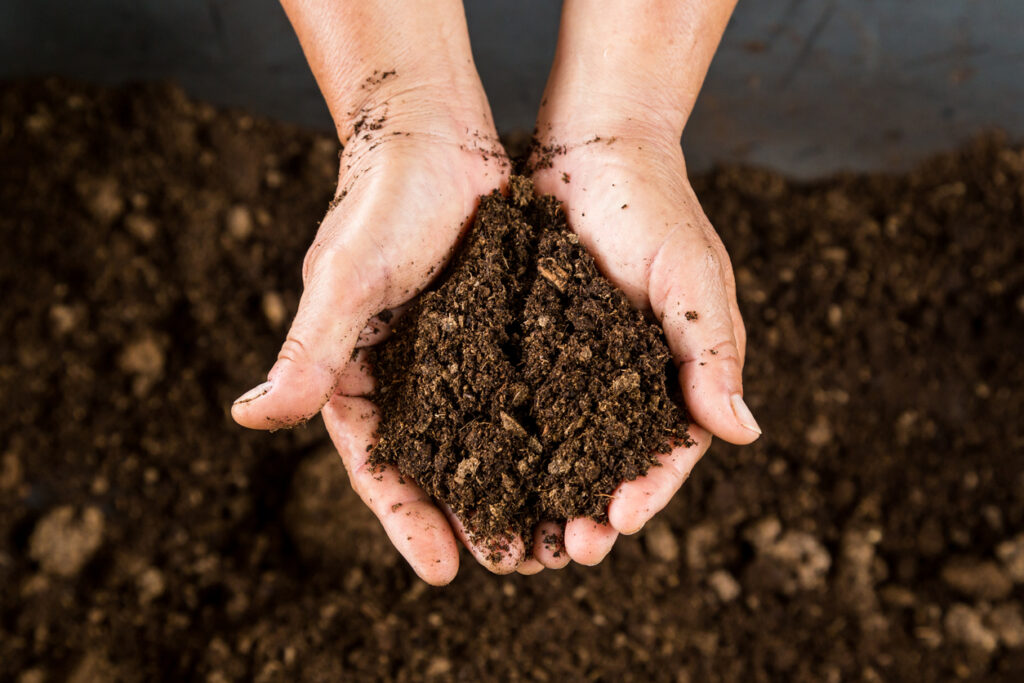
Healthy soil isn’t just dirt; it’s alive with microorganisms, fungi, insects, and nutrients. When that life is damaged by intensive farming or chemicals, the soil doesn’t instantly fail. It slowly becomes compacted, depleted, and less responsive. Crops still grow for a while, but they need more and more help to survive.
Plants might look alright, but they’re weaker and less resilient to a bit of a drought. Because food production carries on, the deeper degradation stays invisible until the whole system is already under massive stress and starting to buckle.
4. Rivers staying visually clean while becoming biologically empty

A river can look perfectly healthy and still be completely broken on the inside. Clear water doesn’t guarantee there’s actually anything living beneath the surface. Fish numbers decline, insects disappear, and the variety of plants thins out without making a scene.
To someone just passing by on a Sunday stroll, the river still flows and reflects the sky just like it always has. Without an obvious smell or a load of visible pollution, the ecological collapse inside the water can carry on for 20 or 30 years without anyone raising the alarm.
5. Forests losing resilience while remaining standing

Deforestation gets all the attention because it’s easy to see when a load of trees have been chopped down. Forest degradation, however, rarely makes the news. Many forests remain upright and look “green” while they’re actually losing their species, their age balance, and their ability to regrow.
You still see trees, but fewer saplings are surviving to replace the old ones. Certain tough species start to dominate, while the more sensitive ones vanish. The forest looks intact to the naked eye, but its ability to cope with disease or a change in the weather is silently being eroded.
6. Seasonal timing slipping out of sync
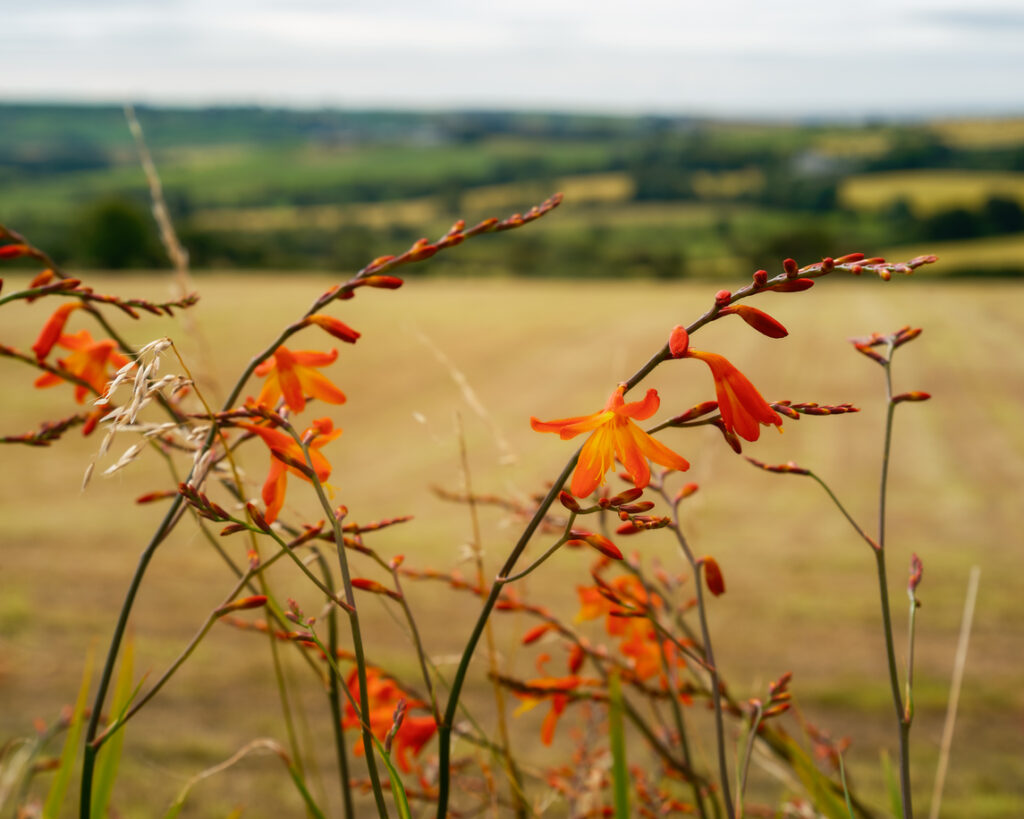
Nature runs on very specific timing. Flowers bloom, insects emerge, and birds migrate based on seasonal cues that have been fine-tuned over thousands of years. As temperatures move gradually, those cues start to drift apart. You might see pollinators arriving when the flowers aren’t ready for them yet, or birds hatching their chicks after the peak food supply has already passed.
Each little mismatch is small on its own, but the cumulative impact weakens entire systems. It’s like a massive orchestra where everyone is playing just a fraction of a second out of time; eventually, the whole song falls apart.
7. Glaciers retreating in increments too small to feel urgent
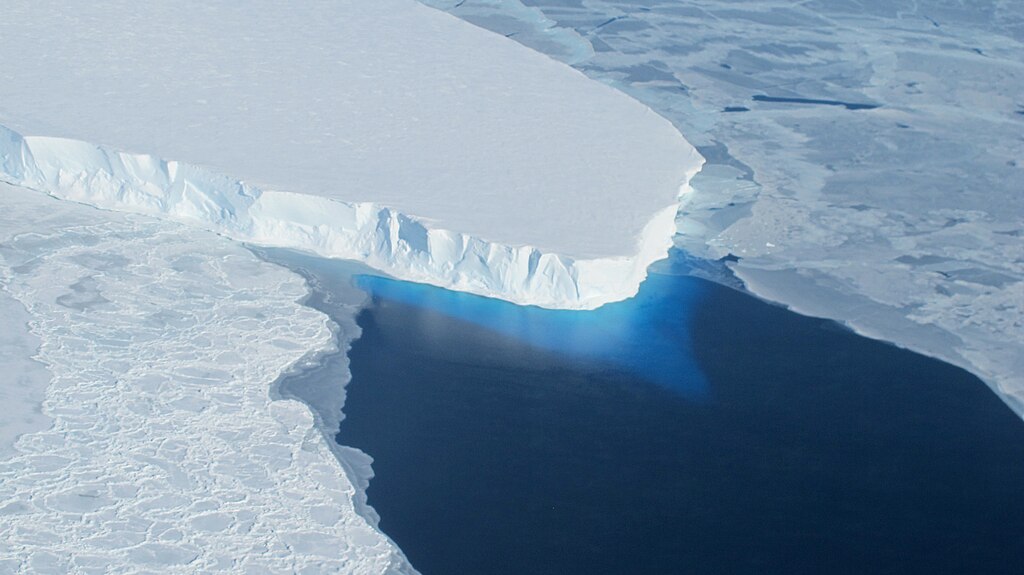
Glaciers rarely vanish in a single summer. They retreat year by year, losing small amounts of ice that are hard to notice unless you’re looking at photos from 40 years ago. Because the change feels incremental, it becomes part of the “new normal.” You get used to the mountain looking a bit less white each year, and the urgency to do something about it just drains away. The loss of freshwater storage and long-term climate stability only becomes obvious once the retreat is so far gone that you can’t ignore the dry riverbeds downstream.
8. Oceans changing chemistry without changing appearance
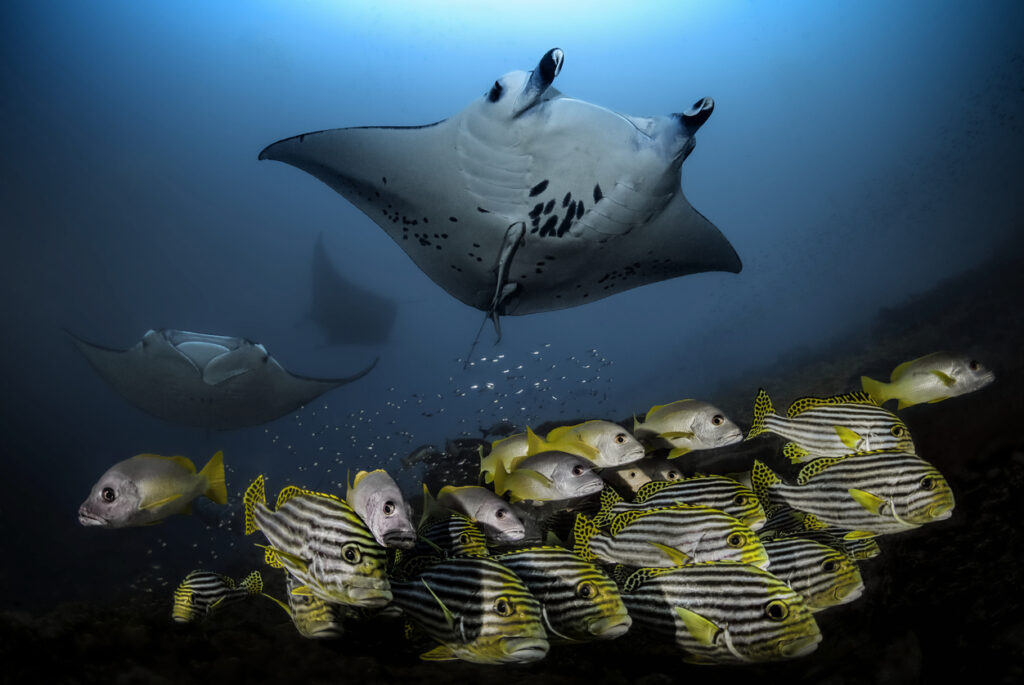
As the oceans absorb carbon dioxide, their chemistry undergoes a massive change. The problem is, the water looks exactly the same. It feels the same when you go for a dip, and nothing about it triggers an immediate “red alert” in your brain.
Meanwhile, creatures that need to form shells are struggling to survive, food webs are weakening, and entire marine ecosystems are becoming less stable. The slow pace of the change masks the scale of the transformation, making it easy to forget that the very foundation of ocean life is being altered.
9. Coral reefs fading rather than collapsing
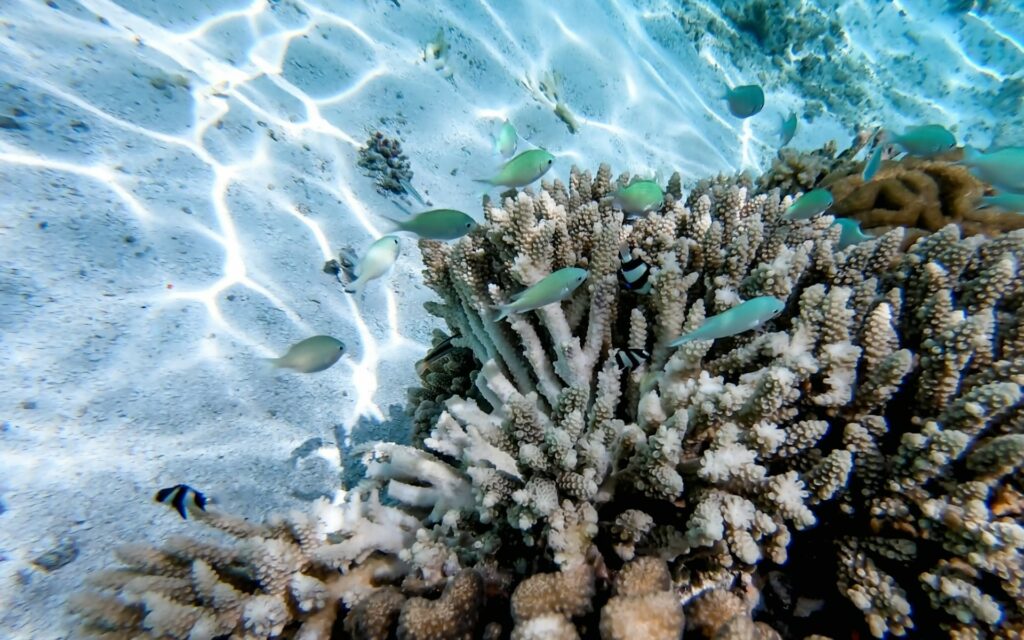
Mass bleaching events get the headlines because they look dramatic, but the long-term decline of a reef is often much quieter. Reefs lose their complexity, their vibrant colour, and their variety of species gradually over decades. To a casual observer or a tourist, the reef might still look like it’s “there,” but its ability to support a massive range of life is diminishing year by year. What’s being lost is the depth and the abundance of life, not just the physical structure, but because it happens slowly, we don’t realise how much has gone until it’s a graveyard.
10. Groundwater draining out of sight
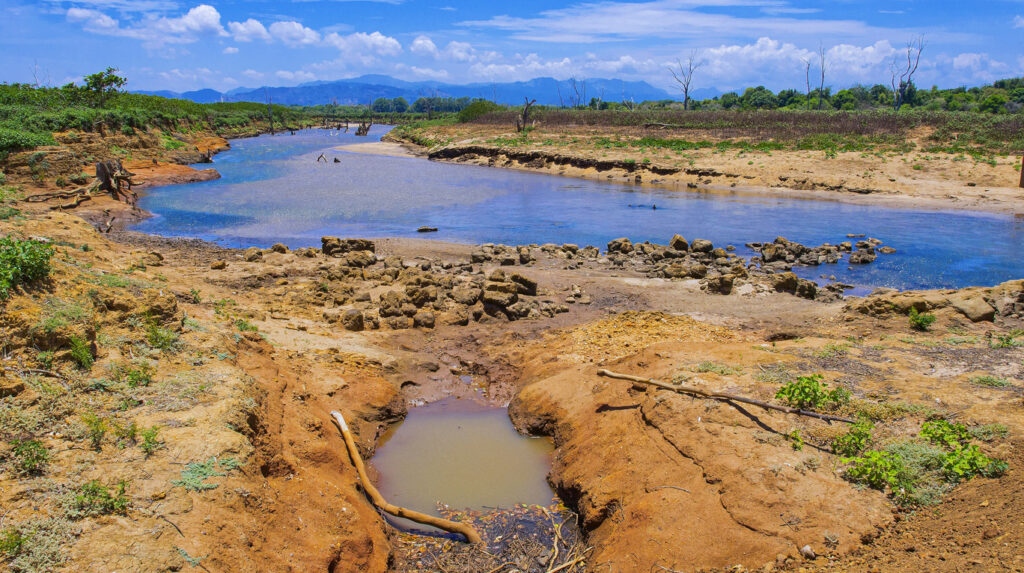
Groundwater extraction happens entirely underground, which makes it the ultimate “out of sight, out of mind” problem. Aquifers can take centuries to recharge, but we’re capable of draining them in a fraction of that time. As the water levels drop, wells have to go deeper, the land can actually start to sink, and the ecosystems that rely on that water begin to wither. Because you can’t see the water disappearing, the damage feels like a distant problem until the day the taps actually run dry.
11. Genetic diversity shrinking inside surviving species
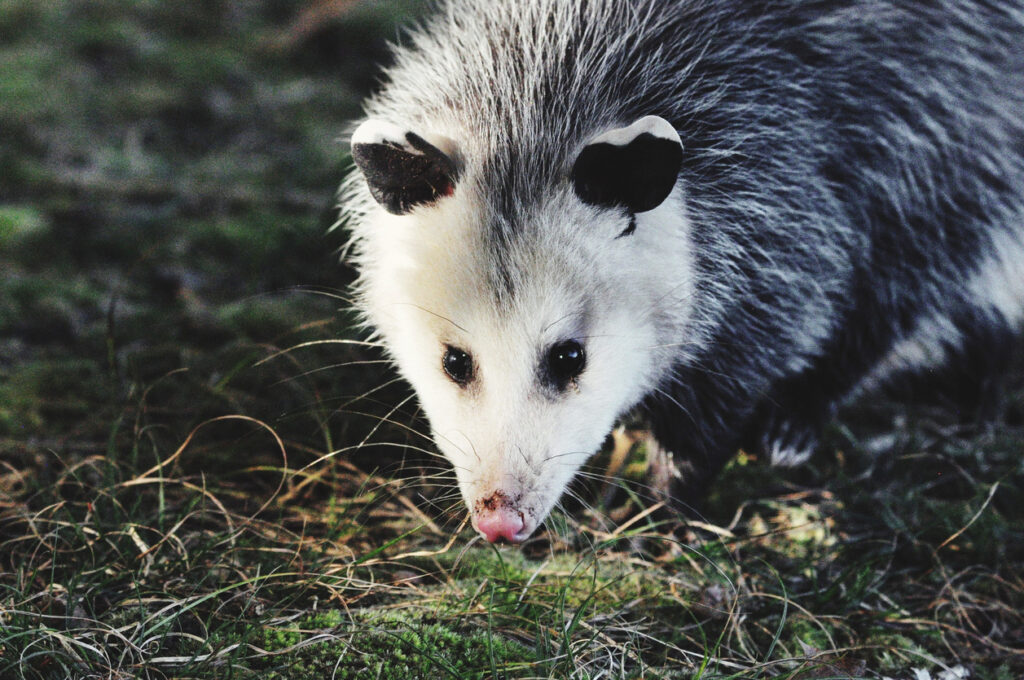
A species doesn’t have to become extinct to be in a lot of trouble. Even if you still see plenty of a certain animal, their internal “library” of survival traits is often shrinking. Smaller, isolated populations mean less genetic variation, which makes the whole group much more vulnerable.
It doesn’t change how the animals look day to day, but it wrecks their ability to survive a new disease or a change in the climate. It’s like a football team losing all its substitutes; they might be doing alright now, but the second someone gets injured, they’ve got no way to recover.
12. Habitats becoming fragmented rather than destroyed
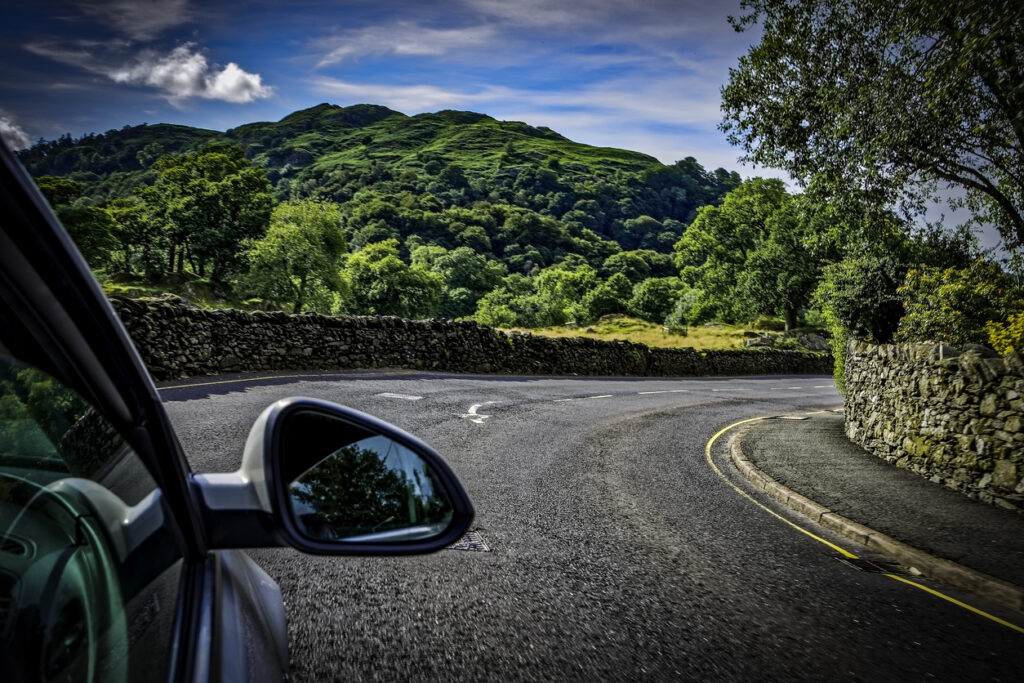
Many habitats aren’t being wiped off the map; they’re being broken into tiny, useless pieces. A new road, a housing development, or even a long fence can divide an ecosystem into isolated patches. Animals find they can’t move freely to find mates or follow their usual migration routes.
Because the woods or the fields technically still exist, the long-term damage often gets overlooked. You think the local wildlife is fine because the trees are still there, but for the animals stuck in a small pocket of land, it’s basically a slow-motion dead end.
13. Noise and light slowly rewriting animal behaviour
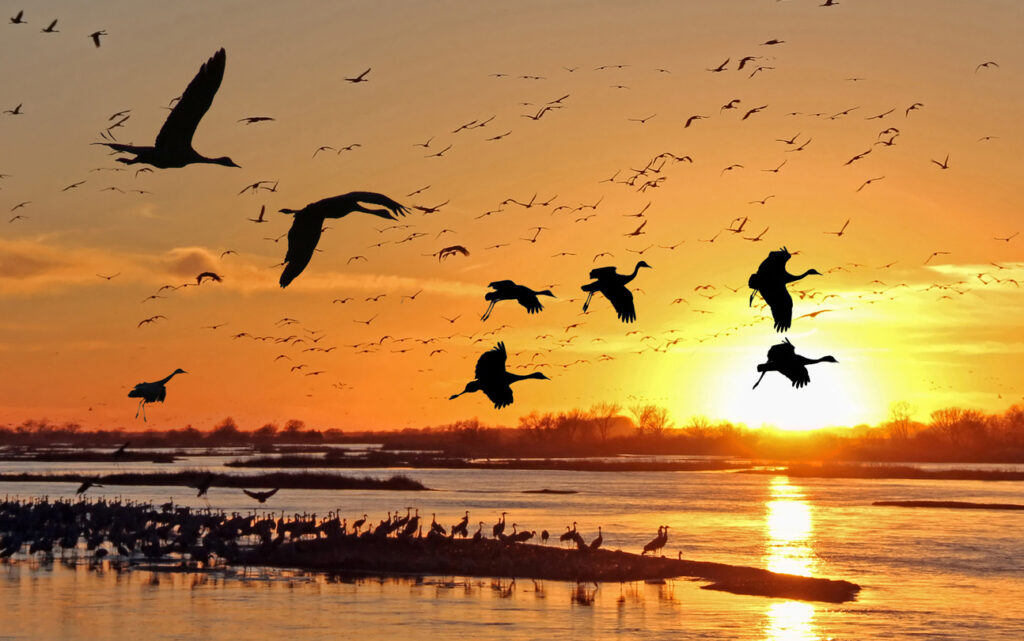
The constant hum of traffic and the orange glow of streetlights are doing a lot more than just annoying the neighbours. They’re fundamentally changing how animals hunt, rest, and reproduce. The effects aren’t dramatic at first—a bird might start singing a bit earlier, or a moth might get distracted by a porch light. However, as these changes accumulate, migration routes move and breeding patterns start to break down. Even though the environment looks exactly the same as it did 20 years ago, the life within it is under a constant, invisible stress that’s wearing them out.
14. Climate extremes creeping into normal expectations
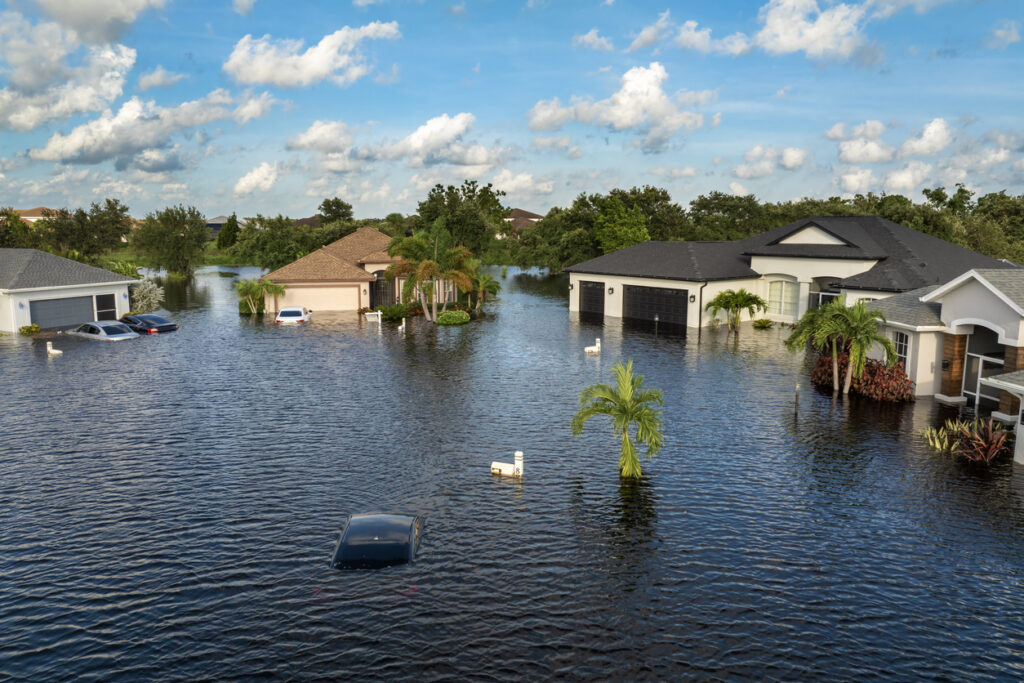
Record-breaking heatwaves, long droughts, and massive storms used to be once-in-a-generation events that everyone talked about for years. Now, as they happen more often, we’re remarkably quick to adjust our sense of what “normal” weather looks like.
This is a bit of a disaster for urgency; each new extreme feels a bit less shocking than the last one. We’ve become like the proverbial frog in the pan of water, getting used to the heat as it rises, even as the long-term damage to the planet is accelerating right in front of us.
15. Human baselines quietly lowering
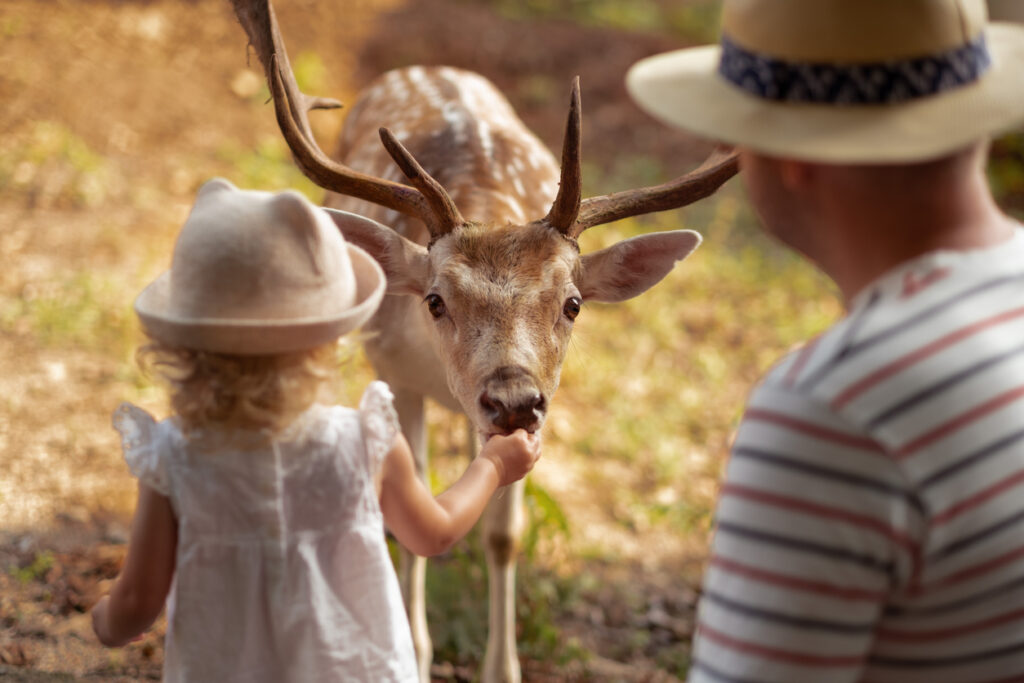
This is one of the biggest problems we’ve got. Each new generation grows up with a slightly more degraded version of the natural world and accepts it as the standard. What your grandad remembered as a sky full of birds, you see as a rare treat, and your kids might just see as a myth.
That “moving baseline” makes it almost impossible to recognise how much we’ve lost because we don’t have a clear reference point for what a healthy world actually looks like. The decline just blends into the background of everyday life.
16. Ecosystems losing redundancy
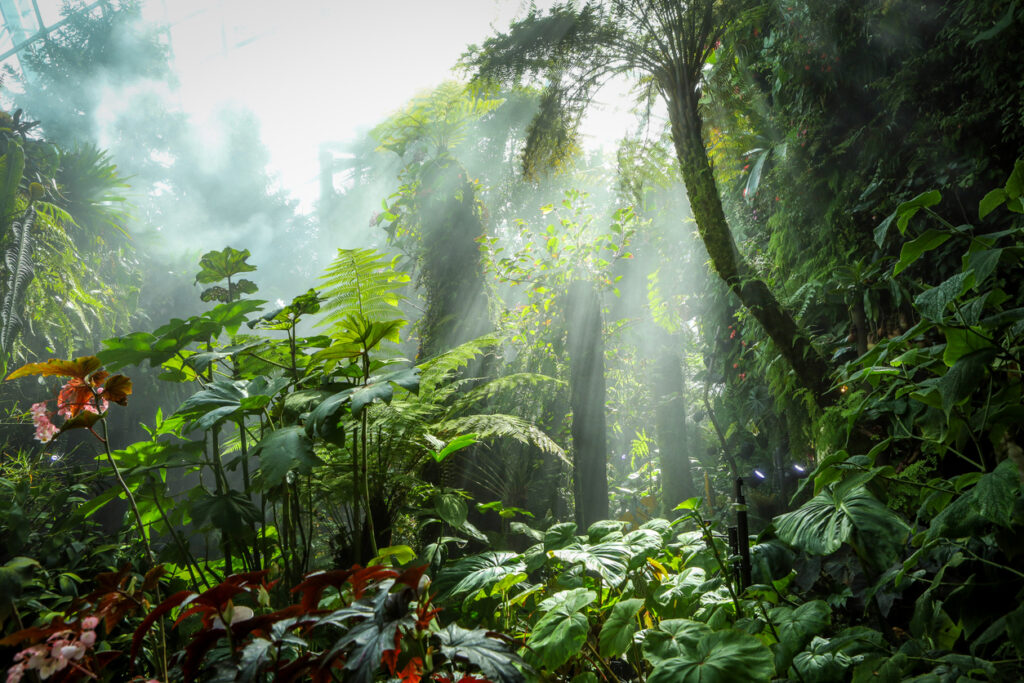
A healthy ecosystem is a bit like a well-staffed shop; it has backups. Multiple different species usually perform similar roles, so if one disappears, the whole system doesn’t collapse. But as diversity declines, that safety net vanishes. The system still functions for a while, but it’s got absolutely no margin for error. One bad season or a single new pest can cause a total collapse because there’s nobody left to pick up the slack. It looks fine until the moment it isn’t, and by then, it’s too late to fix.
17. Wetlands drying without disappearing completely
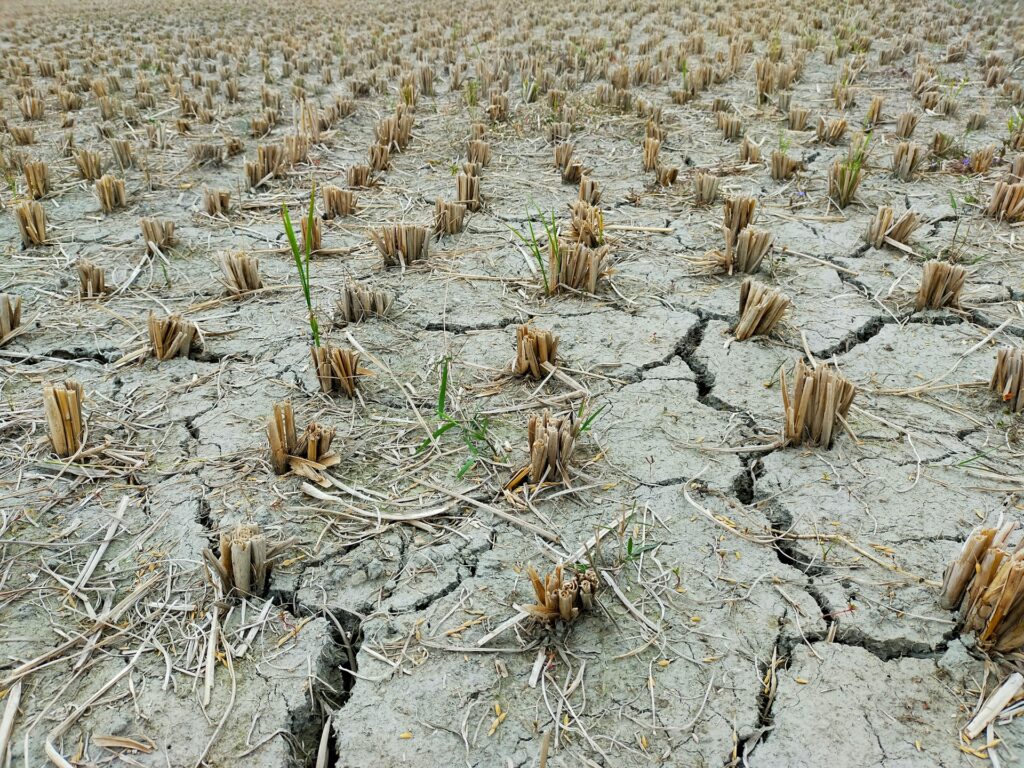
Wetlands are the kidneys of the landscape, but they don’t always vanish in a puff of smoke. Often, they just slowly shrink, or the seasonal flooding that keeps them alive starts to fail. Because there’s still a bit of water or some reeds left, we underestimate the damage being done.
Meanwhile, the birds that rely on them move on, and the land’s ability to filter water or prevent floods slowly but surely disappears. It’s a slow transition from a thriving habitat to a dry patch of ground that does nothing for anyone.
18. Carbon sinks weakening over time
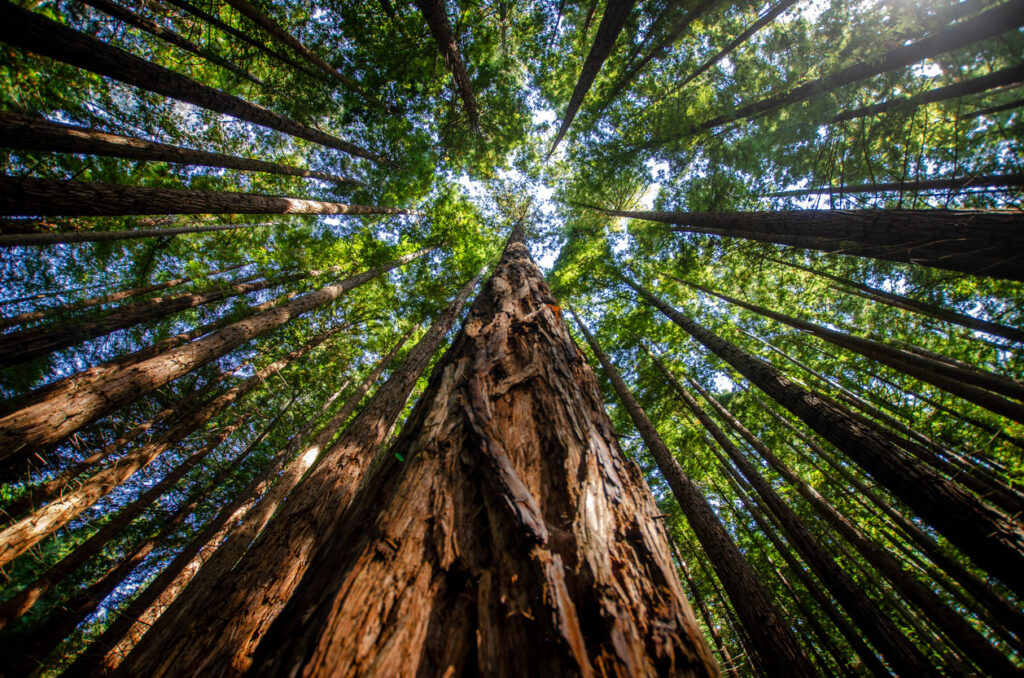
Forests, oceans, and healthy soil are great at absorbing carbon, but as we degrade them, they start to lose their appetite. This is a terrifying feedback loop that’s hard to see with the naked eye. A forest might look thick and green, but if it’s stressed by heat or a lack of water, it stops being a “sink” and can even start releasing carbon back into the air. It’s an invisible transformation in the planet’s plumbing that makes climate change move even faster, even if the initial decline in absorption is almost impossible to spot without a lab.
19. Food webs simplifying instead of collapsing
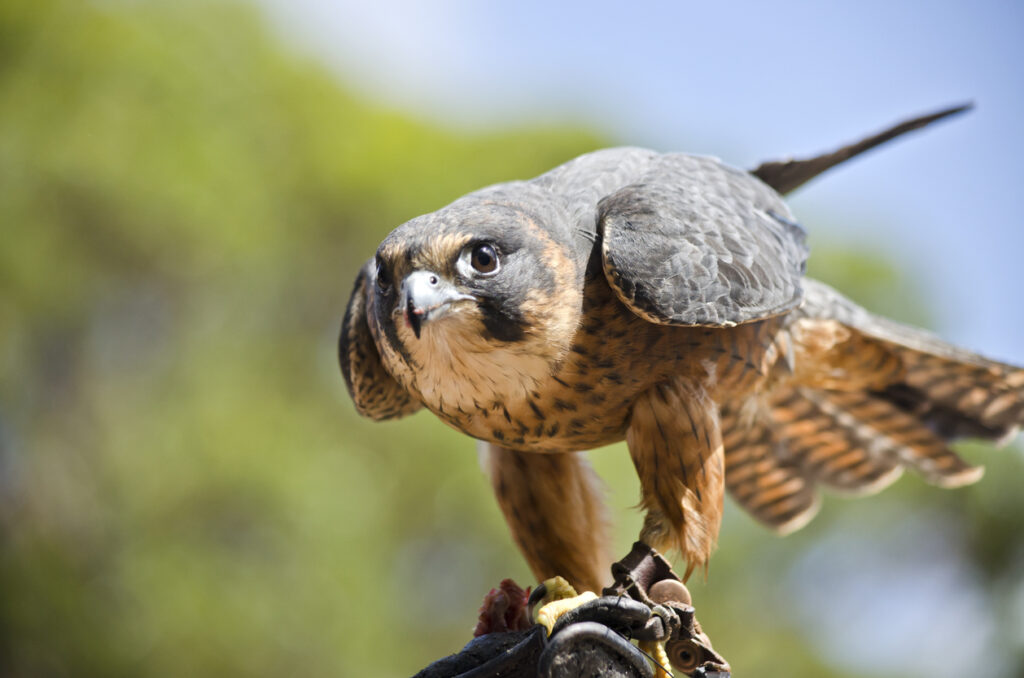
Species don’t disappear in an orderly fashion. Usually, the big predators or the specialists go first, leaving behind a few “generalist” species that can eat anything. The result is a simplified version of the world that still exists, but lacks any real complexity. It’s like a town where every independent shop has closed and been replaced by the same three supermarkets; it still works, but it’s fragile, boring, and much more likely to fall apart if something goes wrong with the supply chain.
20. Loss becoming normal before it becomes alarming
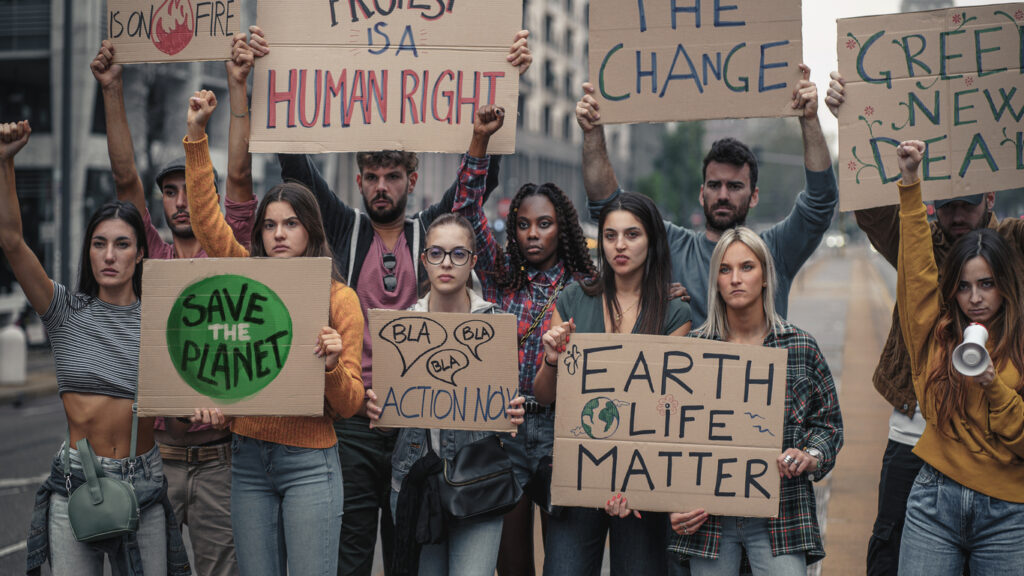
Perhaps the most damaging change of all is just how quickly we adapt to things being a bit worse than they were yesterday. What would have caused a massive public outcry 30 or 40 years ago now barely gets a mention on the evening news.
The real danger isn’t just the environmental decline itself; it’s the fact that it happens slowly enough that we let it fade into the background. We’re losing the world in millimetres, and because we don’t feel the sting of the loss all at once, we’re letting the most important story on earth go unread.