While most people are still sat indoors waiting for the frost to clear, the smartest gardeners know that February is actually the time to get a head start on the growing season.
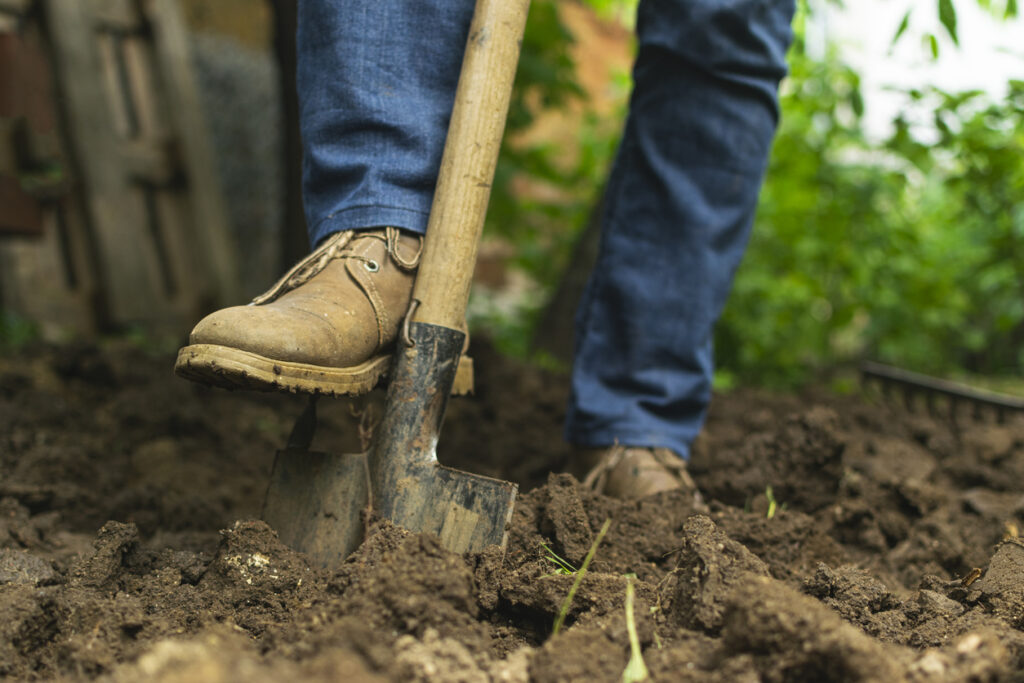
It feels a bit wrong to be digging around in the mud when the air is still biting, but there are a few hardy vegetables that actually thrive if they get in the ground before the spring rush. You don’t need a heated greenhouse to get things moving; you just need to know which varieties can handle the damp and the cold without throwing a fit.
Getting these in now means you won’t be stuck waiting until mid-summer for your first harvest while everyone else is just getting started at the garden centre. It’s all about working with the British weather rather than against it to make sure your veg patch is productive as early as possible.
1. Broad beans

Broad beans are one of the most reliable vegetables you can plant in February, especially in the UK. They’re hardy, unfussy, and actually benefit from being started early while the soil is still cool. Seeds can be sown directly outdoors if the ground isn’t frozen or waterlogged, or started in pots under cover if conditions are rough. Planting now gives broad beans time to establish strong roots before pests like blackfly become a problem later in spring. Early sowing often leads to sturdier plants and better yields because they flower before summer heat stresses them. This is one of those crops where patience now saves trouble later.
2. Onions

February is a good time to plant onion sets, especially in milder areas. Onions don’t mind cool soil, and getting them in early allows them to start developing roots long before top growth really kicks off. As long as drainage is decent, they’ll sit quietly and do their thing. Early planting helps onions make the most of increasing daylight later on. It also reduces the risk of bolting, which can happen if they experience stress after planting. The key is not warmth, but steady conditions and time.
3. Shallots
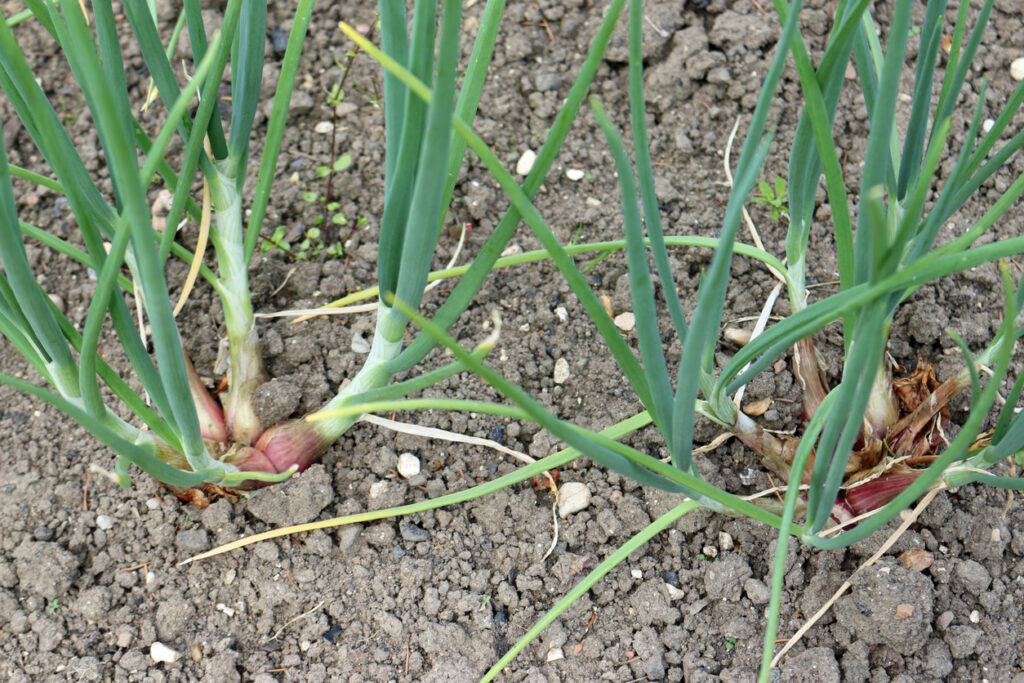
Shallots behave much like onions, but often handle cold conditions even better. February planting gives them a long growing season, which translates into fuller clusters by summer. Like onion sets, shallots can go straight into the ground if it’s workable. They don’t need much attention early on. Once planted, they’ll wait until conditions improve before showing much growth. That slow start is normal and actually beneficial, allowing energy to go into root development first.
4. Garlic
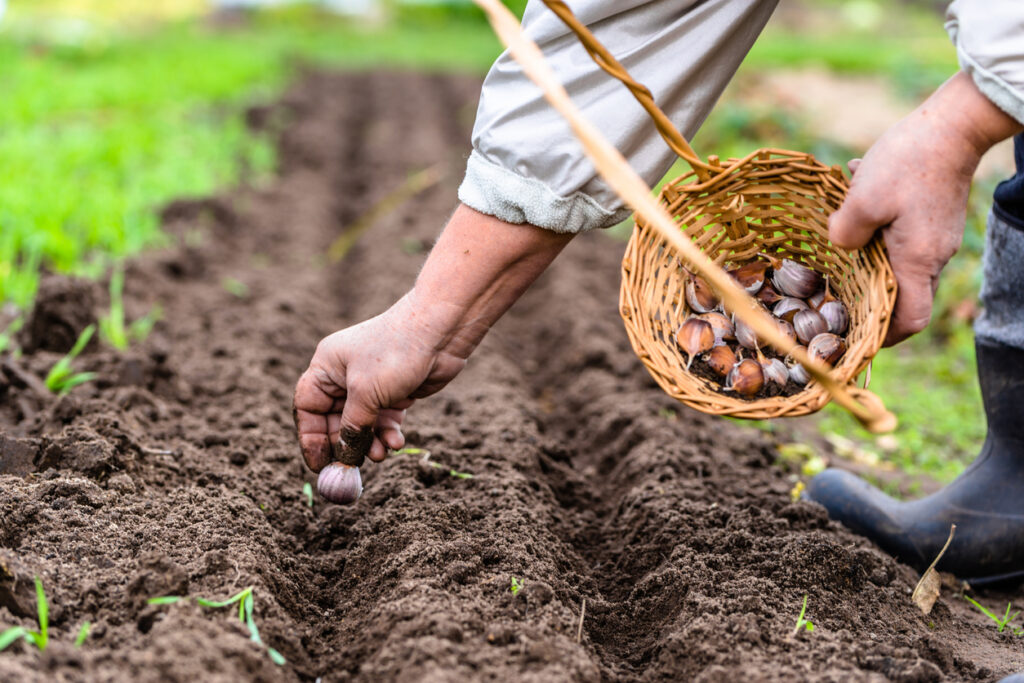
If you didn’t get garlic in during autumn, February is your last good chance. Garlic needs a cold period to split and form proper bulbs, and while autumn planting is ideal, late winter planting can still work well. The bulbs may be slightly smaller than autumn-planted ones, but they’ll still be perfectly usable. Garlic planted now will start growing as temperatures rise, making steady progress through spring and early summer.
5. Peas

Hardy pea varieties can be started in February, either under cover or outdoors in milder areas. Starting them early helps avoid some of the pest pressure that comes later in the season, particularly from pea moths. Peas don’t need warmth so much as protection from extremes. A cold frame, greenhouse, or even a sheltered windowsill works well. Once established, they transplant easily and get going fast as days lengthen.
6. Spinach
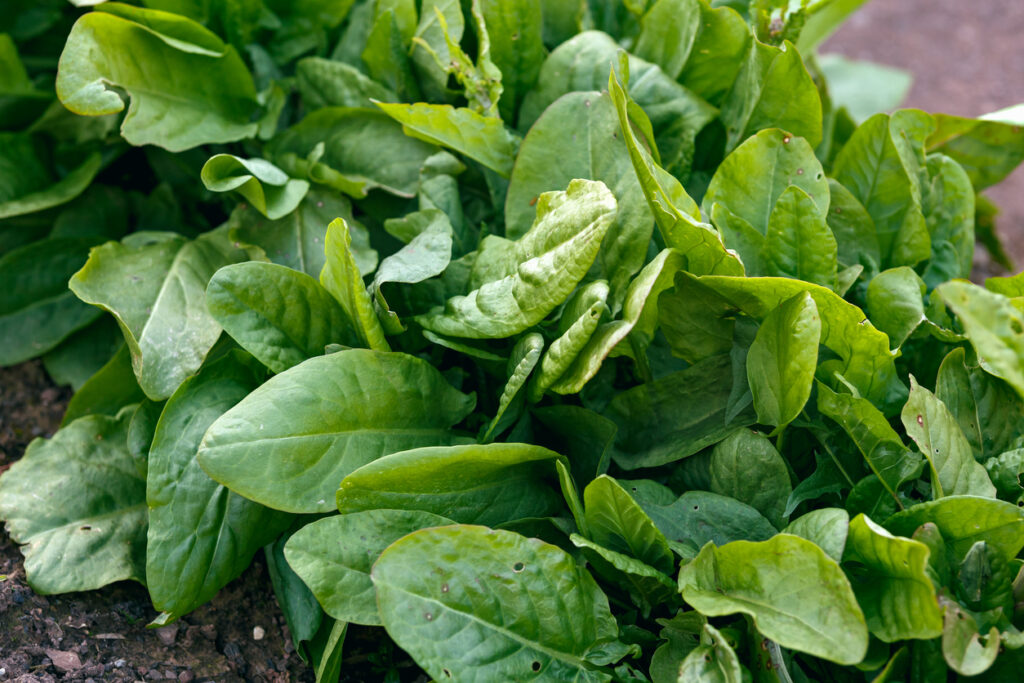
Spinach is well suited to February sowing because it prefers cool conditions. It can be sown under cover or outdoors if the soil isn’t frozen. Starting now means you’ll have leaves ready long before many other crops even wake up. Early spinach tends to be sweeter and less prone to bolting than summer-sown plants. It grows steadily rather than explosively, which makes it ideal for filling gaps in the garden calendar.
7. Lettuce
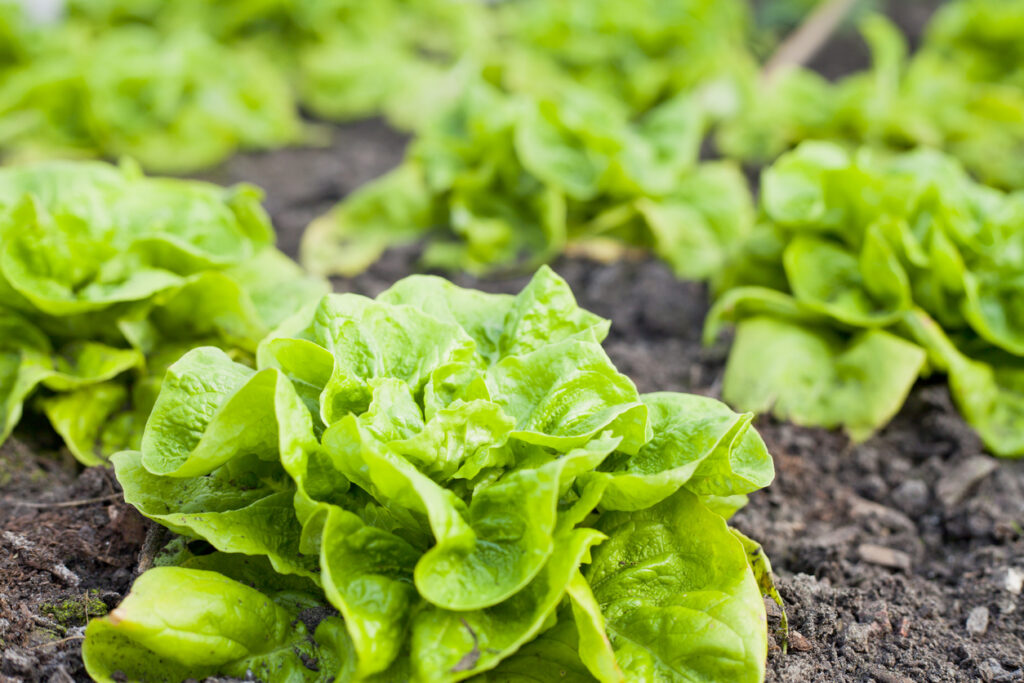
While lettuce is often associated with summer, certain varieties are happy to start in February under cover. Loose-leaf types are especially forgiving and quick to germinate when protected from frost. Early sowing gives you fresh leaves weeks ahead of outdoor plantings. The key is consistency rather than speed. Lettuce grown slowly in cool conditions tends to have better flavour and texture.
8. Leeks
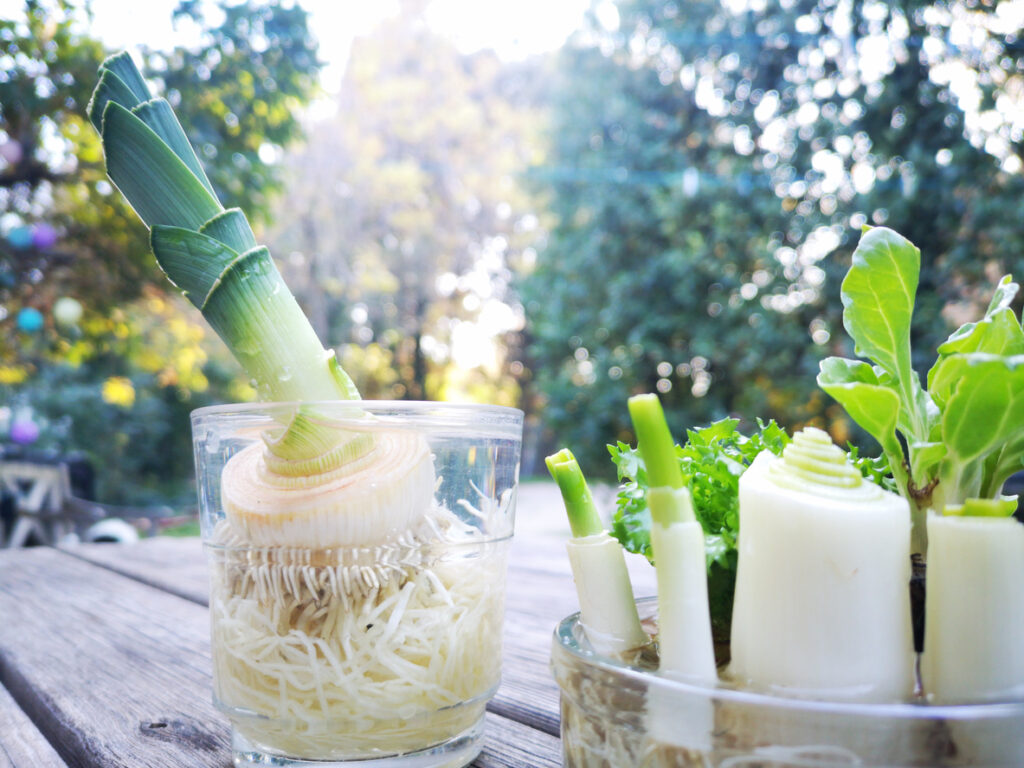
Leeks need a long growing season, which makes February an ideal time to start them. Seeds are best sown under cover, where they can germinate slowly without being battered by cold winds. They’ll look thin and unimpressive for a while, which is normal. Leeks take time to build strength, but early sowing gives them that time without pressure, leading to thicker stems later on.
9. Cabbage and other brassicas
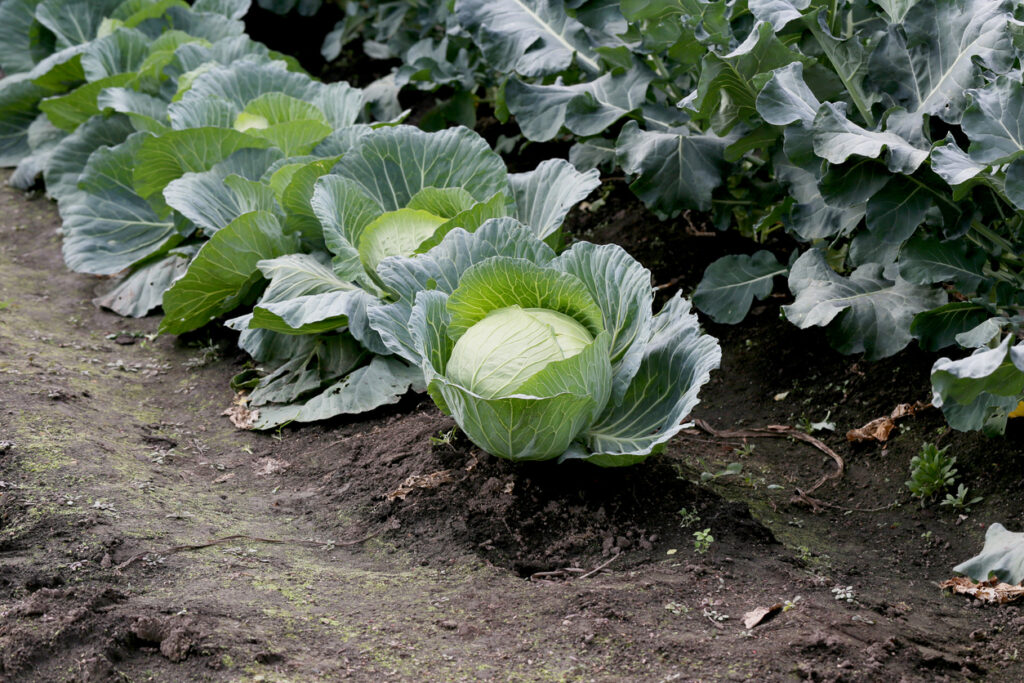
Hardy brassicas like spring cabbage, kale, and Brussels sprouts can be started in February under cover. These crops don’t rush, and they benefit from a slow, steady start rather than being pushed into growth. Early sowing helps plants develop strong roots before being planted out. That strength makes them more resilient to pests, wind, and fluctuating spring temperatures.
10. Carrots (with protection)
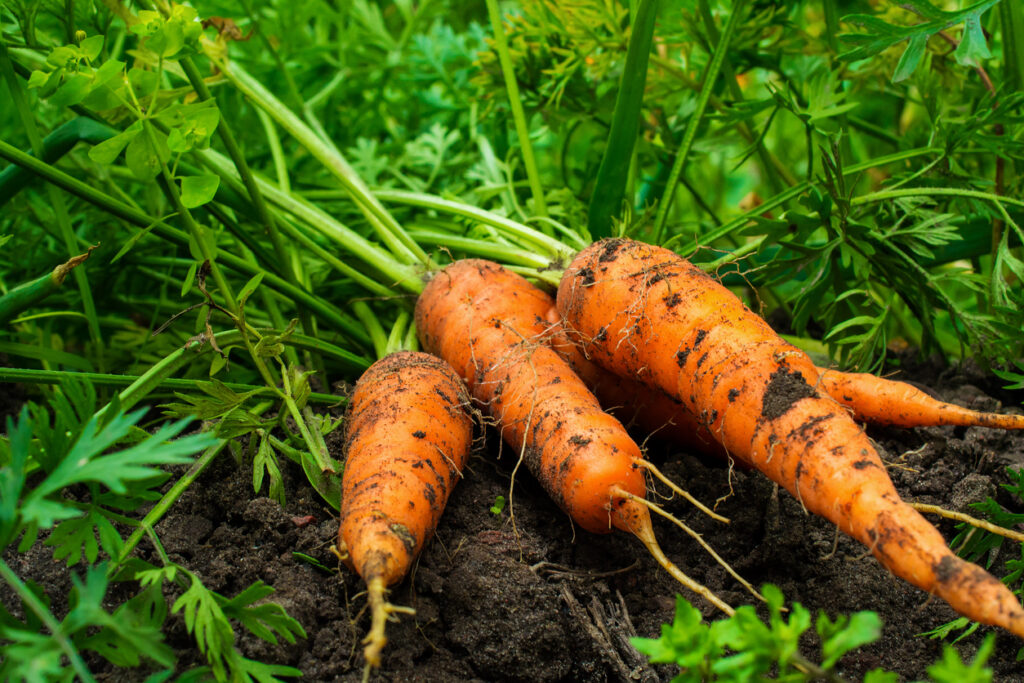
Carrots are more sensitive than other February crops, but early sowing is possible under cloches, fleece, or in containers under cover. Starting now can give you an early harvest that avoids peak carrot fly season. The key is fine, well-prepared soil and patience. Germination will be slower, but once carrots start growing, they handle cool conditions well and reward early effort with sweet, tender roots.
February planting shouldn’t be focused on filling beds or forcing growth. It’s about choosing crops that quietly prepare while the rest of the garden still looks asleep. By the time spring properly arrives, these vegetables are already established, already rooted, and already ahead. That early groundwork is often the difference between a garden that struggles to catch up and one that moves smoothly into the growing season.