When the temperature drops and the garden turns grey, most people assume the bees are all tucked away and safe until spring.
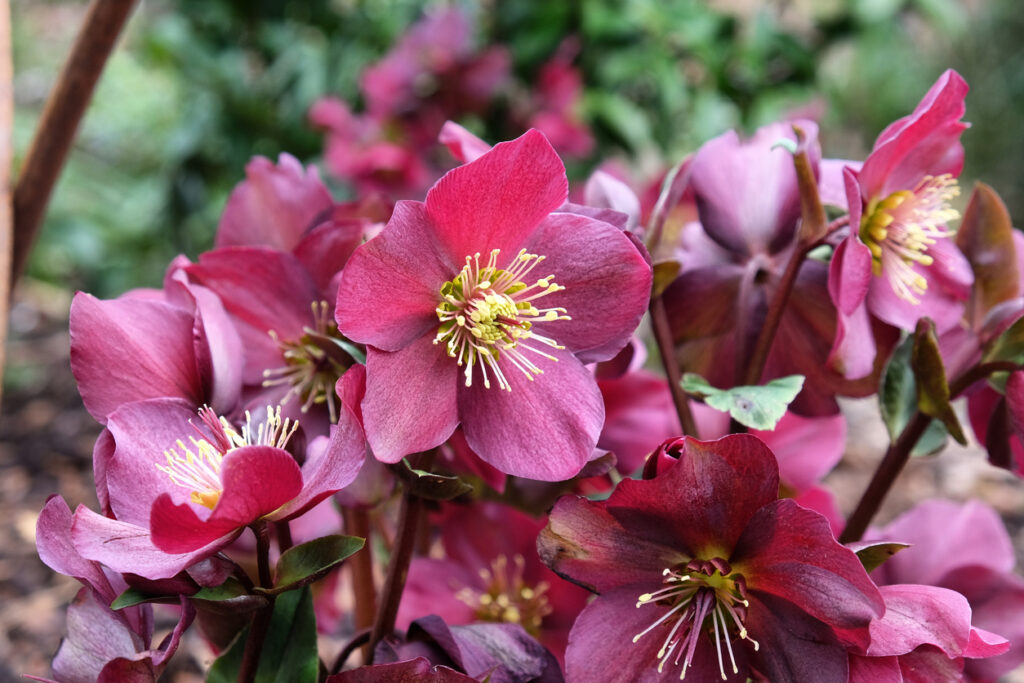
However, for some species, like the buff-tailed bumblebee, the winter can be a bit of a death trap if they wake up on a mild day and can’t find a single drop of fuel to get back home. Because our winters are becoming more unpredictable, these insects are out and about much earlier than they used to be, often searching for nectar in a landscape that’s completely bare.
Providing a few specific plants that flower during the coldest months isn’t just a nice bit of gardening; it’s a genuine lifeline that prevents them from starving to death before the first crocuses appear. These 10 winter-hardy plants are some of the best ways to turn your garden into a vital service station for the bees that have braved the cold.
1. Hellebores provide nectar from December through March.
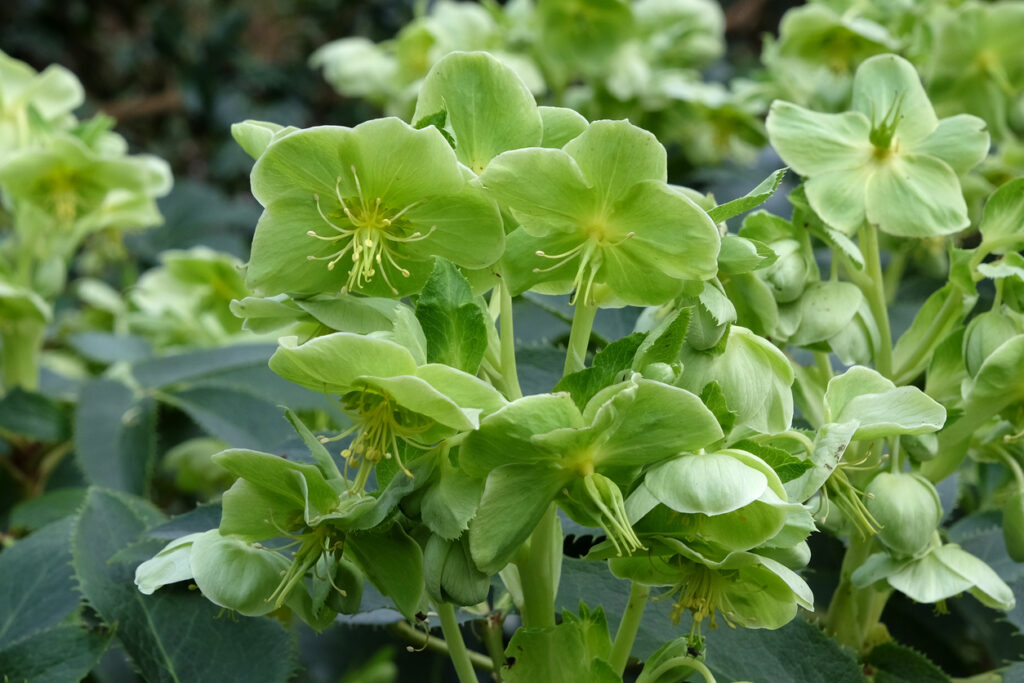
These tough plants, also called Christmas roses, are absolute lifesavers for bees emerging on warmer winter days. They produce delicate-looking flowers packed with pollen and nectar just when bees need it most. Plant them in sunny or partially shaded spots because bees prefer working them in the sun where it’s warmer. They’ll self-seed freely if you leave the seed heads on, giving you more plants over time without spending extra money.
2. Mahonia lights up dreary winter days with bright yellow blooms.
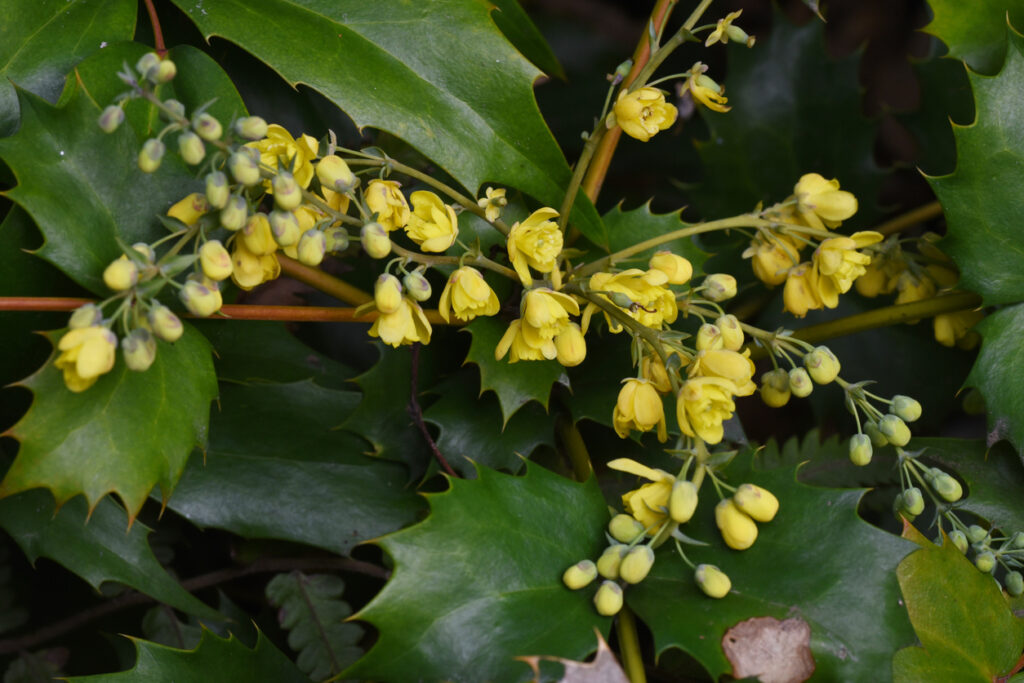
This evergreen shrub flowers from November to March, producing hundreds of nectar-rich yellow flowers that bees absolutely mob on sunny days. The prickly serrated leaves look attractive year-round and the plant produces ornamental berries after flowering that birds love. Stand next to a flowering Mahonia on a mild winter day, and you’ll see just how many bees depend on it for survival.
3. Winter-flowering heather keeps bees fed from December to April.
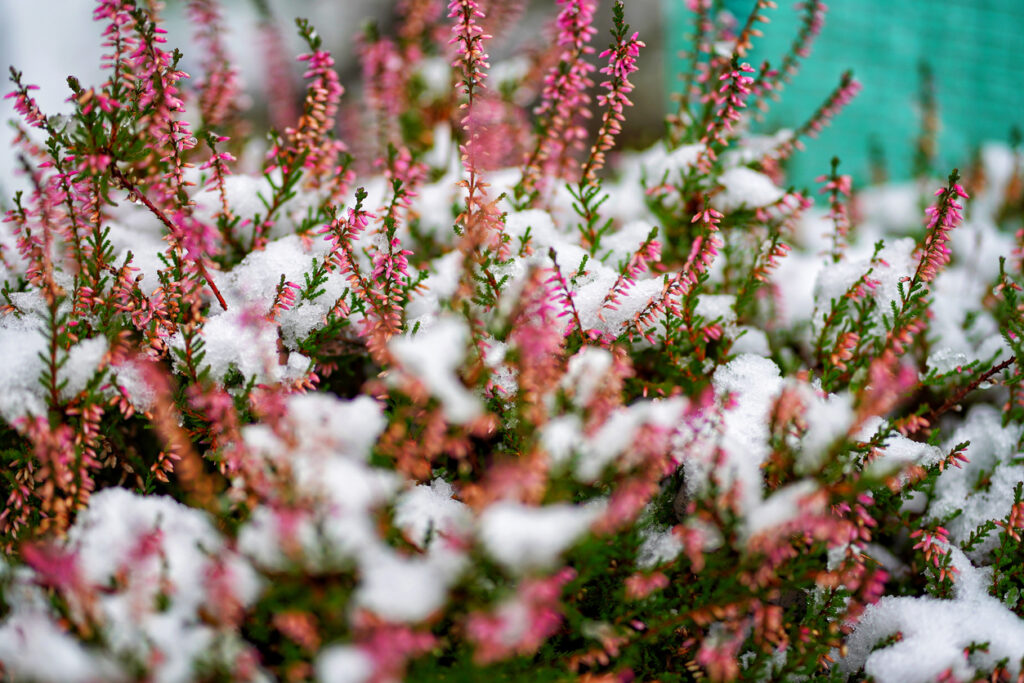
These low-growing plants create mats of colour throughout winter and attract both honeybees and bumblebees reliably. Varieties like Erica carnea are particularly useful because they bloom for months on end rather than just a few weeks. They’re perfect for small gardens where space is tight, but you still want to help pollinators get through the coldest months.
4. Crocuses pop up with loads of pollen in late winter.
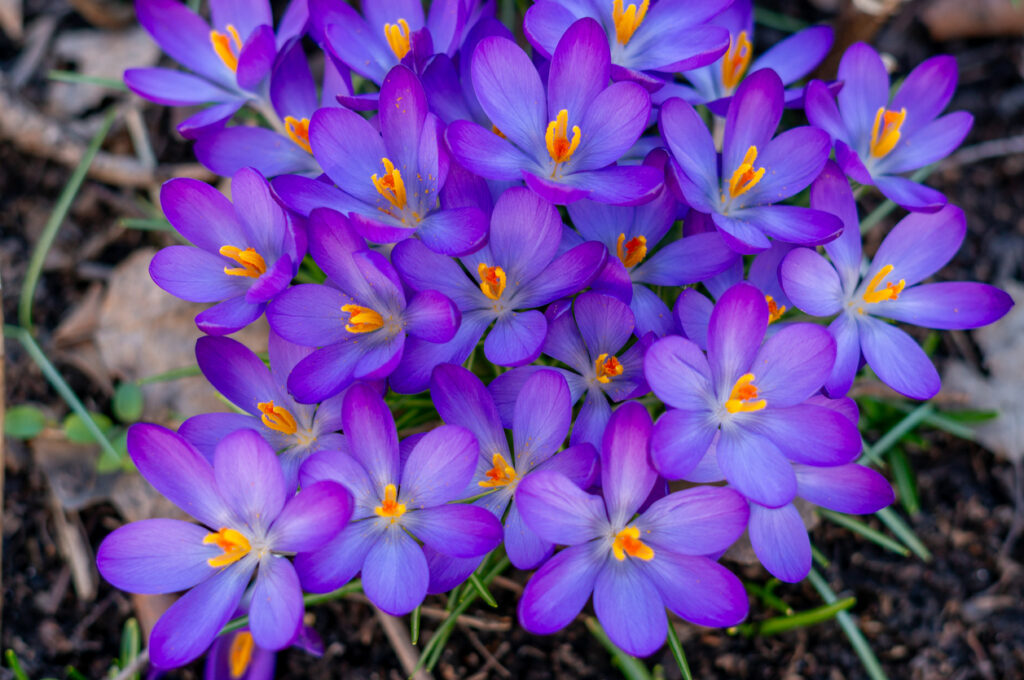
These cheerful bulbs flower from December through March depending on the variety and provide masses of pollen that bees desperately need. You can plant them in lawns where they’ll naturalise over time, or stick them in pots if you don’t have garden space. They’re one of the easiest ways to help early-emerging bumblebee queens who need to rebuild their energy reserves after hibernation.
5. Snowdrops offer early nectar when almost nothing else is blooming.
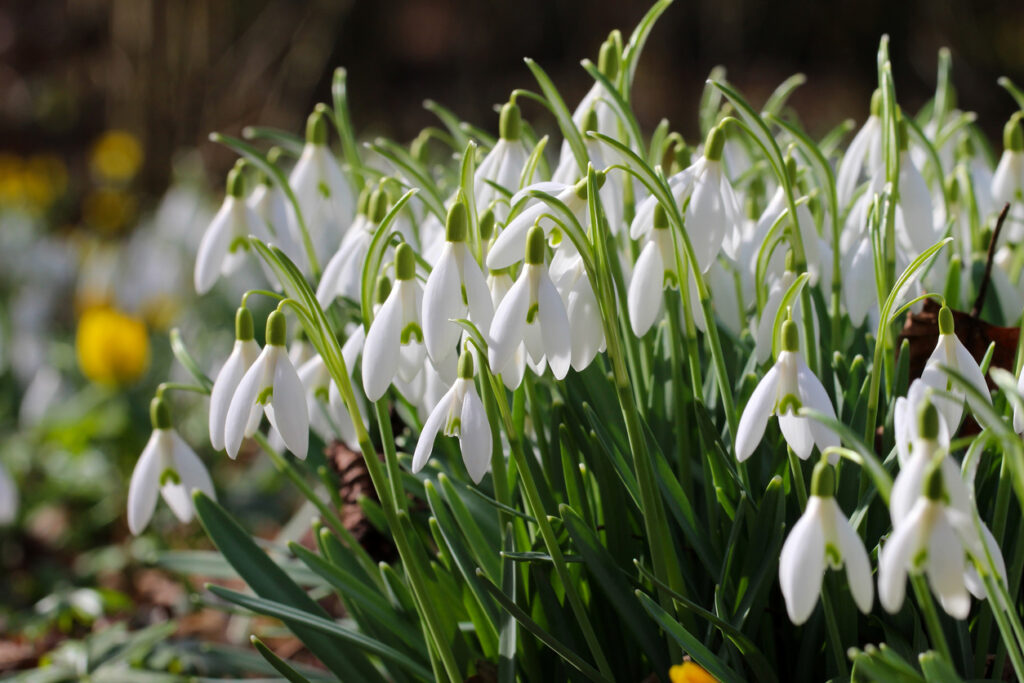
These delicate white flowers often appear in January and February, providing some of the earliest blooms of the season when bees are getting desperate for food. They’re easy to grow in the ground or in pots and will spread gradually to create lovely drifts. Honeybees need to replenish their colony’s food stores, and snowdrops give them one of the first chances to do that.
6. Witch hazel blooms on bare branches with oddly beautiful flowers.
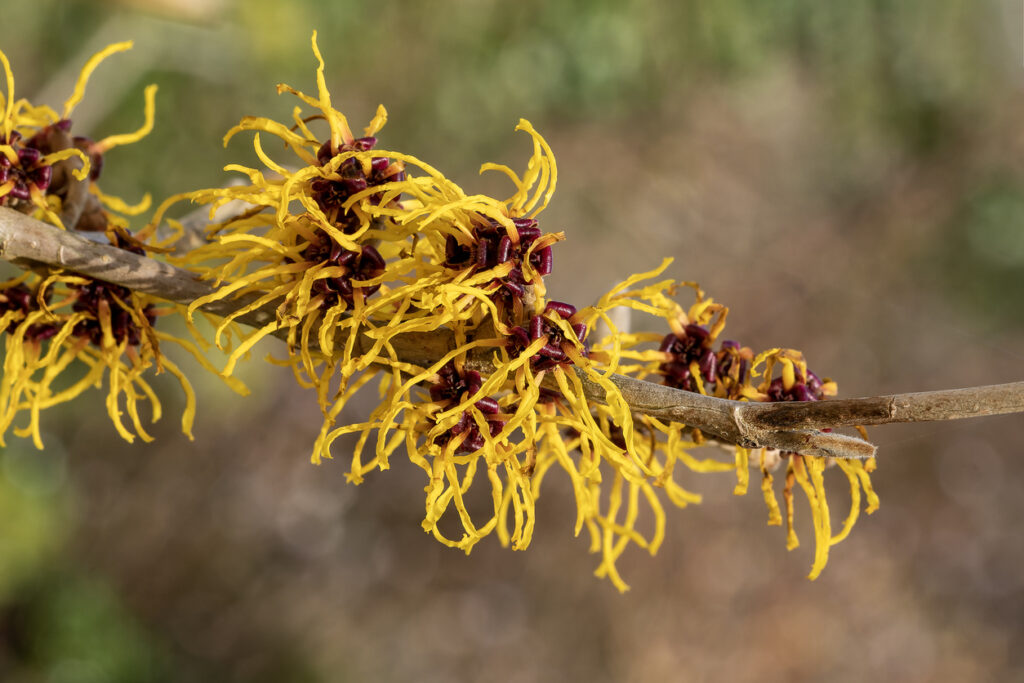
The crepe paper-like flowers in orange, red, or yellow appear before any leaves, making them easy for bees to access. These shrubs flower in the depths of winter when most gardens look completely dead, so the pollen they provide can be the difference between a bee colony surviving or starving. Bees get genuinely excited when they find witch hazel in bloom.
7. Winter jasmine produces bright yellow flowers throughout winter.
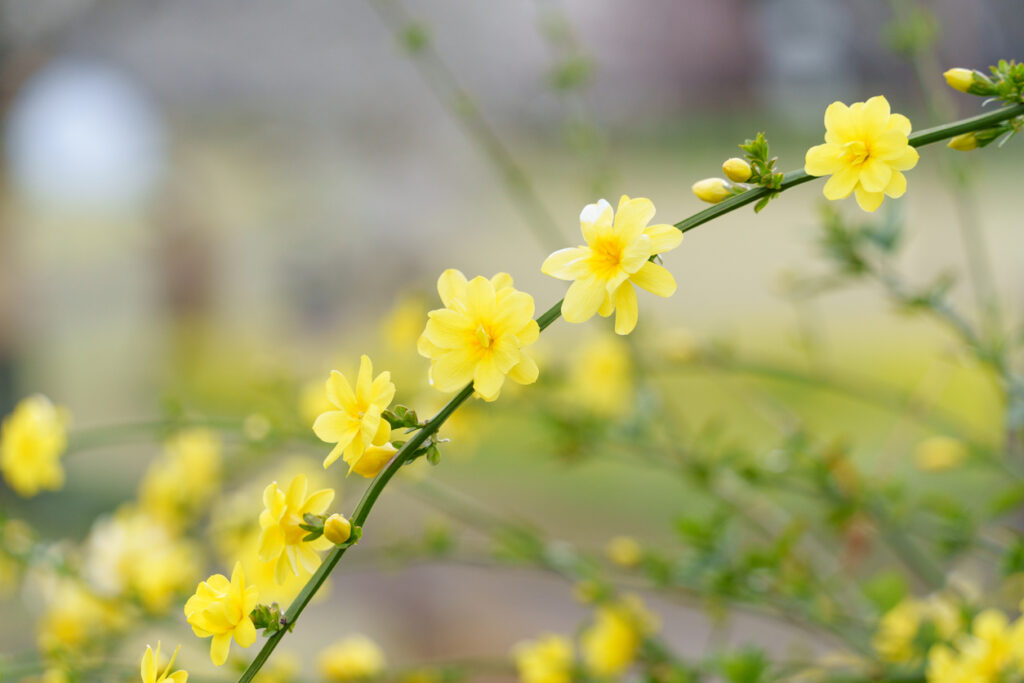
This vining shrub doesn’t have the fragrance of other jasmines, but it more than makes up for it with cheerful yellow flowers that bees can work even on cooler days. It’s hardy and reliable, flowering when very little else is bothering to bloom. The flowers are full of nectar and pollen that help sustain both honeybee colonies and emerging bumblebee queens.
8. Rosemary flowers heavily in late winter when bees are gearing up.
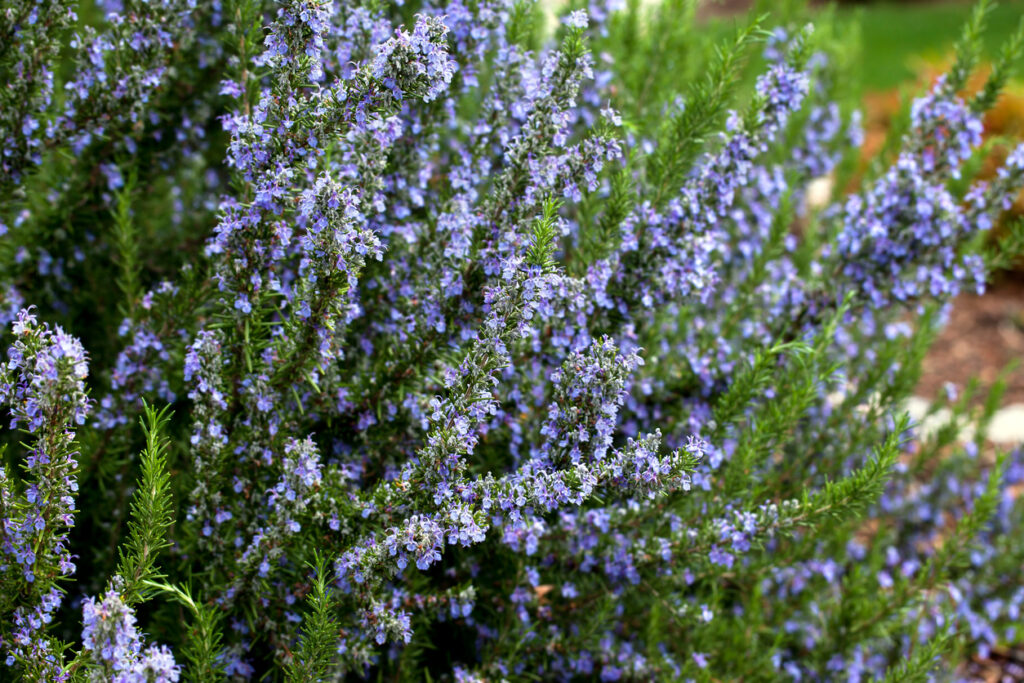
The periwinkle-coloured flowers appear sporadically all winter, but really put on a show in late winter and early spring when bee colonies are ramping up brood production. This means they need loads of pollen to feed developing larvae, and rosemary provides exactly that. It’s also a useful herb for cooking, so you’re getting dual benefits from growing it.
9. Hazel and pussy willow catkins provide crucial early pollen.
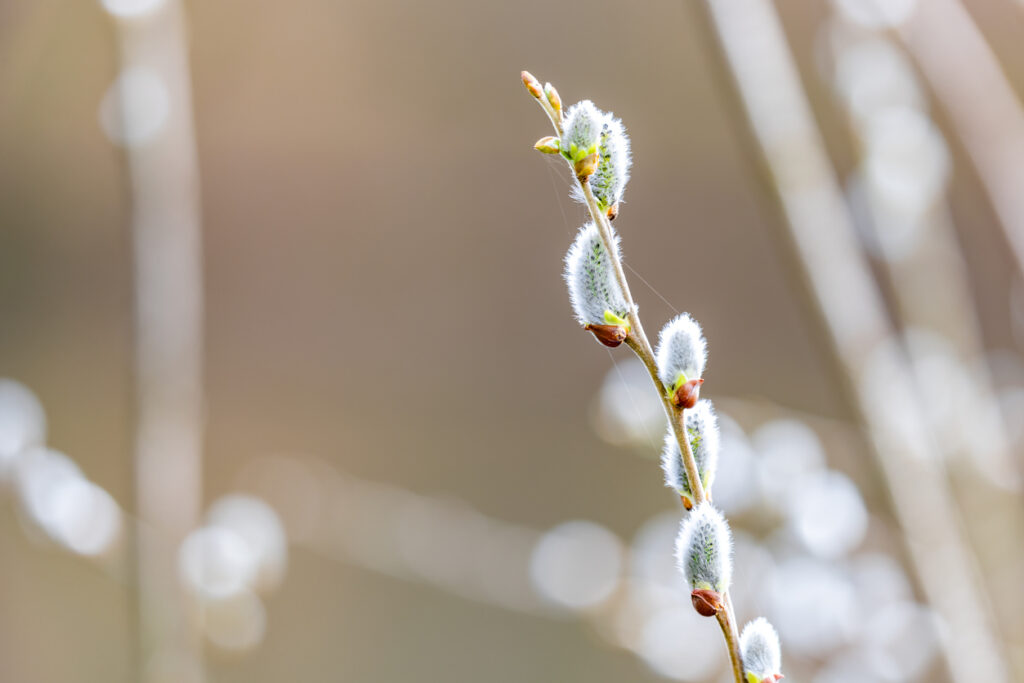
These catkins appear in February and March, offering one of the earliest concentrated sources of pollen for bees raising new generations. Hazel catkins in particular are essential for honeybee colonies trying to expand after winter. The catkins might not look like traditional flowers, but bees know exactly what they are and swarm them when they appear.
10. Early-blooming fruit trees offer hundreds of flowers in one go.
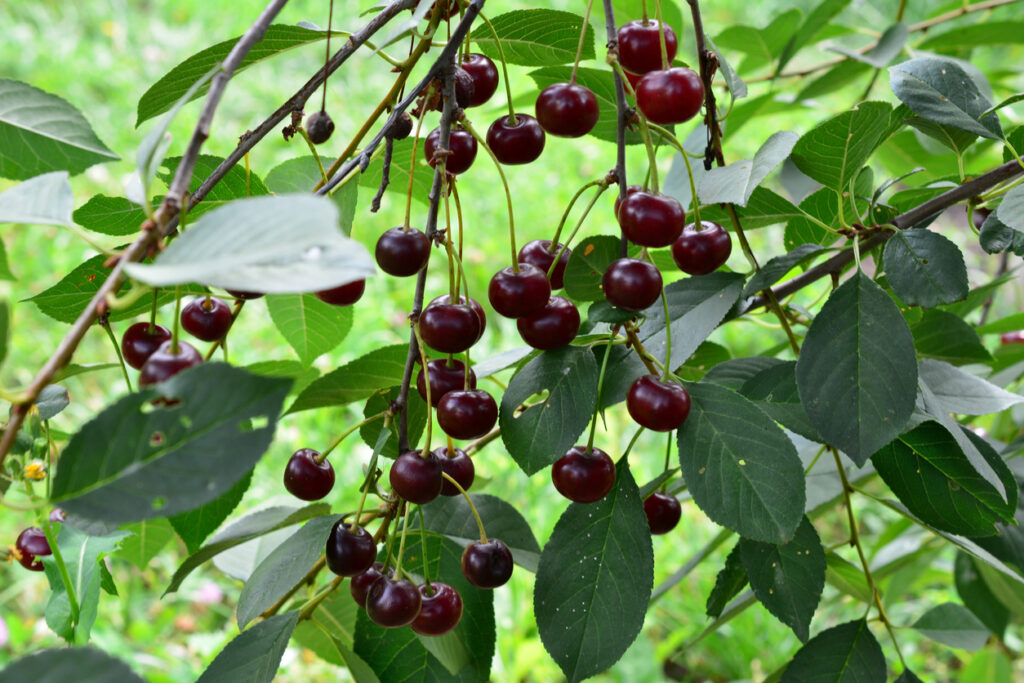
Cherry, apple, plum, and pear trees that flower in February and March provide massive concentrated food sources when bees need them most. Each tree bears hundreds of flowers packed with nectar and pollen, so one tree can support loads of bees at once. If you’re thinking about planting a tree anyway, choosing an early-flowering variety makes a huge difference to struggling bee populations trying to survive winter.