While the idea of a pet usually brings to mind a golden retriever or a tabby cat, there’s a small but growing number of people in the UK keeping things that could actually kill them.
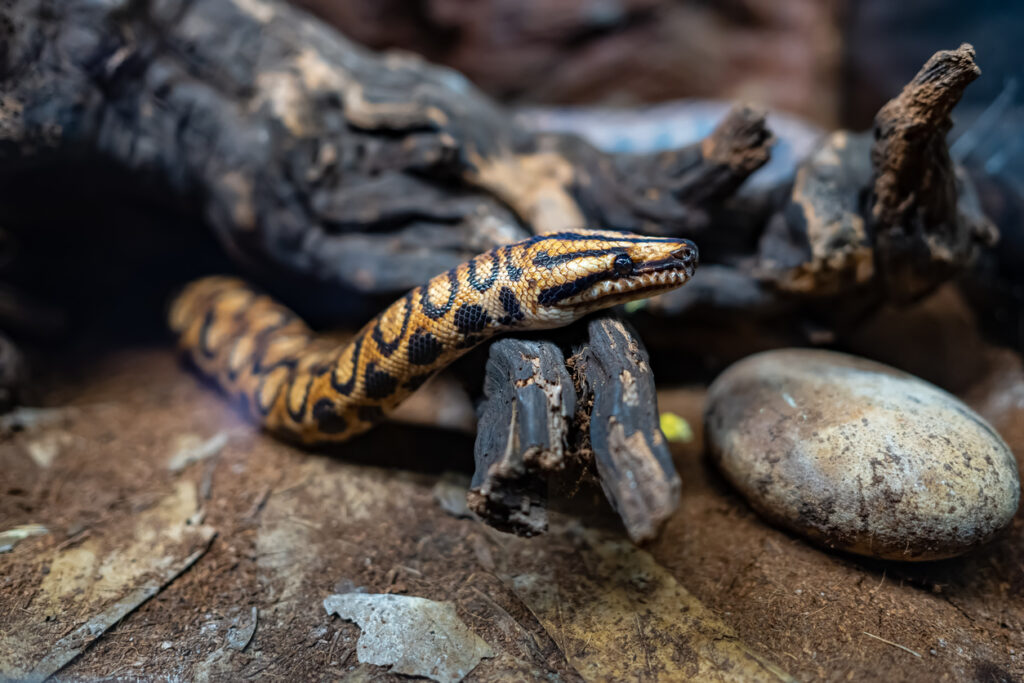
We’re talking about everything from venomous snakes and scorpions to full-grown big cats and crocodiles living in suburban spare rooms or reinforced sheds. Most of these owners aren’t looking for a cuddle; they’re often drawn to the challenge or the status of owning something that most people would run away from.
It’s not just about the person who bought the animal, either. Local authorities are constantly having to move the goalposts on licensing and safety checks to make sure these private collections don’t turn into a disaster for the neighbours. This is the sad reality of the exotic pet trade, and some of the most dangerous creatures currently living behind ordinary front doors across the country.
Over 2,700 dangerous animals are legally kept in UK homes.

According to Born Free’s 2023 research, more than 2,700 dangerous wild animals are being kept as pets across Britain under official licences. That’s not counting the ones being kept illegally. The list includes lions, tigers, crocodiles, venomous snakes, cheetahs, and even a lynx in Lincolnshire. These aren’t in zoos or wildlife centres, they’re in people’s houses and back gardens.
There are 10 times more venomous snakes in homes than in zoos.

Over 400 licences have been granted for venomous snakes across the UK, which is ten times the number kept in British zoos. We’re talking about killer cobras, rattlesnakes, and bush vipers living behind suburban fences. Someone in Bedfordshire has bush vipers, one of the most dangerous snakes in Africa, presumably sharing their postcode with families who have no idea.
Servals are the most popular dangerous pet right now.
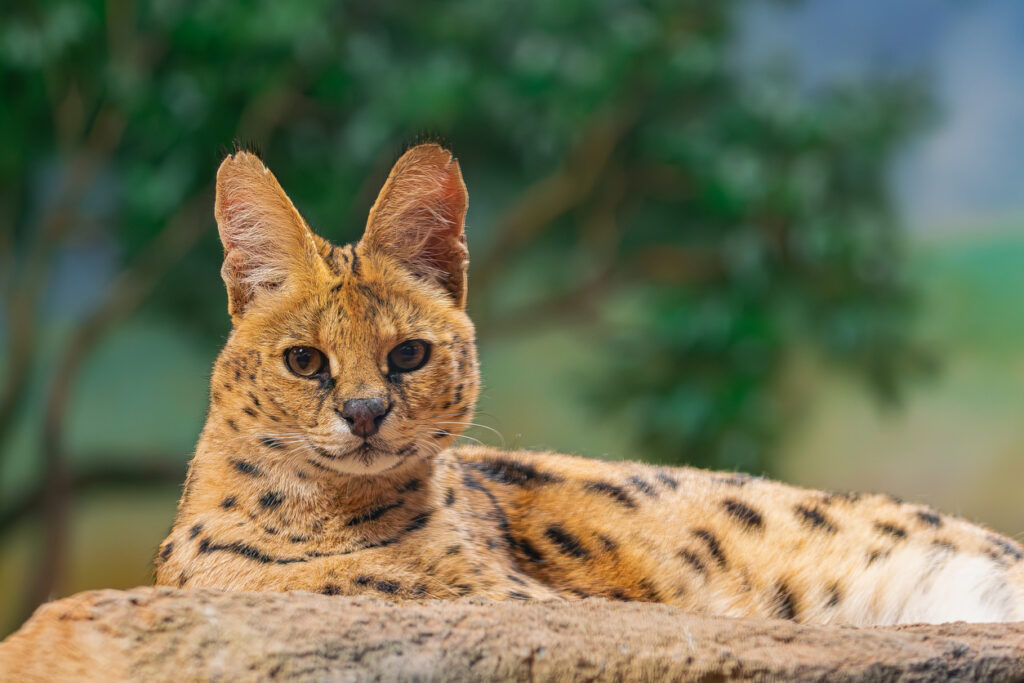
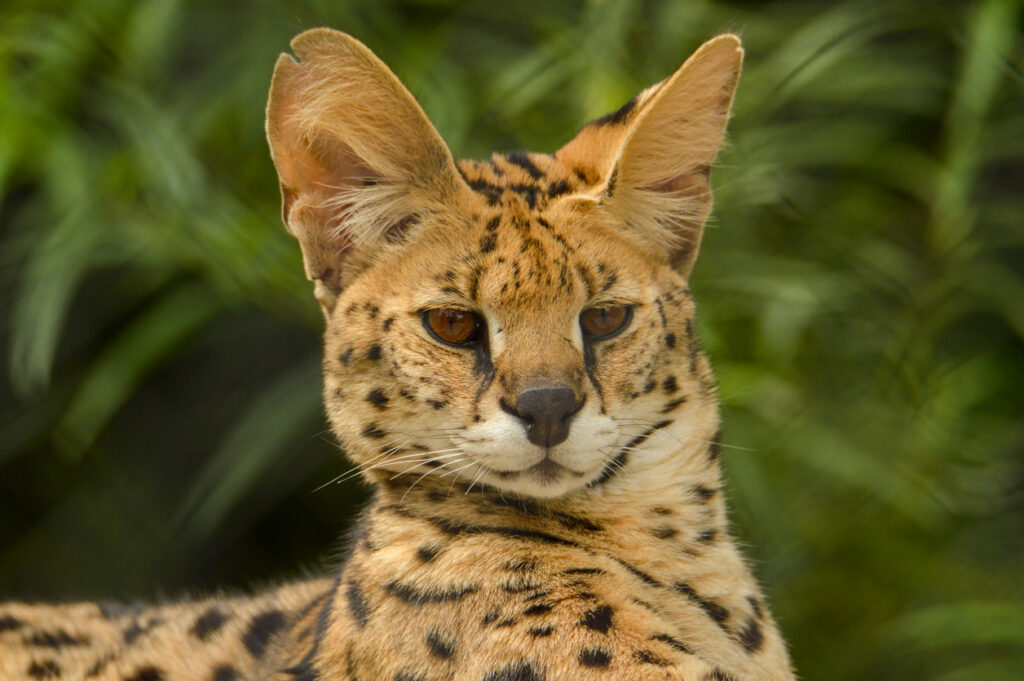
Fifty-three servals and 43 hybrid wild cats are living in UK homes, making them jointly the most popular dangerous pet species. Social media is partly to blame, with serval accounts racking up hundreds of thousands of followers and making these African wild cats look cuddly and manageable. They’re not, but that hasn’t stopped people applying for licences.
You can get a licence for about £200 to £500.
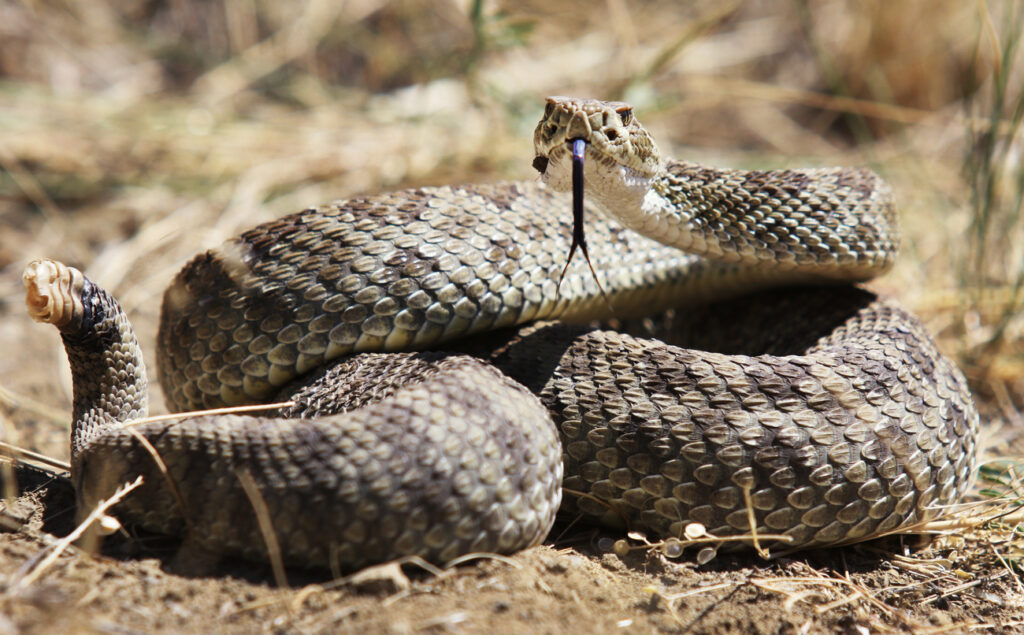
If you want to keep a dangerous wild animal, you just need to apply to your local council for a Dangerous Wild Animals Act licence. Costs vary, but typically range from £200 to £500 for the initial application. Different councils have different requirements and some are stricter than others, which means where you live determines whether you can legally keep a crocodile in your garden shed.
Some people are keeping big cats in their homes.
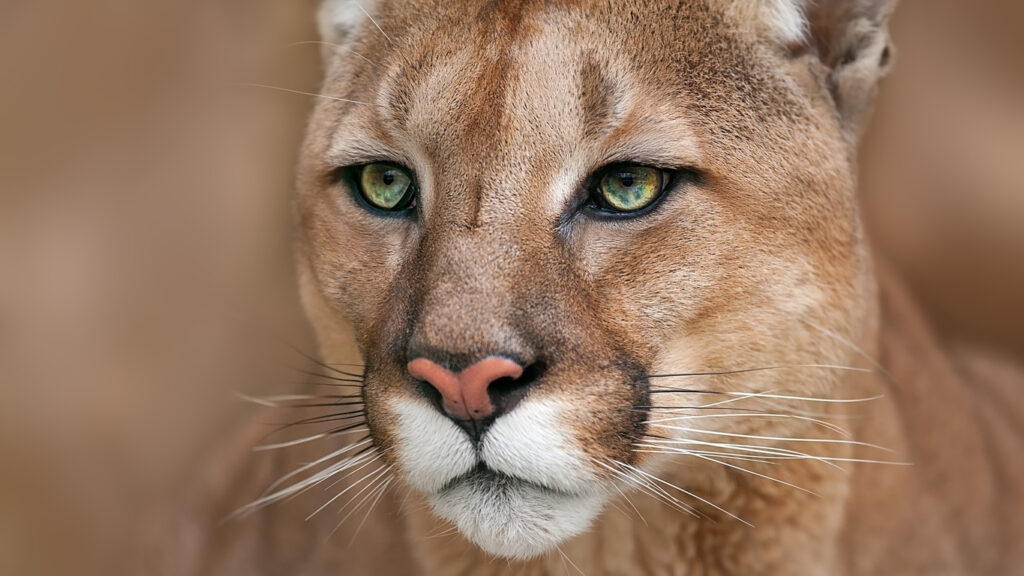
Current figures show 13 tigers, two lions, eight leopards, seven cheetahs and nine pumas living at private addresses across the UK. That’s not including smaller wild cats like servals. These aren’t rescue sanctuaries or professional facilities in most cases, they’re people who fancied having a tiger and managed to convince their local council they could handle it.
An estimated 5,000 primates are being kept as pets.
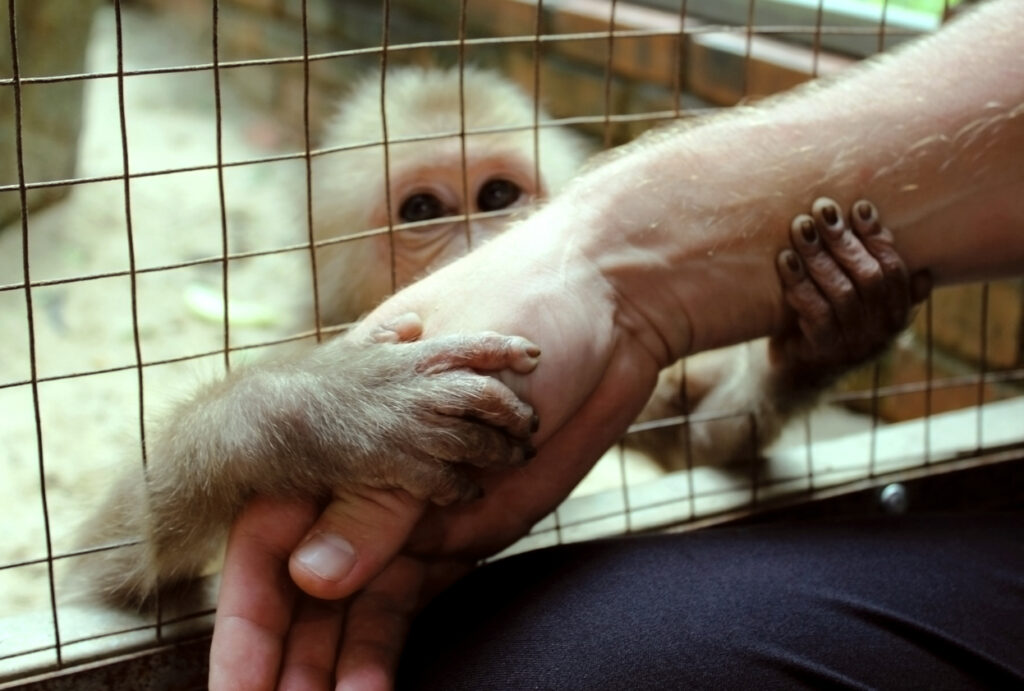
Here’s the thing: primates don’t even need a licence in most cases. The RSPCA says they don’t make suitable companions, but anyone can potentially walk into a pet shop or buy one online. There are believed to be 5,000 primates kept as pets in the UK, though the actual number could be much higher since they’re not tracked like dangerous animals.
Exotic pet ownership has jumped 60% since 2000.

This isn’t a stable trend that’s been around for decades. Dangerous animal ownership has increased by 60% since the year 2000, and the numbers keep climbing. The charity Born Free found the figure went from 2,500 in 2022 to 2,700 in 2023, and that’s just what’s officially licensed. The illegal trade is impossible to quantify but believed to be substantial.
Between 2014 and 2018, over three million exotic animals were imported.
Research by World Animal Protection found that more than three million animals were imported into the UK and sold as exotic pets in just five years. Many brought harmful bacteria or viruses with them. Every year, 2.7 million human deaths worldwide are attributed to zoonotic diseases, and the pet trade creates perfect conditions for disease transmission by putting stressed wild animals in close proximity to people.
Snake bites have increased as more people keep them.
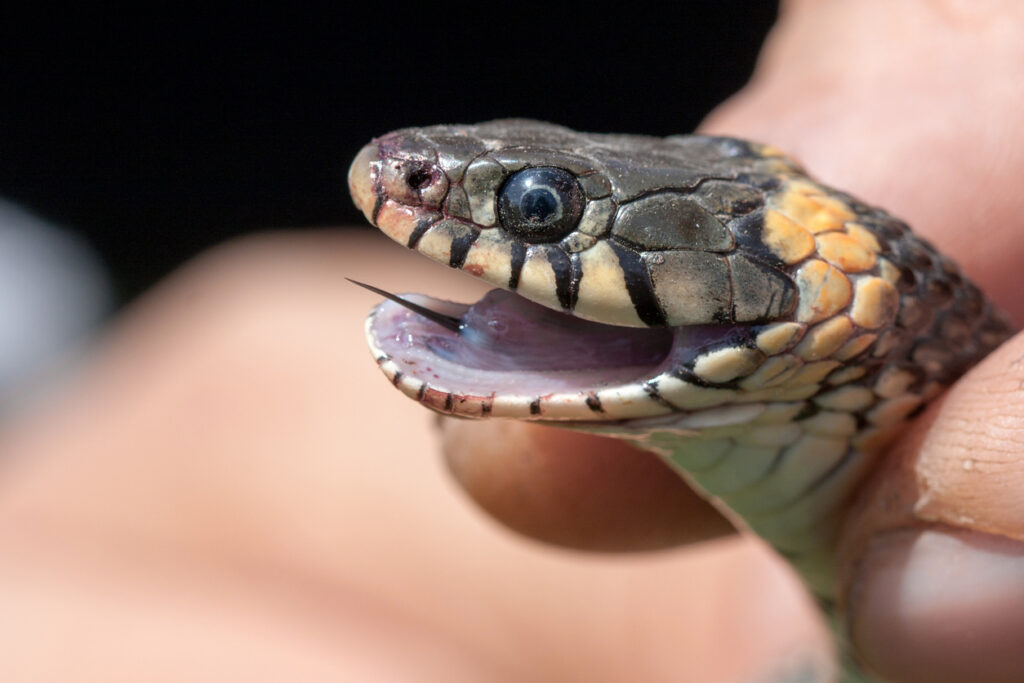
A 2022 study found that the growing popularity of snakes as pets has led to an increase in bites, usually after “deliberate handling” by owners. People think they’ve got their venomous snake under control until they don’t. Hospital admissions for bites, envenomations, and stings from exotic pets are rising, though the actual figures are conservative since they only include serious cases requiring full hospital consultation.
The 1976 law governing this is completely outdated.

The Dangerous Wild Animals Act was passed in 1976 and hasn’t kept up with modern understanding of animal welfare or public safety. It operates on a “negative list” where anything not specifically banned can be kept, and it focuses mainly on protecting the public rather than the animals’ welfare. Pet shops are even exempt from the Act despite the risks being identical, and many genuinely dangerous species aren’t included on the schedule at all.