Rising sea levels and extreme weather are no longer just problems for the other side of the world; they’re starting to look like a very real threat to several parts of the UK.

We’ve spent centuries building towns right on the edge of the water, but the old defences simply weren’t designed to handle the pace of change we’re seeing now. It’s a grim reality, but some communities are already being told that their homes might not be viable in another 20 or 30 years. It’s moving away from being a theoretical debate and becoming a massive logistical problem for local councils and the people living on the front line.
These are some of the coastal and low-lying areas that are essentially on borrowed time as the government begins to weigh up the cost of defending them against the reality of managed retreat.
Fairbourne gets the dubious honour of being first.

Fairbourne in North Wales became the UK’s first village officially earmarked for “decommissioning” back in 2014. The 850 residents were told their sea defences won’t be maintained beyond 2054, and the whole place will be returned to marshland. House prices collapsed by 40% overnight, mortgages became impossible to get, and people who’d planned to retire there suddenly found themselves branded as Britain’s first climate refugees.
Happisburgh is losing ground fast.
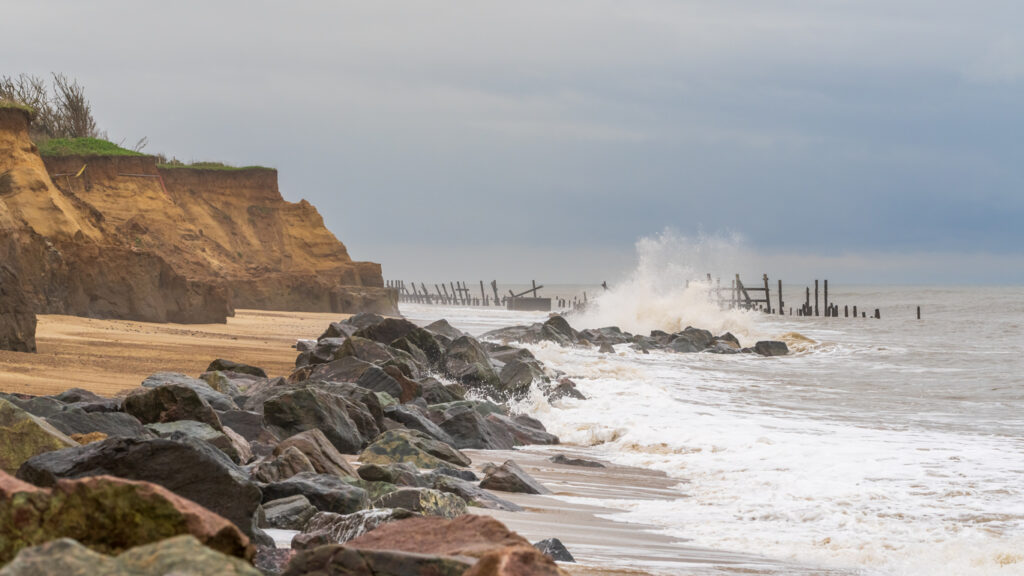
Known as England’s worst-hit village for coastal erosion, Happisburgh in Norfolk is expected to lose another 97 metres of coastline over the next 20 years. Residents have watched entire sections of cliff drop into the sea with a sound like thunder. The village’s old sea defences were removed in the 1990s because they were too dangerous, and homes have been steadily demolished ever since as the coastline retreats.
Skipsea’s residents are living on borrowed time.
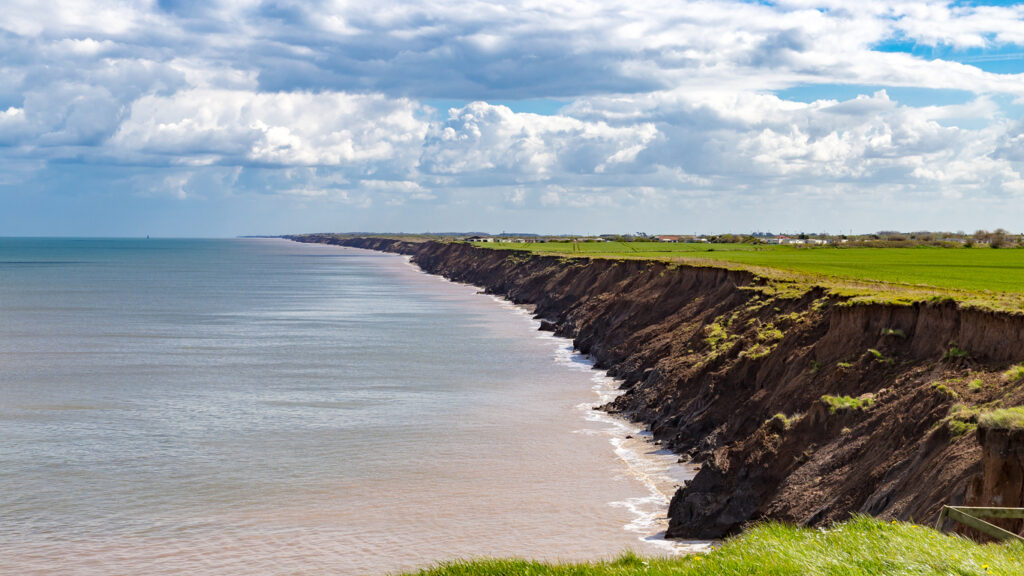
Skipsea in East Yorkshire sits on the fastest eroding coastline in Europe, losing up to 4.5 metres per year. What used to be 19 properties on Green Lane is now down to 16, and residents have been told they’ll need to leave within a couple of years. The worst part is they have to pay around £6,000 towards demolishing their own homes, even though neighbouring towns got sea defences while they were left unprotected.
East Yorkshire has demolished 66 homes in a decade.

The council’s coastal manager calls it “death by a thousand cuts” as the region loses homes, businesses, roads, and farmland year after year. Over the last decade alone, 66 residential properties have had to be knocked down. Looking forward, they’re expecting to lose at least 127 houses over the next century, though the actual number will likely be much higher.
Norfolk’s coast is disappearing just as quickly.
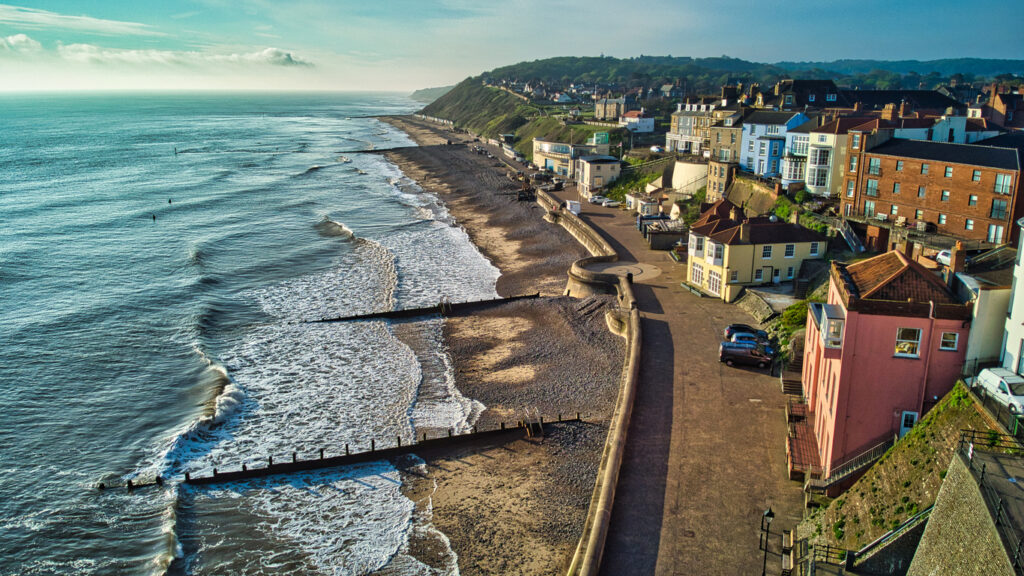
Norfolk shares the dubious distinction with East Yorkshire of having the greatest number of homes at risk in England. The soft, sandy coast has always been vulnerable, but climate change is speeding everything up. Villages here have been slipping into the North Sea for centuries, and that process is only accelerating with rising sea levels and more extreme storms.
Twenty-one villages are on the chopping block.
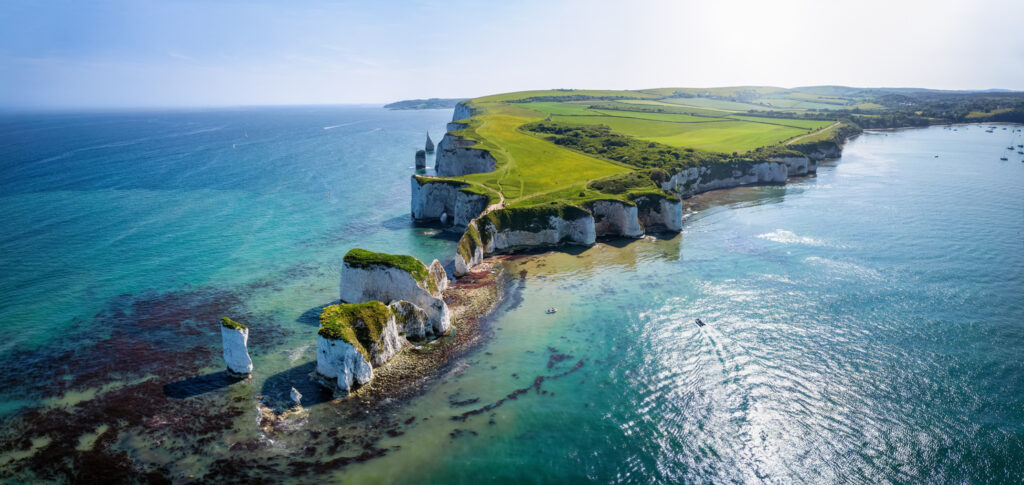
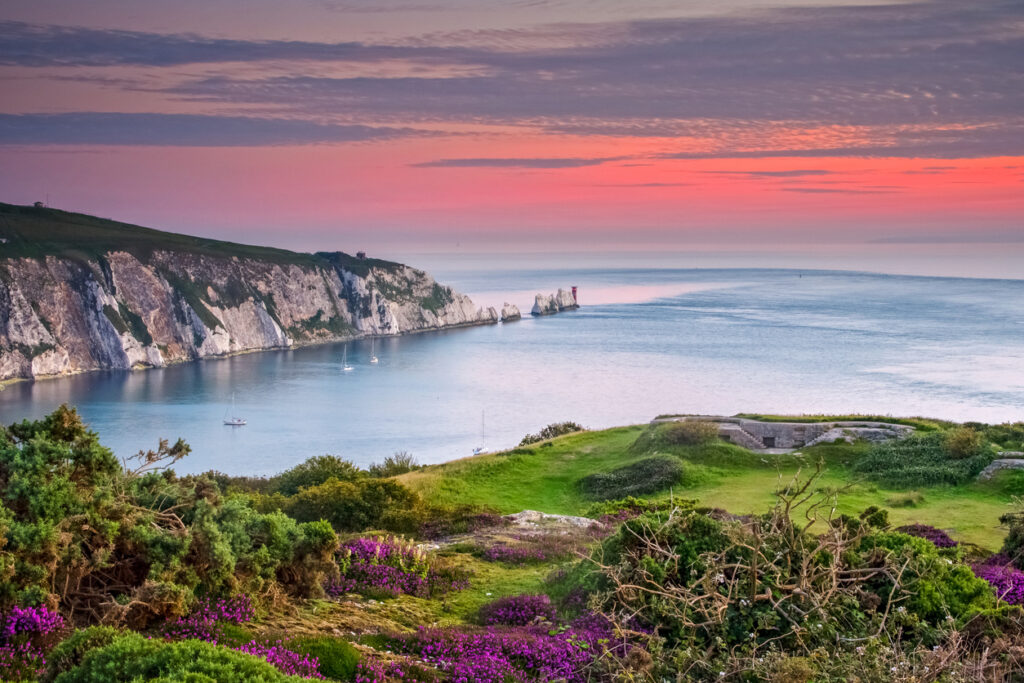
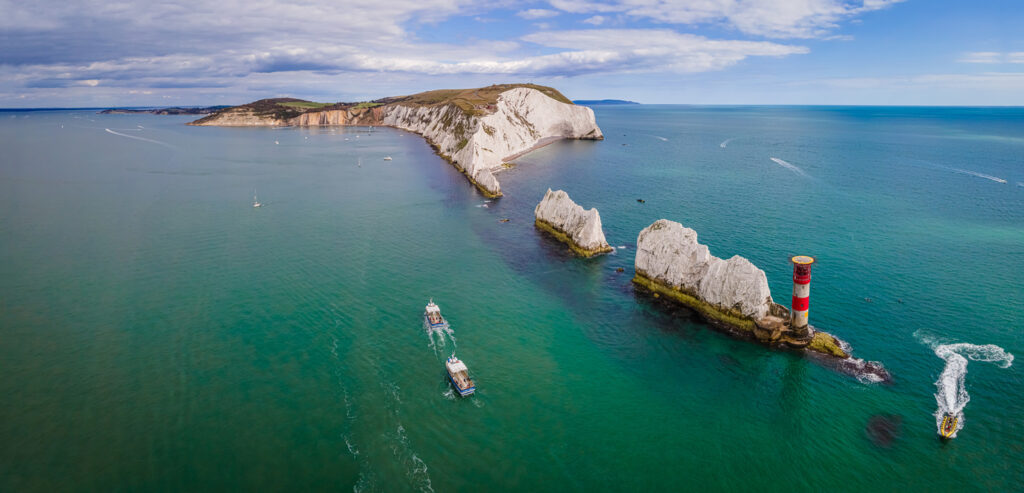
Research has identified 21 English coastal communities most at risk of being lost by 2100, scattered across Cornwall, Cumbria, Dorset, Essex, Kent, Isle of Wight, Northumberland, Norfolk and Sussex. Together, these villages contain 2,218 properties worth about £584 million. That’s assuming all planned sea defences actually get built, which is looking increasingly unlikely given the cost.
Hemsby lost eight metres in two weeks.
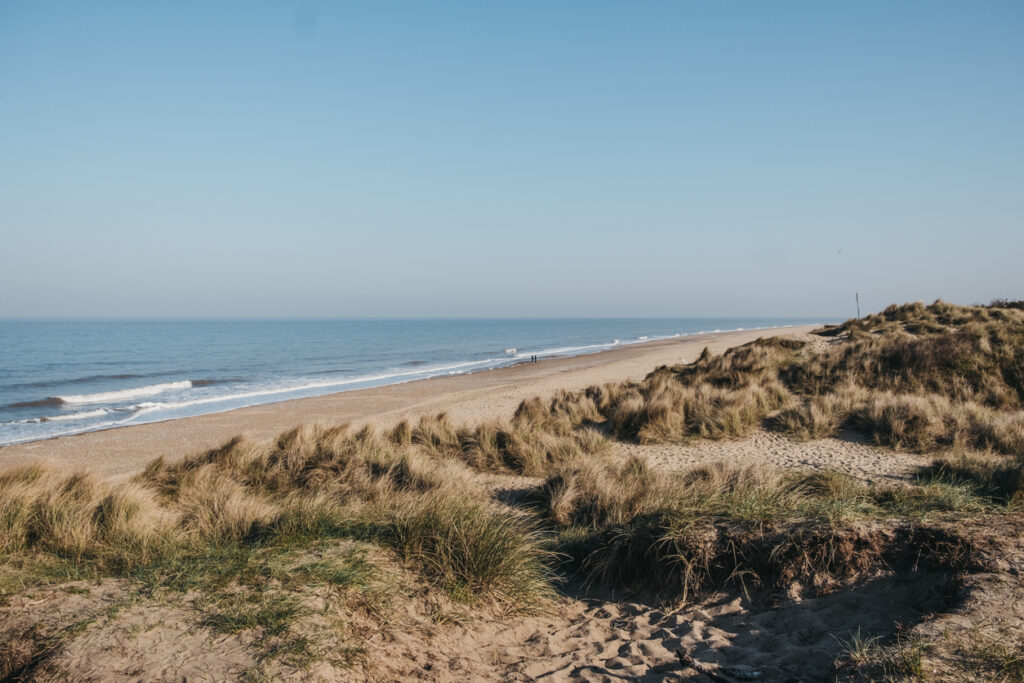
Hemsby in Norfolk made headlines in March 2023 when it lost eight metres of land in just two weeks following storm surges. Several homes have been dramatically lost over the years as the sandy cliff edge collapses. The village has seen metres of coastline disappear during major storms, leaving houses dangling over the edge before they’re condemned and demolished.
Nine thousand properties were meant to be safe by now.
Back in 2018, the Committee on Climate Change calculated that around 9,000 properties in England were at risk from coastal erosion by 2025. We’ve passed that date now, and the number is projected to increase fifteenfold by the end of the century. Whole communities are being disrupted as more buildings, roads, and farmland slip into the danger zone.
Hull could become Britain’s Venice.
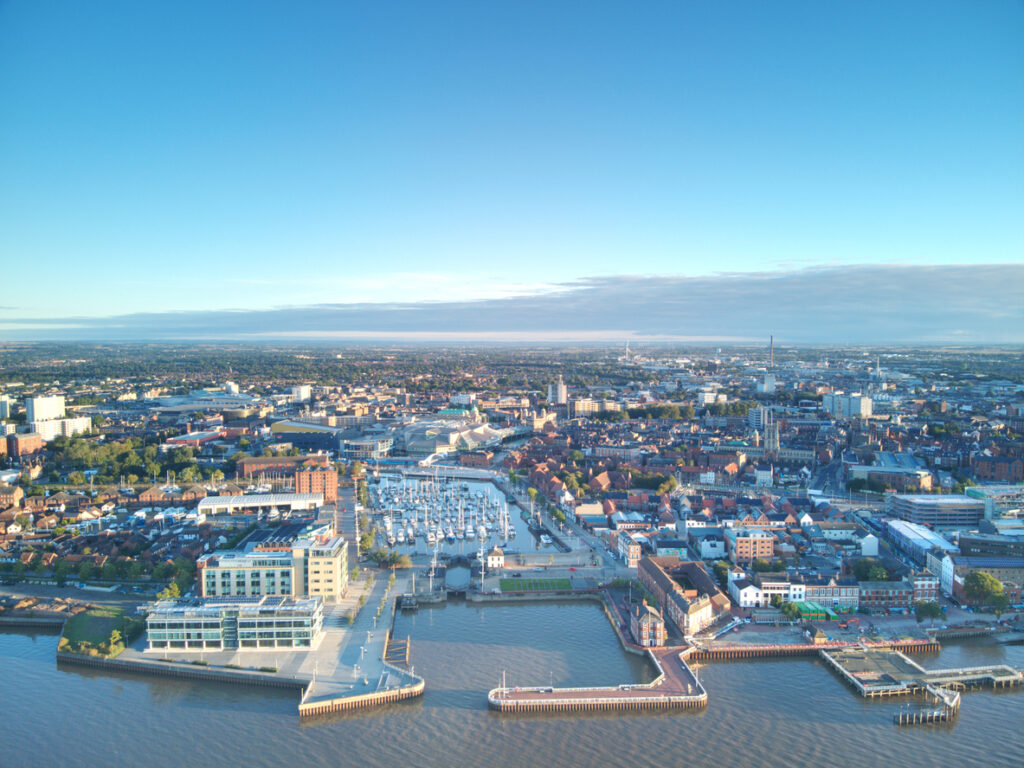
About 90% of Hull sits below the high tide line, making it the second-most at-risk British city after London for flooding. The difference is London has the Thames Barrier, while the Humber Estuary has virtually no protection. The city’s at risk from groundwater, rainwater, and tides all at once, and only 2% of land in Hull is considered safe from flooding.
The Thames Estuary faces its own reckoning.
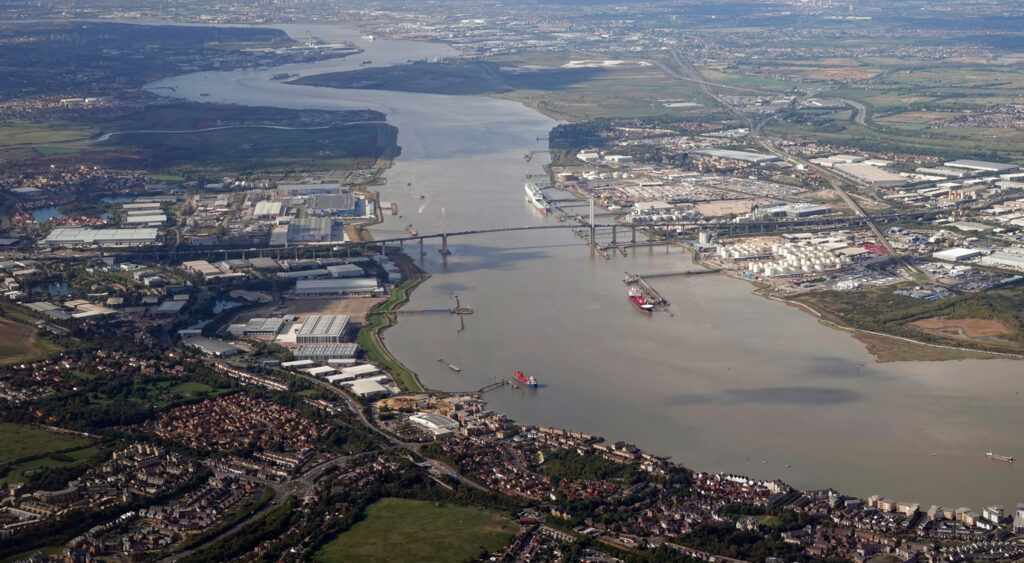
While London has the Thames Barrier for now, the flood risk management plan is having to account for accelerating sea level rise. Projections range from 4 mm per year until 2025 (already passed) up to 15 mm per year by the end of the century. During the 1953 floods, 100 people died in the Thames Estuary alone, and that was before climate change started ramping things up.
Scotland’s looking at 80% more properties at risk.
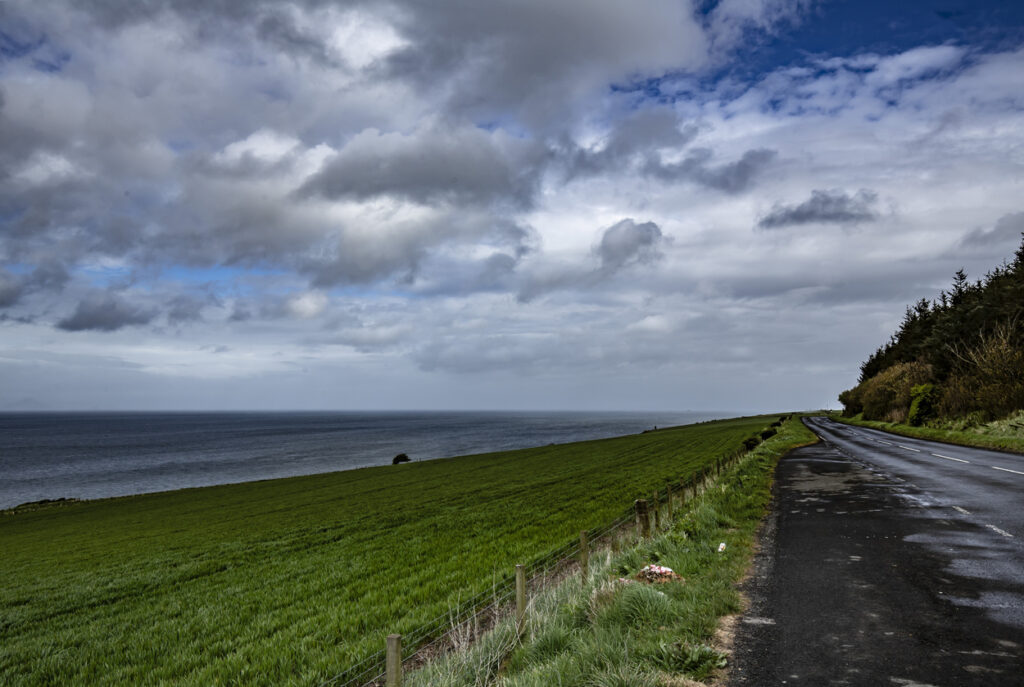
By 2080, Scotland is expecting 80% more properties to face river and coastal flood risk. Surface water flooding is set to more than double. The rising temperatures and increased rainfall mean drainage systems that were perfectly adequate a few decades ago won’t cope with what’s coming.
Wales is staring down an 88% increase.

River and coastal flood risk in Wales is projected to jump by 88% by 2120, with surface water flooding up by 47%. Fairbourne might be the first Welsh village officially earmarked for abandonment, but it certainly won’t be the last. The west Wales coastline has multiple communities facing similar fates, they just haven’t been told yet.
There’s no plan for where people actually go.
Here’s the kicker: there’s no national framework for helping people relocate, no compensation scheme, and no one’s building new villages inland to house climate refugees. Residents are told they can’t be forced from their homes against their will, but they’re also given no help staying or leaving. Insurance becomes impossible, house values plummet, and people are left in limbo waiting for a plan that doesn’t exist.