Most people assume that animals are just living in the moment, but it turns out a fair few of them have memories that are a lot more sophisticated than we give them credit for.

It’s not just about a dog remembering its owner; there are several species that can pick a specific human out of a crowd years after they last saw them. Whether it’s a bird that holds a grudge because you got too close to its nest or a farm animal that remembers which person always brings the best snacks, these creatures are constantly filing away data on who is a friend and who is a threat.
It’s a bit of a reality check to realise that while you’ve completely forgotten about that one afternoon in the park, the crow on the fence might still have your description logged in its system. Here are 10 animals with the mental capacity to remember exactly who you are, proving that their world is far more observant than it looks.
1. Crows remember your face and your behaviour.

Crows don’t just recognise humans as a general category. They can remember individual faces with startling accuracy, especially if an interaction carried strong emotion. A single negative encounter, like being chased away or startled, can be enough for a crow to mentally tag a person as dangerous.
What makes this even more unsettling is how long that memory lasts. Studies and long-term observations show crows recognising specific people years later, reacting before the person does anything at all. They also pass this information on to other crows, meaning your reputation can spread through an entire local population without you ever realising it.
2. Elephants remember people long after they’re gone.

Elephants have one of the strongest long-term memories in the animal kingdom, and that includes human faces. Conservation workers frequently report elephants responding differently to people they haven’t seen in decades, sometimes showing calm familiarity, other times visible tension. It’s not shallow or neutral. Elephants remember how humans made them feel. Gentle treatment, patience, and consistency tend to be met with trust later on, while stress or aggression can linger in memory for years. For elephants, faces are tied directly to emotional history.
3. Dogs visually recognise humans, not just by scent.
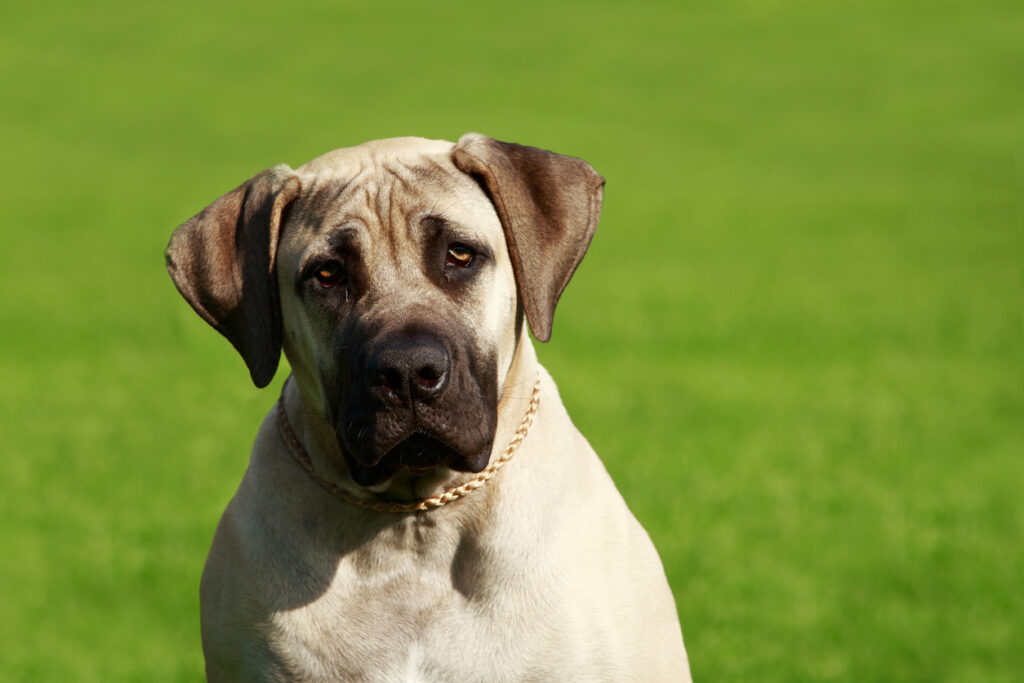
Dogs are often assumed to rely almost entirely on smell, but research shows they also recognise human faces visually. They can distinguish familiar faces from unfamiliar ones and connect those faces with previous experiences, good or bad. That’s why a dog might immediately warm to someone it hasn’t seen since puppyhood, or stiffen around someone who once frightened it. The reaction isn’t random or purely emotional. The face itself is part of the stored memory, even when scent or context has changed.
4. Horses remember faces associated with safety or stress.
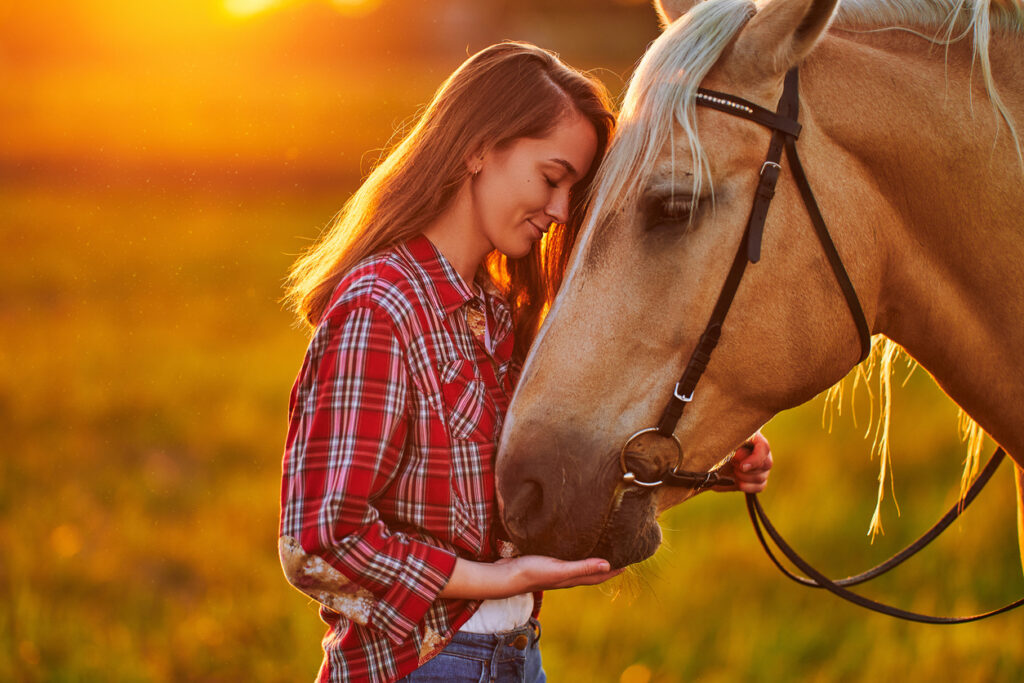
Horses are highly attuned to human body language, facial cues, and emotional state. They can recognise people who handle them regularly and respond differently based on past treatment. Even after long periods apart, horses often show clear recognition through posture, ear movement, and willingness to engage. A calm, predictable human face becomes associated with safety, while an unpredictable one may trigger caution long before any action is taken.
5. Dolphins recognise individual humans over time.
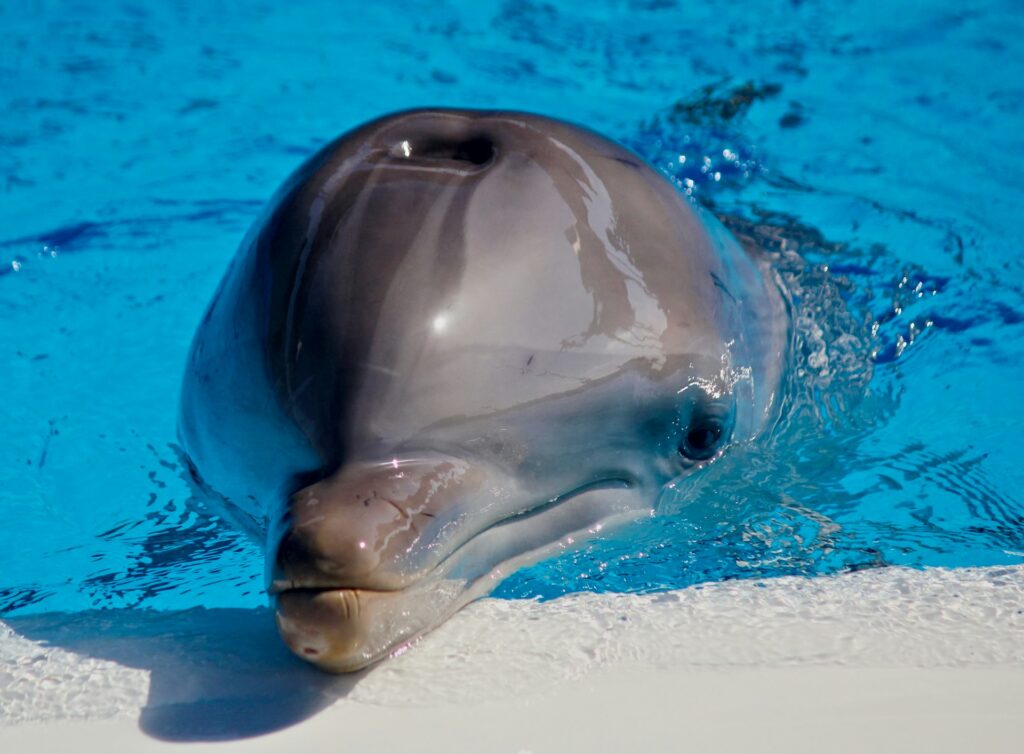
Dolphins are socially complex animals with strong visual memory. They can recognise individual humans, especially those they interact with repeatedly, and respond based on those past interactions. Needless to say, this influences behaviour in subtle but consistent ways. Familiar humans may be approached more readily, mimicked, or engaged with during play. Unfamiliar faces are often treated more cautiously, showing that dolphins aren’t just reacting to novelty but to recognition.
6. Pigeons can accurately tell human faces apart.

Pigeons are often underestimated, but their visual processing skills are remarkable. Experiments have shown pigeons reliably distinguishing between different human faces, even when those faces are partially altered or shown from different angles. They don’t rely on clothing or movement alone. Facial structure matters. This ability helps pigeons navigate busy urban environments, where recognising individual humans may help them avoid threats or identify reliable food sources.
7. Primates track faces with social meaning attached.
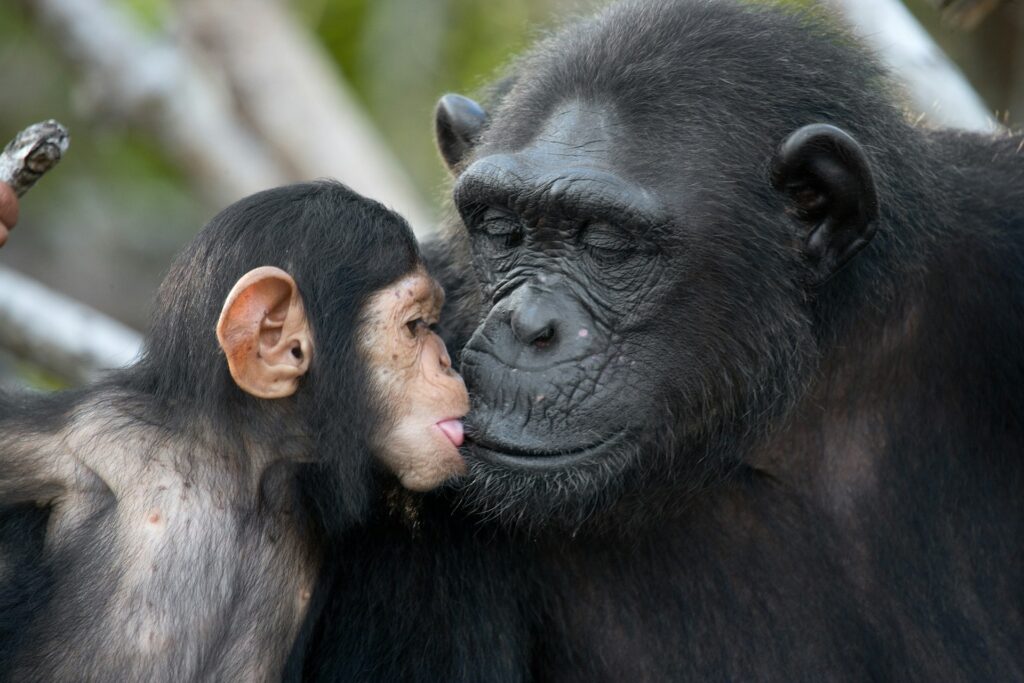
Primates like chimpanzees, macaques, and baboons rely heavily on facial recognition to manage complex social hierarchies. They don’t just recognise faces, they remember expressions, past conflicts, and alliances. That skill extends to humans they encounter regularly. Researchers and caretakers often report primates responding differently to familiar people, showing more relaxed or cooperative behaviour. The face isn’t just recognised. It’s linked to an entire history of interaction.
8. Cats recognise faces, even if they don’t advertise it.

Cats tend to get written off as indifferent, but studies suggest they can recognise their owners’ faces when combined with voice and movement cues. Their reactions are simply more subtle than dogs’. A cat may not rush over or show excitement, but recognition often appears in small shifts. Relaxed posture, slow blinking, or choosing to stay nearby. The face is familiar, even if the response doesn’t match human expectations.
9. Ravens form long-term memories tied to human faces.
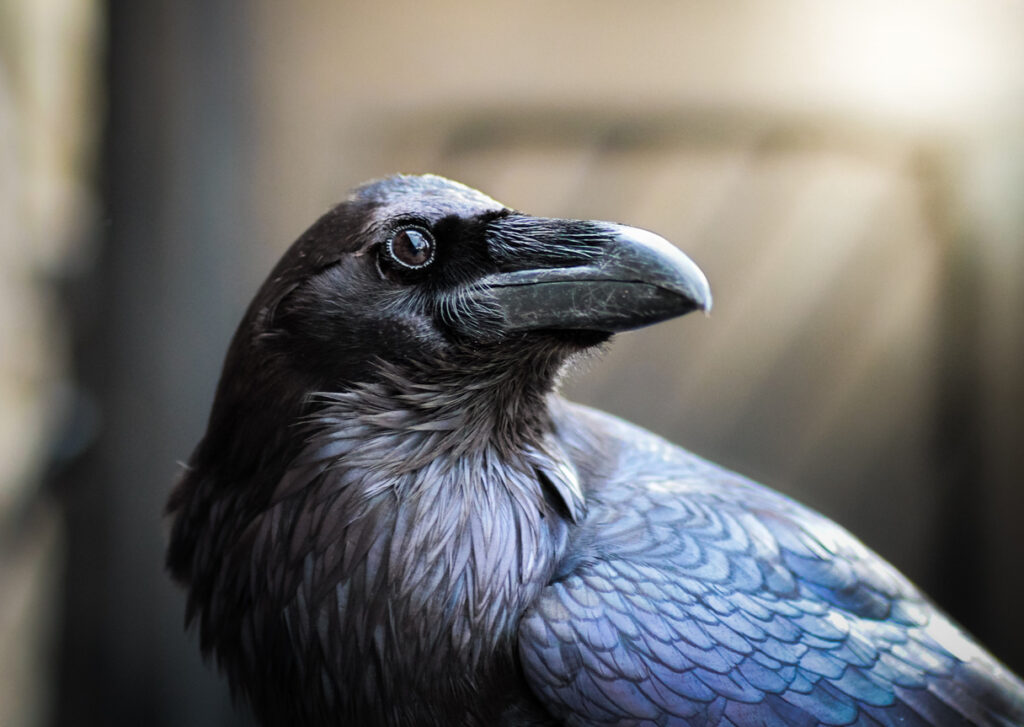
Ravens, like crows, have powerful memories and strong problem-solving abilities. They remember humans associated with food, safety, or threat, and they retain that information for long periods. What stands out is how ravens connect faces to outcomes. If a human face consistently leads to a positive or negative experience, that association sticks. Ravens don’t forget lessons easily, especially when survival is involved.
10. Goats remember familiar humans and adjust behaviour.

Goats might not seem like obvious candidates for facial recognition, but research shows they can distinguish familiar human faces from unfamiliar ones. They respond more confidently and calmly around people they recognise. That recognition builds through repeated interaction. Gentle handling and predictable behaviour strengthen trust, while rough or inconsistent treatment leaves a lasting impression. Even animals we think of as simple remember far more than we expect.