Before machines became cheap, reliable, and powerful, animals weren’t symbolic helpers or background figures.

Instead, they were infrastructure. Entire economies, industries, and daily systems depended on animal labour in ways that are easy to forget now. What machines do today with motors, sensors, and software, animals once did with instinct, training, and physical endurance.
1. Horses powered transport, delivery, and early logistics.

Before engines, horses were the backbone of movement. They pulled carts loaded with goods, hauled building materials, powered early trams, and carried people across long distances. Cities were designed around how far a horse could travel in a day, how much it could pull, and how often it needed rest.
Modern delivery fleets, public transport systems, and logistics networks do the same job with vehicles and fuel. The difference is scale and speed, not purpose. Where machines now move goods endlessly without fatigue, horses once defined the limits of trade, communication, and daily life.
2. Carrier pigeons acted as living communication networks.

Long before digital communication, carrier pigeons delivered messages across cities, borders, and battlefields. They were fast, discreet, and remarkably reliable, often succeeding where human messengers failed due to terrain or danger.
In many ways, pigeons were biological data carriers. Today’s encrypted messaging, satellite links, and emergency communication systems perform the same role with greater capacity, but the core idea is identical: secure information delivery from one point to another, regardless of obstacles.
3. Dogs functioned as early security and detection systems.

Dogs have been used for guarding, tracking, and alerting humans to danger for centuries. Their hearing, smell, and ability to read movement made them natural alarm systems long before cameras or sensors existed.
Modern security systems now rely on motion detectors, cameras, and automated alerts. But dogs brought judgement as well as detection. They could tell the difference between normal activity and real threat, something machines still struggle to do reliably.
4. Oxen powered agriculture before tractors existed.

Oxen were slow but incredibly strong, making them ideal for ploughing fields and pulling heavy farming equipment. Entire agricultural calendars were built around their pace and stamina.
Tractors replaced oxen because they could work longer hours and cover more land quickly. But the function stayed the same. Oxen were biological engines, converting food into sustained pulling power long before fuel-powered machinery took over.
5. Canaries served as early environmental sensors.

In coal mines, canaries were used to detect toxic gases such as carbon monoxide. Their smaller bodies reacted faster than human bodies, providing miners with an early warning to evacuate.
Modern electronic gas detectors now perform this role instantly and without loss of life. Still, the logic remains unchanged. Early detection prevents disaster, whether the sensor is biological or digital.
6. Elephants replaced cranes and heavy machinery.
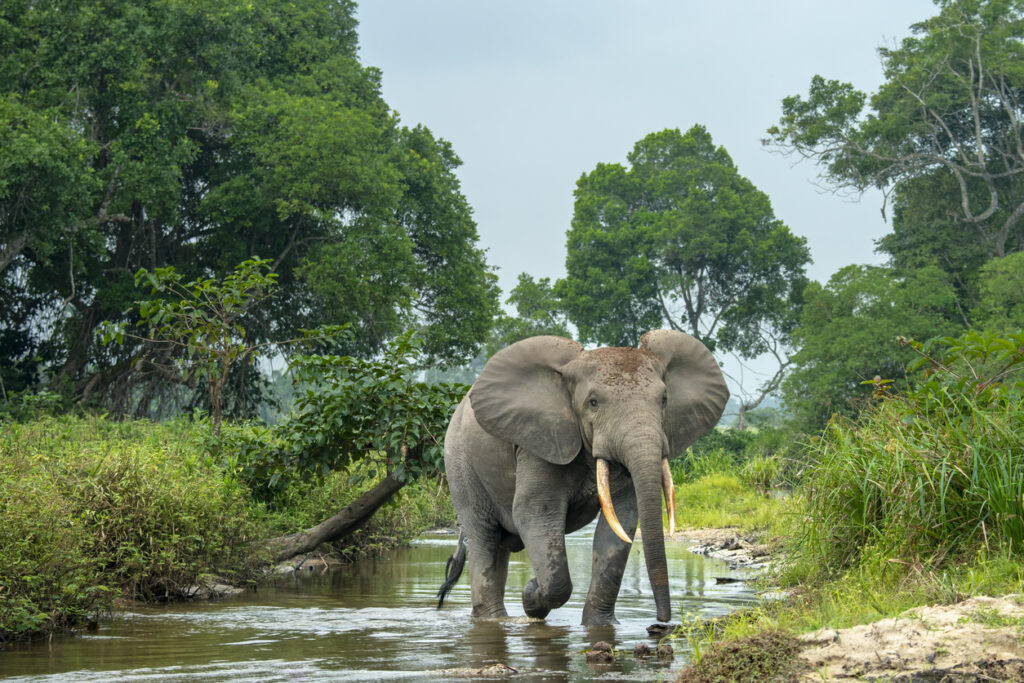
In parts of Asia, elephants were used to move massive logs, lift stones, and transport materials through forests and uneven terrain where wheeled vehicles failed. Their intelligence allowed them to navigate complex environments safely.
Today, cranes, bulldozers, and forestry machines do the same work with hydraulics and steel. But elephants were once the most versatile heavy-lift solution available, combining strength with adaptability that early machines lacked.
7. Cats acted as continuous pest control systems.

Cats were kept in homes, ships, granaries, and warehouses to control rodents that damaged food supplies and spread disease. Their presence alone reduced infestations.
Modern pest control uses traps, chemicals, and monitoring systems to do the same job. Cats were a biological solution that required no infrastructure, power supply, or maintenance schedule, making them remarkably efficient for their time.
8. Dolphins performed underwater detection tasks.
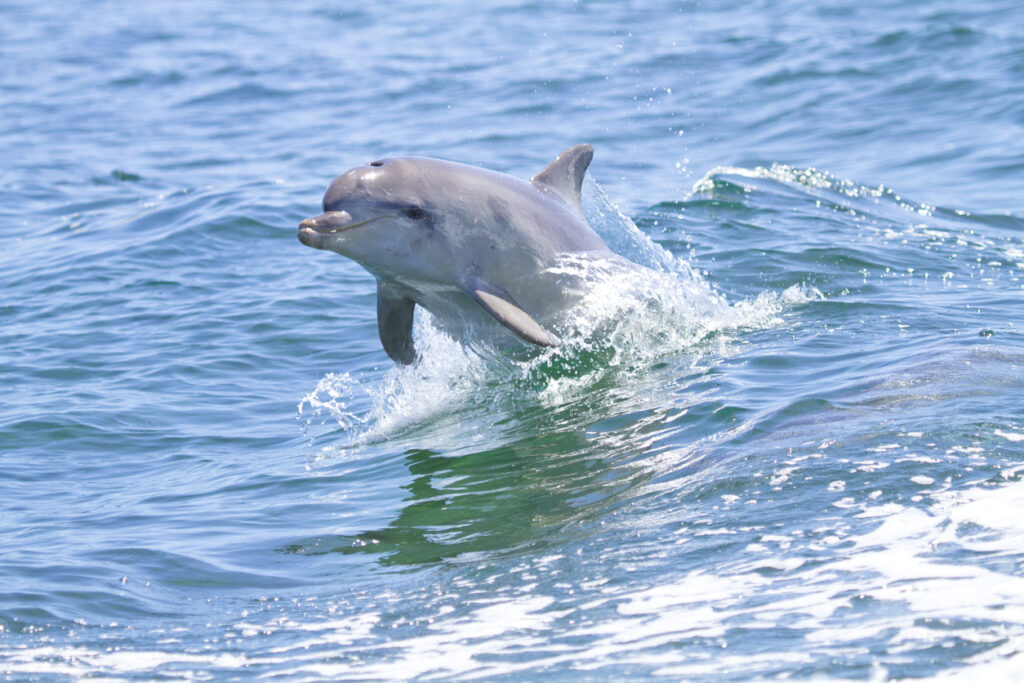
Dolphins have been trained to locate underwater mines and objects using their natural echolocation. In murky or complex environments, their biological sonar outperformed early mechanical systems.
Modern sonar arrays and underwater drones now perform these tasks with consistency and safety. Dolphins demonstrated how biological sensing systems often inspired the technology that later replaced them.
9. Bees acted as essential agricultural machinery.
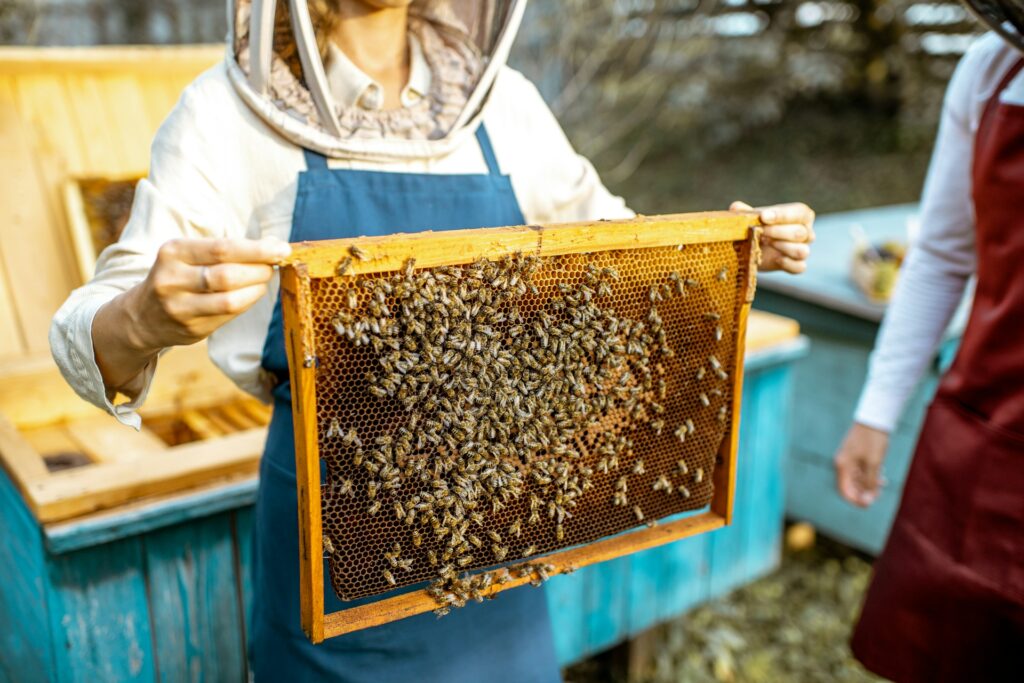
Bees pollinated crops long before humans understood pollination scientifically. Their movement between plants enabled food production on a massive scale without any human intervention.
As bee populations decline, humans are developing mechanical pollination methods and robotic substitutes. These machines attempt to replicate a job nature once handled effortlessly and at scale.
10. Reindeer provided transport in extreme environments.

In Arctic regions, reindeer pulled sleds across snow and ice where wheels and engines struggled or failed completely. They were perfectly adapted to harsh conditions that early technology couldn’t handle.
Modern snowmobiles and tracked vehicles now fill the same role. But reindeer once acted as living transport machines, making survival and trade possible in environments that resisted mechanisation.