There’s nothing quite like a sudden rustle in the bushes or a strange, guttural noise in the dark to make your heart do a bit of a somersault.
Our first instinct is usually to assume the worst, imagining some sort of crazed beast is about to launch a full-on assault. It’s a bit of a classic human reaction to be terrified of anything we don’t immediately understand, but a lot of the time, what we perceive as a threat is actually just an animal doing something completely harmless, if not a bit pathetic.
We’ve managed to turn perfectly normal biological functions, like a display of dominance or even just a weird way of cooling down, into the stuff of nightmares. It turns out that a lot of the things that send us running for the car are just big misunderstandings, and the animals are likely just as confused by our shouting as we are by their antics.
1. Possums hissing and showing all their teeth
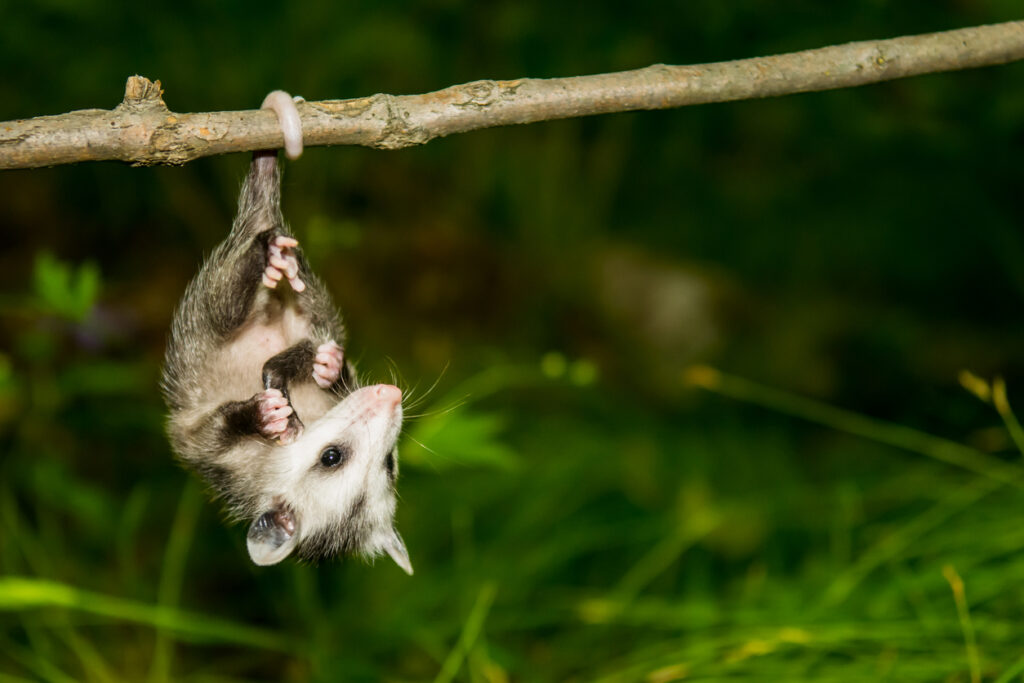
When possums bare their fifty teeth and hiss, people think they’re about to attack, but it’s pure bluff from an animal that can barely defend itself. They’re not aggressive at all, they’re absolutely terrified and trying to look scary enough that you’ll leave them alone.
Possums would much rather run away or play dead than actually fight anything, and that aggressive display is their last-ditch attempt to avoid confrontation. They’ve got no real weapons beyond looking frightening, and if the hissing doesn’t work, they just faint from stress. That mouth full of teeth is basically them screaming “please go away” whilst hoping you believe they’re dangerous.
2. Bats swooping near your head at dusk

Bats diving around you in the evening aren’t targeting you, they’re chasing the insects that are attracted to you or hovering near your warmth. Their echolocation is so precise they could navigate through a room full of moving fan blades, so they’re definitely not going to accidentally fly into your hair.
The swooping that feels threatening is them hunting midges and mosquitoes that are probably annoying you too. People panic about bats spreading rabies, but in the UK bat rabies is incredibly rare, and bats aren’t aggressive toward humans anyway. They’re providing free pest control and avoiding you as much as possible whilst doing it.
3. Swans raising their wings and hissing
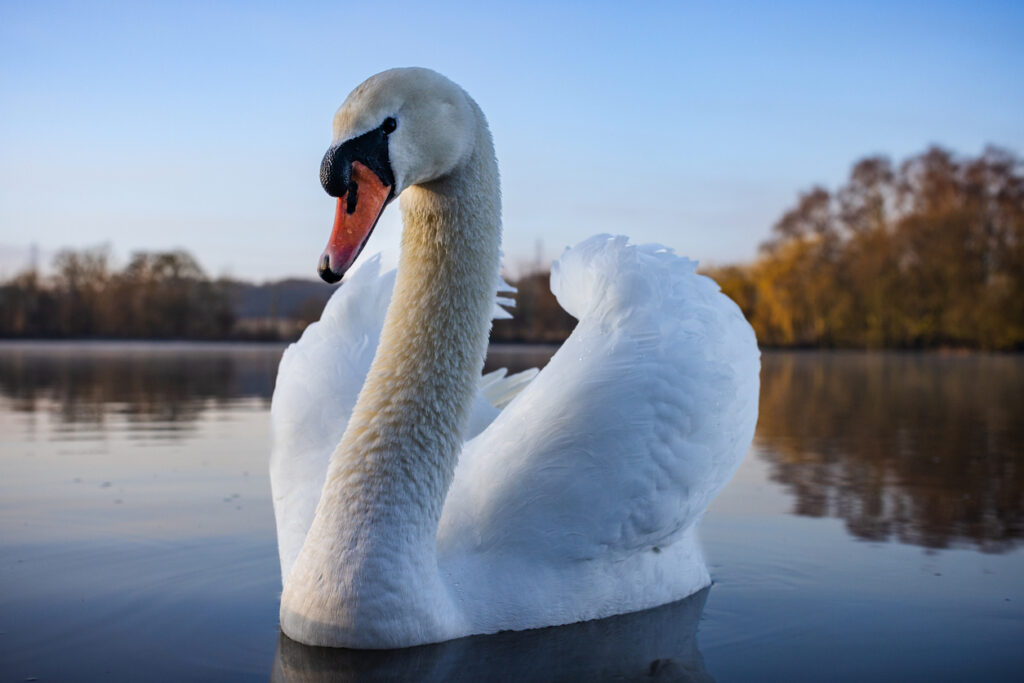
Swans look absolutely massive and terrifying when they arch their wings up and hiss at you, but they’re mainly bluffing to protect their territory or cygnets. They can hurt you if you push them, but the aggressive display is meant to scare you off without actual fighting. Most people back away at this point, which is exactly what the swan wants, and the confrontation ends there.
They’re not hunting you or trying to kill you, they’re just defending their space, and respecting that boundary means everyone’s fine. The stories about swans breaking arms are massively exaggerated, they’re strong but not that strong, and they’d rather you just left than actually fought them.
4. Foxes screaming at night
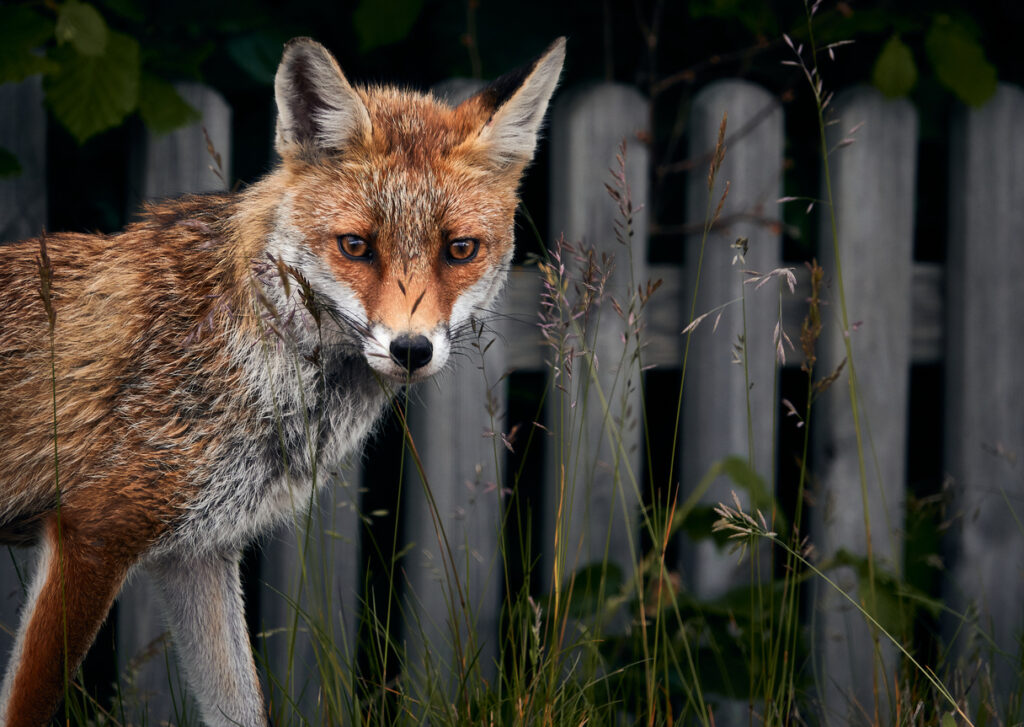
That absolutely horrifying screeching sound foxes make at night sounds like someone being murdered, but it’s just their mating call. The vixen’s scream and the dog fox’s barking are how they communicate during breeding season, and it’s meant to carry long distances to attract mates.
It sounds distressing to human ears because we interpret screaming as danger or pain, but the foxes are just being loud and amorous. This mostly happens in winter, particularly January and February, and it’s completely normal fox behaviour. They’re not hurt, not attacking anything, just trying to find a partner in the most ear-splitting way possible.
5. Crows gathering in massive groups
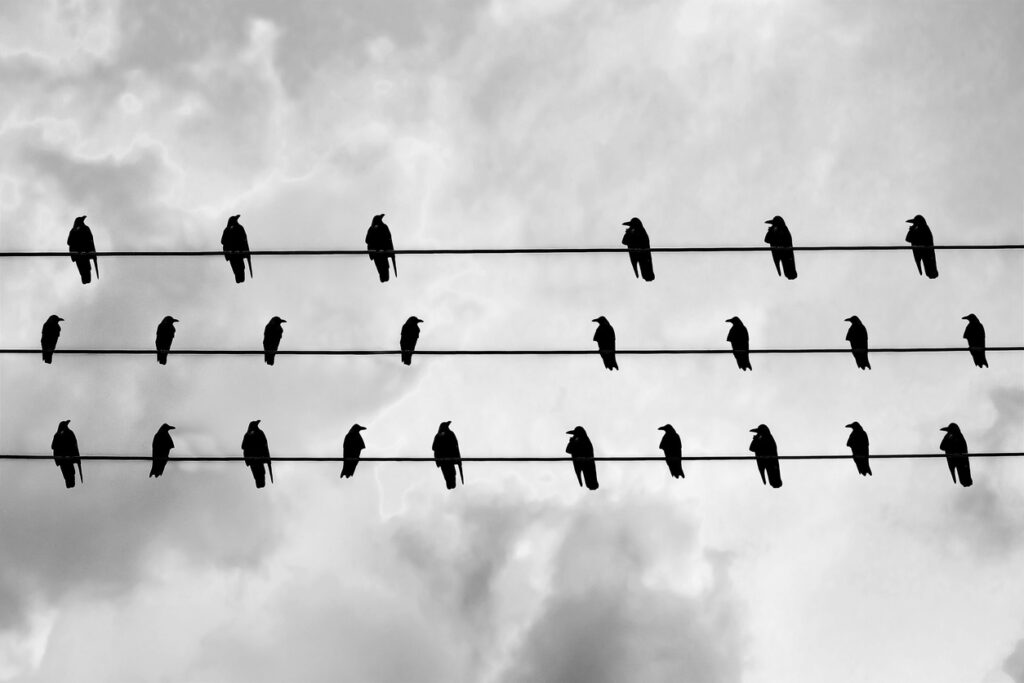
Huge flocks of crows look ominous and like they’re planning something sinister, but they’re just roosting together for warmth, safety, and social time. Communal roosting helps them survive cold nights, share information about food sources, and protect against predators through numbers. The gatherings aren’t targeted at specific locations because they hate you or your property, they’ve likely used that spot for years or decades.
Crows are intelligent and social, so these gatherings are basically their version of a community centre. The association with death comes from folklore, not from anything crows actually do, and they’re way more interested in food and survival than anything sinister.
6. Snakes holding their mouths wide open

When snakes gape with their mouths wide open, people assume they’re about to strike, but loads of species do this just to regulate temperature or realign their jaw after eating. It’s basically their version of yawning or stretching, and it has nothing to do with aggression most of the time.
Some snakes also do this when they’re overheated and trying to cool down, which is a sign of stress but not an attack posture. Obviously if a snake is coiled, hissing, and gaping at you, that’s different, but a snake just sitting with its mouth open is probably just adjusting its jaw. We interpret it as threatening because bared teeth mean danger to humans, but snake biology works completely differently.
7. Spiders running toward you when disturbed
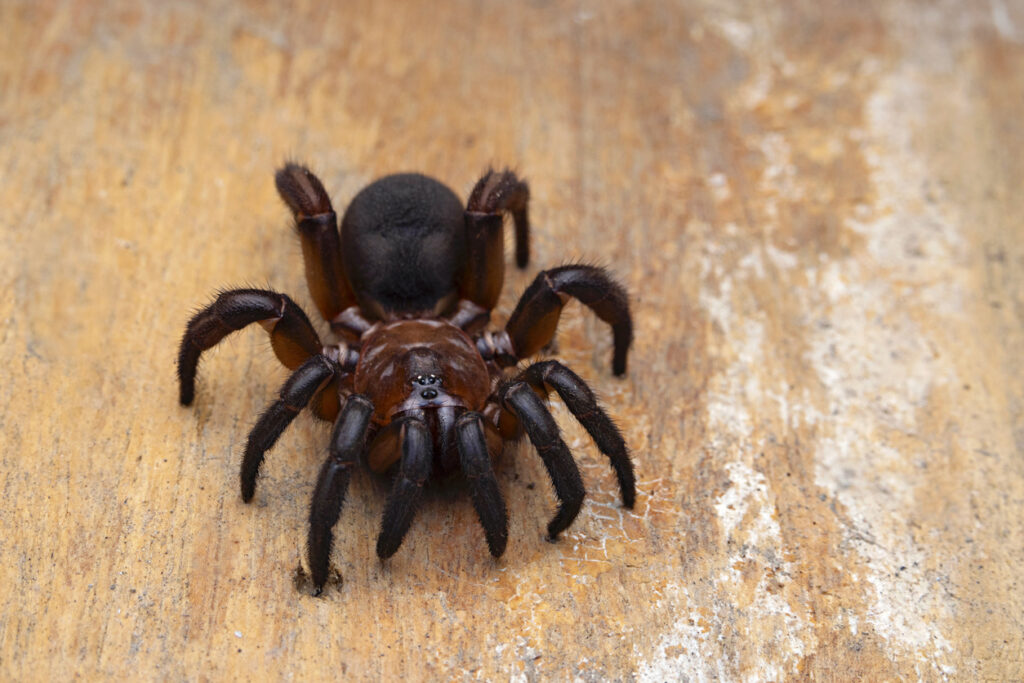
When you uncover a spider, and it runs in your direction, it’s not attacking, it’s completely panicked and trying to find the nearest dark hiding spot which happens to be behind you. Their eyesight is generally rubbish, and they don’t recognise you as anything specific, just a massive threatening shape they need to hide from.
The spider is as terrified as you are, probably more so, and running toward you is accidental whilst they’re fleeing in pure panic. They have no interest in being on you, they just want to find safety, and you’re in the way of their escape route. If you stay still, they’ll usually veer off or go around you rather than actually climbing on you.
8. Seals following swimmers or getting close to people

Seals approaching swimmers or hanging around beaches often freak people out, but they’re usually just curious about what you’re doing. They’re intelligent, playful animals that are interested in anything unusual in their environment, and humans swimming are definitely unusual.
They’re not hunting you or mistaking you for prey, they’re investigating whether you’re interesting or potentially dangerous. Young seals especially are bold and curious, treating swimmers almost like entertainment. That said, seals can bite if they feel threatened or if you corner them, so the fear isn’t completely misplaced, but approach isn’t the same as attack.
9. Moths flying repeatedly at your face
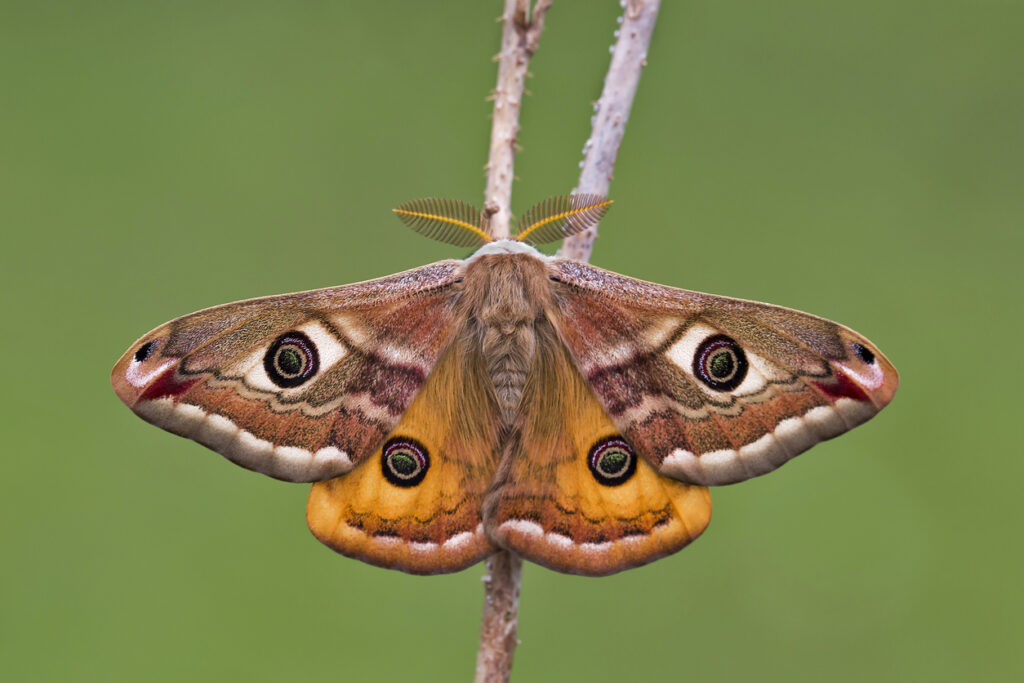
Moths bombarding you near outdoor lights aren’t attacking, they’re completely confused by artificial light and can’t navigate properly. They use natural light like the moon for navigation, and bright lights closer to them override their guidance system completely.
The moth isn’t aiming for you specifically, you just happen to be between the light source and wherever they’re desperately trying to fly. They’re trapped in a confused loop around the light, bumping into everything nearby, including you. It’s annoying but entirely accidental, and the moth would much rather be literally anywhere else. They’re not biting, stinging, or trying to get in your hair, they’re just hopelessly lost.
10. Owls turning their heads nearly all the way around
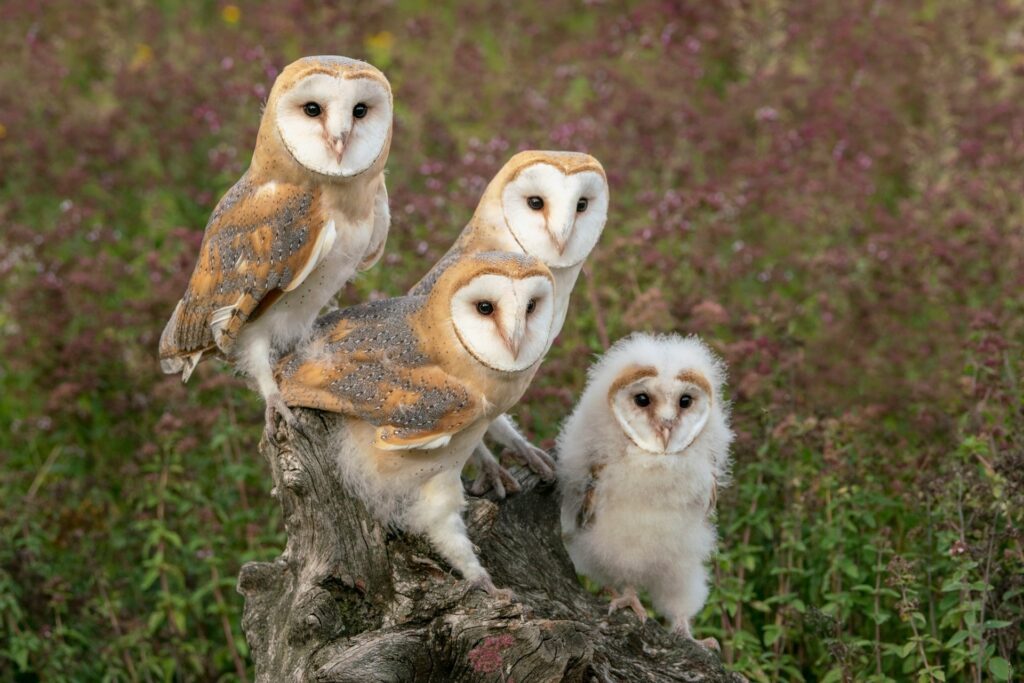
Owls swivelling their heads 270 degrees looks supernatural and threatening, but it’s just how they see things, since their eyes are fixed in their sockets. They can’t move their eyes like we can, so rotating their head is the only way to look around. This adaptation is brilliant for hunting but looks creepy as hell to humans who aren’t used to seeing necks work that way.
The rotation isn’t aggressive or unusual for them; it’s literally just looking, but our brains interpret it as unnatural and threatening. Combined with their silent flight and piercing stares, owls trigger our instinct that something’s wrong, when actually they’re just birds being birds in a way that happens to look quite sinister to us.