Space isn’t just the final frontier; it’s increasingly becoming a source of threats that could genuinely damage or end life on Earth. Most people worry about the dramatic stuff like asteroids while ignoring the slower, more likely dangers that scientists are actually concerned about.
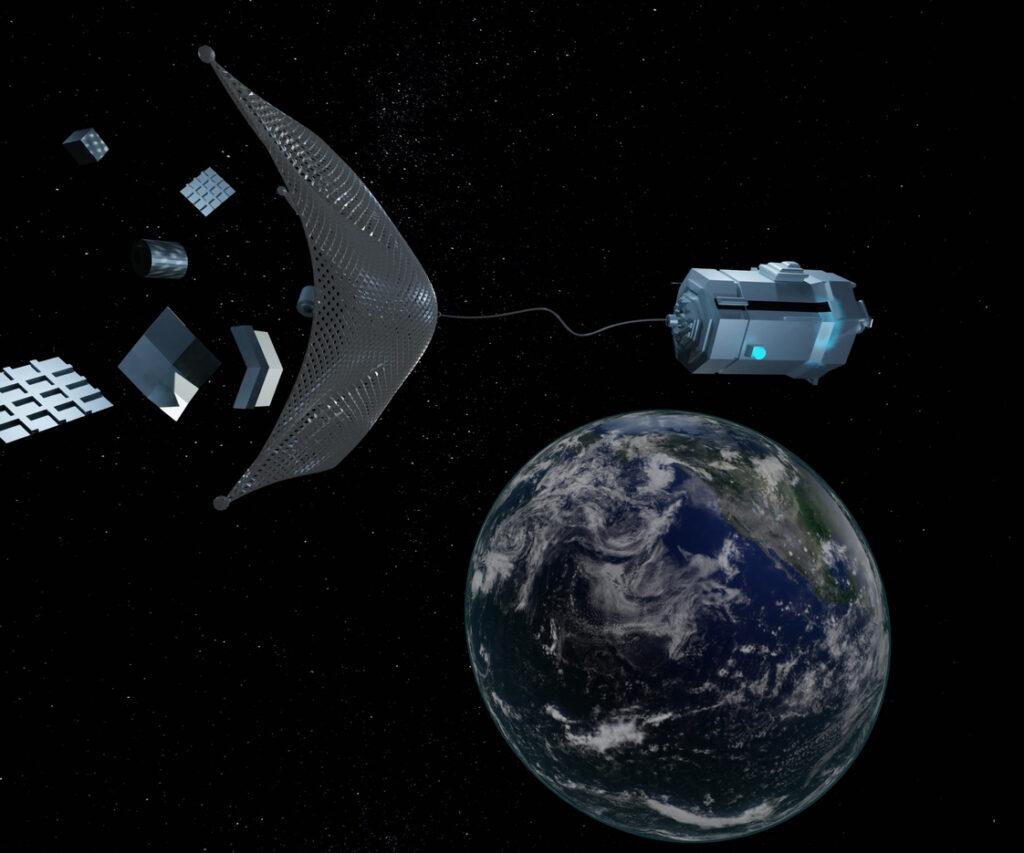
1. Space debris is turning orbit into a junkyard that could trap us on Earth.
There are millions of pieces of defunct satellites and rocket parts orbiting Earth at speeds up to 28,000 kilometres per hour, and even tiny pieces can destroy functioning satellites. Each collision creates more debris in a cascading effect called Kessler Syndrome, which could make certain orbital zones too dangerous to use, essentially trapping humanity on Earth. Nobody wants to pay for cleaning up the mess, so if we lose access to crucial orbital zones, GPS, weather satellites, and communications all get compromised.
2. Solar storms could knock out power grids for months or years.
The sun regularly throws massive bursts of charged particles that can fry transformers, and a powerful solar storm like the Carrington Event of 1859 would destroy transformers across entire continents. Repairing them would take months or years because we don’t keep enough spares, meaning no water pumping, no fuel distribution, basically collapse of modern life. Scientists can only predict solar storms with 15 minutes to an hour of warning, and governments haven’t invested in hardening power grids because it feels abstract.
3. Asteroid detection is still missing loads of dangerous rocks.
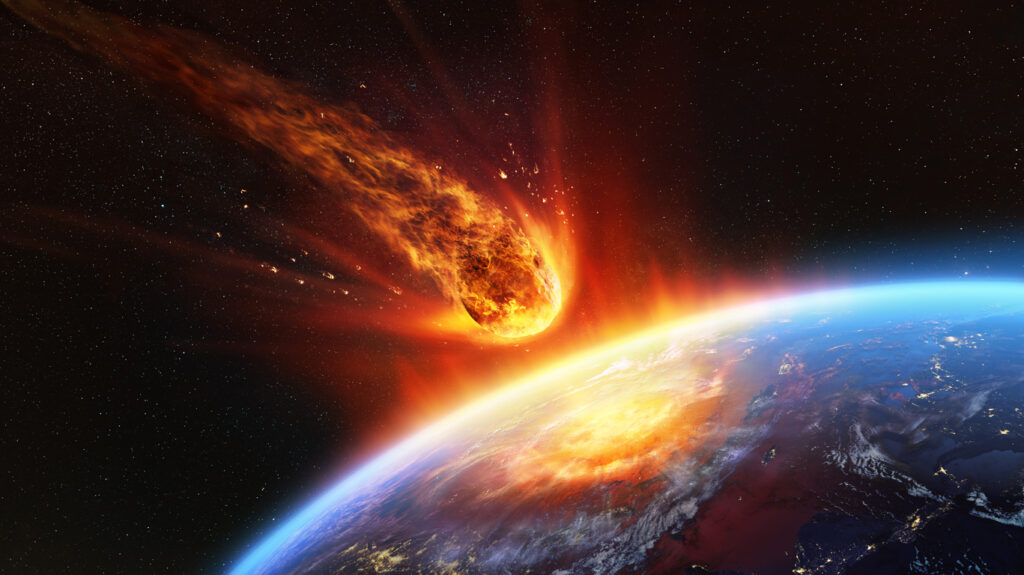
We’ve catalogued most extinction-level asteroids, but we’re missing loads of smaller ones that could still devastate entire regions or create deadly tsunamis. The 2013 Chelyabinsk meteor injured over 1,500 people, and we had no warning because it came from the sun’s direction where telescopes can’t see. Even when we spot asteroids heading our way, we’ve got no proven method to deflect them with short notice, and NASA’s successful 2022 test required years of preparation.
4. Satellite dependency means one attack could cripple modern life.
Modern civilisation relies on satellites for GPS, communications, weather forecasting, and financial transactions, but they’re incredibly vulnerable to anti-satellite weapons or jamming technology. Countries have already demonstrated they can destroy satellites, and losing GPS alone would ground airlines, stop shipping, and prevent emergency services functioning. There’s no international agreement protecting satellites during conflicts, so they’re fair game as military targets despite our complete dependence on them.
5. Space weather forecasting is nowhere near good enough.
We can predict terrestrial weather days ahead, but space weather forecasting is extremely limited, meaning solar storms can damage satellites and knock out power grids with minimal warning. Airlines have to reroute flights during solar storms because radiation becomes dangerous, but they don’t get enough warning for optimal decisions. One major unexpected solar storm could cause more economic damage than most natural disasters, but funding for better monitoring is minimal.
@uniofwarwick Physics explained: Space weather. How we depend on something we know very little about. #auroraborealis #aurora #physics #space #spaceweather #nasa ♬ original sound – Uni Of Warwick
6. Cosmic rays are steadily damaging electronics we depend on.
High-energy particles from space constantly bombard satellites and aircraft, causing random errors in computer systems and gradually degrading electronics. As we pack more transistors into smaller spaces, electronics become more vulnerable to cosmic ray hits, causing anything from minor glitches to catastrophic failures. We’re building increasingly sensitive electronics and increasing our dependence on them functioning perfectly, which makes this threat worse over time.
7. Orbital congestion is making space increasingly dangerous.
We’re launching satellites at unprecedented rates, with companies planning constellations of tens of thousands, and this congestion increases collision risk exponentially. We don’t have international regulations keeping up with the commercial space boom, so companies launch without proper coordination. One major collision in a popular orbit could trigger a cascade making that zone unusable for decades, and future generations might be locked out because we didn’t regulate properly.
8. Space-based infrastructure has no backup plans.
If we lost our satellite network tomorrow, modern civilisation would struggle to function, but we don’t have proper terrestrial backup systems because we’ve let ground-based alternatives atrophy. GPS, weather forecasting, climate monitoring, and military communications all depend on satellites with no adequate alternatives. We keep increasing dependence on vulnerable space assets while hoping nothing goes wrong, which is genuinely mad given they could be destroyed by debris, solar storms, or attacks.
9. Space mining could trigger international conflict.
Space mining is shifting from science fiction to serious business plans, but there’s no clear international law about who owns asteroid resources worth trillions. Countries are already making their own laws that conflict with existing treaties, creating perfect conditions for serious international tensions. We need clear rules before major investments and national interests make compromise impossible, but international cooperation is moving glacially while commercial interests speed ahead.
10. Long-duration space travel health effects are still unknown.
We’re planning missions to Mars but genuinely don’t understand what years in space does to human bodies and minds, and the health effects from the ISS are already concerning. Deep space missions won’t allow quick returns, and radiation exposure, bone loss, and psychological effects from years of isolation could be catastrophic in ways we haven’t predicted. We’re pushing toward ambitious missions without understanding whether humans can survive them, and there’s no rescue option when you’re millions of miles from Earth.