You probably think of tulips as just a standard bit of colour for the garden, but these flowers have a history that’s a lot more chaotic and cut-throat than your average plant.
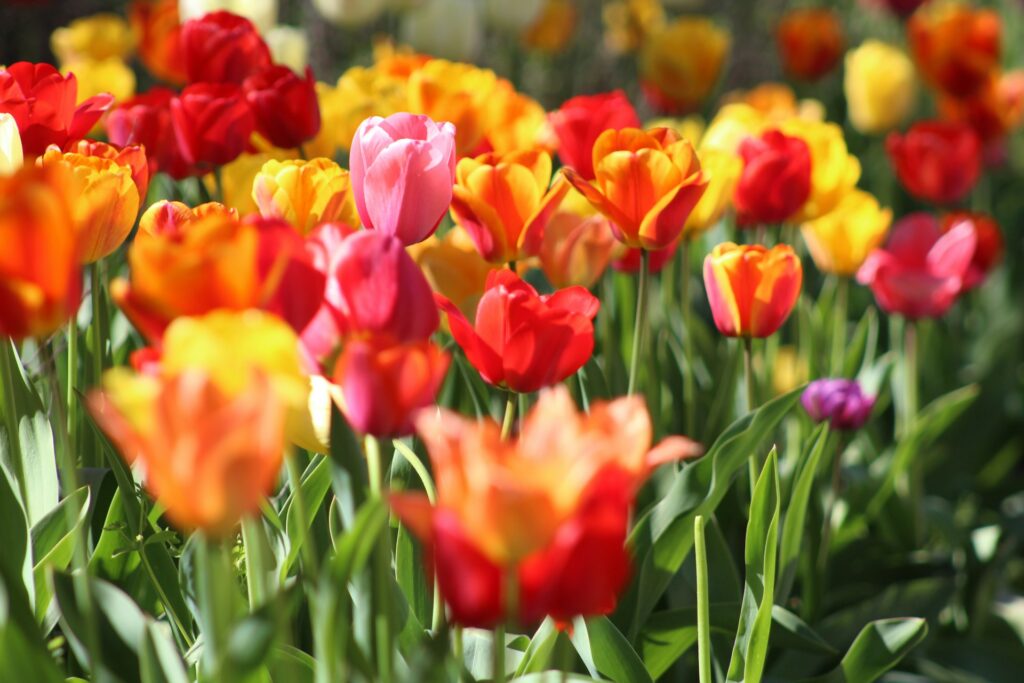
Back in the day, people weren’t just buying them for a nice display; they were treated like high-stakes investments, with single bulbs being traded for the price of a luxury house. It’s a story that moves from the rugged mountains of Central Asia to the posh courts of the Ottoman Empire, before eventually causing a massive financial meltdown in the Netherlands that nearly took the whole economy down.
These flowers have been at the centre of wars, royal obsessions, and one of the most famous market crashes in history. Looking at the journey of the tulip shows there’s a lot of grit and greed behind those petals, proving that even a simple flower can turn the world upside down when people get a bit too obsessed.
Tulips originated in Central Asia, not Europe.

Wild tulips grew in the mountainous regions of modern-day Kazakhstan, Kyrgyzstan, and surrounding areas long before Europeans ever saw them. These original species looked nothing like the elaborate garden varieties we know today, they were simpler and hardier plants adapted to harsh mountain climates. The flowers spread naturally across Central Asia and into Turkey over centuries. Europeans didn’t encounter tulips until the Ottoman Empire was already cultivating them extensively, meaning the flower had a long-established history in the East before the West discovered them.
The Ottoman Empire turned tulips into symbols of wealth and power.
Turkish sultans became obsessed with tulips in the 15th and 16th centuries, cultivating them in palace gardens and incorporating them into art and poetry. The flower became so significant to Ottoman culture that an entire period from 1718 to 1730 is called the Tulip Era. Tulips appeared on tiles, textiles, and ceramics throughout the empire as symbols of paradise and divine beauty. The Ottoman obsession with breeding new varieties created the foundation for tulip cultivation that Europeans would later build on.
A diplomat introduced tulips to Europe in the 1550s.

Ogier Ghiselin de Busbecq, the Habsburg ambassador to the Ottoman Empire, saw tulips in Constantinople and sent seeds and bulbs back to Vienna around 1554. This was Europe’s first proper introduction to the flower, though the name got confused in translation because Turkish people wore tulips in their turbans and the word for turban and tulip were similar. The flowers quickly became fashionable among European nobility, who wanted exotic plants from the East. Within a few decades, tulips spread from Vienna to botanical gardens and wealthy estates across Europe.
Carolus Clusius made the Netherlands the tulip capital.
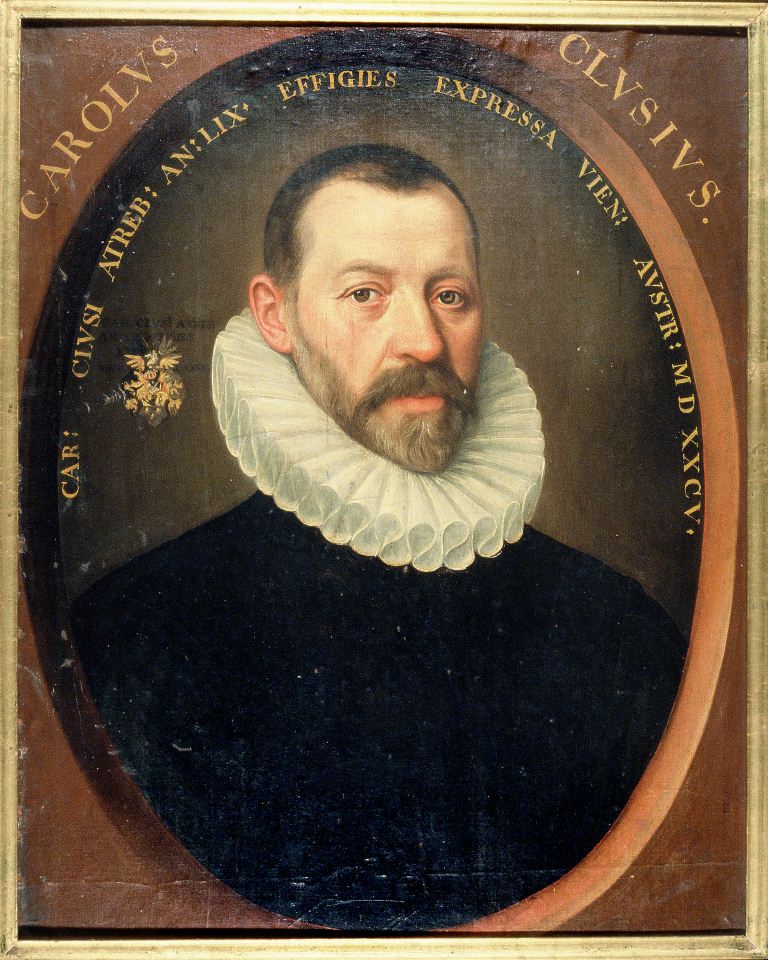
Flemish botanist Carolus Clusius became director of Leiden University’s botanical garden in 1593 and brought his extensive tulip collection with him. He refused to share or sell his bulbs, so thieves repeatedly stole from his garden and sold them on, which ironically helped spread tulips throughout the Netherlands. Clusius’s work breeding and cataloguing varieties established the scientific foundation for Dutch tulip cultivation. The combination of his botanical knowledge and the Netherlands’ suitable climate and soil created the perfect conditions for the tulip industry to explode.
A virus created the most valuable tulip patterns.
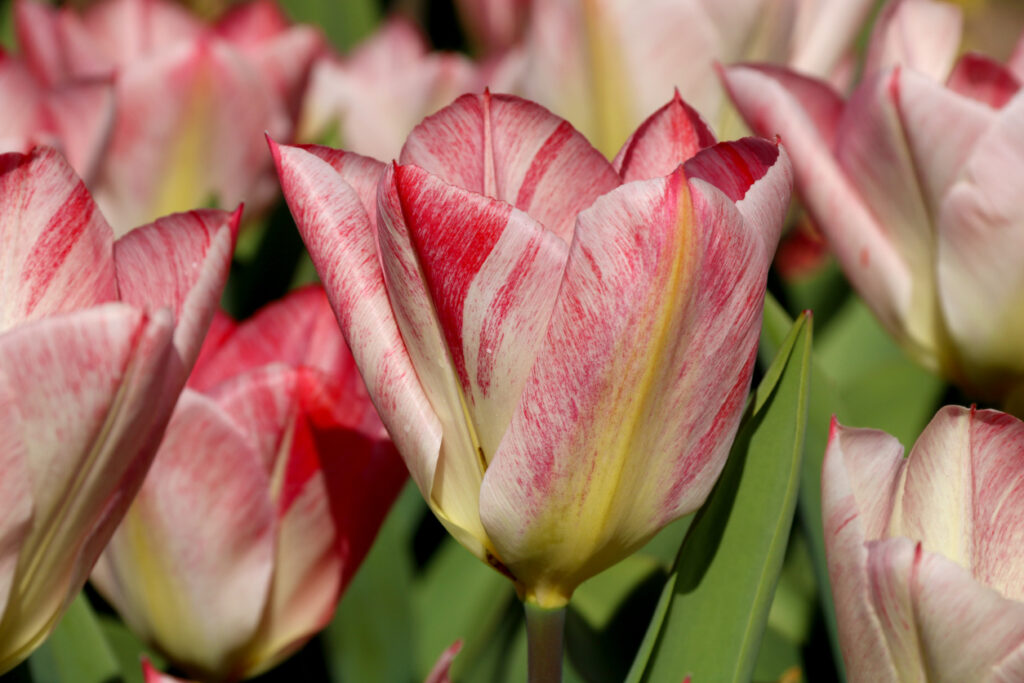
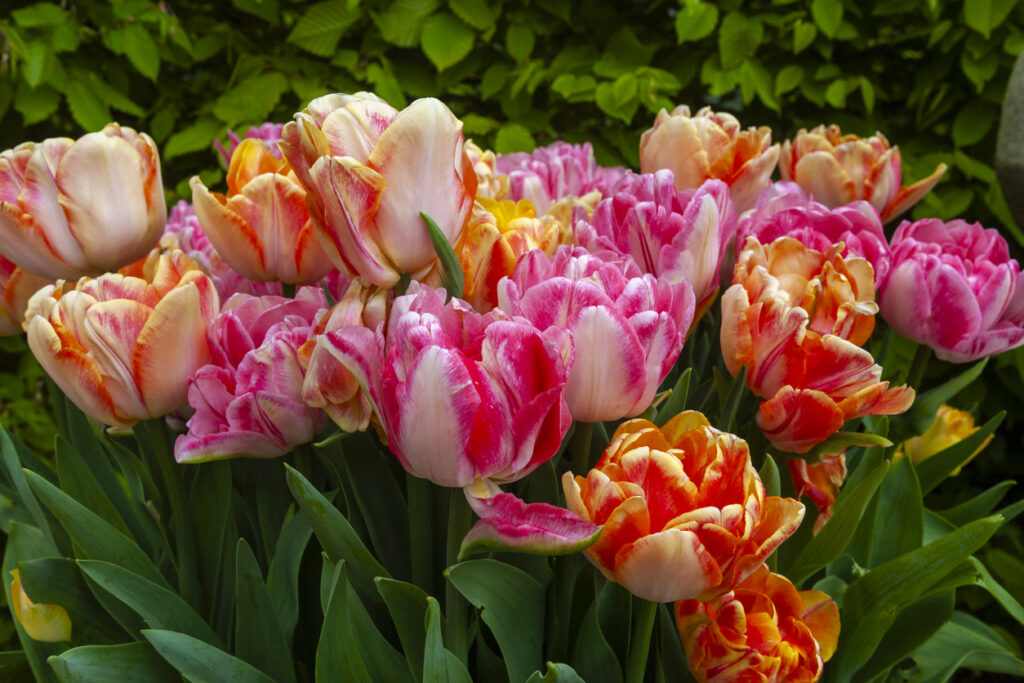
The streaked, flame-like patterns on tulips that drove prices insane during Tulip Mania were actually caused by a mosaic virus transmitted by aphids. Growers didn’t understand this and thought they’d created rare varieties through skilful breeding, making striped tulips incredibly valuable. The virus weakened bulbs over time, making these patterns even rarer and more expensive because infected bulbs produced fewer offsets. Modern tulips don’t have these patterns because the virus was eventually eliminated, and the dramatic streaks people paid fortunes for can’t be recreated naturally.
Tulip Mania crashed the Dutch economy in 1637.

Between 1636 and 1637, tulip bulb prices reached absolutely absurd levels where single bulbs sold for more than houses, with the most expensive bulb trading for the equivalent of 12 acres of land. This speculative bubble was one of history’s first recorded asset bubbles, with people mortgaging homes to buy tulip futures. When the market crashed in February 1637, it devastated the Dutch economy and ruined countless investors overnight. The mania became a cautionary tale about speculation and bubbles that economists still reference today when discussing market irrationality.
Tulips became the Netherlands’ signature export.

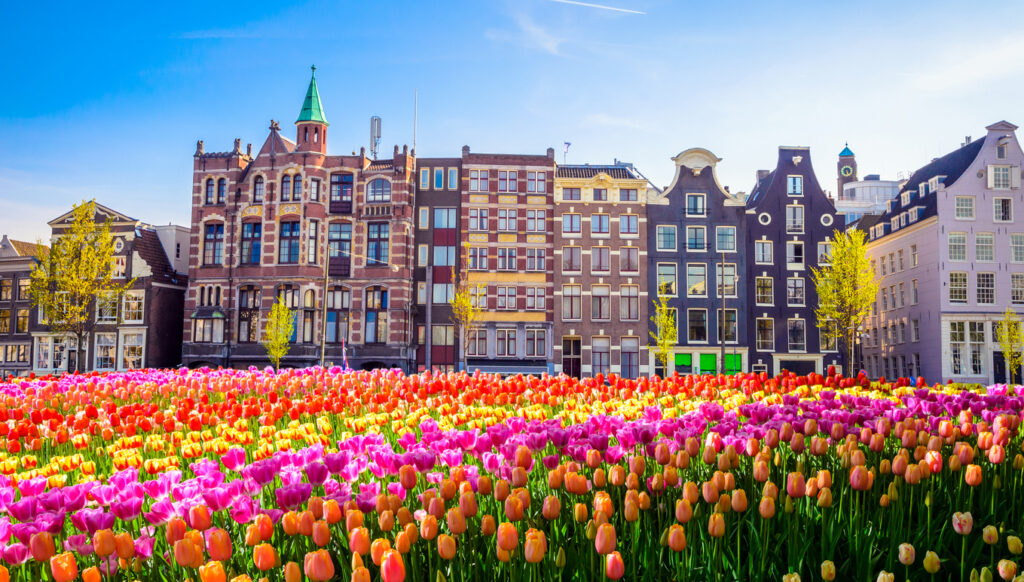
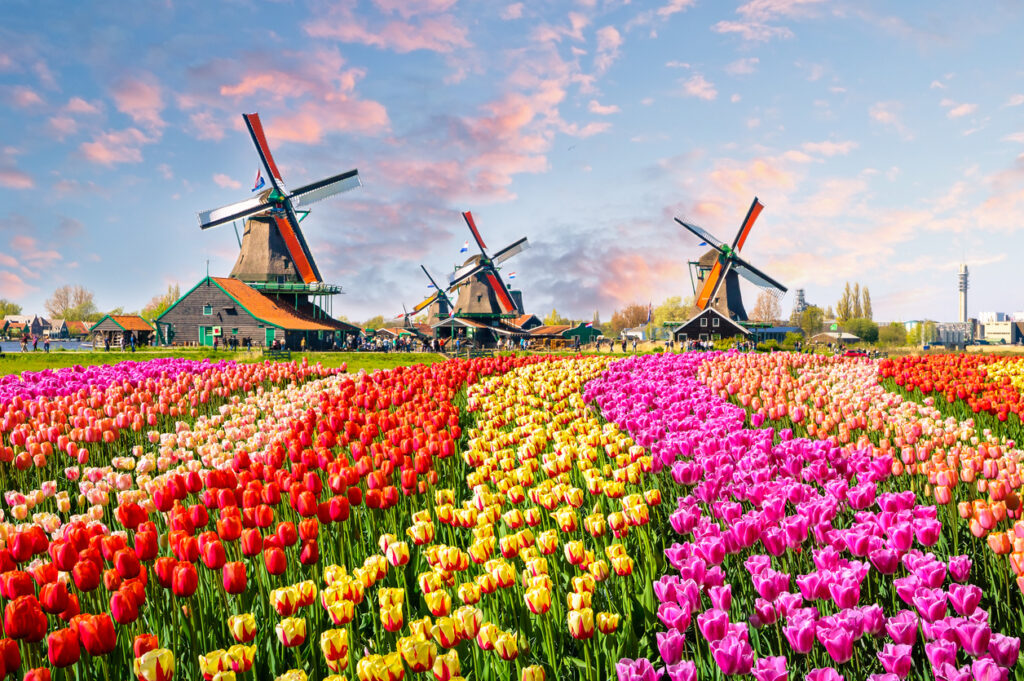
After Tulip Mania, the Dutch didn’t abandon tulips, but instead professionalised cultivation and built a legitimate industry. The Netherlands’ low-lying, well-drained soil and temperate climate proved perfect for large-scale bulb production. By the 18th and 19th centuries, Dutch growers had developed systematic breeding programs, creating thousands of varieties. Today, the Netherlands produces about 4.3 billion tulip bulbs annually, supplying most of the world’s tulips and cementing the association between tulips and Dutch identity despite the flower’s Asian origins.
Tulips played surprising roles in both World Wars.
During World War I, the British government encouraged people to grow tulips as a patriotic act and to maintain the flower industry despite wartime pressures. In World War II, starving Dutch people ate tulip bulbs during the Hongerwinter famine of 1944-45 because they were one of the few foods available after the German occupation cut off food supplies. The bulbs tasted terrible and provided minimal nutrition but kept some people alive through winter. After the war, the Netherlands sent tulip bulbs to Canada as thanks for their liberation, starting an annual gift that continues today.
Breeding created colours that never existed naturally.
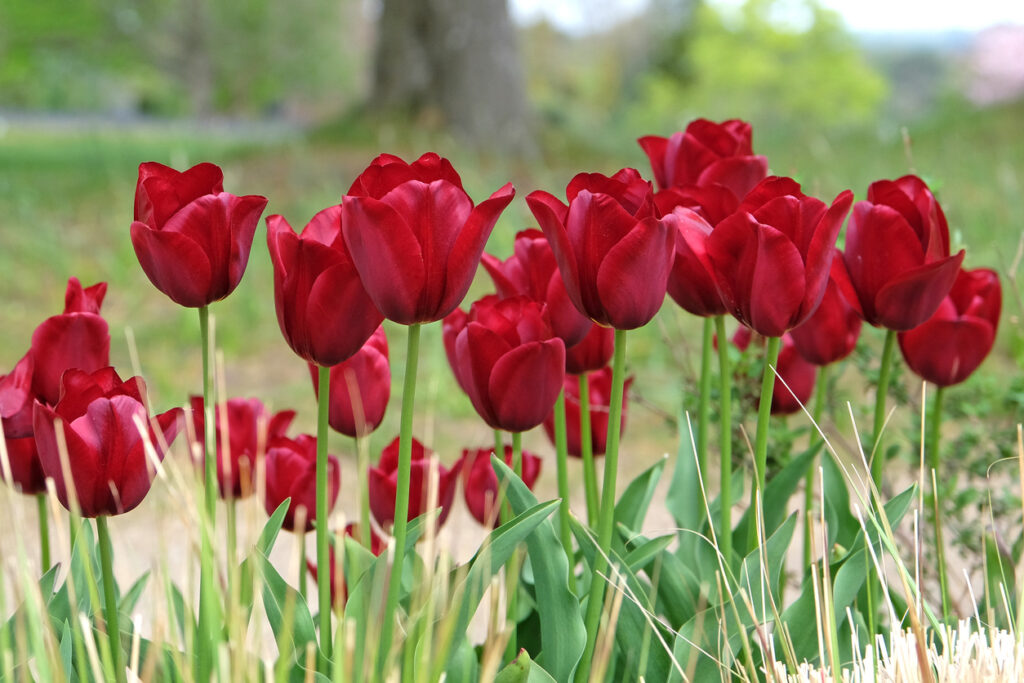
The first black tulip wasn’t bred until the 19th century, and it’s not actually black but extremely dark purple. True blue tulips still don’t exist despite centuries of breeding attempts because tulips lack the genetic capability to produce blue pigment. Scientists have tried genetic modification to create blue tulips but haven’t succeeded commercially. The quest for impossible colours drove breeding innovation that created the enormous variety of shapes, sizes, and colours available today, from fringed petals to parrot tulips with wild, feathered patterns.
Modern tulips have to be chilled to bloom properly.
Commercial tulip production requires bulbs to be artificially chilled for weeks before planting because they need cold winter temperatures to trigger flowering. This is why tulips don’t naturalize in warm climates the way daffodils do, they literally won’t bloom without prolonged cold exposure. The Netherlands’ climate naturally provides this cold period, giving Dutch growers an advantage that helped establish their dominance. Understanding tulips’ specific temperature requirements allowed controlled forcing, meaning growers can now produce flowers year-round by manipulating bulb storage temperatures rather than waiting for natural seasons.