Most of us were taught that making eye contact is a sign of respect or confidence, but in the animal kingdom, it’s often more like an accidental declaration of war.

You might think you’re just admiring a creature’s features, but to them, that steady gaze is a direct challenge or a precursor to an attack. It’s a bit of a biological misunderstanding that can go south very quickly if you aren’t careful about where you’re pointing your eyes.
The trouble is that many species see a direct stare as a massive threat to their personal space or their status. Whether it’s a primate defending its patch or a predator deciding you’ve become a problem, the reaction isn’t usually a polite retreat. It’s worth knowing which animals aren’t interested in a staring match, especially if you’re keen on keeping your distance and avoiding a nasty scrap.
1. Gorillas see direct eye contact as a clear challenge.

For gorillas, eye contact isn’t a neutral gesture at all. It’s a direct confrontation, the equivalent of saying you’re ready to fight or take over. In gorilla social structure, prolonged staring is something rivals do, not something friends or neutral observers do. When a human locks eyes with a gorilla, especially a silverback, it can instantly trigger defensive or aggressive behaviour.
Their reaction isn’t about anger so much as instinct. Gorillas rely heavily on body language, posture, and gaze to assess threats. Even in zoos, where animals are used to humans, staff are trained to avoid sustained eye contact. What feels like a moment of awe to us can feel like a declaration of war to them.
2. Chimpanzees interpret staring as hostile intent.
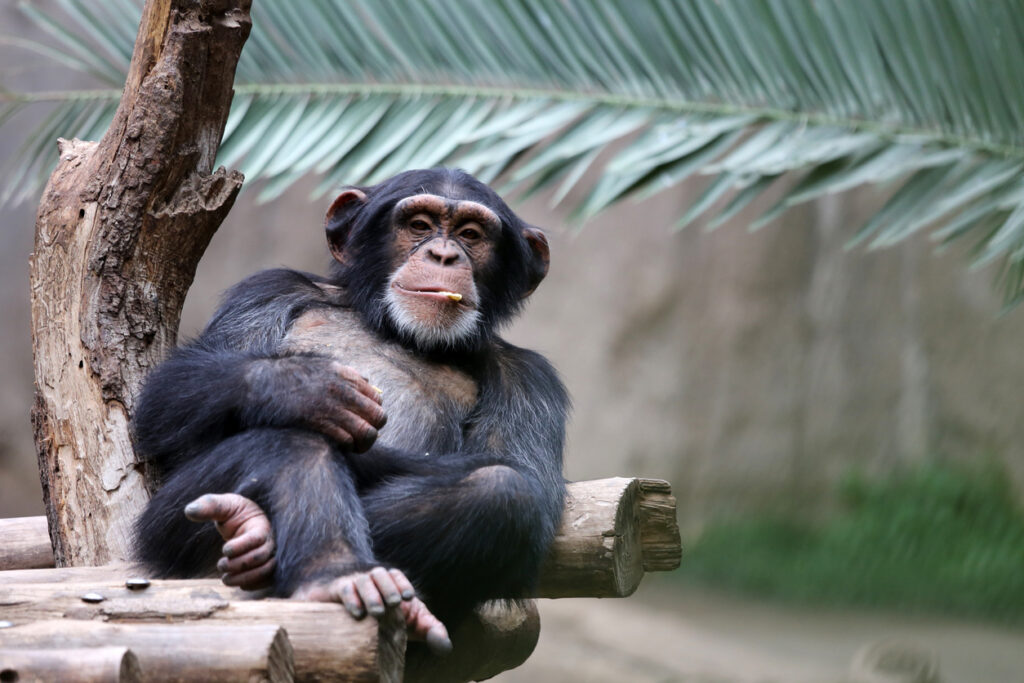
Chimpanzees are highly social and highly sensitive to hierarchy. In their world, eye contact is loaded with meaning. A direct stare can be read as dominance testing or outright aggression, especially if it’s paired with stillness or squared shoulders. That’s why chimps can escalate from calm to violent very quickly after eye contact.
What makes chimpanzees especially dangerous is how humanlike their reactions appear. People often misread their expressions as curiosity or friendliness. In reality, a fixed gaze from a human can push a chimp into a defensive response that involves lunging, screaming, or attacking, even if the situation seemed calm seconds earlier.
3. Big cats see eye contact as a hunting or territorial signal.
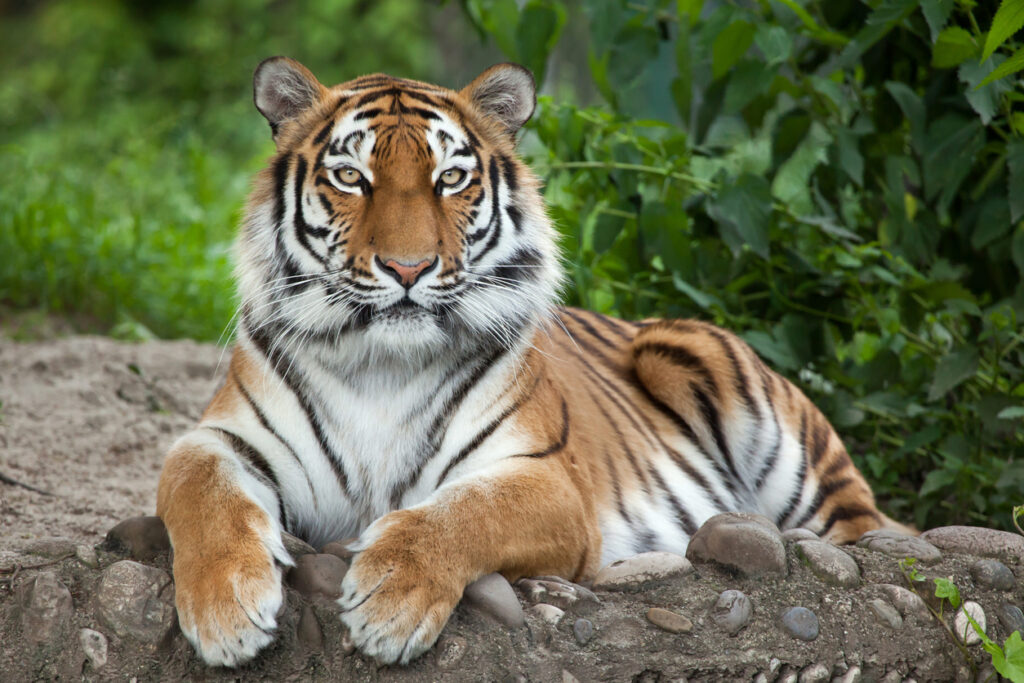
Lions, tigers, leopards, and other big cats are hardwired to respond to eye contact. In the wild, prey animals that stare back are often either panicking or challenging. Rival predators stare to assess strength before a confrontation. When a human meets a big cat’s gaze, it can activate that same instinctive response.
It doesn’t always mean an immediate attack, but it raises tension fast. Big cats may freeze, crouch, or stalk once eye contact is established. That’s why wildlife experts often advise avoiding direct staring while maintaining awareness, a balance that feels unnatural to humans but reduces the chance of triggering aggression.
4. Bears can interpret eye contact as a threat.
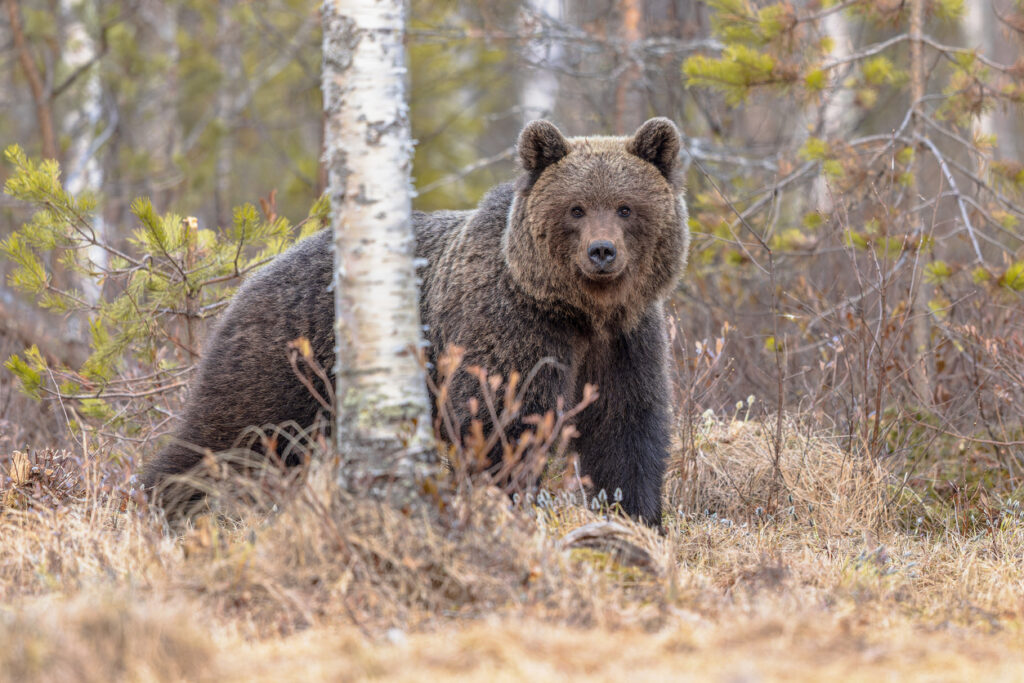
With bears, context matters, but eye contact still plays a powerful role. A direct stare can be taken as a sign of aggression, especially if the bear feels cornered, surprised, or protective of cubs. In bear communication, staring often precedes bluff charges or defensive attacks.
That’s why advice around bear encounters can feel contradictory. Looking aware without staring, standing your ground without appearing confrontational, and avoiding locked eye contact all aim to reduce the bear’s perception that you’re a threat. Once a bear feels challenged, de-escalation becomes much harder.
5. Wolves use eye contact to establish dominance.
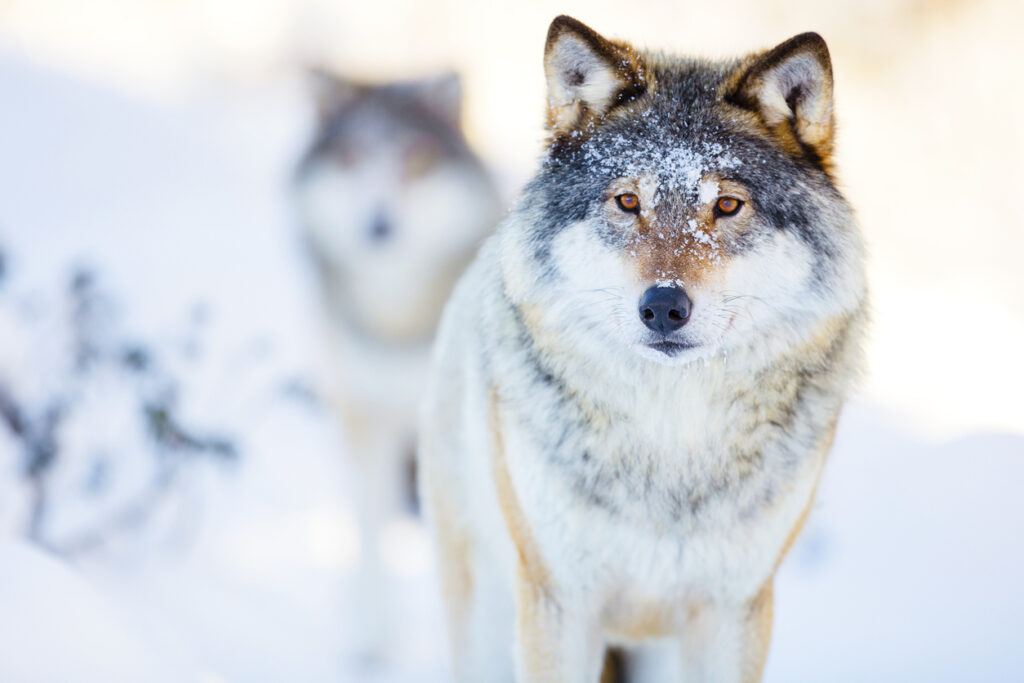
In wolf packs, eye contact is tightly linked to hierarchy. Dominant wolves hold eye contact longer, while submissive wolves avert their gaze. When a human stares at a wolf, it can be interpreted as a dominance challenge, especially if the wolf is already alert or defensive.
This doesn’t mean wolves are constantly aggressive toward humans, but it does explain why staring can escalate situations quickly. A wolf that feels its position is being tested may respond with growling, lunging, or coordinated pack behaviour, particularly in the wild.
6. Dogs can react aggressively to sustained staring.

Domestic dogs are more tolerant than their wild relatives, but eye contact is still a powerful trigger. Many dogs interpret prolonged staring as a threat, especially if they’re anxious, guarding something, or unfamiliar with the person. That’s why staring contests with dogs often end badly.
Warning signs usually appear first, stiff posture, lip licking, yawning, or turning the head slightly away. When those signals are ignored and eye contact continues, some dogs escalate to snapping or biting. What humans think of as bonding through eye contact can feel deeply uncomfortable to a dog.
7. Bulls and cattle react strongly to direct gaze.
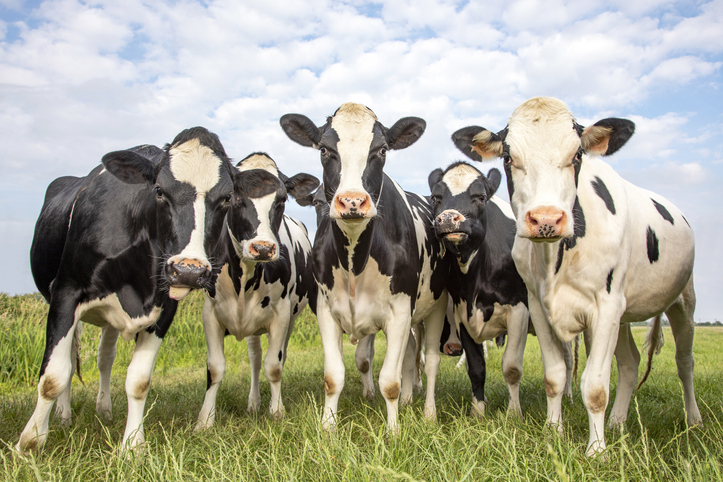
Large grazing animals like bulls don’t look aggressive at first glance, but eye contact plays a role in how they assess threats. A direct stare can signal challenge or dominance, especially if combined with stillness or facing them head-on.
This is one reason farm safety guidance often stresses movement and positioning rather than staring animals down. Bulls in particular may react explosively if they feel challenged, and once they commit to a charge, stopping it is nearly impossible.
8. Deer may attack if eye contact signals pursuit.
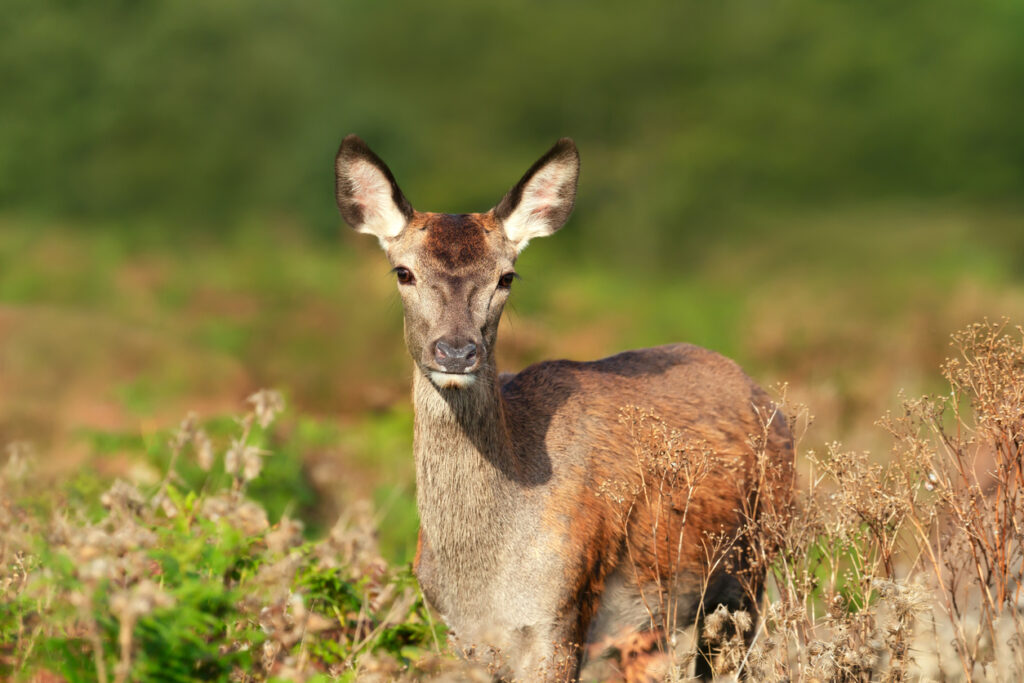
Deer are usually associated with flight rather than fight, but direct eye contact can change that calculation. A fixed gaze can signal that a predator has locked onto them. During mating season or when protecting young, this can push deer into defensive aggression.
There have been numerous cases of deer charging humans who stared at them too long, especially in parks where animals are used to people but still operate on instinct. What feels like a peaceful moment can flip very quickly when eye contact is misread.
9. Birds of prey see staring as competition or threat.
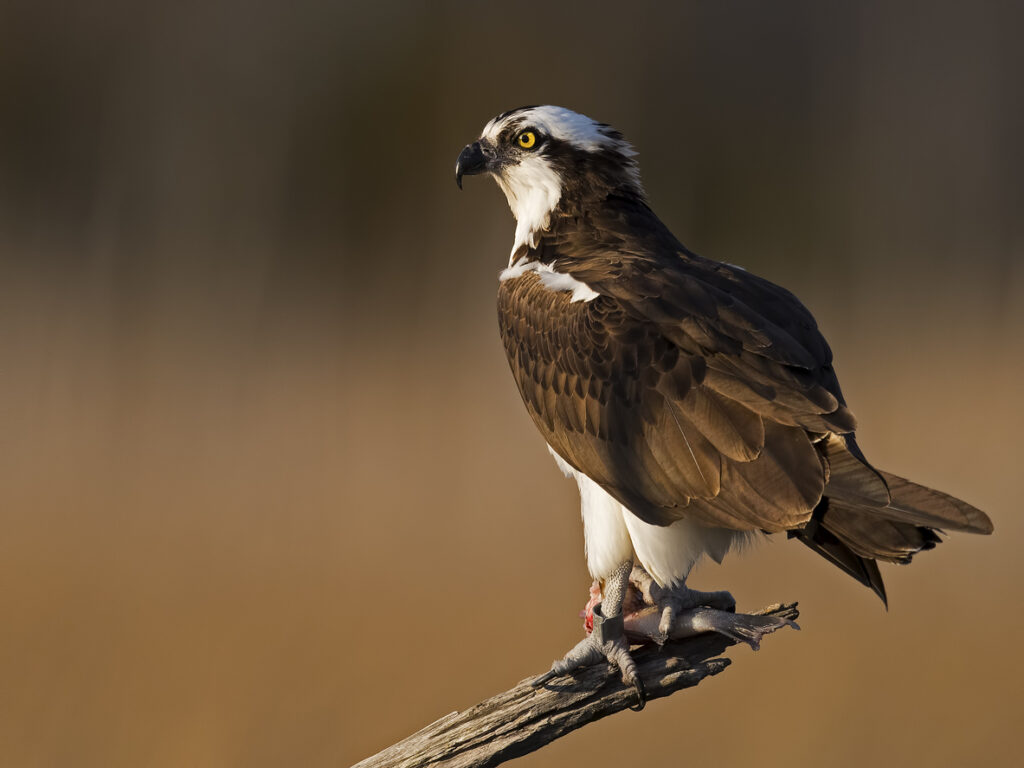
Raptors like eagles, hawks, and owls are intensely visual animals. Eye contact can signal rivalry over territory or food, particularly during breeding season. A human locking eyes with a bird of prey near a nest can provoke dive-bombing or striking behaviour.
These attacks are usually defensive, not predatory. The bird is trying to drive the perceived threat away. Direct eye contact reinforces the idea that the threat is focused and intentional, which increases the likelihood of repeated strikes.
10. Some snakes respond to eye contact as a precursor to attack.
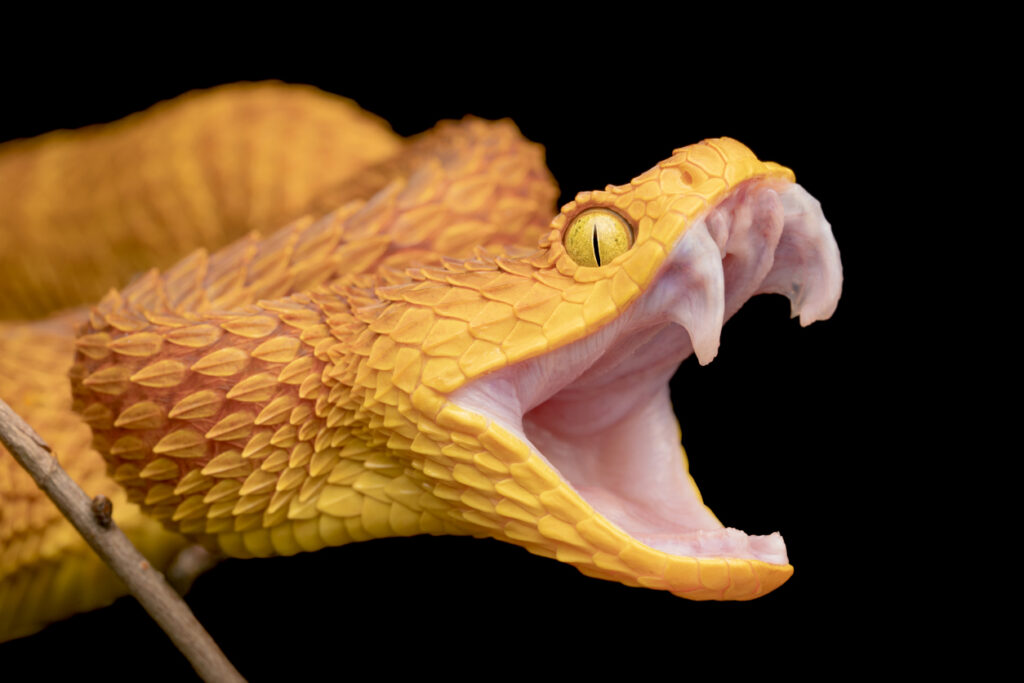
Snakes don’t interpret eye contact emotionally, but they do respond to focused attention and stillness. A human staring directly at a snake, especially at close range, can signal imminent danger. In response, the snake may coil, hiss, or strike defensively.
This is particularly true for venomous species, where defensive strikes are fast and often misunderstood as aggression. Avoiding direct staring and backing away slowly reduces the chance of triggering that instinctive response.
What all of these animals have in common is that eye contact isn’t casual in their world. It’s information. It says something is focused, intentional, and possibly dangerous. Humans rely on eye contact for trust and connection, but in the animal kingdom, looking someone in the eye can be the fastest way to start a fight you never meant to have.