Bringing a new cat into the house always seems like a lovely idea until you’ve got two furry balls of rage screaming at each other through a gap in the kitchen door.

You go in with visions of them curled up together in a sunbeam, but the reality is usually much less adorable. It turns out that your resident cat doesn’t see a new friend; they see a fuzzy invader who’s come to steal their favourite chair, their premium kibble, and your undivided attention.
The whole process is a bit of a minefield because cats aren’t exactly known for their hospitality or their willingness to share. They’ve got these incredibly complex social rules that we’re mostly oblivious to, and simply plopping a newcomer in the middle of the lounge is a recipe for disaster. It’s a proper test of patience that involves a lot of tactical feeding and sniffing under doors, all while you’re trying to convince your original pet that you haven’t actually betrayed them for a younger model.
1. Cats are intensely territorial animals.

Your resident cat views your entire home as their personal kingdom, and a new cat is essentially an invader who hasn’t been invited. They’ve spent months or years marking everything with their scent and establishing which sunny spots belong to them. When another cat shows up, it triggers genuine anxiety because their safe territory suddenly feels threatened. It’s not that they’re inherently unfriendly, either. It’s survival instincts that tell them to protect their resources and space.
2. They can’t understand you’re trying to help.
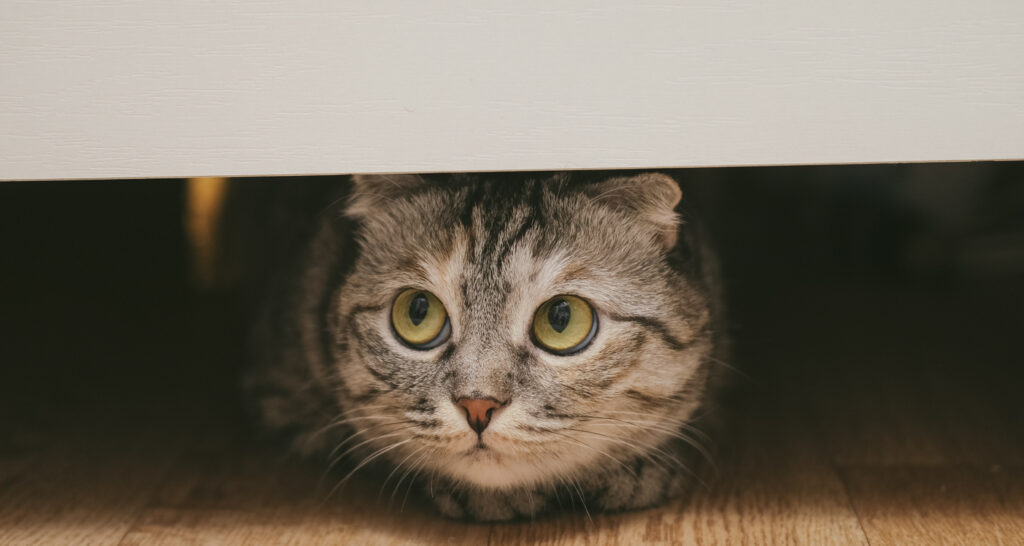
Your existing cat doesn’t know this newcomer is a friend you’ve chosen for them, they just know their safe space suddenly contains a stranger. You can’t explain that you thought they’d enjoy company or that the new cat needed a home. From their perspective, this intruder appeared without warning, and you’re allowing it to stay. The confusion and stress come from not understanding why their beloved human has apparently betrayed them by bringing in competition.
3. Scent is everything to cats.

Cats rely heavily on smell to feel secure, and a new cat brings completely unfamiliar scents that trigger stress and suspicion. Your home smells like your resident cat because they’ve rubbed their face on furniture and left their signature everywhere. A new cat smells wrong and foreign, which immediately puts the resident cat on high alert. Until the cats start sharing scent through proximity and grooming, they’ll view each other as outsiders who don’t belong in the same space.
4. First impressions are nearly impossible to undo.

If the cats meet badly the first time, they’ll remember that negative experience and associate the other cat with fear or aggression. Cats have excellent memories for threats, so a hissing match or swipe on day one creates a foundation of distrust that’s incredibly hard to repair. They’ll approach each other with defensive body language every time afterwards, which reinforces the hostile dynamic. Getting past a bad first meeting requires weeks of careful work to build new, positive associations.
5. Cats don’t naturally live in groups.

Unlike dogs, cats are solitary hunters who don’t have built-in instincts for welcoming new members into their territory. Wild cats only really tolerate each other during mating or when mothers are raising kittens. Asking domestic cats to share space goes against their natural programming, even though many can learn to coexist peacefully. They need time to adjust to the concept of another cat being a permanent fixture rather than a rival to chase off.
6. Resource competition feels like a real threat.
Even if you’ve got multiple food bowls and litter trays, your resident cat worries the newcomer will take what’s theirs. Food, water, comfortable sleeping spots, and access to you all become potential battlegrounds in their mind. This fear isn’t rational from a human perspective, but it’s very real to a cat who’s suddenly sharing everything they once had to themselves. The anxiety about resources can persist for ages, even when it’s obvious there’s plenty to go around.
7. Personality clashes are common.

A confident cat might terrify a timid one, or two dominant cats might refuse to share space peacefully. Some cats are naturally social and relaxed, while others prefer solitude and react badly to intrusions. You can’t always predict which personalities will mesh until the cats actually meet. A mismatch in temperament means constant tension as one cat tries to avoid the other or both compete for dominance in the household.
8. Age and energy levels often don’t match.

A playful kitten can stress out an older cat who just wants peace, while a sedate adult might bore a young cat looking for a playmate. Senior cats often have aches and pains that make them irritable when pestered, and a bouncing kitten doesn’t understand why the older cat keeps swatting them away. The energy mismatch creates frustration on both sides. The older cat feels harassed, and the younger one doesn’t get the interaction they’re craving, which can lead to behaviour problems.
9. Each cat needs their own escape routes.

Cats feel safer when they can retreat to high places or hiding spots, and adding another cat means competition for these safe zones. Your resident cat has favourite perches and boltholes they’ve relied on for security, and suddenly those might be occupied by the newcomer. If a cat feels trapped with no way to escape an uncomfortable situation, they’ll lash out defensively. Creating multiple elevated spaces and hiding spots helps, but cats still need time to work out who gets which territory.
10. Stress behaviours create a negative cycle.
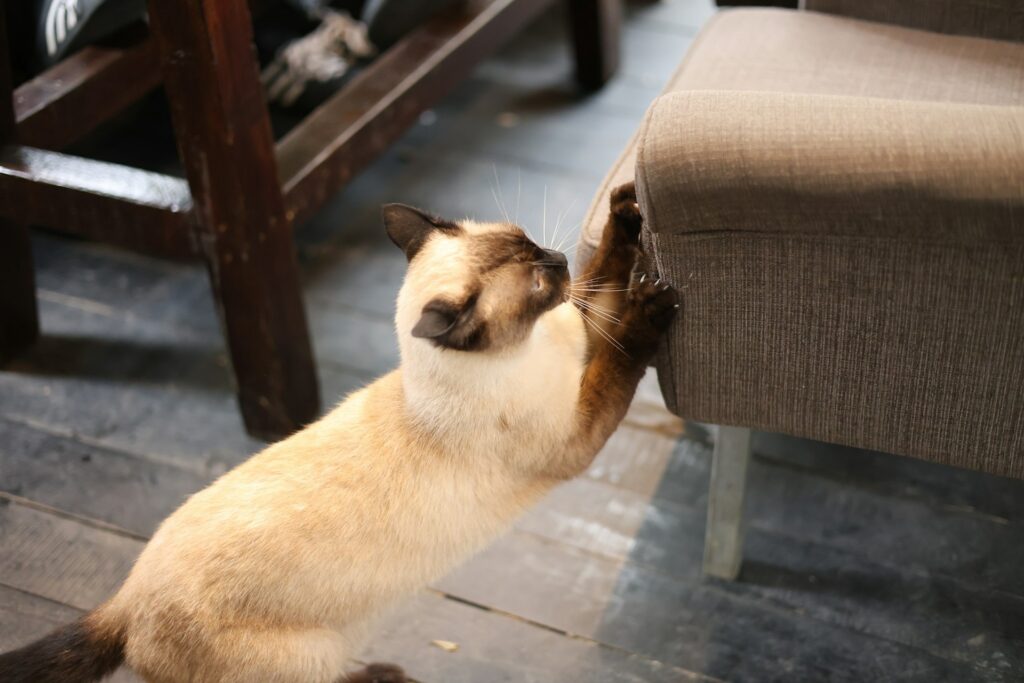
When cats are anxious, they hiss, hide, or act aggressively, which makes the other cat anxious too, and the tension escalates. One cat’s defensive posture triggers the other’s fight-or-flight response, and before you know it, they’re both wound up. Stress can also cause litter box problems or destructive behaviour, which adds to the household chaos. Breaking this cycle requires separating the cats and reintroducing them slowly so they can build neutral or positive associations instead.
11. You can’t force them to like each other.

Cats have strong preferences about other cats, and sometimes two personalities just won’t mesh, no matter how carefully you introduce them. They might tolerate sharing space, but never become friends who cuddle or play together. In rare cases, cats remain so incompatible that keeping them in the same home causes chronic stress for one or both. You can do everything right and still end up with cats who merely coexist rather than bond.
12. The process genuinely takes weeks or months.

Rushing introductions almost always backfires, but keeping cats separated for ages while slowly building positive associations requires serious patience. You’ll spend weeks feeding them on opposite sides of a door, swapping their bedding to mix scents, and doing supervised meetings that might only last minutes. It feels painfully slow when you just want them to get along already. But skipping steps or moving too fast usually means starting over from scratch after a fight.
13. Your resident cat’s routine is completely disrupted.
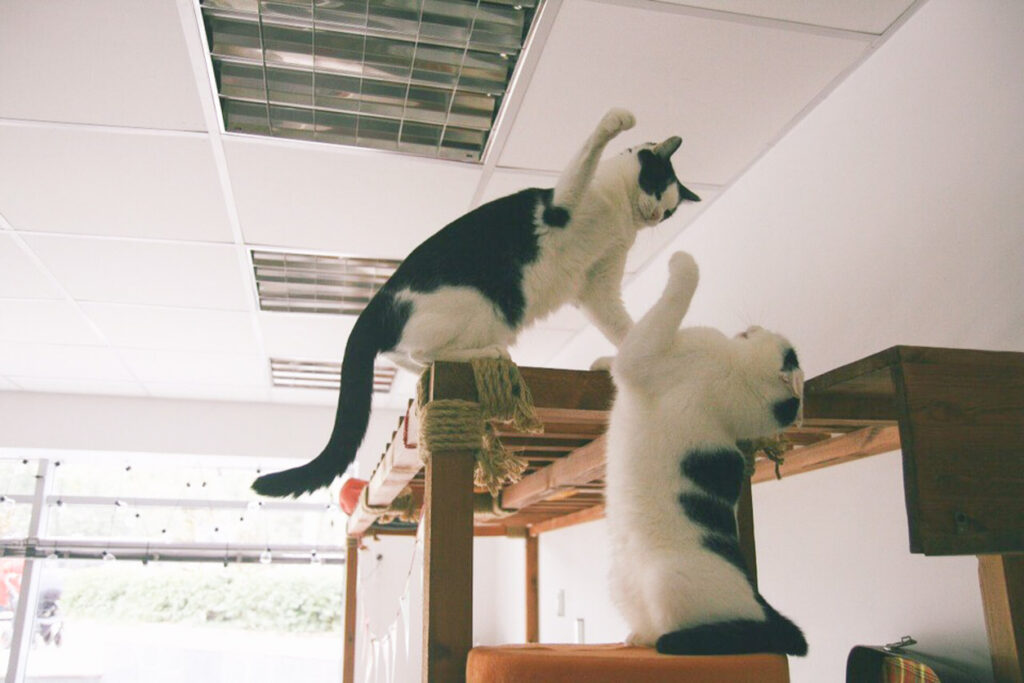
Everything from feeding times to where they sleep gets affected by the new cat’s presence, which feels unsettling and wrong to them. Cats are creatures of habit who find comfort in predictable schedules and familiar patterns. When another cat enters the picture, mealtimes might shift, closed doors appear where there weren’t any before, and you’re giving attention to someone else. The upheaval to their normal life adds to their stress about the newcomer itself.
Success is possible with slow, careful introductions that respect each cat’s need for security. But it’s never as simple as just opening the carrier and hoping they’ll be friends straight away.