Dog people and cat people have been arguing about intelligence for as long as both animals have been sharing our homes.

Dogs get praised for obedience and trainability, while cats get dismissed as aloof, stubborn, or just not that bright. The problem with that comparison is that it usually measures intelligence on dog terms, which isn’t exactly fair.
Cats think differently, solve problems differently, and relate to humans on their own terms. A lot of what they do gets written off because it doesn’t look like following commands or performing tricks on cue. However, start paying attention to how cats actually learn, remember, adapt, and make decisions, and you’ll start to see that that dogs are automatically smarter starts looking a bit lazy.
1. Cats solve problems independently without needing guidance.
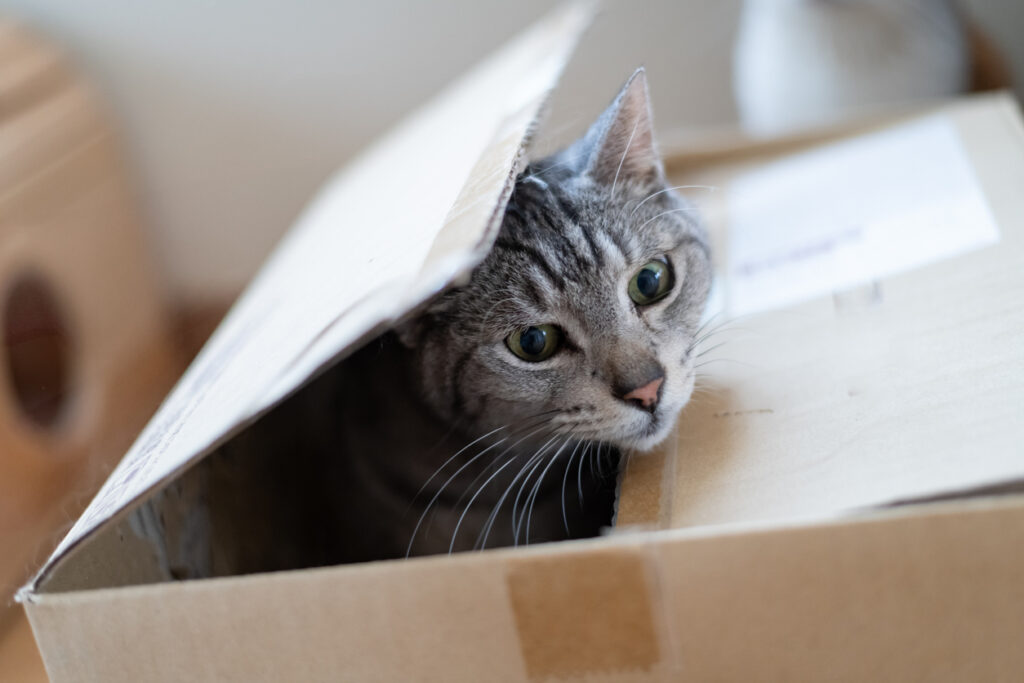
Cats are far more likely to figure things out on their own instead of waiting for direction. Whether it’s opening doors, accessing hidden food, or navigating unfamiliar spaces, they experiment until something works. Dogs often look to humans for cues, which looks cooperative but also shows reliance. Cats rely on internal problem-solving, testing actions and remembering successful outcomes without needing reinforcement every time.
2. Cats have stronger long-term memory for places and experiences.
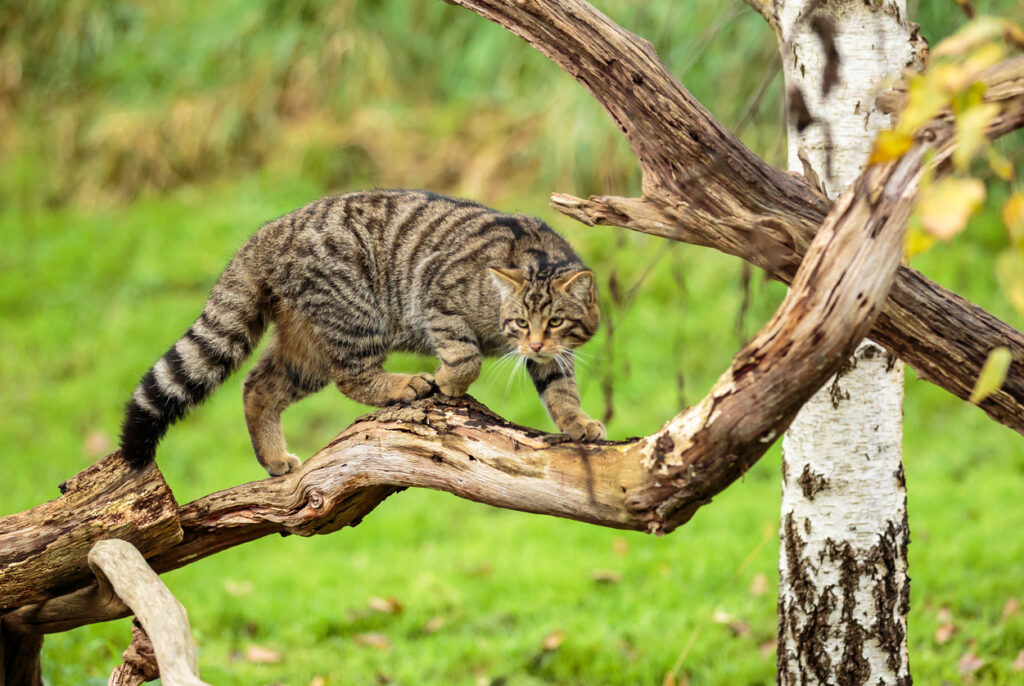
Cats remember locations, routes, and environments with remarkable accuracy. They can recall where food was stored, which window offers the best escape, or where a threat once appeared, even after long gaps. Their spatial memory is essential for solo hunters. Dogs, bred to work alongside humans, don’t rely on this same level of independent recall and are more likely to depend on routine and guidance.
3. Cats learn through observation more than instruction.

Cats pick up information by watching quietly rather than being taught directly. They observe how objects move, how people behave, and how other animals interact before acting themselves. Observational learning allows cats to adapt without repeated training. Dogs often need structured repetition, while cats gather information passively and apply it when it benefits them.
4. Cats understand cause and effect without reward.

Cats don’t need treats to understand that one action leads to another. They learn that pushing an object causes movement, that jumping here leads to access, or that knocking something down creates noise or attention. This shows intrinsic learning rather than reward-based conditioning. Dogs frequently rely on external motivation, while cats store knowledge simply because it’s useful.
5. Cats adjust strategies when something stops working.
If a method fails, cats change tactics. A cat that can’t open a door one way will try another angle, another height, or wait for a different moment. That flexibility shows adaptive thinking. Dogs often repeat behaviours that previously worked, even when conditions change, while cats reassess and alter their approach.
6. Cats manipulate environments, not just respond to them.

Cats don’t just react to surroundings, they alter them. They push objects to test gravity, rearrange spaces to suit their comfort, and position themselves strategically for observation or escape. That environmental control reflects planning and intention. Dogs tend to engage with what’s presented, while cats reshape their surroundings to meet their needs.
7. Cats recognise individual humans and adapt behaviour accordingly.

Cats don’t treat all humans the same. They learn who is permissive, who offers food, who needs coaxing, and who should be avoided. Their selective social intelligence shows categorisation and memory. Cats tailor behaviour to individuals rather than using a one-size-fits-all response, which requires nuanced awareness.
8. Cats conserve energy through strategic thinking.

Cats don’t act unless there’s a reason. Their intelligence prioritises efficiency, choosing the least costly option to achieve a goal. Dogs often expend energy freely, chasing, reacting, and repeating behaviours. Cats calculate effort versus reward, which is a hallmark of higher-level decision-making.
9. Cats understand boundaries without constant reinforcement.
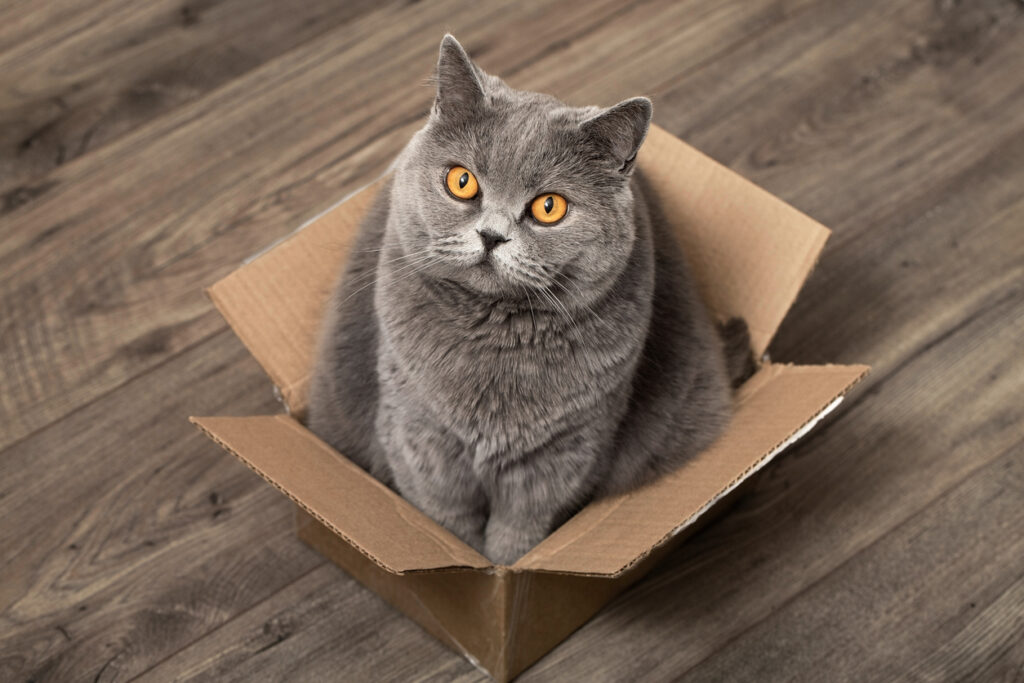
Once cats learn limits, they tend to remember them. A cat that learns which surfaces trigger consequences often avoids them without repeated correction. Dogs frequently test boundaries repeatedly and rely on consistent reinforcement. Cats internalise rules faster, especially when those rules affect their comfort or safety.
10. Cats form mental maps rather than habit loops.
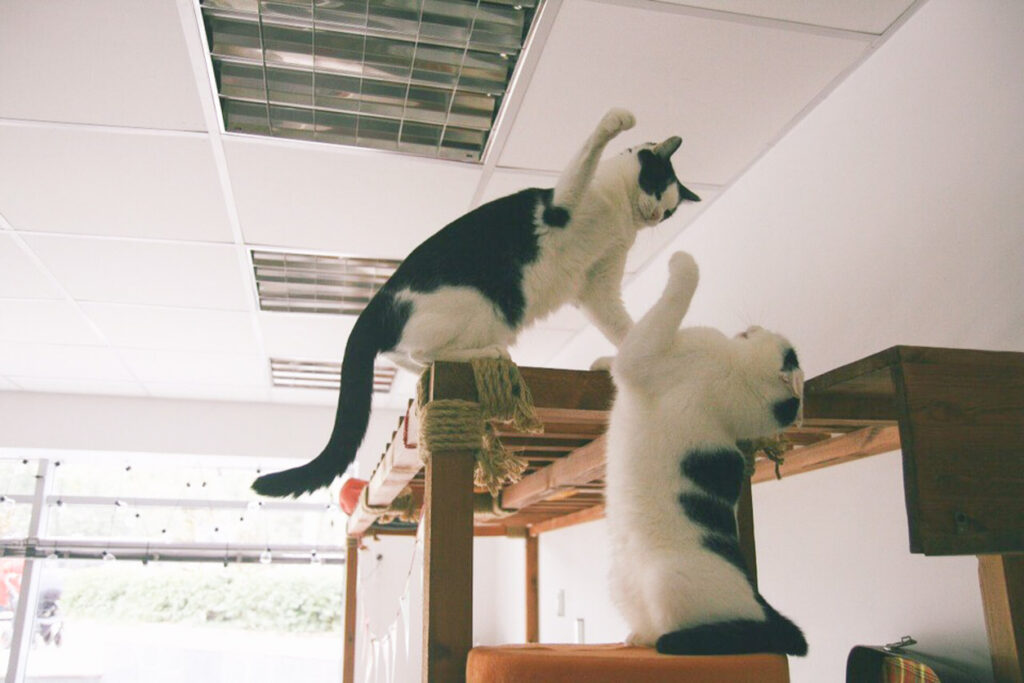
Cats navigate environments using internal mapping. They remember escape routes, high vantage points, and safe zones without needing repetitive practice. Dogs rely more heavily on habitual routes and cues. Cats’ ability to mentally map space supports independence and complex navigation.
11. Cats choose cooperation instead of default obedience.
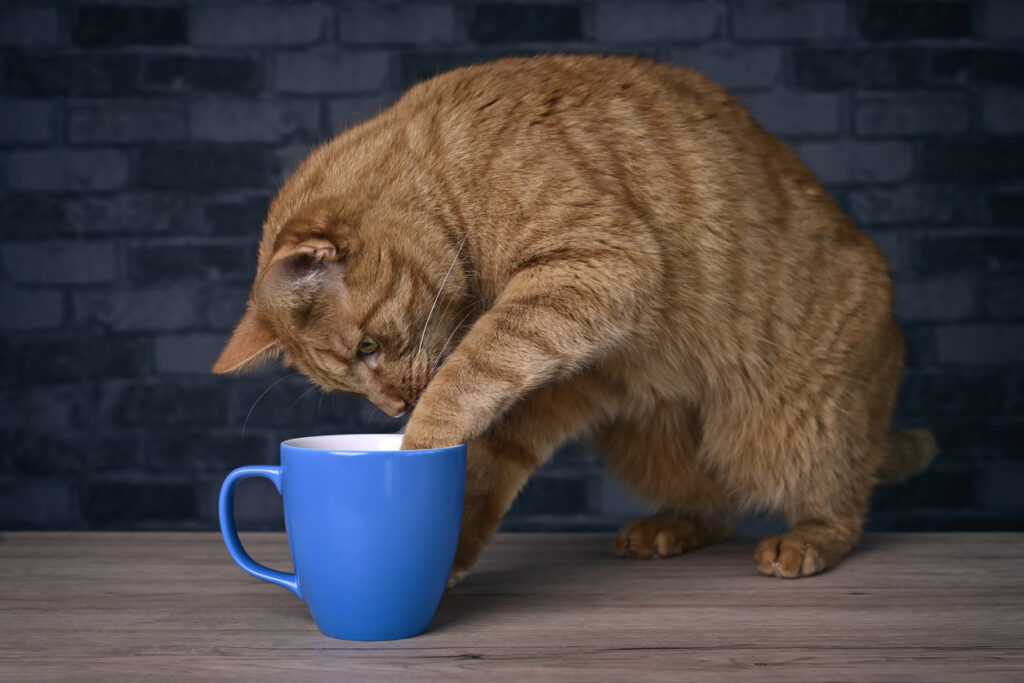
When cats engage with humans, it’s usually because they see value in doing so. Cooperation is optional, not automatic, and that level of selective engagement shows discernment. Dogs often obey regardless of benefit, while cats assess whether participation serves their interests.
12. Cats remember negative experiences with precision.
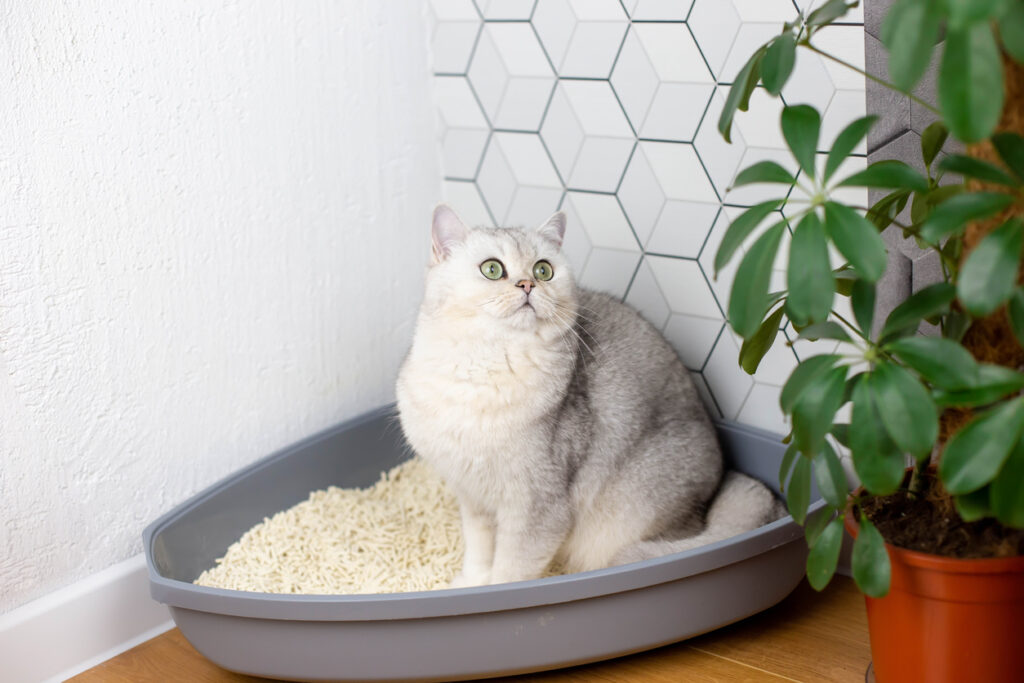
Cats don’t forget unpleasant events easily. A single bad experience can permanently change how they approach a person, object, or place, and that memory protects them from repeated danger. Dogs may forgive and forget more easily, which looks friendly but suggests less cautious processing.
13. Cats thrive without constant social feedback.
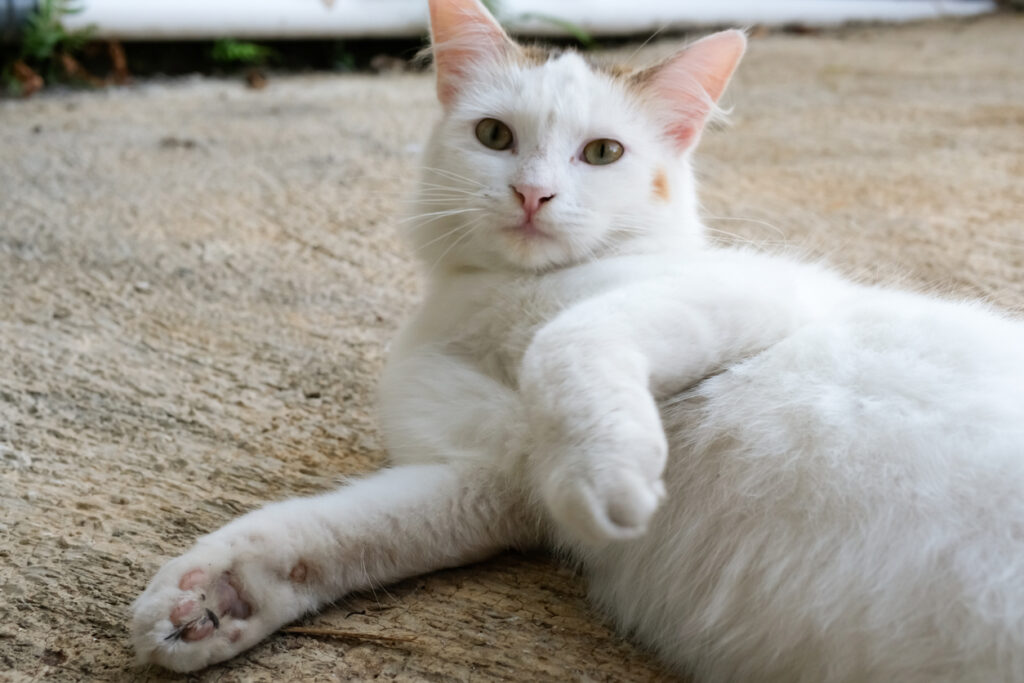
Cats don’t need validation to function. They regulate themselves, entertain themselves, and make decisions without external reassurance. Such self-directed cognition is a form of intelligence that doesn’t rely on approval. Dogs excel at social bonding, but cats excel at autonomous thinking, which is often the quieter marker of a sharper mind.
Cats don’t advertise their intelligence. They don’t perform on command or seek praise for getting things right. Instead, they think, remember, adapt, and decide on their own terms, which is exactly why their intelligence is so often underestimated.