Humans love to assume animals would outrun us every single time, no contest.

We picture effortless speed, powerful legs, and instincts honed by evolution, then silently accept defeat before the race even starts. Fair enough in a lot of cases. However, not all animals are built for sprinting, and not all speed advantages work the way people imagine.
That being said, when you look past highlight-reel moments and start thinking about stamina, acceleration, terrain, and sheer awkwardness, things get more interesting. There are animals that look quick but burn out fast, move inefficiently, or simply aren’t designed for straight-line racing. Under the right conditions, with the right matchup, a reasonably fit human actually has a fighting chance, which is both comforting and slightly ridiculous when you think about it.
1. Three-toed sloths
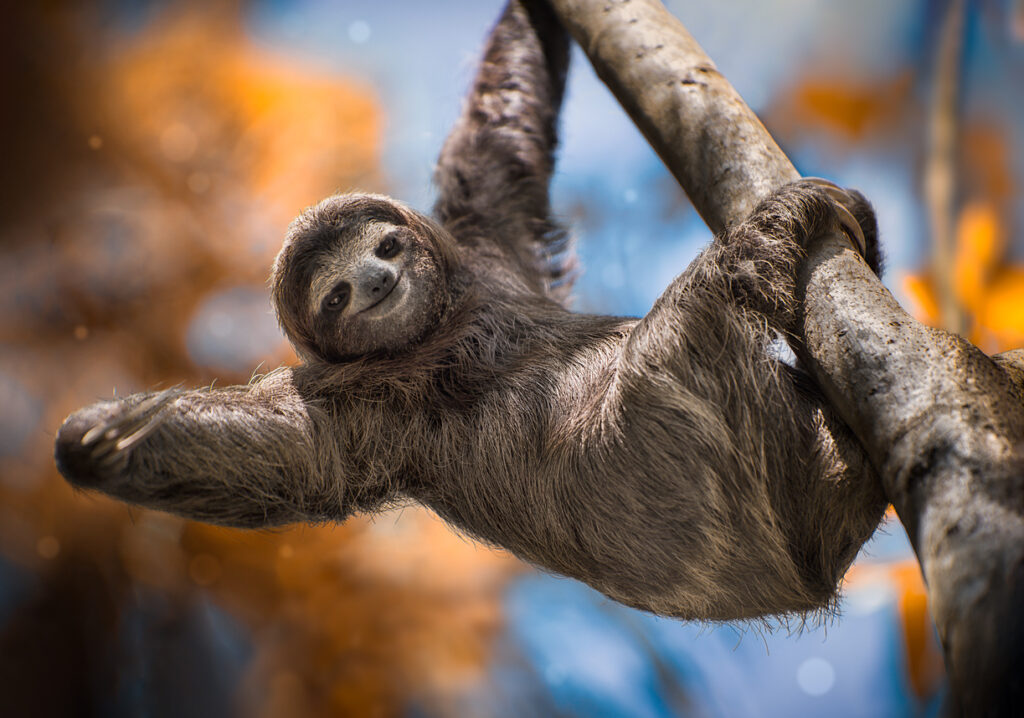
These are the slowest mammals on earth, moving at a blistering 0.15 miles per hour. That’s about one foot per minute. You could walk backwards while eating a sandwich and still beat a sloth in a race. They move so slowly that algae grows on their fur, which is both fascinating and deeply sad from a competitive standpoint. Even their name literally means slow-footed, so at least they’re honest about it.
2. Garden snails
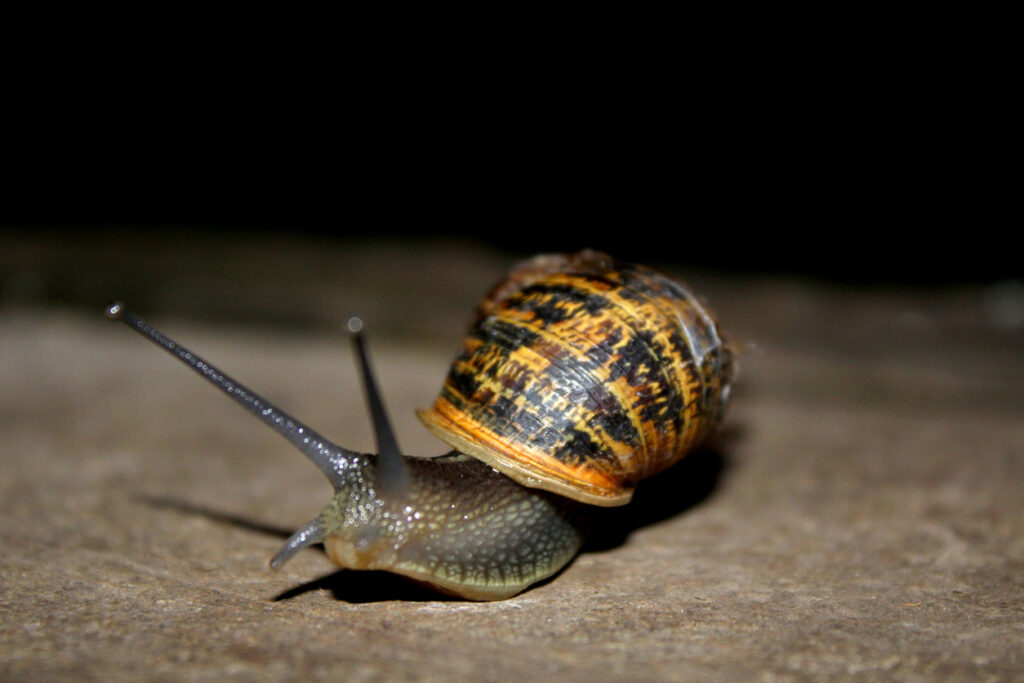
Snails clock in at about 0.03 miles per hour, which means it would take one five and a half days to travel a single mile. You could crawl on your hands and knees and still lap a snail multiple times before it crossed the finish line. Their entire body is basically one giant muscular foot covered in slime, which is not exactly built for speed. The expression “slow as a snail” exists for a reason.
3. Giant tortoises
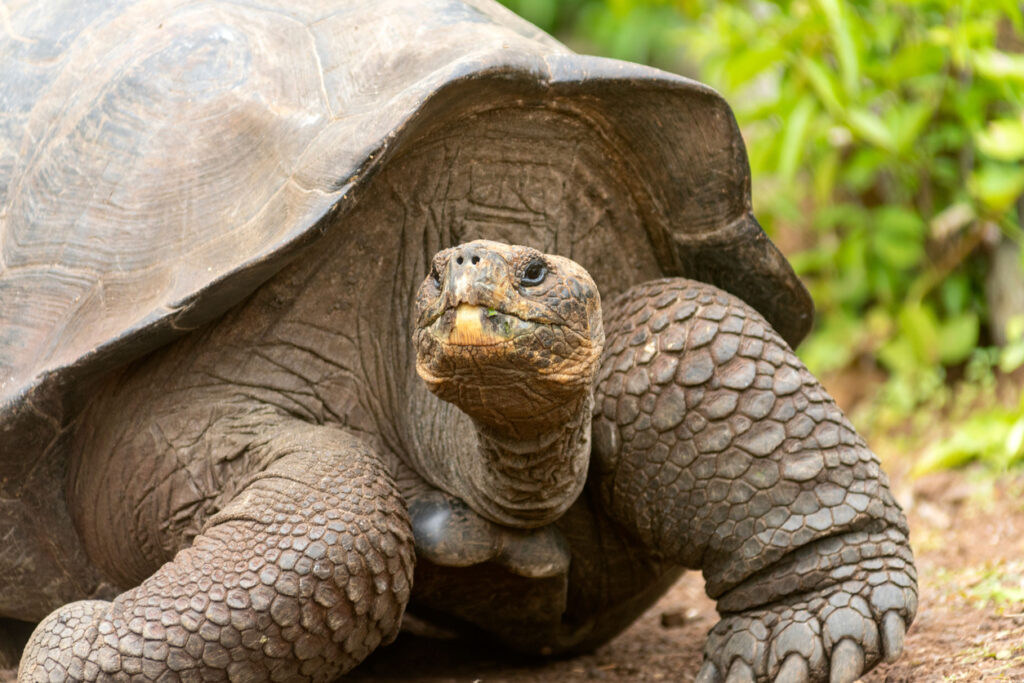
The famous Galápagos tortoises move at around 0.16 miles per hour on a good day. These ancient reptiles can live for over 150 years, so they’ve got time to get places, they’re just not in any rush about it. Their massive shells weigh them down, and their short legs aren’t designed for quick movement. You could beat one while carrying shopping bags and stopping to tie your shoes.
4. Gila monsters
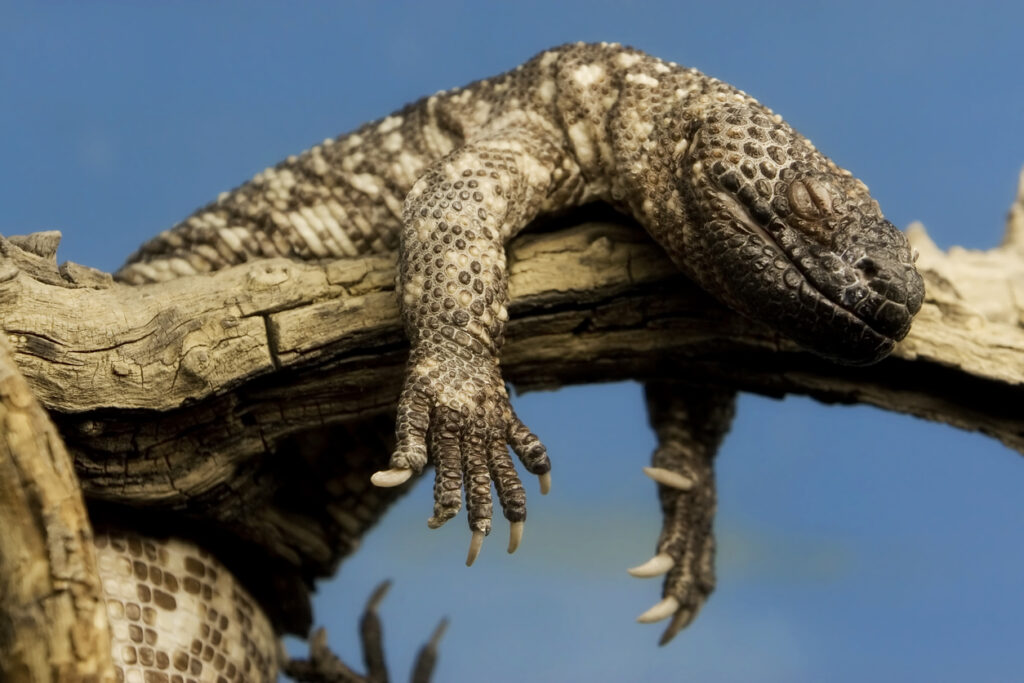
These venomous lizards from the American southwest waddle along at about 0.4 miles per hour. They’re one of the few venomous lizards in the world, which is terrifying, but at least you can easily outrun them if one decides to have a go at you. They conserve energy in the desert heat by moving as little as possible, so racing isn’t really their thing.
5. Manatees on land
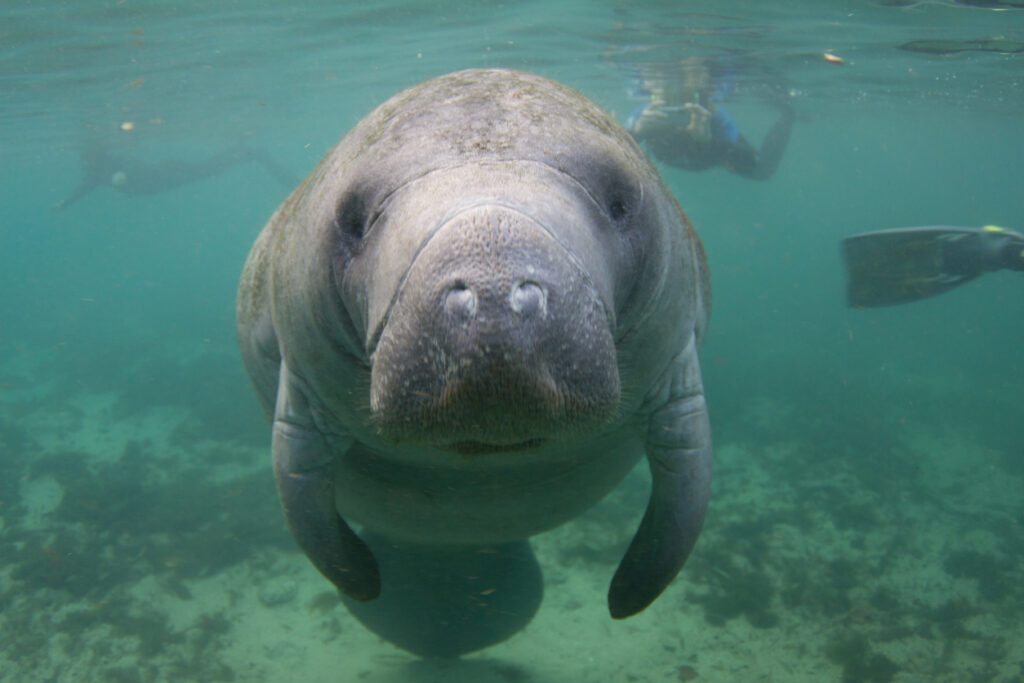
In water, manatees can swim at 3 to 5 miles per hour, which is respectable. On land, they literally cannot move because they’re fully aquatic mammals. If you somehow convinced a manatee to race you on dry ground, you’d win by default before it even started. This feels like cheating but technically counts.
6. Penguins on land
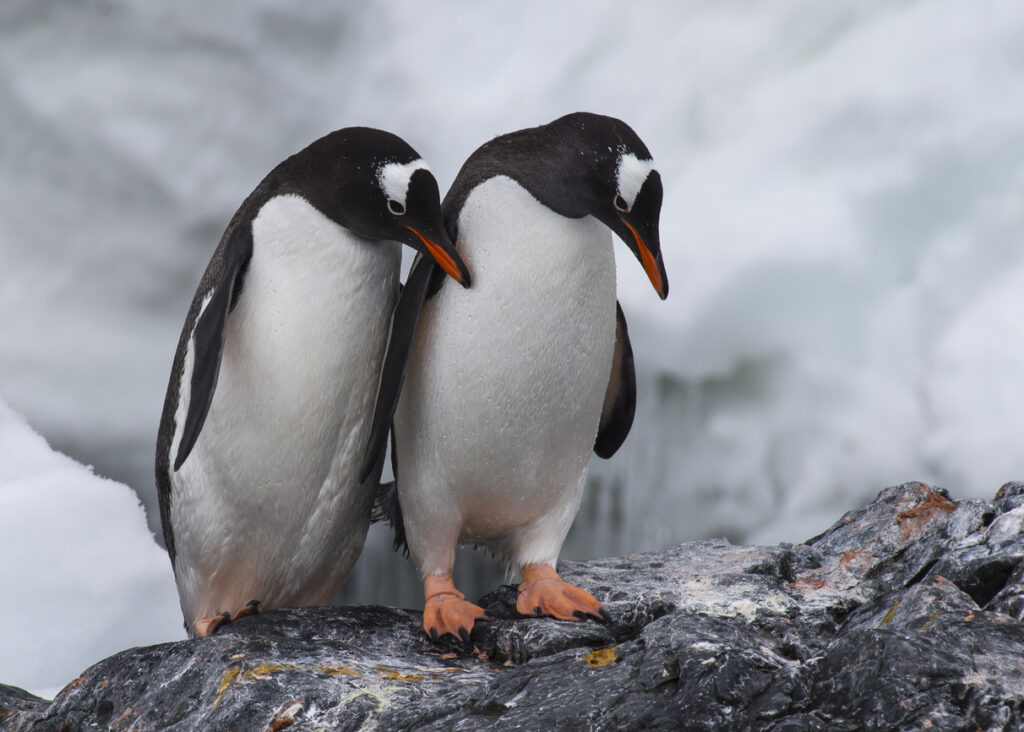
Penguins are incredible swimmers but absolute disasters on land. They waddle along slowly because their legs are short and positioned far back on their bodies. The Galápagos penguin, for example, moves painfully slowly on land while looking completely ridiculous doing it. In the water they’d smoke you, but on a track, you’d win easily.
7. Koalas on the ground
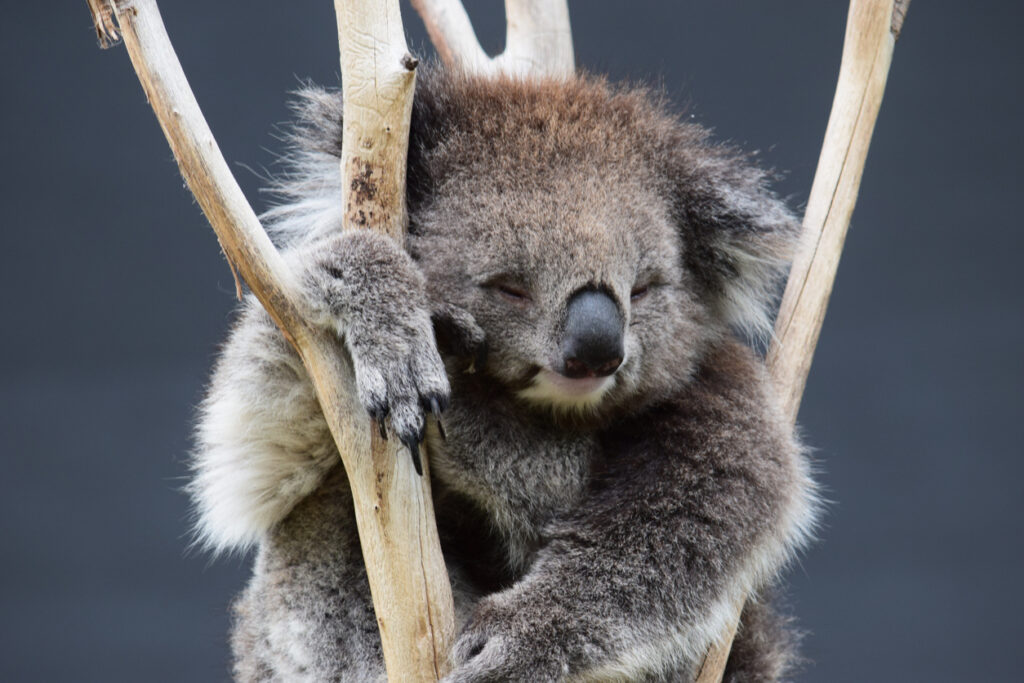
Koalas sleep 16 to 20 hours a day because their eucalyptus diet gives them almost no energy. When they’re awake and on the ground, they move slowly and awkwardly because they’re designed for climbing trees, not running races. They’d much rather sit still and preserve what little energy they have than engage in any sort of physical competition with you.
8. American woodcocks
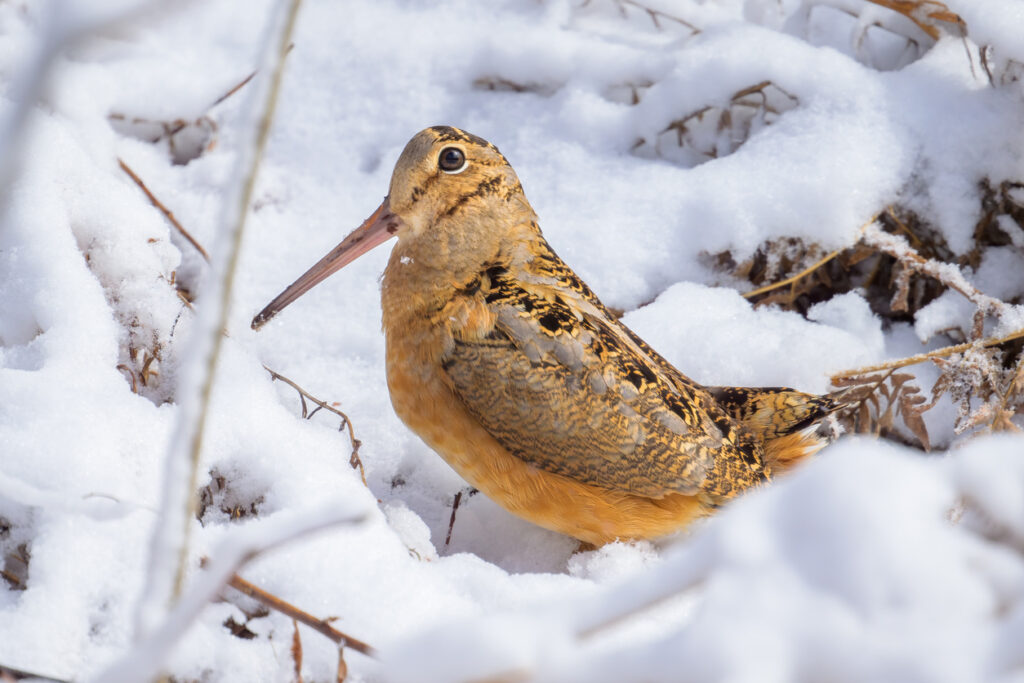
This is the slowest flying bird in the world, managing only about 5 miles per hour during courtship flights. That’s slower than your average jogging pace. Its chunky body and short wings make it terrible at speed, so if you raced one on the ground while it attempted to fly low, you’d probably keep up or beat it depending on how fast you run.
9. Crocodiles on land
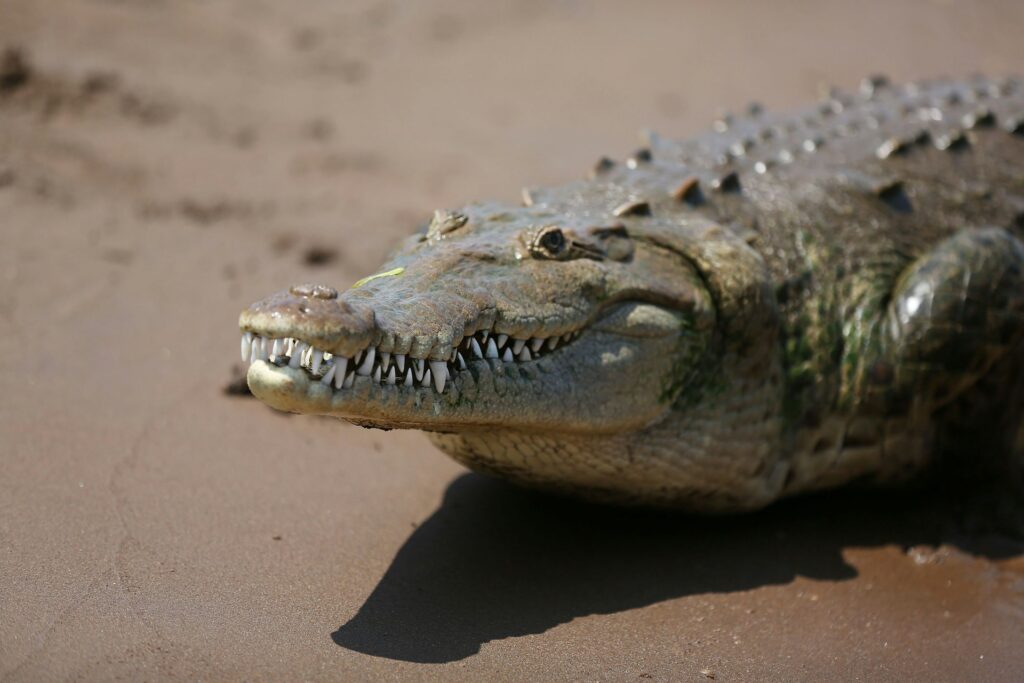
In water, crocodiles are terrifying killing machines. On land, they’re surprisingly sluggish over distance. They can do short bursts of speed to grab prey at the water’s edge, but they tire quickly and aren’t built for sustained running. If you got a decent head start and the race was long enough, you’d beat one comfortably, assuming it didn’t just give up and go back to the water.
10. Sea turtles on land
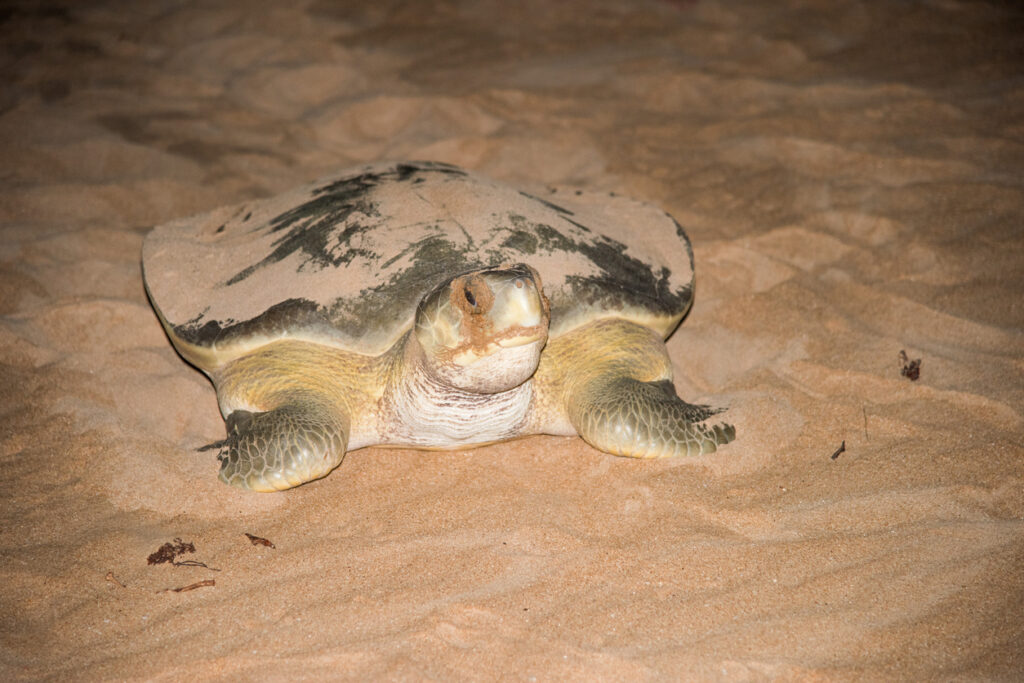
Sea turtles are graceful swimmers but utterly hopeless on beaches. They drag themselves across sand at about 1 to 2 miles per hour, struggling with every movement because their flippers are designed for water, not land. Watching a sea turtle try to race on land would be both sad and an easy win for you.
11. Elephants over long distances
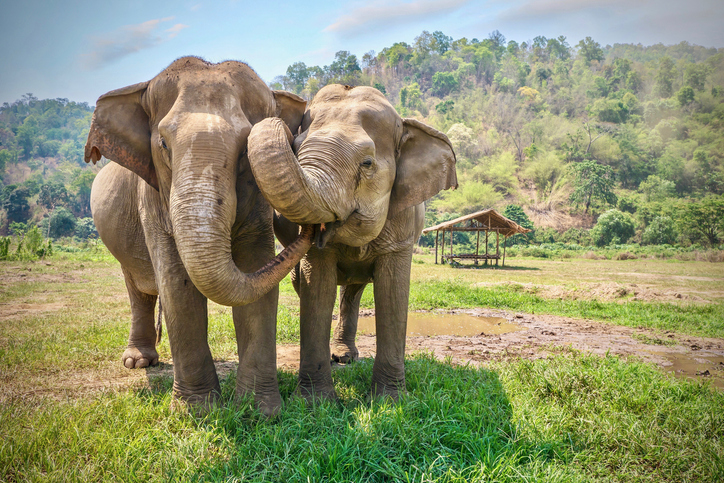
Elephants can hit 20 miles per hour in short bursts, which would absolutely flatten you in a sprint. But they can’t maintain that speed and they tire quickly. Humans are exceptional endurance runners, so in a marathon-length race, you’d eventually overtake an elephant as it slowed down and needed rest. This is how our ancestors hunted large animals before weapons existed.
12. Hippos on land
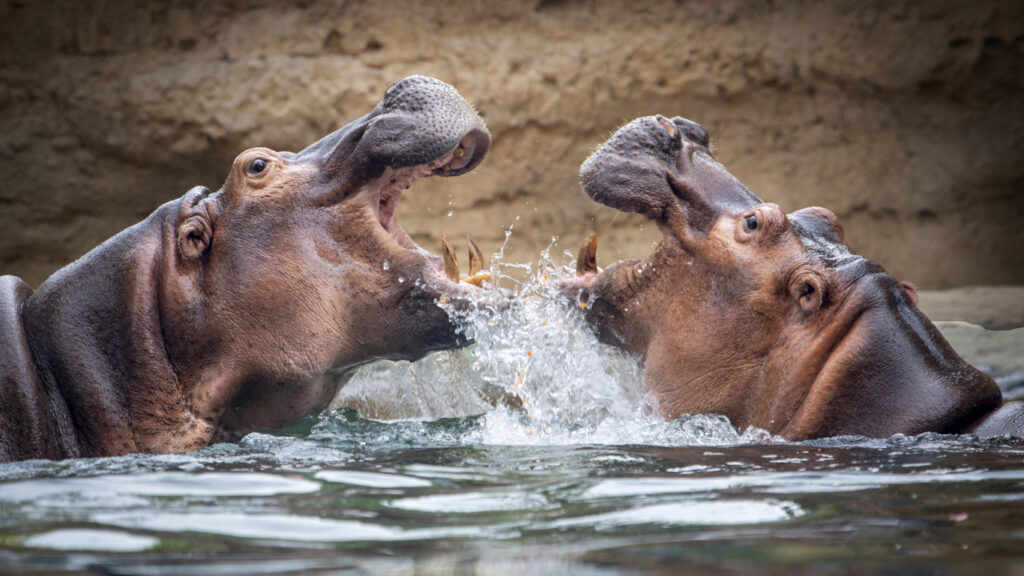
Hippos can run surprisingly fast on land for short distances, hitting 30 miles per hour, which would obliterate you in a sprint. But they’re not endurance animals, and they overheat quickly out of water. In a longer race where stamina matters, a fit human could potentially outlast a hippo once it tired and started looking for water to cool down.
13. Most chimpanzees over distance

Chimps are stronger and faster than humans in short bursts, reaching 25 miles per hour. But humans evolved specifically for endurance running, while chimps didn’t. In a long-distance race, your superior stamina and cooling system through sweating would eventually win out as the chimp exhausted itself and had to stop.
14. Basically any animal in a marathon

Here’s where humans actually shine. We’re rubbish sprinters compared to most animals, but we’re the best endurance runners on the planet. Before hunting weapons existed, humans literally chased animals until they collapsed from exhaustion and died. Our ability to sweat, our lack of fur, our developed Achilles tendons, and our mental capacity to push through pain means we can outrun almost anything over long distances. A cheetah would destroy you in a sprint, but you’d beat it in a marathon.