There’s something a bit humbling about standing in front of a place you’ve always assumed was pure, untouched nature, only to find out humans had a hand in it.
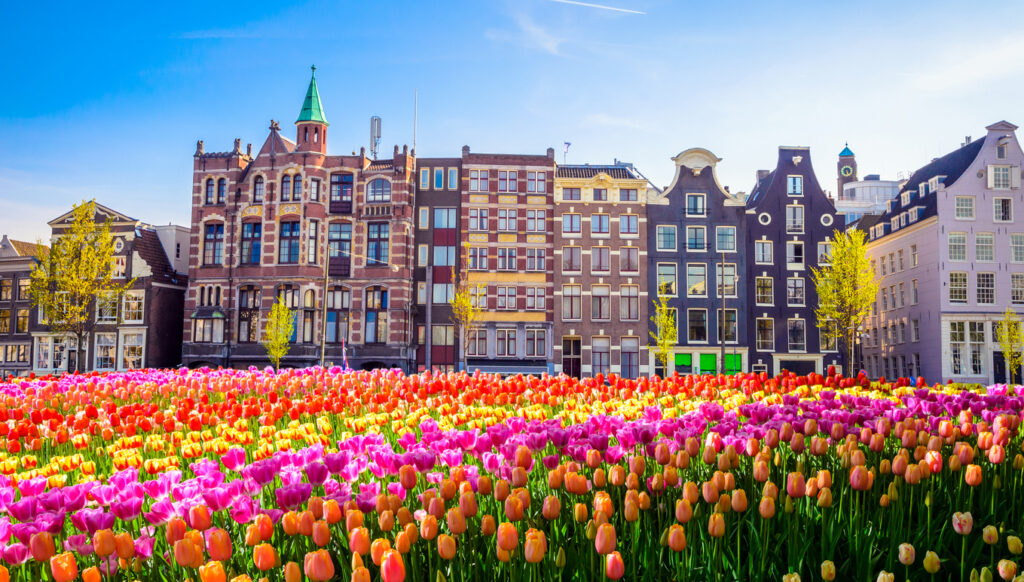
It’s not always in a “we bulldozed this into existence” way, but in a slow, deliberate, sometimes accidental process that shaped the landscape over years, decades, or even centuries. It doesn’t make these places any less impressive. If anything, it actually makes them more fascinating.
What really messes with your head is how completely natural they feel once they’re finished. There are flashing signs or obvious fingerprints, just scenery so convincing it slips straight into postcards, documentaries, and travel bucket lists without question. These are places that look like the planet did all the work on its own, when in reality people quietly nudged things along and then stepped back. The result is a collection of wonders that blur the line between human effort and nature doing what it does best.
1. The Rice Terraces of Banaue, Philippines
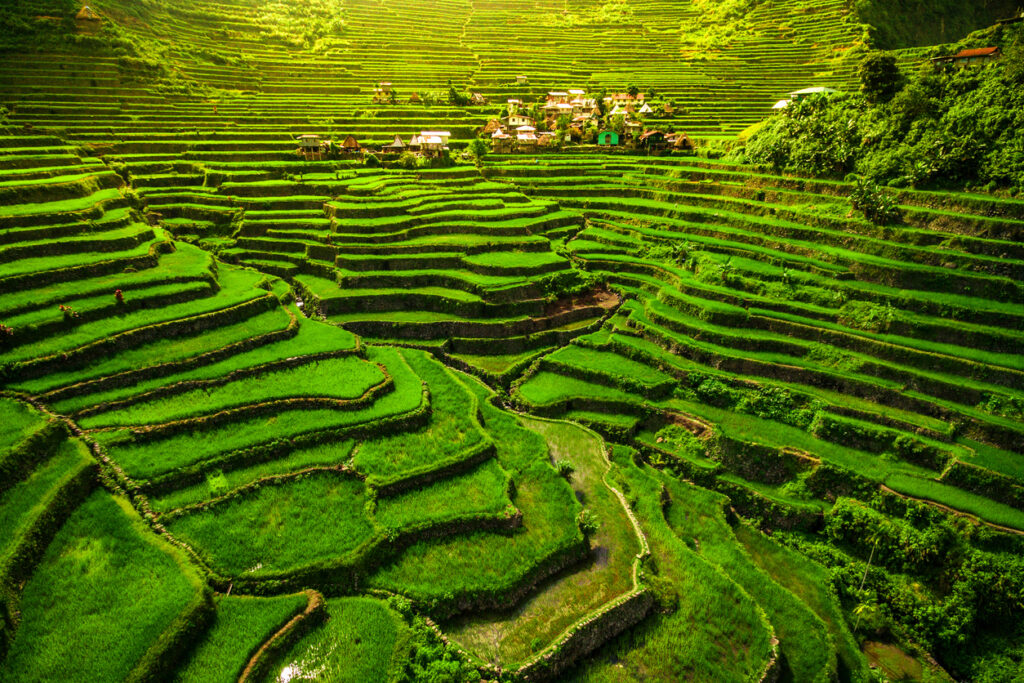
The Banaue Rice Terraces look like giant green steps carved naturally into the mountains. From a distance, they feel almost geological, as if the land simply formed that way over time. In truth, they were built by hand more than 2,000 years ago using basic tools and deep knowledge of water flow. Every curve was designed to guide rainwater gently downhill. The reason they still exist today is because the system works with gravity and rainfall rather than fighting them.
2. The Plitvice Lakes, Croatia

The cascading turquoise lakes and waterfalls feel like something entirely untouched. Most people assume they’re purely the result of geology and time. What’s often missed is how humans quietly influenced water movement for centuries. Traditional barriers, pathways, and water control shaped how the lakes connect, helping mineral deposits form the travertine steps that give the area its iconic look.
3. The Dutch polders

Large areas of the Netherlands look like calm, low-lying countryside filled with canals, farms, and grazing land. It feels peaceful and organic. None of it would exist without human engineering. Polders are reclaimed seabeds, drained and protected by dikes and pumps. The beauty comes from balance, not force. Water is carefully managed rather than excluded, creating a landscape that feels stable instead of artificial.
4. The tulip fields of the Netherlands
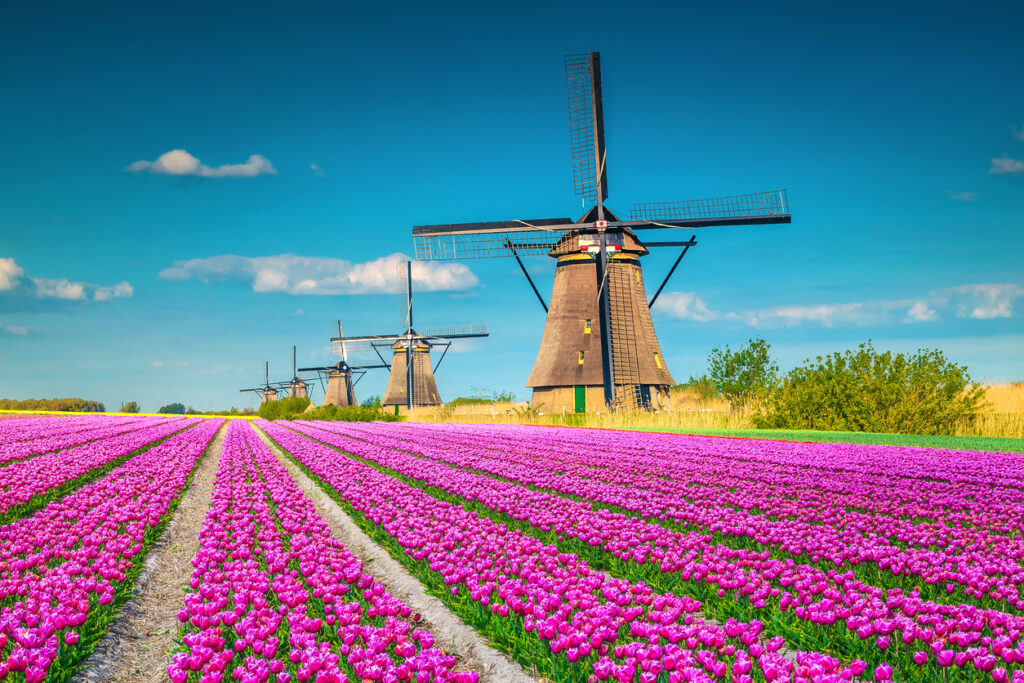
Each spring, bands of colour sweep across the land in a way that feels almost unreal. From above, it looks like nature decided to paint the countryside. These fields are the result of meticulous planning. Soil is rotated, drainage is controlled, and bulbs are planted with precision. The spectacle comes from repetition and scale, turning agriculture into something that feels closer to art.
5. Bali’s rice terraces
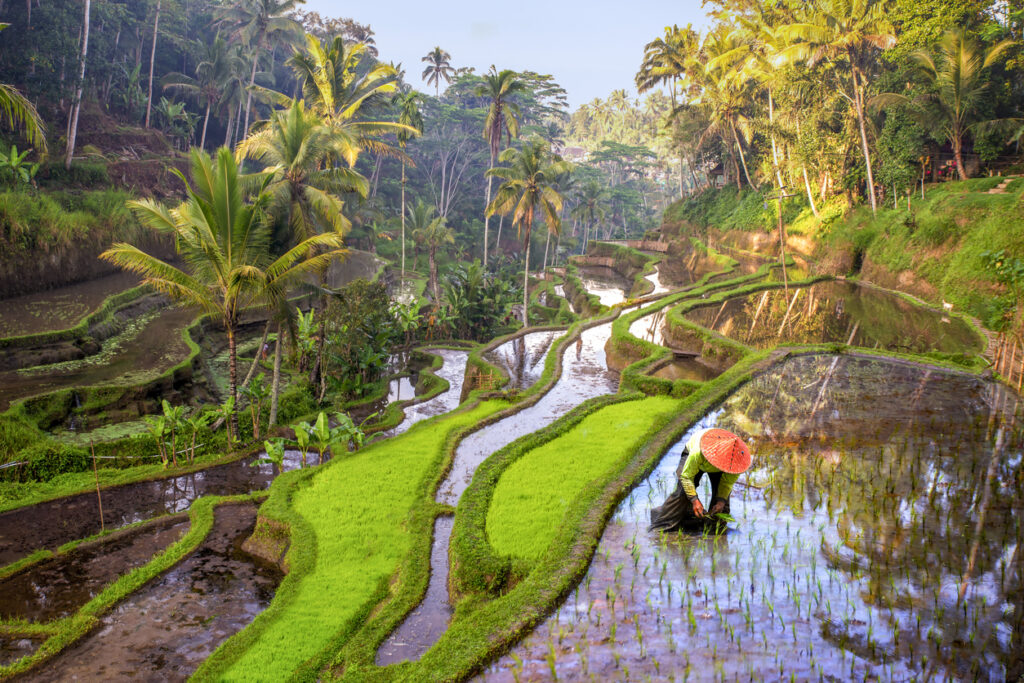
Bali’s terraced hillsides appear to ripple down the landscape as if shaped by water alone. The effect is calm, rhythmic, and almost meditative. They’re controlled by an ancient cooperative irrigation system that uses gravity, shared rules, and careful timing. Instead of modern machinery, communities manage water collectively, creating a landscape that’s both functional and visually stunning.
6. Jiuzhaigou’s terraced lakes, China
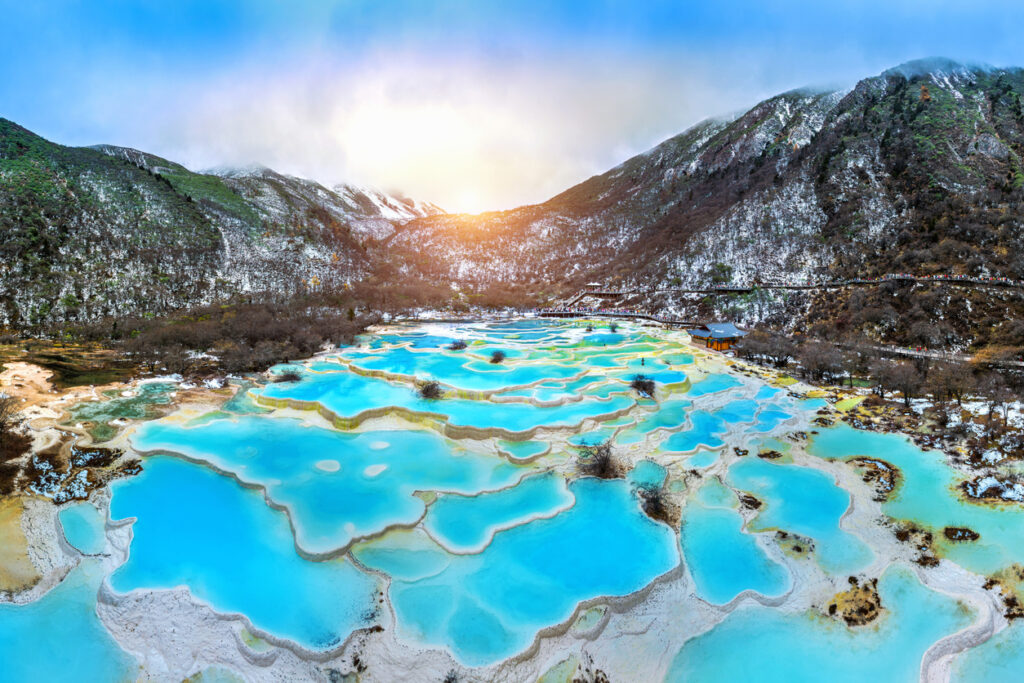
The blue-green lakes stacked across valleys look like untouched wilderness. Many visitors assume they’re entirely natural formations. While geology plays a role, centuries of human land management helped stabilise slopes, prevent erosion, and guide water flow. That quiet stewardship allowed natural dams and terraces to form rather than collapse.
7. England’s hedgerow landscapes
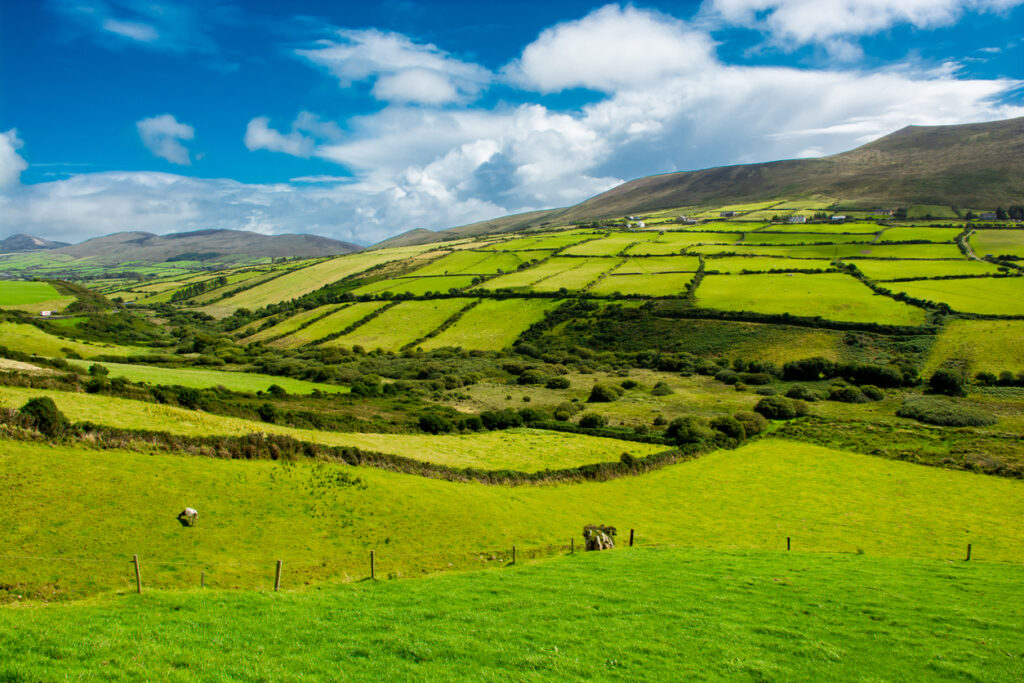
Much of the British countryside looks timeless, especially where winding hedgerows divide rolling fields. It feels like something that’s always been there. In reality, many hedges were planted deliberately hundreds of years ago to mark boundaries, shelter livestock, and protect soil. Over time, they became wildlife corridors, accidentally creating one of the most recognisable rural landscapes in Britain.
8. The lavender fields of Provence
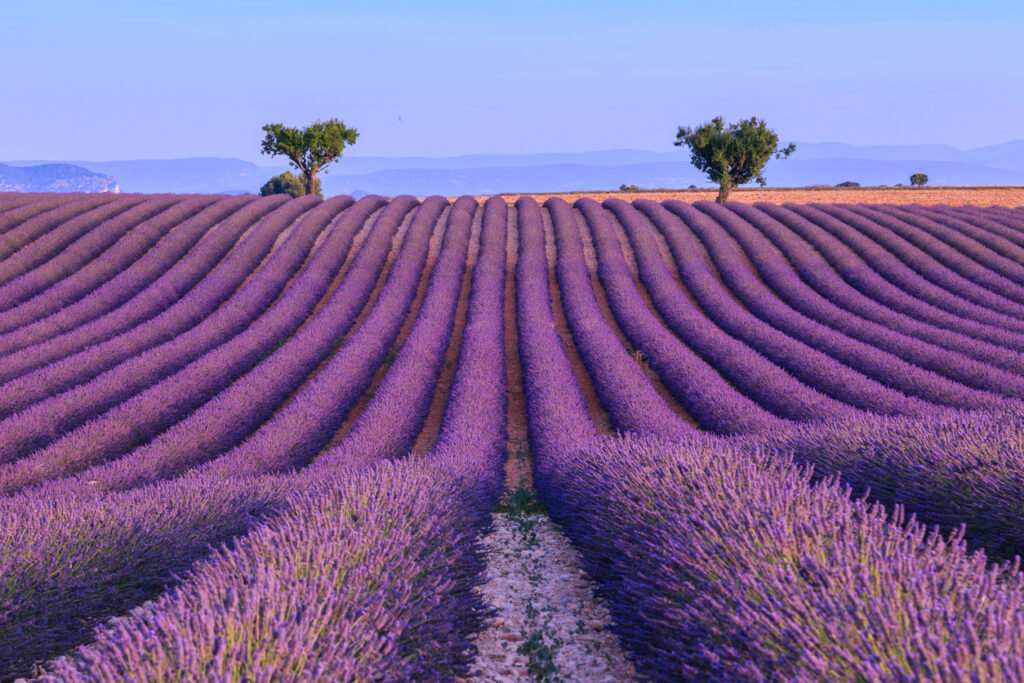
Endless purple fields blooming under the sun feel wild and spontaneous. They’re anything but. Lavender is planted, pruned, rotated, and harvested with careful timing. The beauty comes from human patience and repetition, transforming farming into something that feels almost painterly.
9. The Lake District’s open fells
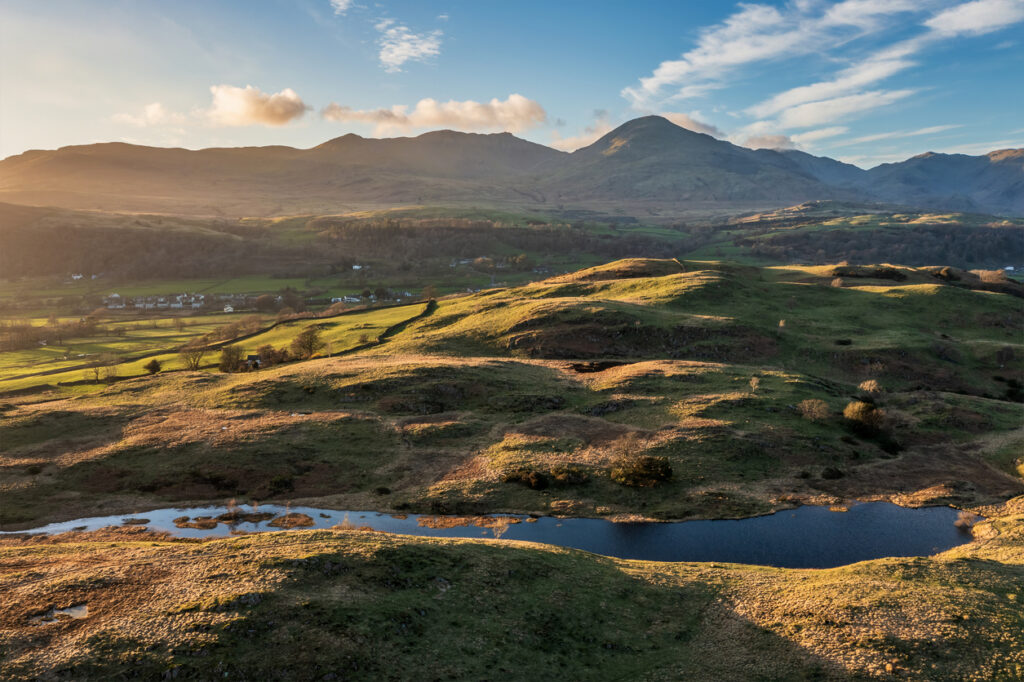
The Lake District is often described as wild and untouched. The open hills and sweeping views feel like pure nature. In reality, centuries of sheep grazing prevented forests from regrowing. The landscape people now associate with natural beauty is the result of long-term farming that reshaped ecosystems permanently.
These places challenge the idea that man-made means artificial or destructive. They show that when humans work with natural processes instead of against them, the result can feel just as awe-inspiring as untouched wilderness, sometimes even more so.