Climate change has become one of those topics where people dig their heels in and stop listening.

That’s usually because it’s been wrapped up in politics, guilt, or endless shouting matches. But underneath all that noise are a few stubborn facts that don’t care who believes them or not. They show up in weather patterns, food prices, insurance costs, and the way our towns and countryside are already changing.
You don’t need to glue yourself to a road or start lecturing strangers to see what’s going on. Some truths are now so baked into everyday life that ignoring them takes more effort than acknowledging them. These aren’t scare stories or abstract predictions, either. They’re things already happening, backed by evidence, and increasingly hard to brush off as coincidence or exaggeration.
1. Weather patterns are becoming harder to predict.

Forecasts haven’t suddenly become worse because meteorologists forgot how to do their jobs. The atmosphere itself is behaving less predictably, with patterns shifting faster and lasting longer than they used to. That’s why sudden heatwaves, prolonged rain, or unseasonal cold snaps feel more common. You don’t need to follow climate science closely to notice this. Farmers, builders, event organisers, and anyone planning work outdoors are already adjusting because the old expectations around seasons don’t hold up the way they once did.
2. Flooding is hitting places that rarely worried before.

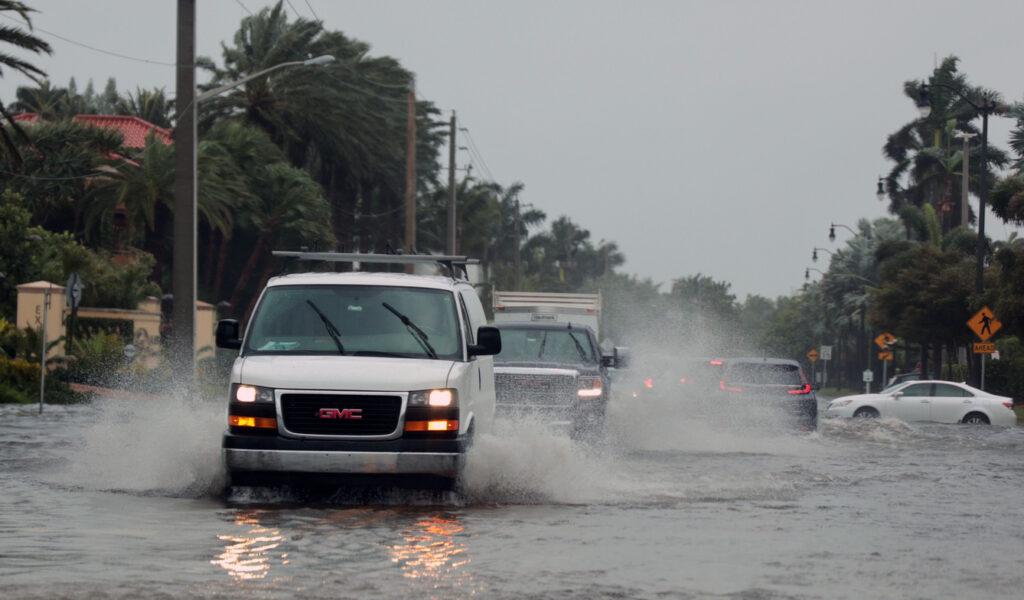
Flooding used to be something certain towns planned for and others barely considered. Now areas with no long history of flooding are seeing repeated problems, often from surface water rather than overflowing rivers. Drainage systems simply weren’t built for the volume of rain arriving in short bursts. This isn’t theoretical damage. Homes are becoming harder to insure, repairs are constant, and councils are spending more just to keep streets usable. When flooding becomes routine, it stops being dismissed as bad luck.
3. Heat affects infrastructure, not just comfort.

Hotter summers don’t just mean people feeling uncomfortable. Roads soften, rail lines buckle, and power systems struggle under higher demand. Britain’s infrastructure was designed for a cooler, more stable climate. When transport shuts down during heatwaves, it’s a physical limit being reached, not an exaggeration. The cost of reinforcing systems keeps rising because the conditions they face are changing.
4. Insurance companies are already pricing climate risk.

Insurance firms aren’t driven by ideology, they’re driven by data and payouts. As extreme weather claims increase, premiums rise, or coverage disappears altogether in higher-risk areas. That change is already happening. When an insurer decides a location is too risky to cover affordably, that’s a financial judgement based on patterns they expect to continue. It’s one of the clearest signals that climate impacts are no longer hypothetical.
5. Wildlife behaviour is changing in visible ways.
Animals don’t respond to headlines, but they do respond to temperature and habitat changes. Birds are nesting earlier, insects are appearing at different times of year, and migration patterns are shifting. These changes are being noticed by gardeners, walkers, and birdwatchers alike. When familiar seasonal rhythms start drifting, ecosystems become less stable. Even people who aren’t interested in conservation notice when something that used to be predictable no longer is.
6. Food prices reflect climate pressure.
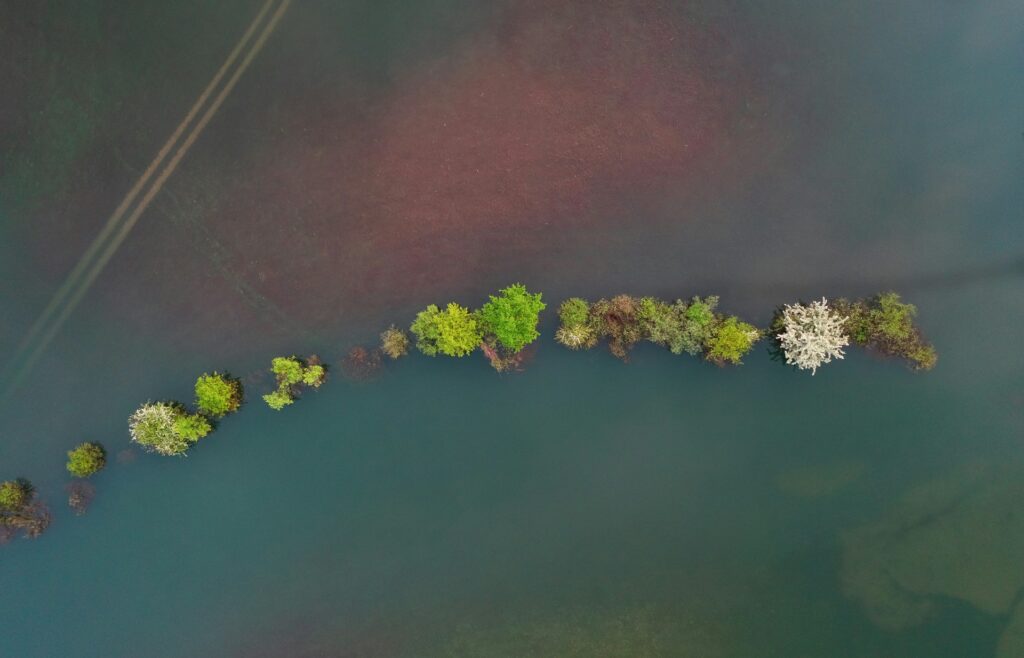
Crop failures, droughts, floods, and heat stress all affect food supply. When harvests are hit abroad or at home, prices rise in shops, regardless of where blame is placed. That link is already baked into global food systems. You don’t need to accept climate arguments to feel this impact. Higher prices and shortages are a direct result of disrupted growing conditions, and those disruptions are becoming more frequent.
7. Water shortages are becoming more common.
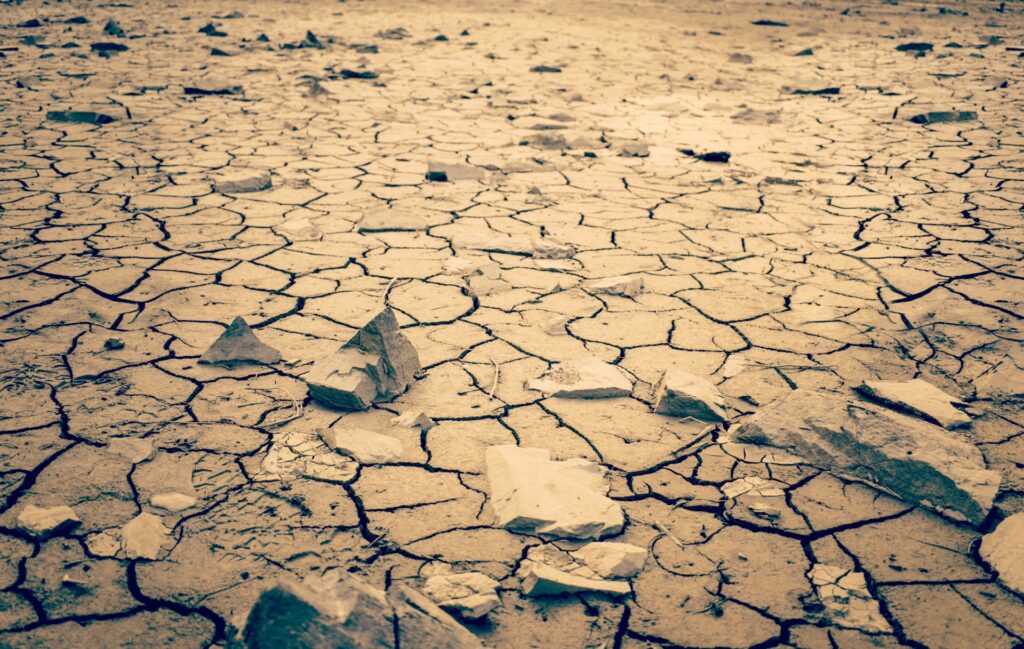
Periods of heavy rain don’t cancel out drought risk. Water systems depend on steady replenishment, not sudden downpours that run straight off hard ground. That’s why hosepipe bans now follow wet winters more often than expected. Managing water is becoming more complex as rainfall patterns change. This affects households, agriculture, and industry alike, regardless of personal views on climate debates.
8. Heat-related health issues are rising.
Hospitals are seeing more cases linked to heat stress, dehydration, and respiratory problems during warmer periods. These impacts are especially hard on older people and those with existing health conditions. We’re not talking about distant future risks. Health services are adapting now because the conditions they’re dealing with are already changing, and not in a good way.
9. Coastal erosion is accelerating.
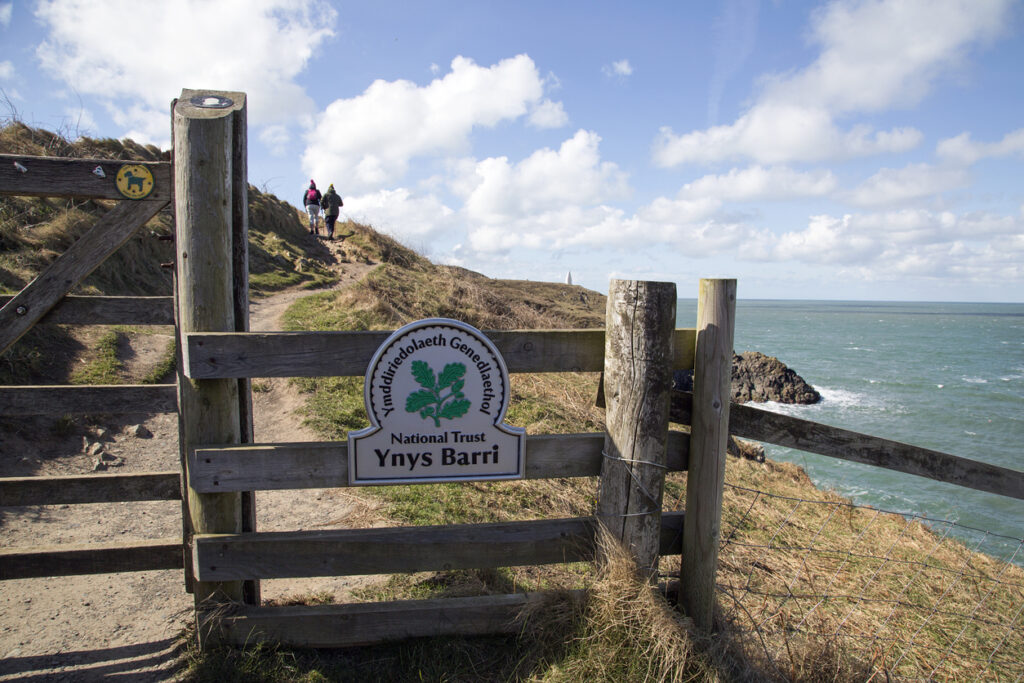
Britain’s coastline has always changed, but erosion is speeding up in many areas due to rising sea levels and stronger storm surges. Some communities are watching land disappear year by year. When roads, homes, and landmarks have to be abandoned, it stops being an abstract environmental issue. It becomes a practical problem with permanent consequences.
10. Emergency services are under growing strain.
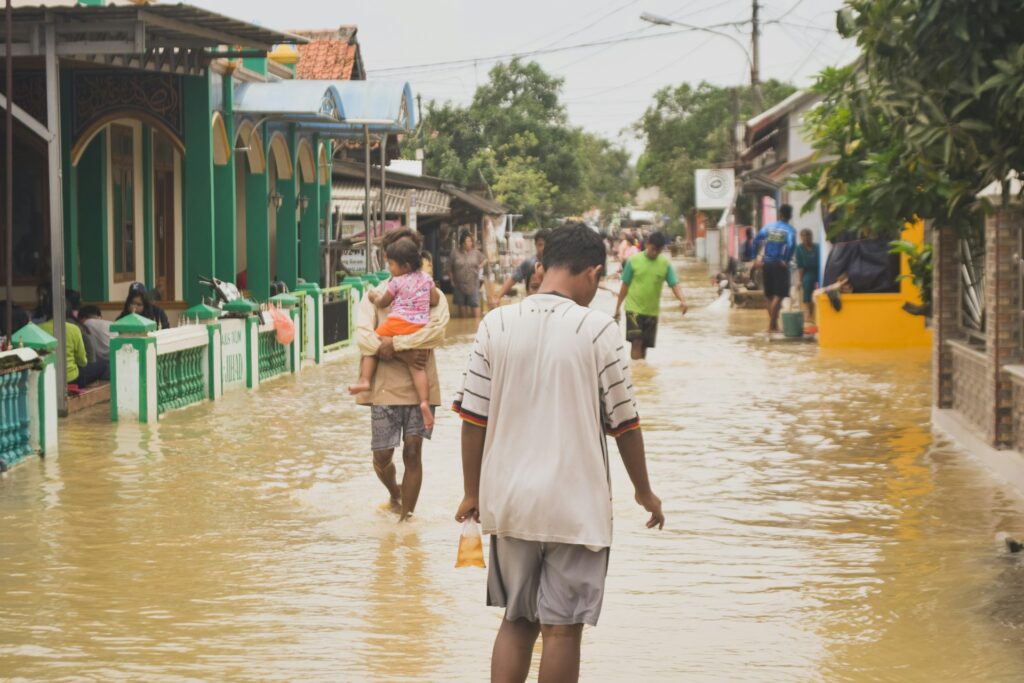
Firefighters, rescue teams, and local authorities are responding to more extreme weather events than they used to. Flood rescues, wildfire responses, and storm damage all demand time, staff, and resources. These services track workload carefully. When patterns change, they notice long before public debate catches up.
11. Businesses are quietly adapting operations.
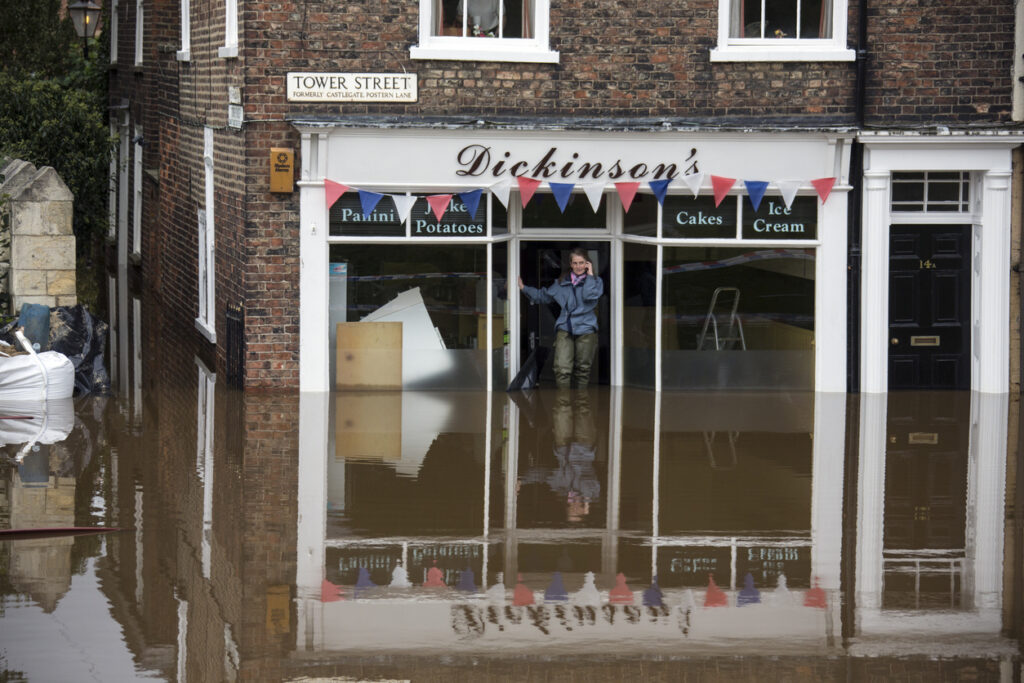
Many companies are adjusting supply chains, building design, and logistics to cope with heat, flooding, or resource instability. These changes often happen without fanfare because they’re seen as risk management, not activism. When businesses invest to protect against future conditions, it reflects expectations grounded in data, not belief.
12. Repairs and maintenance costs are rising.
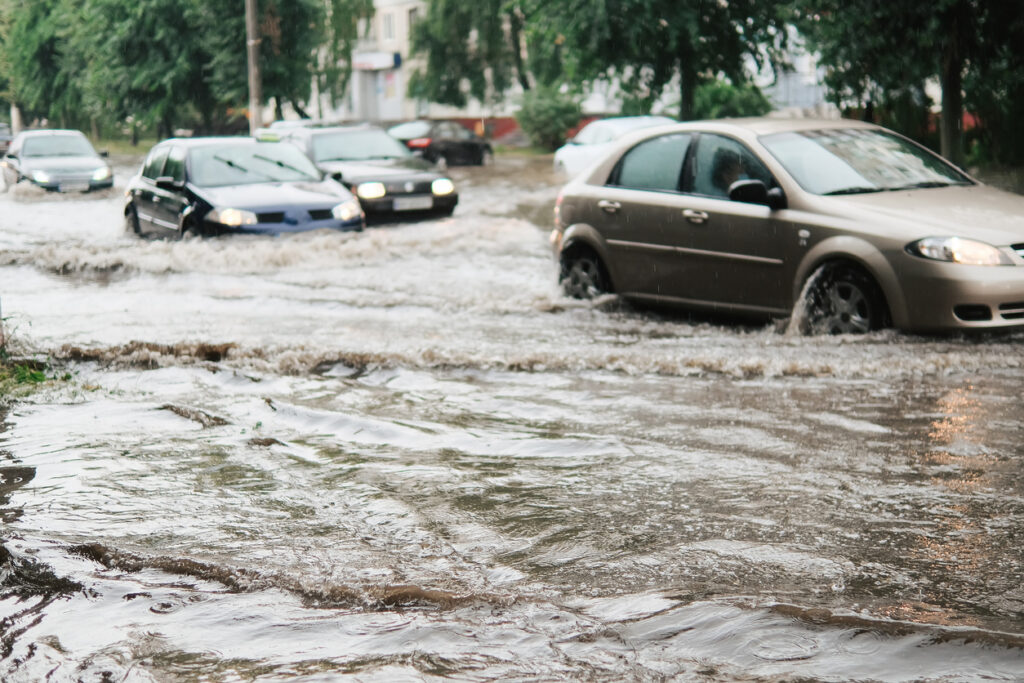
Homes and public buildings are facing more wear from heat, damp, and extreme weather. Materials degrade faster under stress, leading to more frequent repairs. This adds up across councils, landlords, and homeowners. Climate impacts show up in budgets long before they appear in arguments.
13. Historical records no longer match reality.
Past weather averages used for planning, building codes, and risk assessment are becoming less reliable. When “once in a century” events happen multiple times in a decade, the baseline has clearly moved. Updating these records isn’t about opinion, it’s about accuracy. Planning based on outdated assumptions becomes costly very quickly.
14. Adaptation is already unavoidable.

Even people who reject climate messaging accept the need to prepare for floods, heat, and resource strain. That preparation is adaptation, regardless of what label is used. When society starts changing how it builds, insures, farms, and responds to emergencies, it’s an acknowledgement that conditions are different now. Belief doesn’t factor into that reality.