
Most advice about protecting the planet tends to hover around the same familiar ground. Sort your recycling. Buy the right products. Remember your reusable bags. None of that is useless, but it keeps the focus firmly on personal guilt rather than the bigger picture. It also quietly suggests that if you just shop a bit better, everything will be fine, which lets far more damaging systems carry on untouched.
The changes that actually make a dent tend to feel less Instagram-friendly. They don’t revolve around buying a different version of the same thing. They mess with demand, habits, timing, and expectations. They shift how whole systems operate, not just how tidy your conscience feels at the checkout. These are the kinds of moves that don’t always get applause, but they do get results.
Buying less instead of buying “better”
One of the biggest environmental sleights of hand is the idea that switching brands solves the problem. A bamboo version of something still had to be grown, processed, packaged, shipped, and sold. A recycled version still needed energy, transport, and machinery to exist. Labels can feel comforting, but they rarely cancel out the footprint behind them.
Using less overall changes the game completely. Keeping clothes longer, repairing gadgets instead of upgrading them, resisting the urge to replace things that still work all reduce demand at the very start of the chain. Less demand means less extraction, less manufacturing, and less waste before anyone even starts arguing about bins.
Treating energy use as a timing issue, not just a usage issue
Most conversations about energy stop at “use less”, which misses a big part of how power systems actually work. Energy demand spikes at certain times, and when that happens, grids often rely on dirtier backup sources to cope.
Changing when you use energy makes a difference without turning life into a constant sacrifice. Running appliances later, spacing out heavy usage, and avoiding unnecessary peaks reduces strain on the system as a whole. One household doing this barely registers. Millions doing it quietly reshape how power gets produced.
Supporting boring infrastructure instead of chasing flashy solutions
New technology gets attention because it feels hopeful. A clever gadget or futuristic solution gives people something exciting to believe in. Meanwhile, the biggest environmental wins tend to come from things nobody wants to talk about at dinner.
Better insulation, upgraded power grids, reliable public transport, and efficient heating cut emissions every single day without fanfare. Supporting policies and funding that improve existing systems usually delivers far more impact than waiting for the next miracle invention to save the day.
Withdrawing attention from greenwashing, not just money
Companies don’t just chase money. They chase approval. Likes, praise, headlines, and social validation all influence behaviour faster than ethics ever has.
When misleading sustainability claims get applauded, they work. When they get ignored or challenged, they lose their value. Refusing to amplify empty environmental messaging and rewarding transparency changes incentives. Attention shapes markets just as powerfully as spending, and it’s something people give away without realising how valuable it is.
Making repair knowledge socially normal again
A lot of modern waste exists because broken things get written off immediately. Not because they’re unfixable, but because fixing them feels unfamiliar, inconvenient, or vaguely embarrassing.
When repair skills get shared, whether through community workshops, online guides, or simply helping a neighbour, consumption slows down across whole groups of people. Valuing maintenance over replacement changes habits in a way no product swap ever could. It also brings back a sense that things are meant to last, not just be tolerated until the next upgrade.
Treating food waste as a climate issue, not a personal failing
Food waste often gets framed as a personal failing, which misses the point entirely. Throwing food away isn’t just about the bin. It represents wasted land, water, fuel, labour, packaging, and transport that already happened long before it reached your kitchen.
Changing portion expectations, understanding storage better, and being more relaxed about leftovers reduces waste further up the chain, where the real environmental cost sits. Less waste upstream does more than perfect composting ever will.
Questioning convenience instead of celebrating it
Convenience has become the invisible engine behind a lot of environmental damage. Instant delivery, single-use packaging, next-day replacements, food arriving from three countries away because it saves ten minutes. Each one feels tiny on its own, but stacked together they create a system that never gets a breather.
Slowing things down a notch eases pressure everywhere. Fewer last-minute orders mean fewer rushed deliveries. Waiting to replace something instead of panic-buying cuts transport and packaging. Patience sounds boring, but it chips away at the constant demand that keeps resource-heavy systems running flat out.
Supporting local resilience over global efficiency
Convenience has become the invisible engine behind a lot of environmental damage. Instant delivery, single-use packaging, next-day replacements, food arriving from three countries away because it saves ten minutes. Each one feels tiny on its own, but stacked together they create a system that never gets a breather.
Slowing things down a notch eases pressure everywhere. Fewer last-minute orders mean fewer rushed deliveries. Waiting to replace something instead of panic-buying cuts transport and packaging. Patience sounds boring, but it chips away at the constant demand that keeps resource-heavy systems running flat out.
Changing conversations, not just personal habits
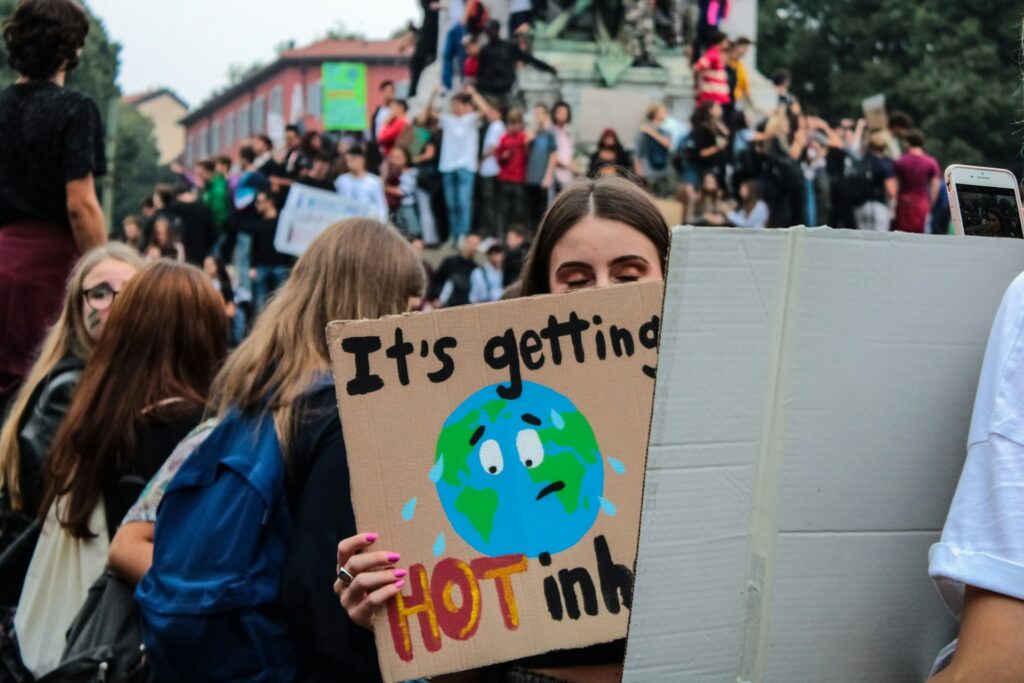
What people talk about shapes what feels normal. When environmental conversations stay stuck on individual perfection, people either burn out or tune out. When they shift toward limits, trade-offs, and reality, more people stay engaged.
Talking openly about doing less, choosing slower options, and accepting imperfection makes sustainability feel human rather than heroic. Culture changes when behaviour feels shared, not policed. That shift often spreads further than personal discipline ever could.
Questioning endless growth as the default goal
A lot of environmental damage traces back to one stubborn idea: that everything must keep expanding. More output. More consumption. More speed. More extraction. Growth gets treated as success, even when it actively harms quality of life.
Questioning that assumption opens space for better measures of progress. Stability, wellbeing, and sufficiency start to matter more than sheer volume. Protecting the planet doesn’t require purity or sacrifice competitions. It requires agreeing that “enough” is allowed to exist.